
 English
 Tiếng Việt

Flame Retardant Formulations: How to Choose the Right Additive System for Polyme
Flame Retardant Formulations: How to Choose the Right Additive System for Polyme
Flame Retardant Formulations: How to Choose the Right Additive System for Polyme
Flame Retardant Formulations: How to Choose the Right Additive System for Polyme
Flame Retardant Formulations: How to Choose the Right Additive System for Polyme
Flame Retardant Formulations: How to Choose the Right Additive System for Polyme
Flame Retardant Formulations: How to Choose the Right Additive System for Polyme
Flame Retardant Formulations: How to Choose the Right Additive System for Polyme
Flame Retardant Formulations: How to Choose the Right Additive System for Polyme
Flame Retardant Formulations: How to Choose the Right Additive System for Polyme
Flame Retardant Formulations: How to Choose the Right Additive System for Polyme
Flame Retardant Formulations: How to Choose the Right Additive System for Polyme
Flame Retardant Formulations: How to Choose the Right Additive System for Polyme
Flame Retardant Formulations: How to Choose the Right Additive System for Polyme
Flame Retardant Formulations: How to Choose the Right Additive System for Polyme
Flame Retardant Formulations: How to Choose the Right Additive System for Polyme

Industry News
Home / News / Industry News / Flame Retardant Formulations: How to Choose the Right Additive System for Polyme
Product Category
NEW Category
Featured NEWS
Flame Retardant Formulations: How to Choose the Right Additive System for Polyme
Content
Imagine you are developing a polypropylene compound that has to meet UL 94 V-0 at 1.6 mm wall thickness. The most obvious route is to increase the flame retardant loading. Within a few trials, however, the melt flow drops, the impact strength falls, and the surface becomes dull. This is common, because flame retardant formulations are not a single dosage. They are balanced systems in which the active additive, synergists, char-forming agents, heat stabilizers, and processing aids all affect the result.
The challenge is not only chemistry. A flame retardant must survive the processing temperature, stay dispersed, avoid migration, and remain effective over the product's lifetime. The formulator's job is to balance all of those requirements before a production trial.
Anatomy of a Flame Retardant Formulation
A practical formulation usually contains more than one flame retardant raw material. The primary additive may be a metal hydroxide or an organophosphorus compound, but it rarely works alone. Synergists increase its efficiency, char formers build a protective residue, and processing aids keep the compound or coating uniform.
| Component | Function | Typical examples |
|---|---|---|
| Primary additive | Interrupts combustion | Aluminium hydroxide, magnesium hydroxide, phosphorus compounds |
| Synergist | Raises efficiency | Antimony synergists, zinc borate, metal oxides |
| Char former | Builds a protective layer | Pentaerythritol, mineral charring agents |
| Acid source | Catalyses charring | Ammonium polyphosphate |
| Blowing agent | Expands the char layer | Melamine |
| Processing aid | Improves dispersion and flow | Lubricants, dispersants, coupling agents |
Halogen-free systems are not a single chemistry. They include phosphorus-based products that act in the condensed or vapour phase, nitrogen-based char promoters, and mineral hydroxides that cool and dilute the flame. Choosing among them starts with the processing window and the fire standard, because a raw material can look excellent in a beaker yet degrade during compounding.
The exact balance depends on the resin, the fire test, and the part geometry. That is why a formulation that works in compression-molded plaques can fail when the same compound is injection-molded into thin sections.
How Flame Retardant Mechanisms Shape a Formulation
Endothermic Decomposition
Aluminium hydroxide (ATH) and magnesium hydroxide release water when heated. The decomposition absorbs heat, dilutes the gas phase, and leaves an oxide layer on the material surface. ATH starts to decompose around 180–220 °C; synthetic magnesium hydroxide remains stable to roughly 300–330 °C. For polypropylene and polyethylene, ATH can be adequate. For engineering polymers processed above 250 °C, a high-purity magnesium hydroxide is often the safer starting point.
Char Formation and Thermal Shielding
Intumescent and char-forming systems build a swollen carbon layer that insulates the polymer from the heat source. The efficiency depends on the ratio of acid source, carbon source, and blowing agent. Ammonium polyphosphate, pentaerythritol, and melamine are the classic combination, but mineral charring agents and nanoclays can improve the char quality without relying on a single chemistry.
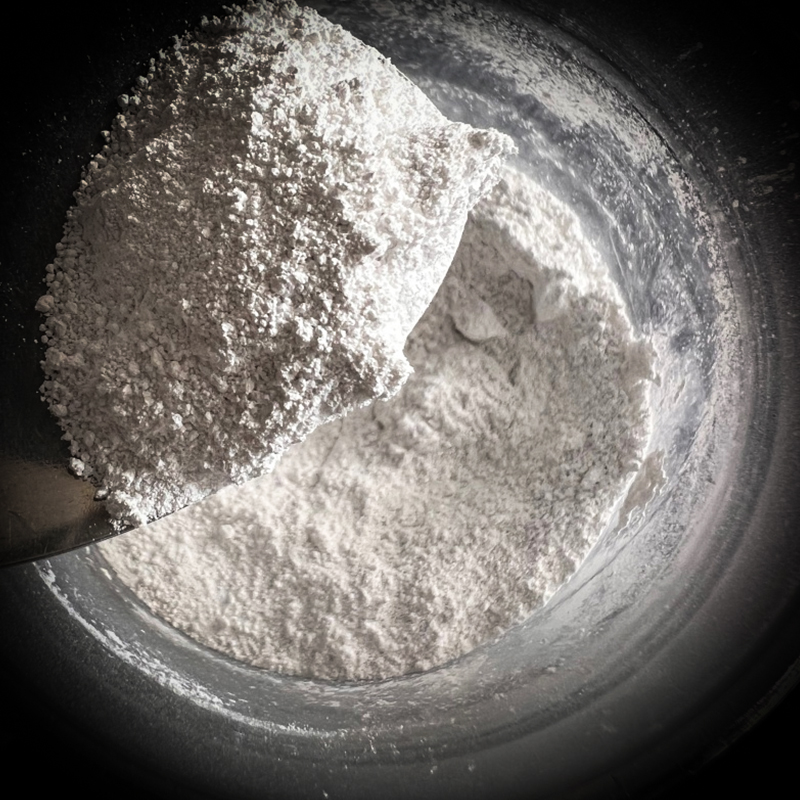
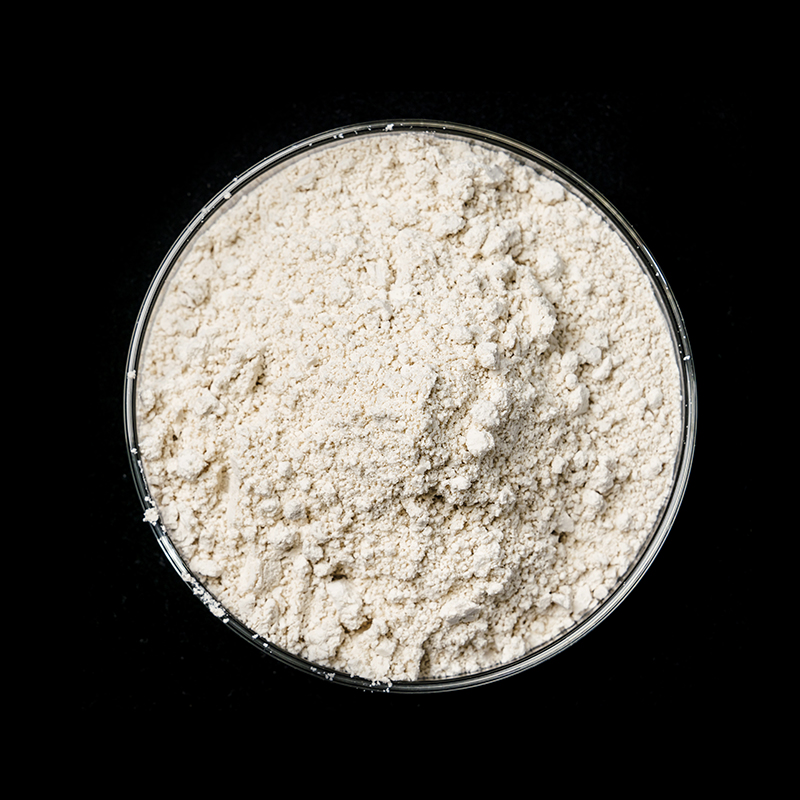 Eco-Friendly Low-Dosage Sepiolite Charring Agent for Flame RetardancyThis non-toxic, fibrous charring agent enhances char formation and smoke suppression in halogen-free polymer systems at just 1–5% loading, improving flame retardant efficiency without compromising mechanical or processing properties.View Product →
Dilution of the Gas Phase
Non-combustible gases such as water vapour, carbon dioxide, ammonia, or nitrogen can reduce the concentration of flammable volatiles near the surface. This mechanism is often secondary, but it becomes important when the formulation already contains a material that decomposes with gas evolution, such as metal hydroxides or nitrogen-based charring agents.
Gas-Phase Radical Quenching
Halogen-based flame retardants interfere with free radicals in the flame, often with antimony trioxide (ATO) as a synergist. Because of smoke, toxicity, and regulatory concerns, many formulators are testing lower-smoke replacements. An antimony synergist can be reformulated to maintain performance while reducing or eliminating antimony trioxide from the final system.
Most effective formulations use more than one mechanism. A mineral hydroxide cools the substrate while an intumescent additive builds a char layer; small amounts of functional fillers change the residue quality. This is the reason testing one additive at a time can be misleading.
Matching the Formulation to the Polymer and the Standard
The first question is not "which flame retardant is strongest?" It is "what does the part need to pass?" The required test, thickness, color, smoke, and cost target all influence the formulation.
- For PP and polyethylene compounds, low-density parts and thin walls often need an intumescent system or a mineral hydroxide with a char promoter.
- For engineering plastics such as polyamide (PA) 6, PA 66, and PBT, the processing temperature is higher and the decomposition window is tighter. High-purity synthetic magnesium hydroxide and phosphorus-based stabilizers are common choices. Our engineering plastics application notes cover these cases in more detail.
- For PVC, coatings, and pressure-sensitive adhesives, formulators usually care about color, water resistance, and smoke. ATO replacement products can be tested at a constant loading while monitoring flame spread and residual char.
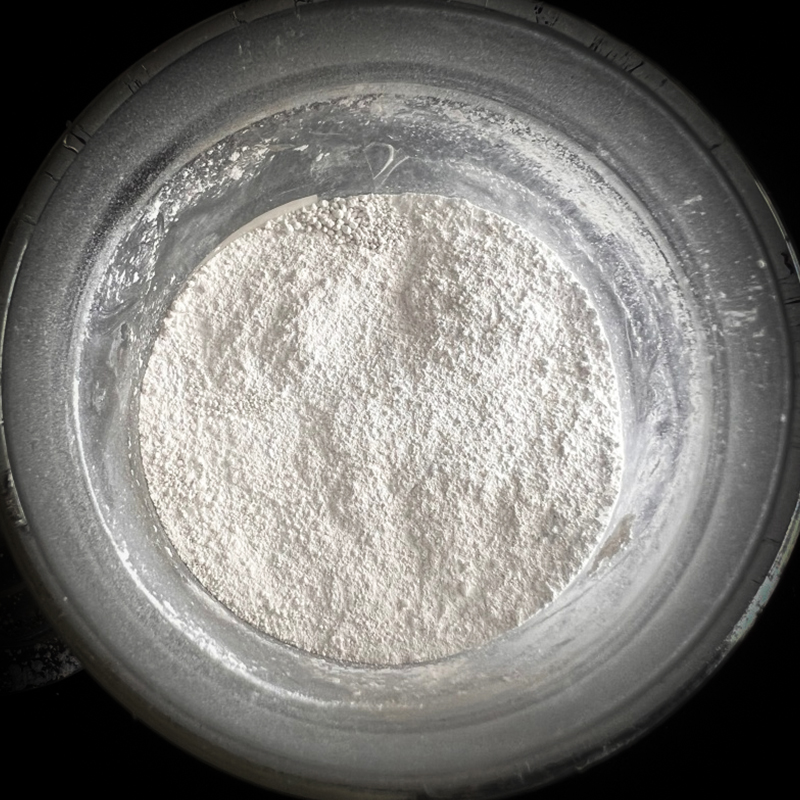
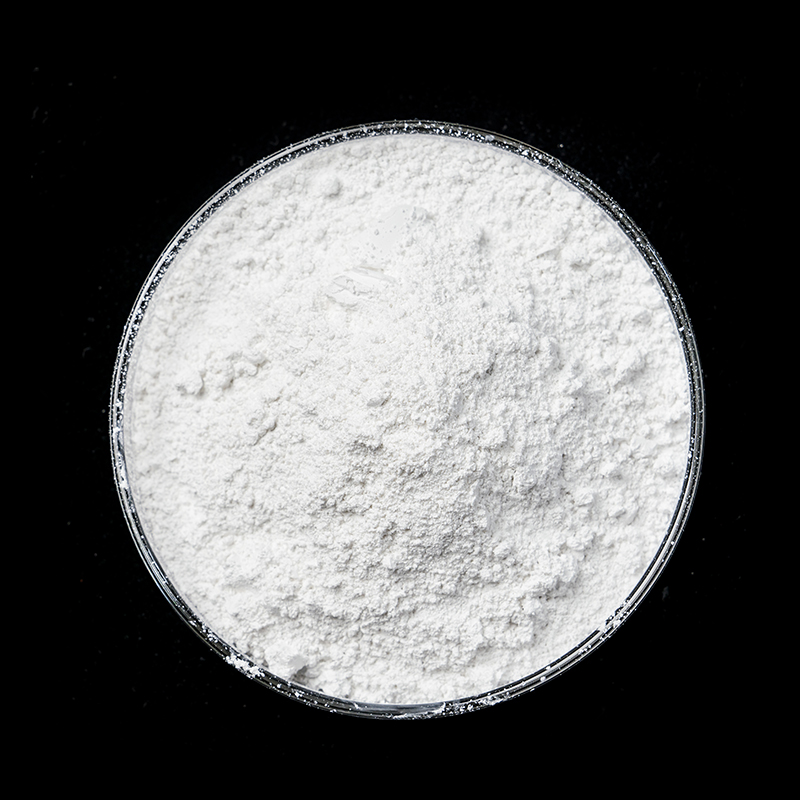 High-Purity Synthetic Magnesium Hydroxide with Uniform Particle SizeWith 99% purity and fine, uniform particles, this halogen-free flame retardant decomposes endothermically to reduce smoke and heat, while maintaining color stability and processability in highly filled polymer systems.View Product →
Use the standard, not the marketing label, as the target. A material that passes UL 94 V-2 may not pass V-0 at a thinner wall, and neither rating predicts cone calorimetry data or smoke behavior.
Fire tests are shaped around real risks. UL 94 measures the time to self-extinguish after a small flame is removed. LOI reports the minimum oxygen concentration needed to sustain burning. Cone calorimetry measures heat release rate. None of them alone describes real fire performance, so a formulation recommendation should be tied to the customer's specification rather than to a generic brochure.
Practical Formulation Examples
Halogen-Free Polypropylene Compound
An intumescent system for PP often uses 20–25% ammonium polyphosphate, 8–12% of a char former, 4–6% melamine, and a small amount of lubricant or coupling agent. The total loading is high, but the char layer does most of the work.
Polyamide Compound with Magnesium Hydroxide
For PA 6, the hydroxide loading may reach 45–55% by weight. At this level, particle size, surface treatment, and mixing quality decide whether the compound still flows and retains enough mechanical strength.
PVC Film or Conveyor Belt with an Antimony Synergist
In antimony-based systems, the goal is to maintain flame retardant performance with less antimony trioxide. An ATO replacement should be compared against the original system at the same cost and smoke target, not just at the same weight loading.
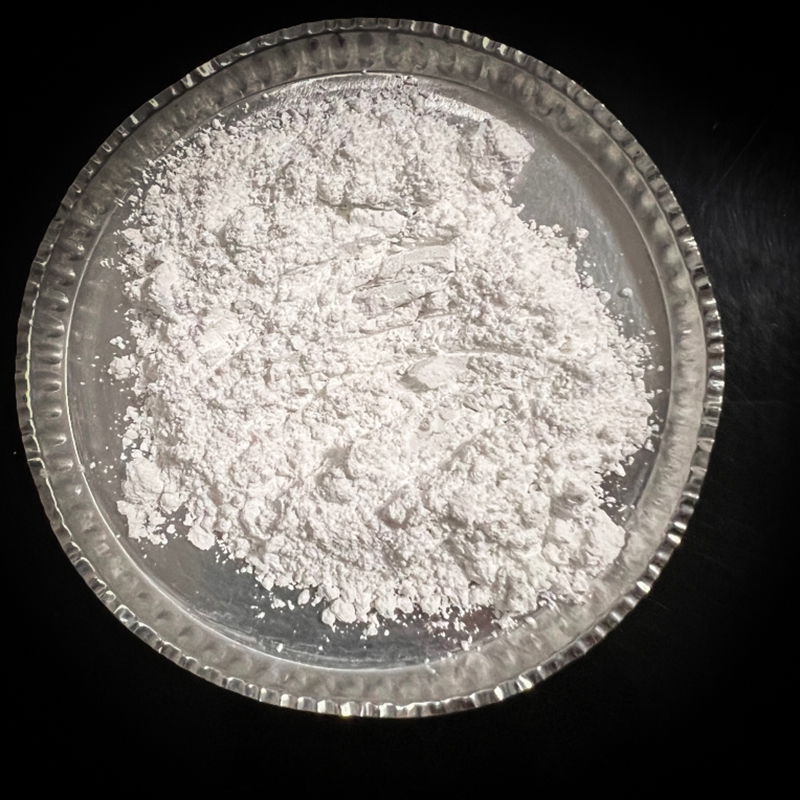
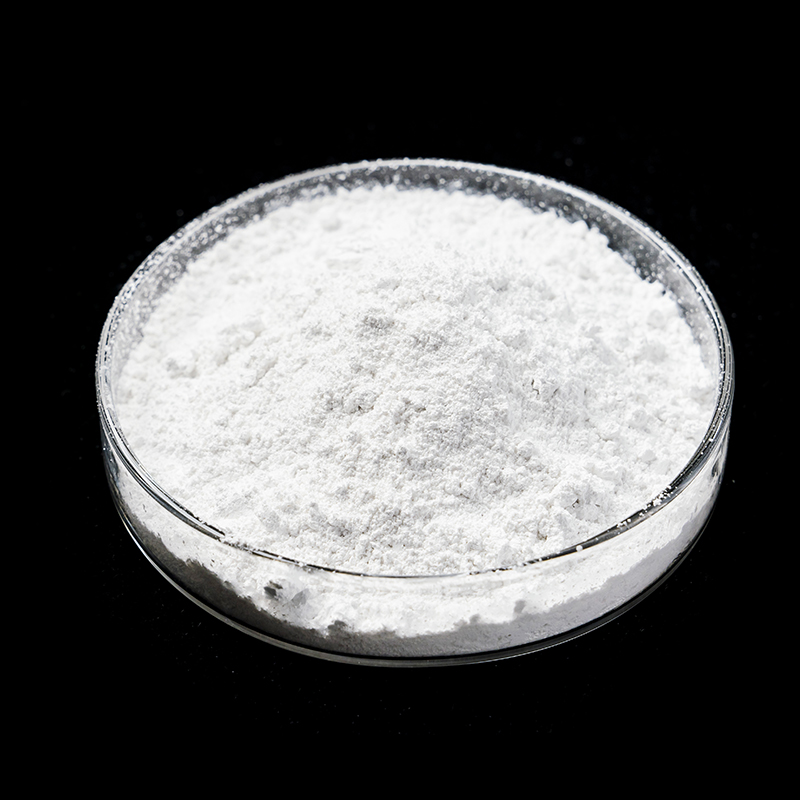 Non-Toxic Eco-Friendly Antimony Trioxide Replacement SynergistThis composite synergist offers a cost-effective, regulatory-compliant alternative to antimony trioxide, maintaining flame retardant performance and processability in PVC and other systems while being non-corrosive and environmentally friendly.View Product →
Intumescent Coating
Water-based intumescent coatings generally use ammonium polyphosphate, pentaerythritol, melamine, and a film-forming binder. The dry-film thickness and substrate preparation have a larger effect on fire performance than many formulators expect.
Common Formulation Mistakes
- Adding more flame retardant before checking whether the combustion residue or drip behavior is the real problem.
- Choosing a hydroxide on price alone without checking decomposition temperature or iron content.
- Ignoring pH and moisture sensitivity in the polymer matrix. Mineral-based additives can affect long-term aging.
- Copying a published recipe without adjusting for the resin grade, screw speed, residence time, or mold design.
- Scoring a formulation as "pass" on one plaque thickness and assuming it will pass at every thickness.
Evaluating a Formulation Before Full-Scale Production
A robust evaluation program starts with small-scale compounding, then injection molding or casting test plaques, and then fire testing. In addition to UL 94 and LOI, check glow wire, smoke density, and mechanical property retention after heat aging. A formulation can meet the fire test but still fail because of corrosion, plate-out, or poor weathering.
Do not rely on a single test bar. Mold several thicknesses, condition the samples to the relevant climate, and run the same fire test after aging. If the flame retardant is sensitive to hydrolysis, moisture absorption can change the result completely.
A supplier that runs application trials can save months. Our laboratory tests flame retardants in representative polymer systems, adjusts particle size and dosage, and provides the data needed for scale-up. Sometimes a single, well-selected additive is the most reliable route; our technical note on optimizing fire safety with custom single-substance flame retardants explains when that is true.
A flame retardant formulation is not a fixed recipe. It changes with the polymer, the processing method, the fire standard, the part thickness, and the cost target. The best starting point is not the highest loading but the smallest combination of components that passes the required test with acceptable processing and mechanical performance. Work with a formulation partner who understands the interplay between chemistry and processing, and verify the result in parts that match your production conditions.
PREV:Why Did Jiangsu Zhuofeng Exhibit Flame Retardants at ACLE 2026 in Shanghai?
NEXT:A Practical Flame Retardant Formulation Course: Key Lessons for Industrial Buyers
NEXT:A Practical Flame Retardant Formulation Course: Key Lessons for Industrial Buyers
Interested in cooperation or have questions?
Featured Products

Let'S Work Together Welcome Aboard!
-
Oversea Sales: mayuqin@zhuofengfr.com
Company email: rikkima@zhuofengfr.com
-
WhatsApp: +86 18105180388
-
Address: No. 5, Wutai Road, Dongba Street, Gaochun District, Nanjing City, Jiangsu Province, China
Join Our Mailing List
Product Categories
Quick Links
Quick Links
Copyright © Jiangsu Zhuofeng New Materials Technology Co., Ltd.
All Rights Reserved.
 Environmentally Friendly Flame Retardants Manufacturers
Environmentally Friendly Flame Retardants Manufacturers