
 English
 Tiếng Việt

Engineering Plastics
Engineering Plastics
Engineering Plastics
Engineering Plastics
Engineering Plastics
Engineering Plastics
Engineering Plastics
Engineering Plastics
Engineering Plastics
Engineering Plastics
Engineering Plastics
Engineering Plastics
Engineering Plastics
Engineering Plastics
Engineering Plastics
Engineering Plastics

Engineering Plastics


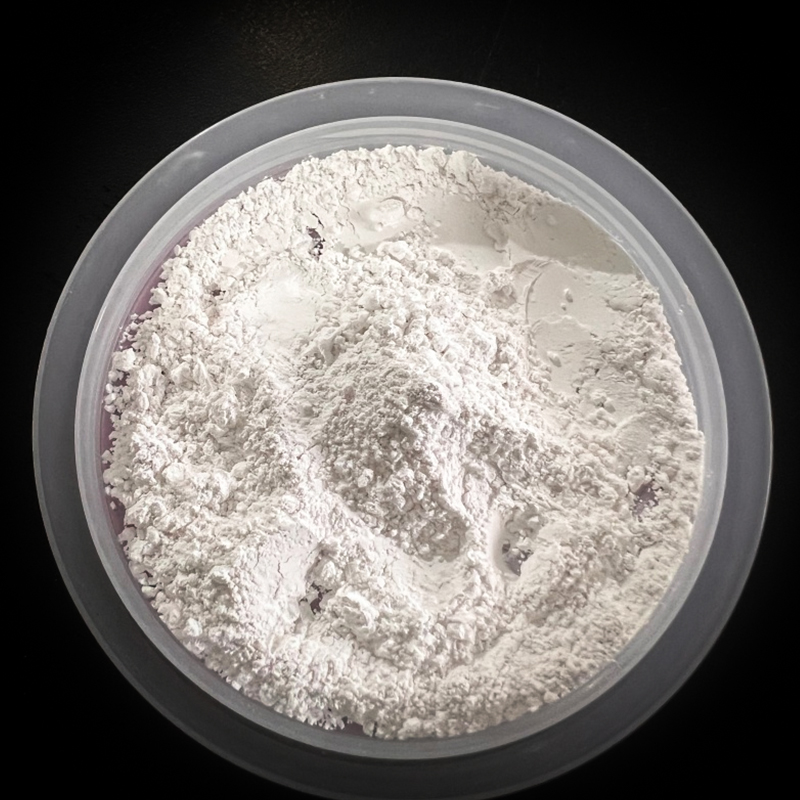
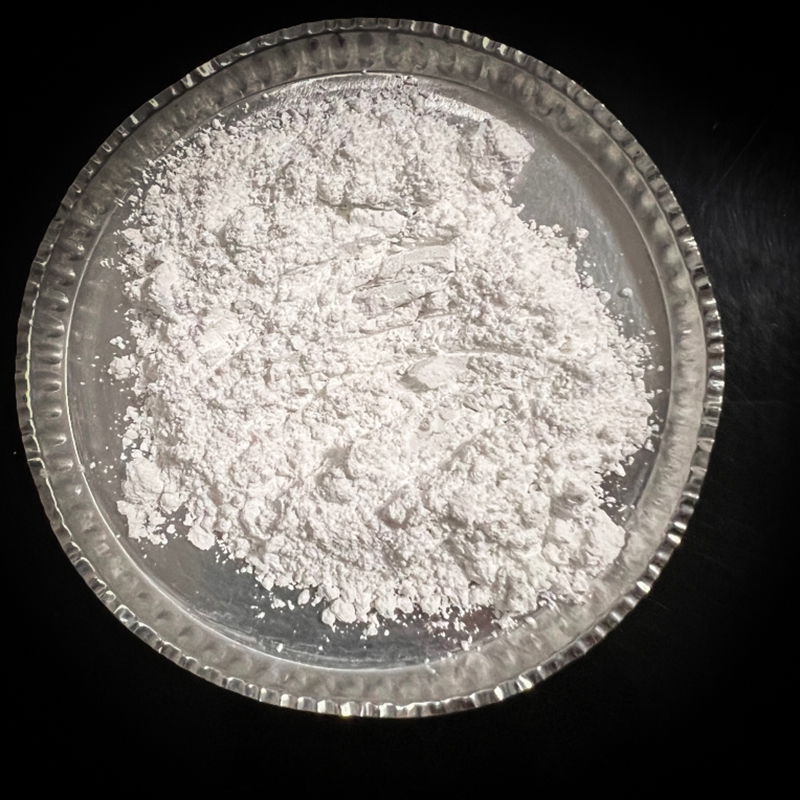
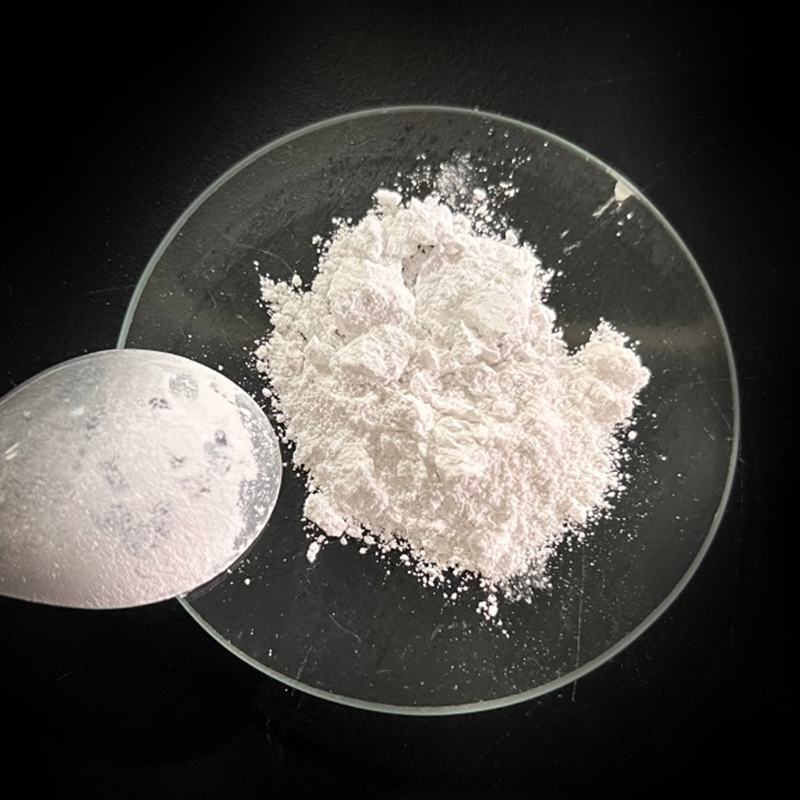
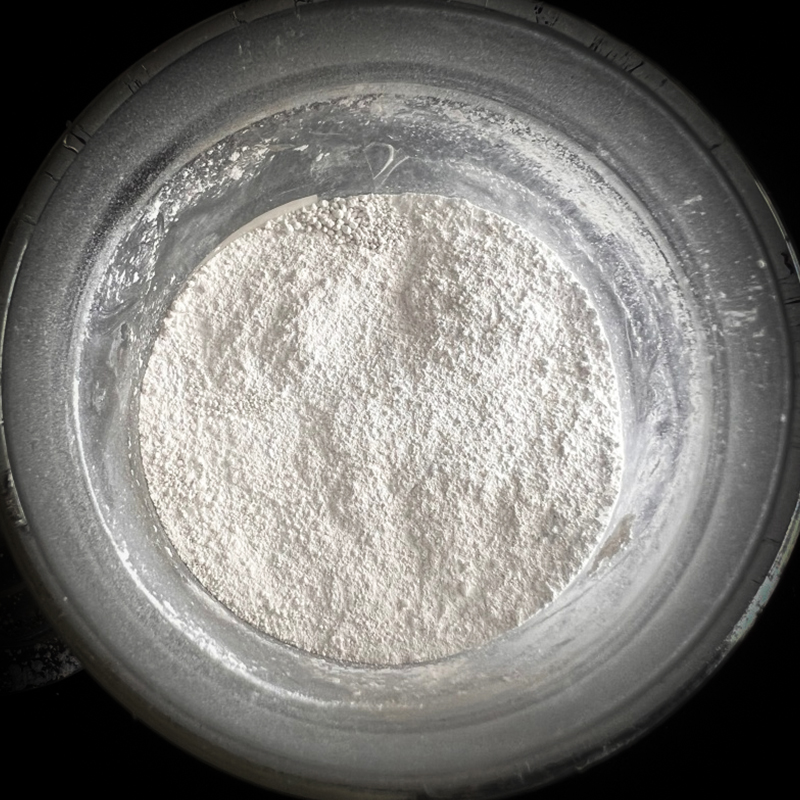
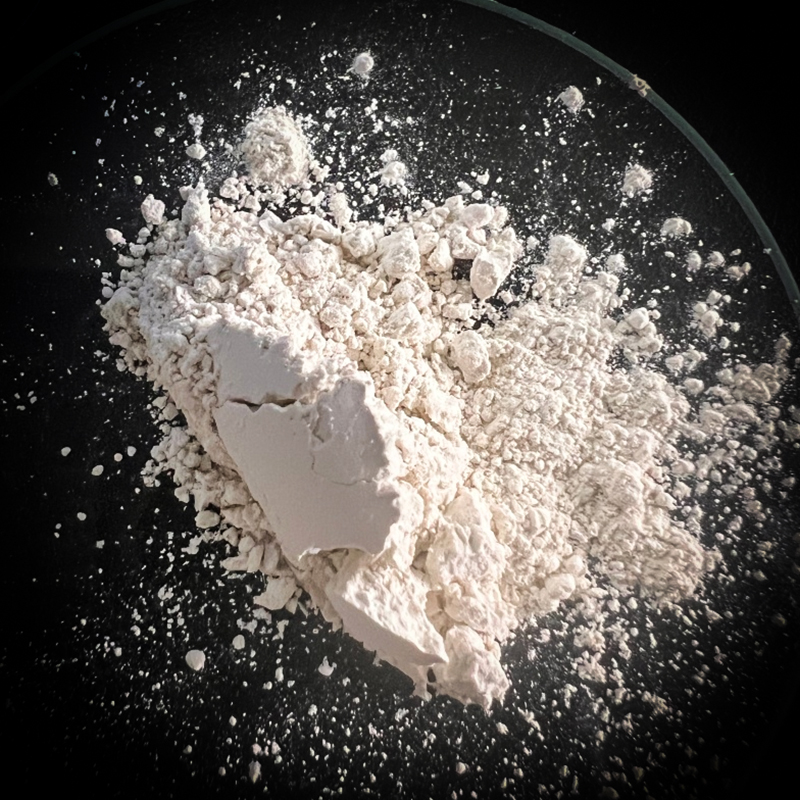
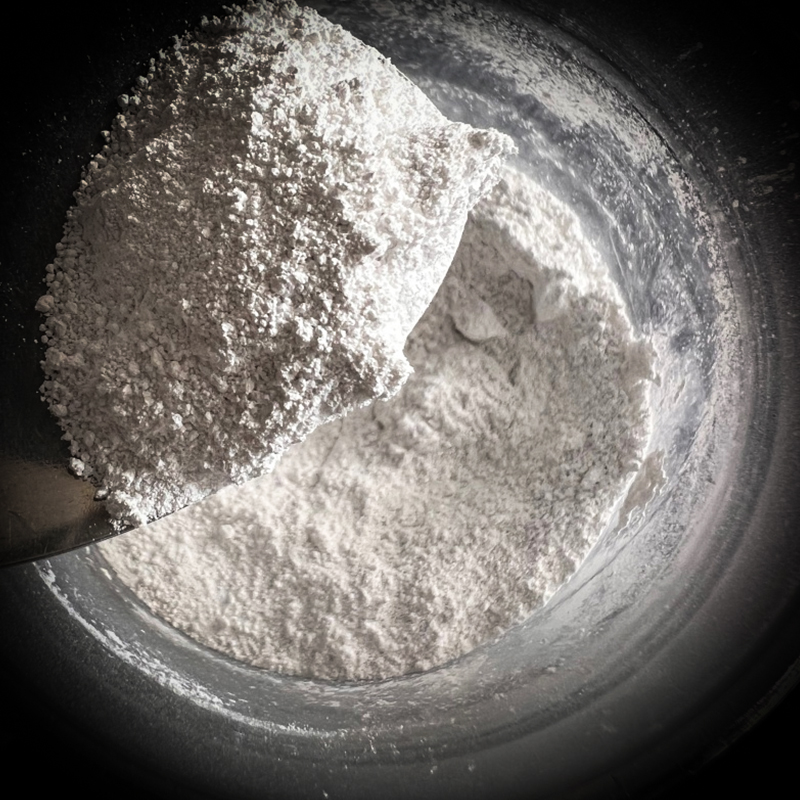
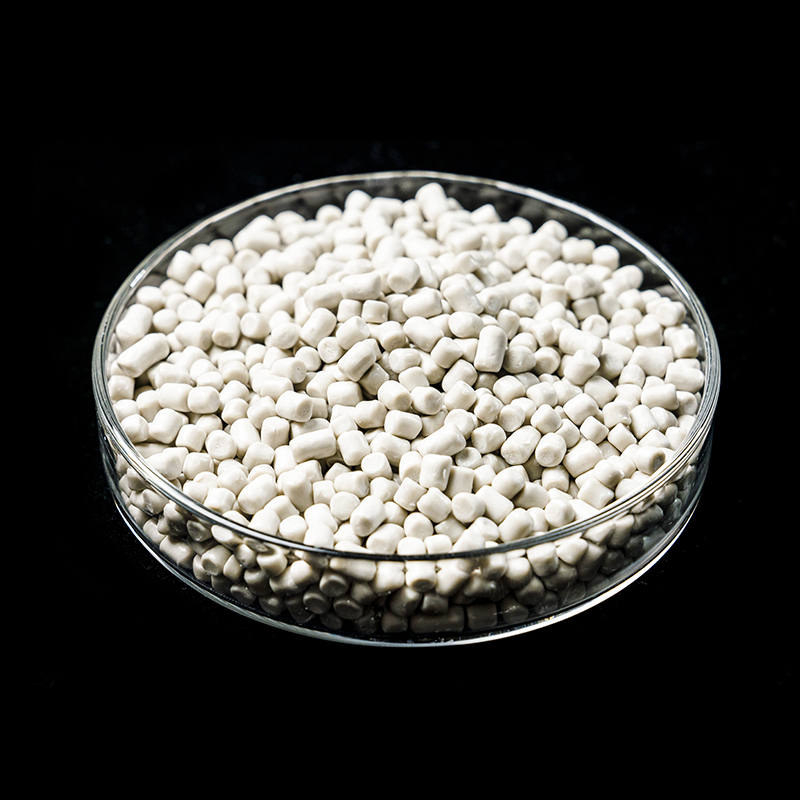
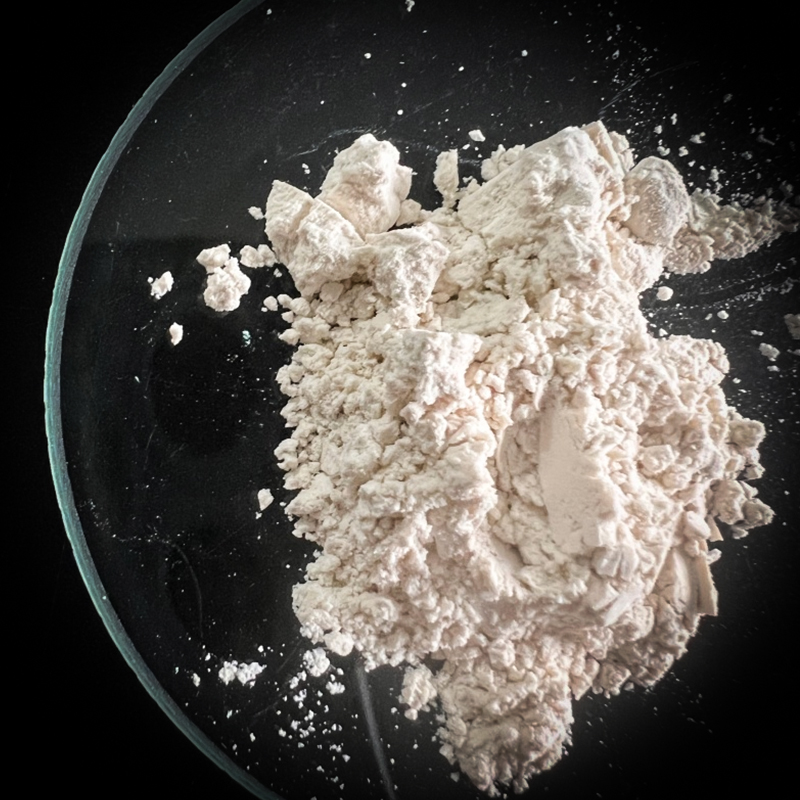
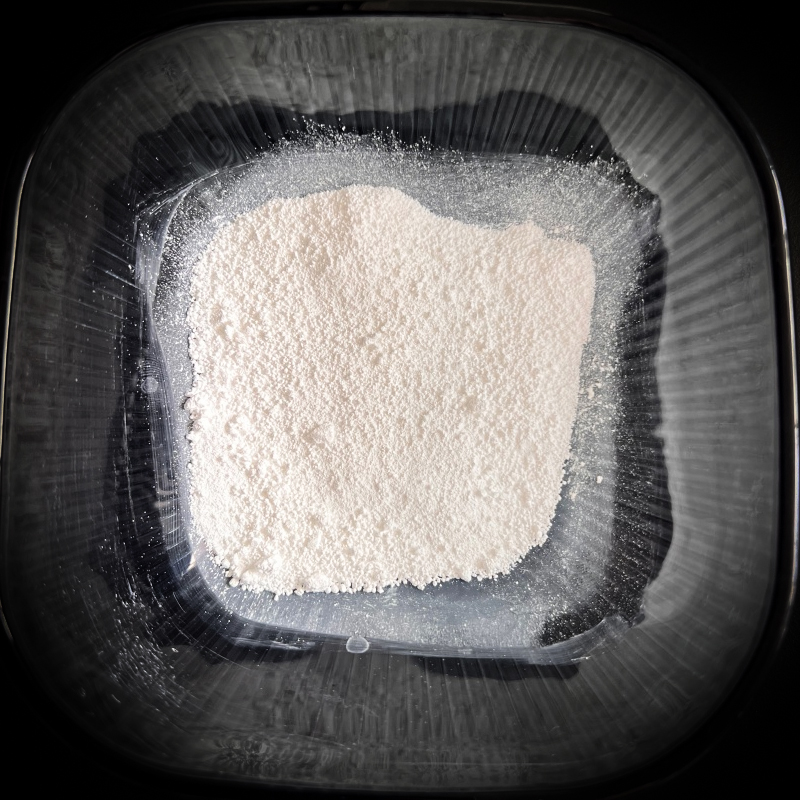
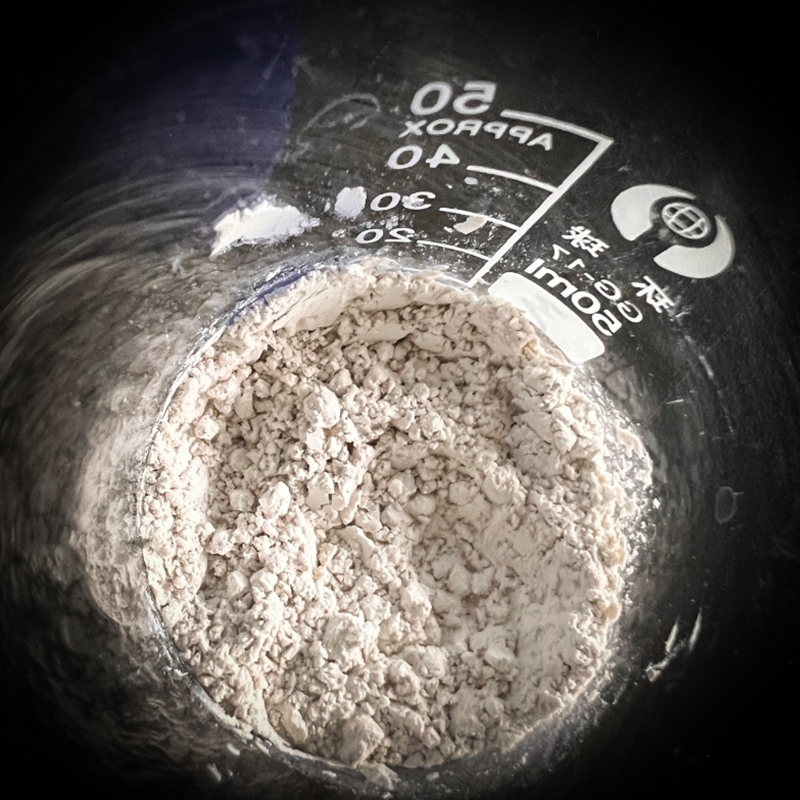
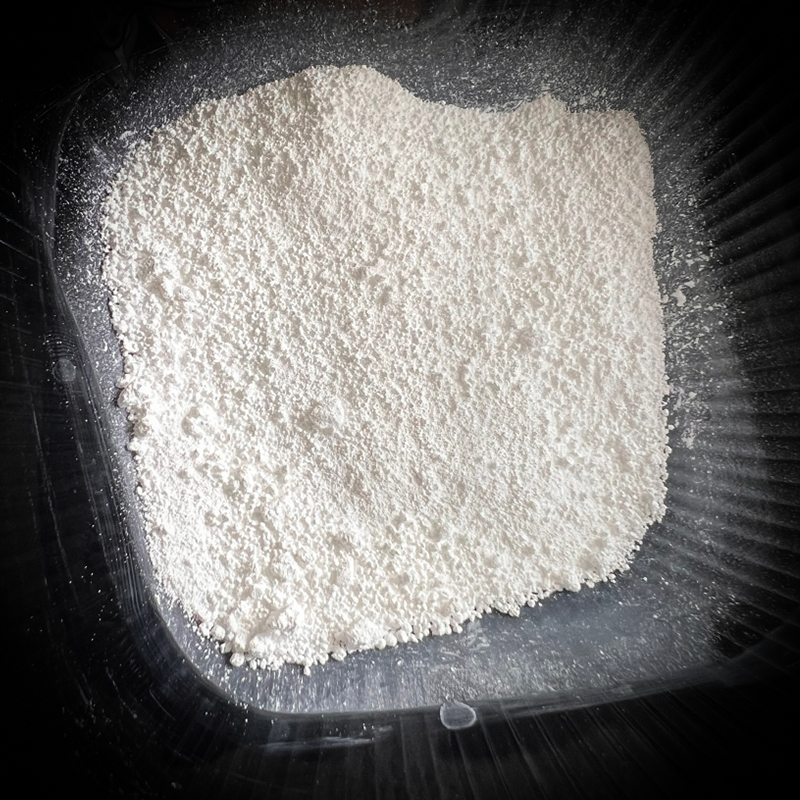
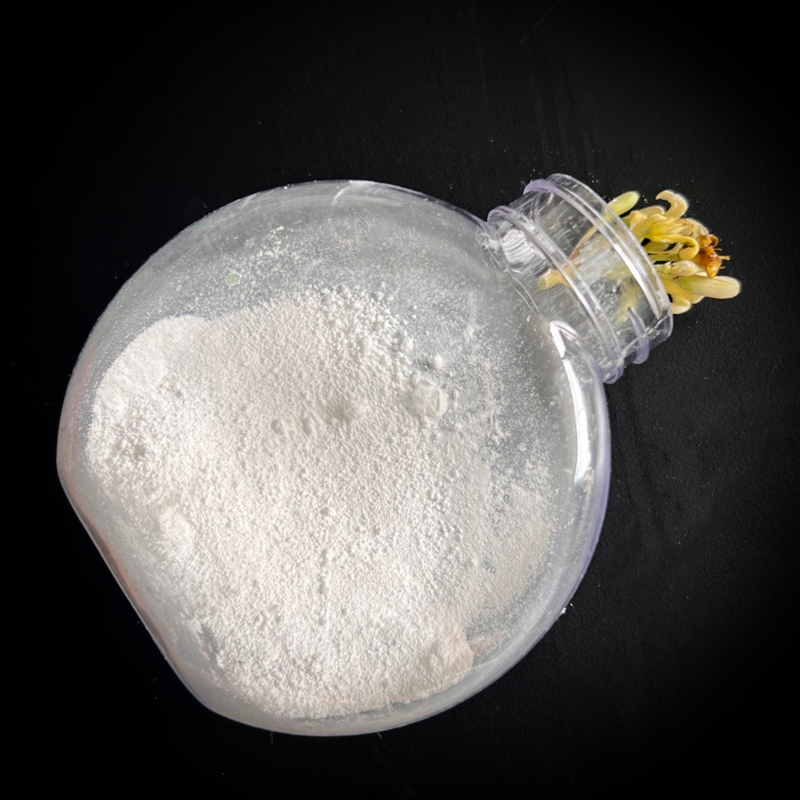
Fire retardants, flame retardant masterbatches, charring agent and other products can be applied to materials such as heat-conductive plastics and electrical materials. They have high thermal stability and can enhance the heat conductivity and fire retardancy of the products.

Recommended Products

Industry Knowledge
Why Glow Wire and Comparative Tracking Index Matter More Than UL94 for Many Engineering Plastic Parts
UL94 vertical burn testing gets most of the attention in flame retardant conversations, but for engineering plastics destined for electrical and electronic housings, glow wire testing and Comparative Tracking Index (CTI) often matter just as much, if not more, to actual end-use approval. At Jiangsu Zhuofeng New Materials Technology Co., Ltd., we regularly see compounders optimize a formulation purely around UL94 V-0 and then discover during final certification that glow wire ignition temperature (GWIT) or glow wire flammability index (GWFI) requirements, which simulate a localized overheating fault like a loose connection or overloaded component, demand a different balance of flame retardant chemistry than pure burn testing alone would suggest.
CTI, which measures resistance to electrical tracking failure under contaminated, humid conditions, introduces yet another variable, since some flame retardant systems that perform well in flame and glow wire testing can actually reduce tracking resistance if the additive itself contributes conductive decomposition byproducts under electrical stress. Formulations for connectors, switchgear, and circuit breaker housings need all three properties validated together rather than assuming a pass on one test guarantees performance on the others.
Flame Retardant System Compatibility Across Common Engineering Resins
| Resin | Typical Processing Temp | Common FR Approach |
|---|---|---|
| PBT | 240-260°C | Brominated or halogen-free phosphinate systems |
| Polycarbonate (PC) | 280-320°C | Sulfonate salts, phosphate esters at low loading |
| ABS | 220-260°C | Brominated systems or phosphorus-based halogen-free options |
Higher processing temperature resins like PC narrow the field of usable flame retardants considerably, since many effective additives that work well in PBT or ABS begin decomposing before PC's melt processing window is even reached, which is a mismatch worth checking early rather than discovering it during the first production trial.
Managing Color Stability and Transparency in Flame-Retarded Engineering Plastics
Engineering plastic applications frequently carry aesthetic requirements that don't apply to commodity resin compounds, and flame retardant selection needs to account for this from the start rather than treating color and clarity as a secondary concern to resolve after flame performance is locked in. Halogen-free phosphorus-based systems generally offer better initial color stability than some brominated alternatives, but even phosphorus-based additives can cause gradual yellowing under thermal aging or UV exposure if the specific chemistry isn't well matched to the resin's stabilizer package.
- Request accelerated thermal aging color data (typically measured via Delta E) alongside standard flame test results
- For transparent or translucent parts, confirm the flame retardant's refractive index compatibility to avoid haze at the target loading level
- Coordinate flame retardant selection with the resin's existing UV stabilizer package, since some combinations can accelerate rather than prevent yellowing
These considerations become especially important for connector housings and appliance components with light or white color requirements, where even minor yellowing after a few months of service can trigger customer complaints despite the part continuing to meet all flame performance specifications.
Working With a Flame Retardant Partner That Understands Engineering Plastics' Multi-Property Requirements
Because engineering plastic applications rarely have the luxury of optimizing for flame performance alone, formulation work in this category benefits significantly from a supplier able to test flame, thermal, electrical, and mechanical properties as an integrated package rather than in isolation. A flame retardant that passes UL94 in initial trials but hasn't been evaluated for CTI, glow wire, or long-term color stability leaves real risk sitting undiscovered until later in the qualification process, when reformulation becomes far more disruptive and costly.
Jiangsu Zhuofeng New Materials Technology Co., Ltd. runs this kind of integrated testing through its flame retardant polymer material application testing laboratory, and our industry-university-research collaborations have specifically focused on closing the gap between flame test compliance and the broader electrical and aesthetic requirements engineering plastic parts actually face in service. Compounders developing new Engineering Plastics- Jiangsu Zhuofeng New Materials Technology Co., Ltd. flame retardant formulations, or requalifying an existing one against updated certification standards, can request combined flame, glow wire, and thermal aging trials in a single testing cycle through our Engineering Plastics- Jiangsu Zhuofeng New Materials Technology Co., Ltd. application support program, which is generally faster than validating each property with separate suppliers or in-house test cycles run one at a time.
Let'S Work Together Welcome Aboard!
-
Oversea Sales: mayuqin@zhuofengfr.com
Company email: rikkima@zhuofengfr.com
-
WhatsApp: +86 18105180388
-
Address: No. 5, Wutai Road, Dongba Street, Gaochun District, Nanjing City, Jiangsu Province, China
Join Our Mailing List
Product Categories
Quick Links
Quick Links
Copyright © Jiangsu Zhuofeng New Materials Technology Co., Ltd.
All Rights Reserved.
 Engineering Plastics Flame Retardant Masterbatches Manufacturers
Engineering Plastics Flame Retardant Masterbatches Manufacturers