
 English
 Tiếng Việt

product
product
product
product
product
product
product
product
product
product
product
product
product
product
product
product

Flame Retardant for PA
Product Category
Contact us
PA Flame Retardant Factory
information to be updated
Jiangsu Zhuofeng New Materials Technology Co., Ltd.
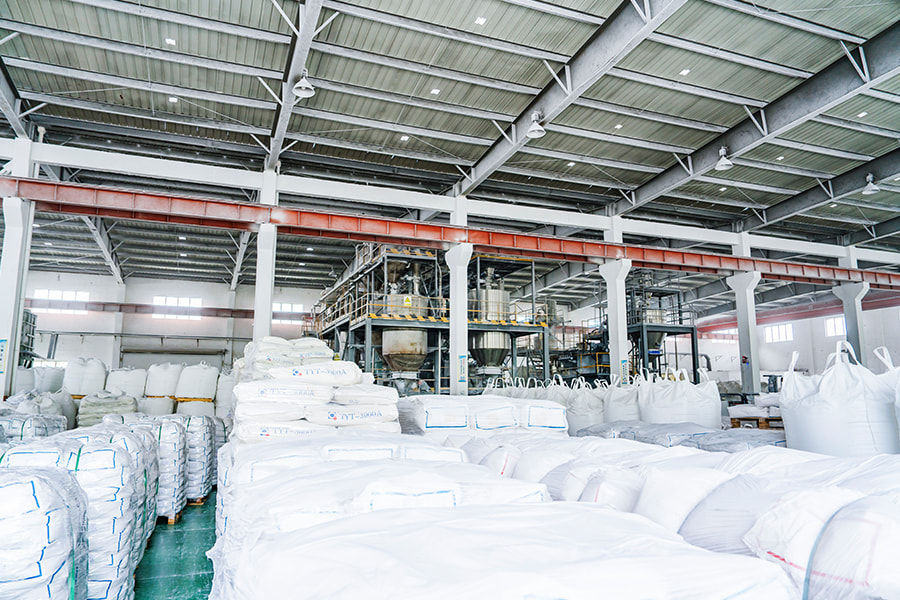
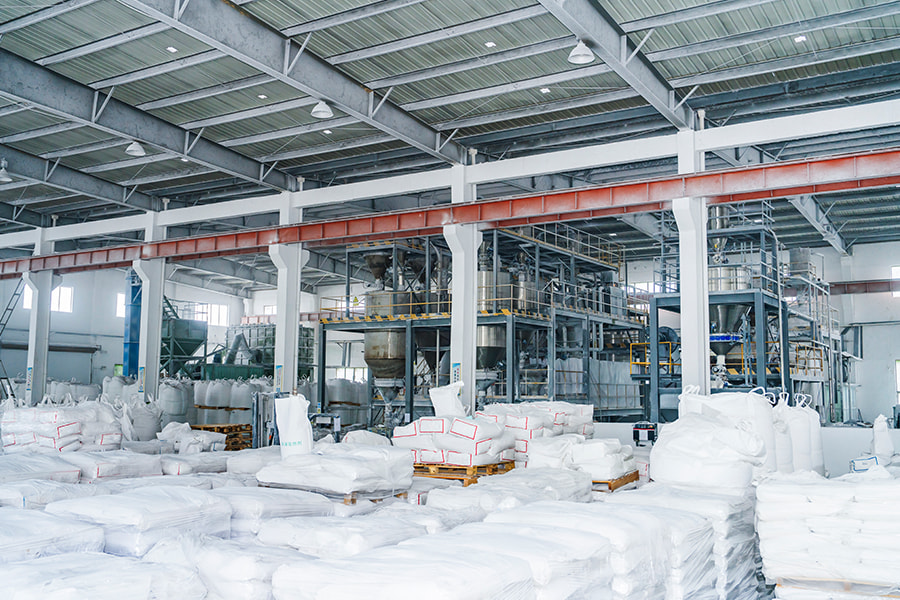
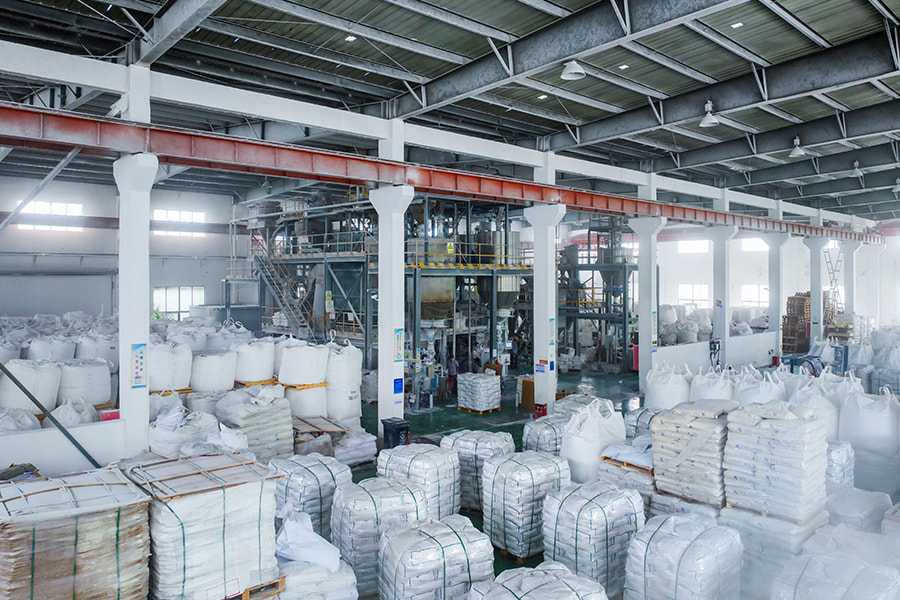
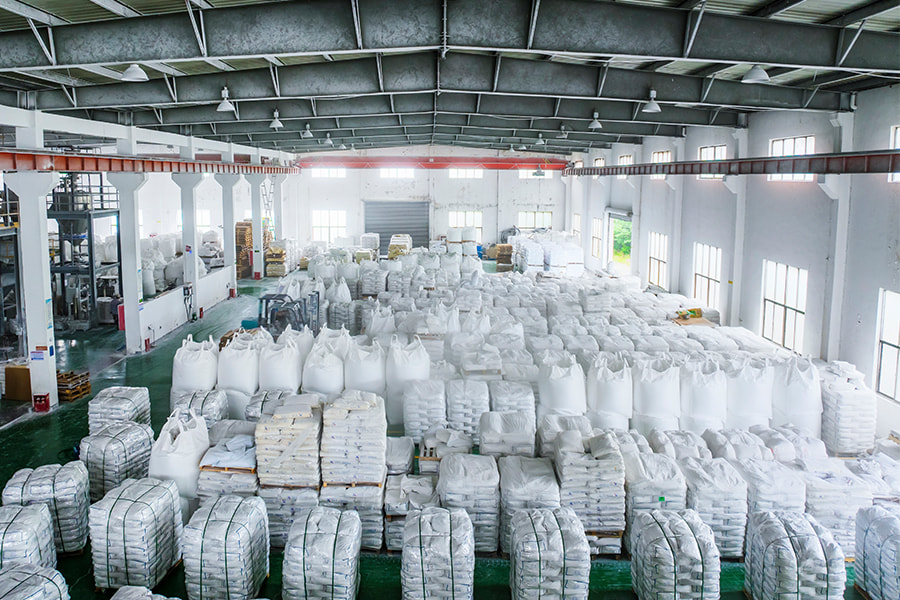
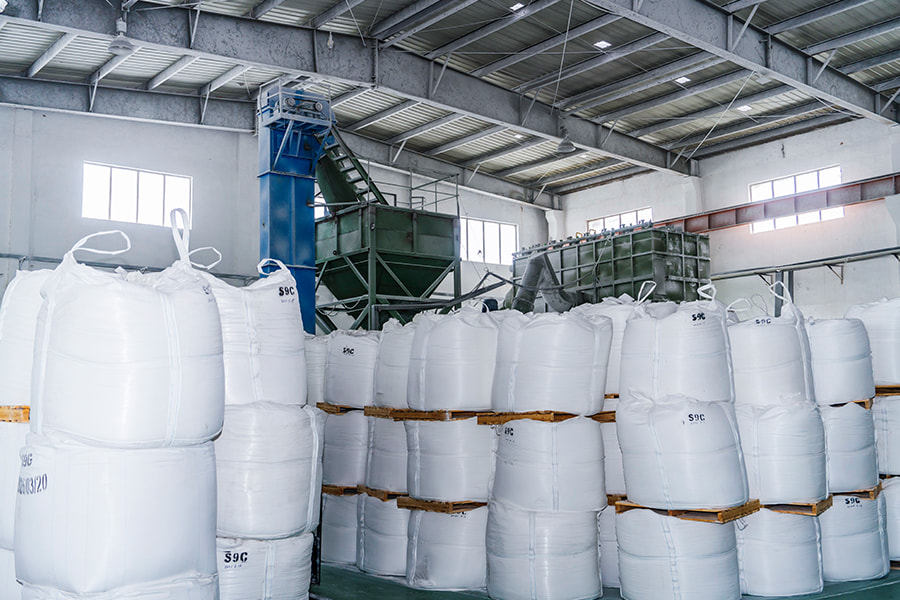
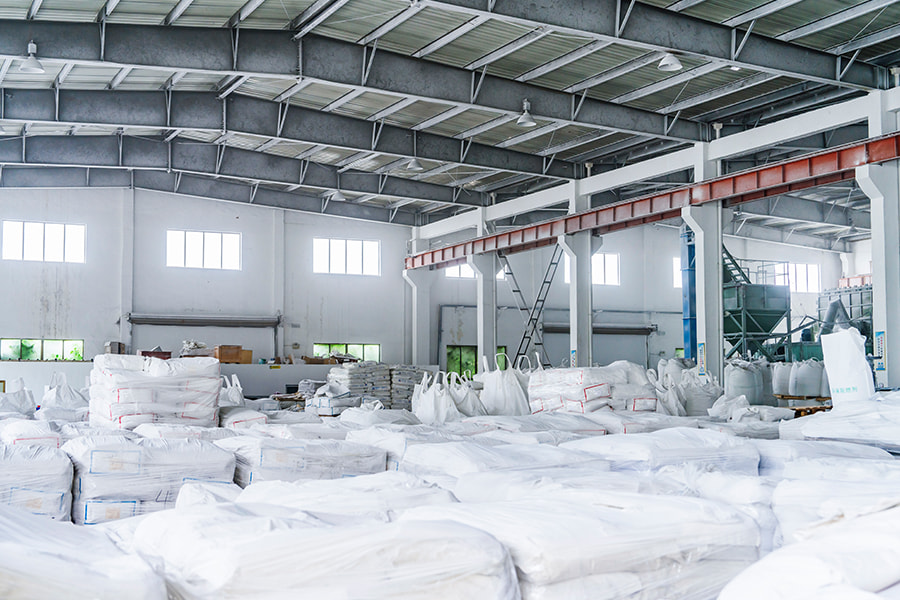
Jiangsu Zhuofeng New Materials Technology Co., Ltd. was established in 2020. It is a supplier specializing in the research, production, and marketing of high-performance and environmentally friendly flame retardants. The company's main products include environmentally friendly flame retardants, flame retardant masterbatches, char-forming agents, composite flame retardants, magnesium oxide, etc. PA Flame Retardant Factory and Polyamide Flame Retardant Manufacturers. Relying on mature products and process technologies as well as standardized management, the company has established several mature high-purity, ultra-fine, and cost-effective flame retardant production lines, established a flame retardant polymer material application testing laboratory, and has carried out industry-university-research cooperation to develop and optimize flame retardant products. The founding team of Zhuofeng Technology has gathered a group of talents who have long been engaged in the research, production, marketing, and management of various functional materials. They can provide users with prompt technical support for application use. At Zhuofeng Technology, we are dedicated to meeting our customers' needs by delivering stable, high-performance, and environmentally friendly flame-retardant product lines. Wholesale Flame Retardant for PA. Company strength data: Industry Experience: 6 years; Plant Scale: 18,000 square meters; Production Capacity:20000 tons.
-
2020Year
Establishment
-
18000m²
Plant Area
-
20000ton
Production Capacity
 Read More

Factory Show
Message Feedback
Industry Insights and Updates
-
2026-09-03Industry News
-
2026-08-28Industry News
-
2026-08-19Industry News
Industry Knowledge
Industry Knowledge
Why Polyamide's High Processing Temperature Rules Out Most Standard Flame Retardants
Polyamide compounds, particularly glass-filled PA6 and PA66 used in electrical connectors and automotive components, are typically processed at melt temperatures between 260-300°C, which immediately eliminates a large share of flame retardant chemistries that work perfectly well in polyolefins. At Jiangsu Zhuofeng New Materials Technology Co., Ltd., this is one of the first questions we ask any PA compounder: what's your actual processing window, because a flame retardant that decomposes prematurely at these temperatures doesn't just fail to protect the finished part, it actively causes processing defects like gas evolution, surface blistering, and reduced mechanical properties from decomposition byproducts contaminating the melt.
This temperature constraint is why red phosphorus and melamine-based systems dominate PA flame retardant formulation rather than the aluminium hydroxide or lower-temperature intumescent systems common in polyolefin compounds. Red phosphorus offers excellent thermal stability at PA processing temperatures and delivers strong flame retardant efficiency at relatively low loading, though it requires careful handling and encapsulation to manage its characteristic red-brown coloration and prevent phosphine gas generation during long-term storage or processing.
Comparing PA-Compatible Flame Retardant Systems
| System | Thermal Stability | Key Limitation |
|---|---|---|
| Encapsulated red phosphorus | Excellent up to 300°C+ | Color limitations, requires quality encapsulation |
| Melamine cyanurate | Good up to ~320°C sublimation onset | Best suited to unreinforced or lightly filled PA |
| Metal phosphinates | Excellent, widely used in glass-filled grades | Higher cost, needs synergist for best performance |
Metal phosphinate systems have gained significant ground in glass-fiber-reinforced PA specifically because they combine strong thermal stability with good electrical insulation properties, an important secondary requirement for connector and switchgear applications where the flame retardant additive can't compromise dielectric performance.
Glass Fiber Reinforcement Changes Flame Retardant Loading Requirements
Glass-reinforced PA grades behave differently under flame testing than unreinforced resin, and this difference catches some formulators off guard when transferring a flame retardant package validated in unfilled PA directly into a 30% glass-filled grade. Glass fibers create a wicking effect, providing pathways along which molten polymer and flame can travel more readily than through unreinforced resin, which typically means glass-filled PA compounds need a higher flame retardant loading or a more efficient synergist package to achieve the same UL94 rating as an unreinforced equivalent.
- Unreinforced PA: lower flame retardant loading generally sufficient for target UL94 rating
- Glass-reinforced PA (20-30% glass): requires increased loading or synergist addition to counteract fiber wicking effect
- Glass content above 30%: often needs dedicated formulation validation, since wicking severity can scale non-linearly with fiber loading
Formulators developing a flame retardant package for a new glass-filled PA grade should always validate flame performance at the actual target glass content rather than extrapolating from a lower-glass or unfilled reference formulation, since the wicking effect's impact on flame propagation doesn't scale predictably enough to rely on extrapolation.
What to Verify When Sourcing Flame Retardant Additives for PA Compounds
Because PA processing conditions leave little margin for error, buyers sourcing a Flame Retardant for Polyamide(PA) should request thermal decomposition data specific to their actual processing temperature range rather than relying on general product literature that may reference a broader, less relevant temperature window. For red phosphorus-based products specifically, it's worth asking directly about encapsulation quality and long-term storage stability data, since inadequately encapsulated material can degrade over time even in sealed packaging, leading to inconsistent performance between an early-life sample and material used months later from the same production batch.
Jiangsu Zhuofeng New Materials Technology Co., Ltd. validates PA-compatible flame retardant systems through its application testing laboratory, testing across both unreinforced and glass-filled grades to confirm performance holds up under the specific wicking and thermal conditions PA compounders actually encounter in production. When comparing options for a PA Flame Retardant Factory partnership, requesting comparative UL94 and glow-wire test data across your specific glass content range remains the clearest way to confirm a proposed formulation will meet target ratings before committing to a full production trial.
Let'S Work Together Welcome Aboard!
-
Oversea Sales: mayuqin@zhuofengfr.com
Company email: rikkima@zhuofengfr.com
-
WhatsApp: +86 18105180388
-
Address: No. 5, Wutai Road, Dongba Street, Gaochun District, Nanjing City, Jiangsu Province, China
Join Our Mailing List
Product Categories
Quick Links
Quick Links
Copyright © Jiangsu Zhuofeng New Materials Technology Co., Ltd.
All Rights Reserved.
 Polyamide Flame Retardant Manufacturers
Polyamide Flame Retardant Manufacturers