
 English
 Tiếng Việt

product
product
product
product
product
product
product
product
product
product
product
product
product
product
product
product

Product Category
Contact us
Elastomer Materials Manufacturers
information to be updated
Jiangsu Zhuofeng New Materials Technology Co., Ltd.
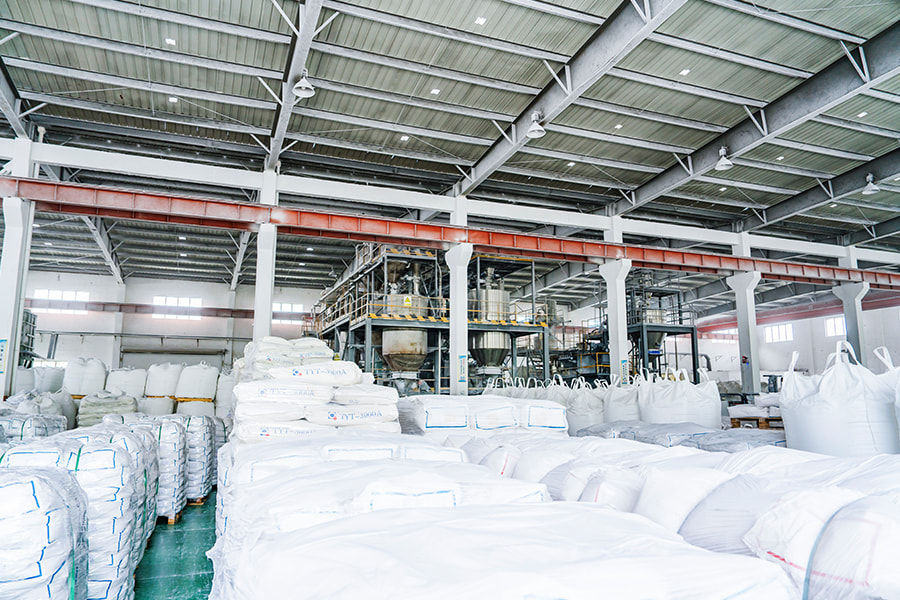
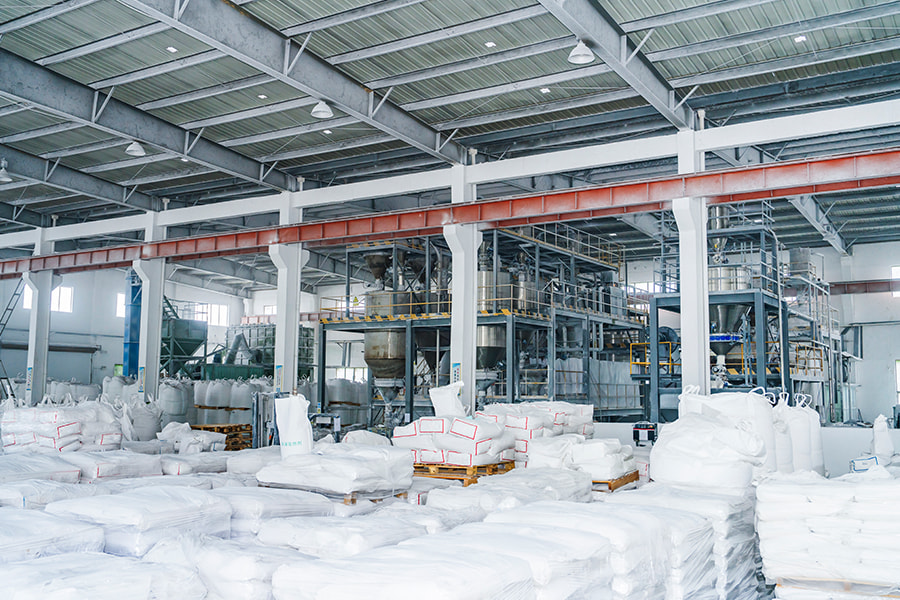
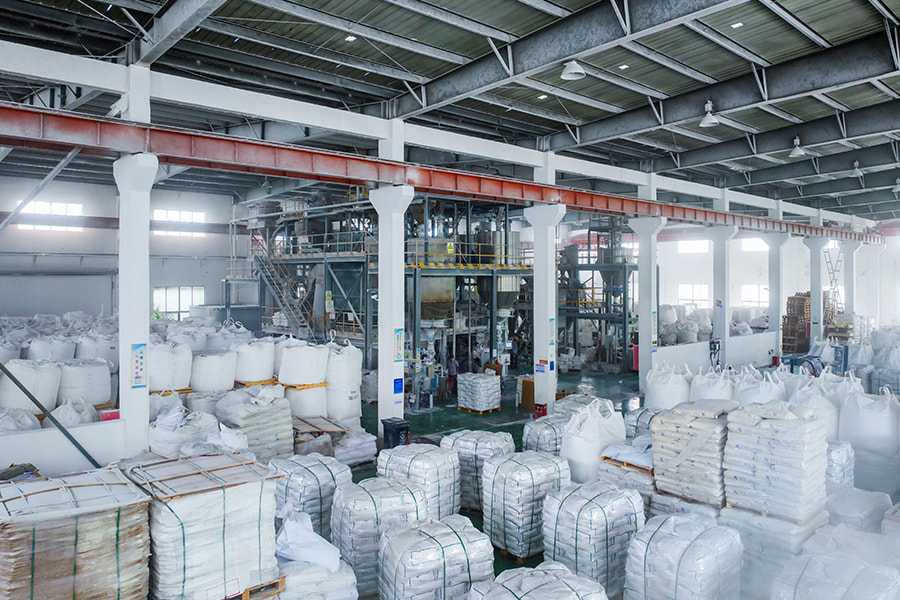
Jiangsu Zhuofeng New Materials Technology Co., Ltd. was established in 2020. It is a supplier specializing in the research, production, and marketing of high-performance and environmentally friendly flame retardants. The company's main products include environmentally friendly flame retardants, flame retardant masterbatches, char-forming agents, composite flame retardants, magnesium oxide, etc. Elastomer Materials Manufacturers and Elastomer Materials Suppliers. Relying on mature products and process technologies as well as standardized management, the company has established several mature high-purity, ultra-fine, and cost-effective flame retardant production lines, established a flame retardant polymer material application testing laboratory, and has carried out industry-university-research cooperation to develop and optimize flame retardant products. The founding team of Zhuofeng Technology has gathered a group of talents who have long been engaged in the research, production, marketing, and management of various functional materials. They can provide users with prompt technical support for application use. At Zhuofeng Technology, we are dedicated to meeting our customers' needs by delivering stable, high-performance, and environmentally friendly flame-retardant product lines. Custom Elastomer Materials. Company strength data: Industry Experience: 6 years; Plant Scale: 18,000 square meters; Production Capacity:20000 tons.
-
2020Year
Establishment
-
18000m²
Plant Area
-
20000ton
Production Capacity
 Read More
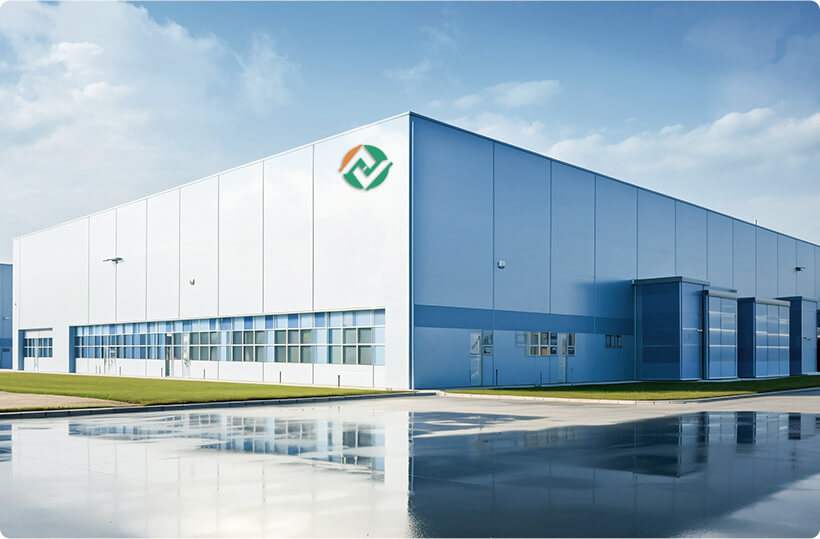
Factory Show
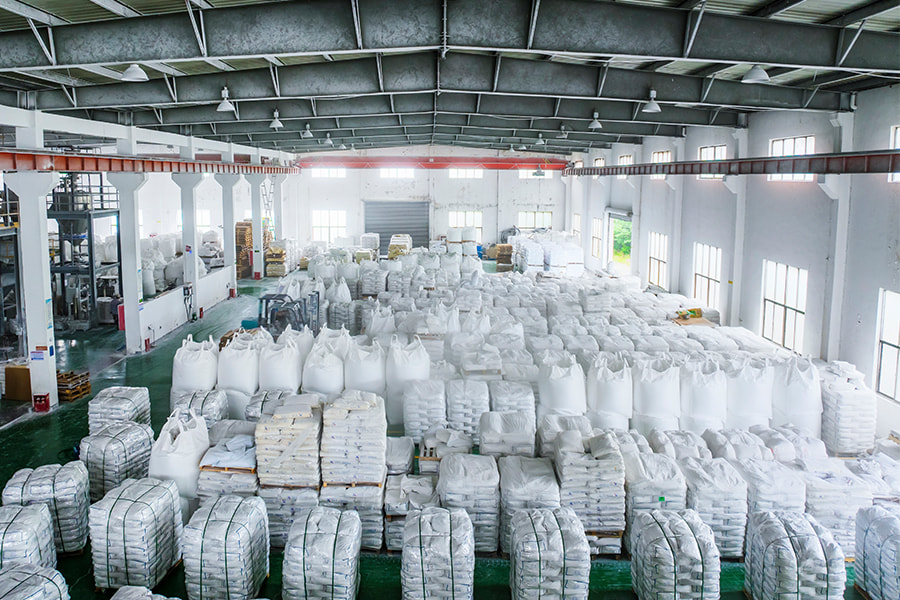
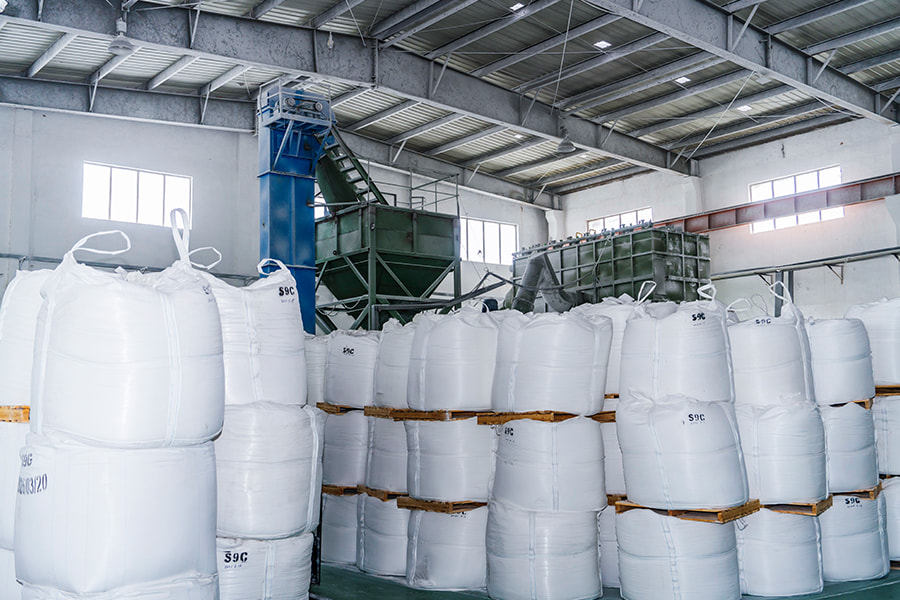
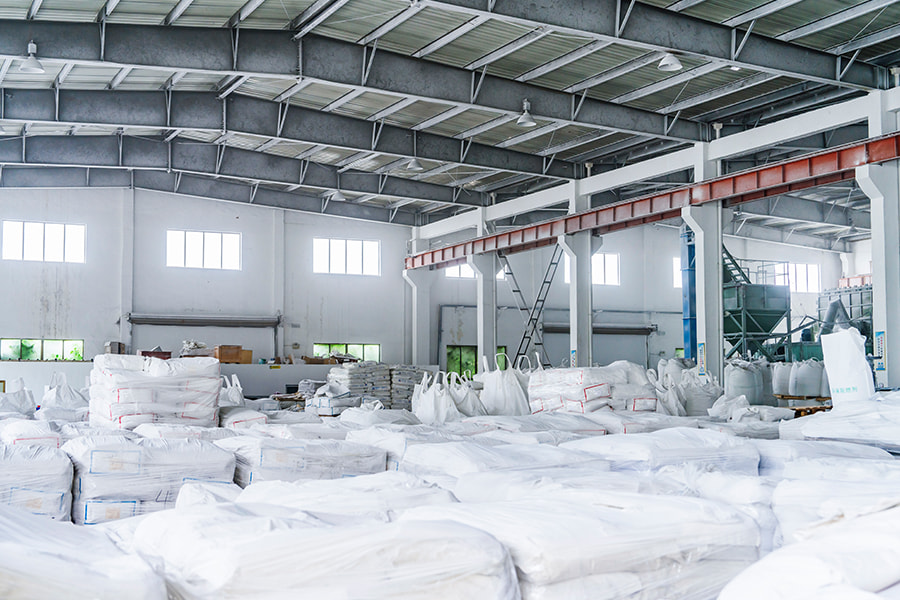
Message Feedback
Industry Insights and Updates
-
2026-09-03Industry News
-
2026-08-28Industry News
-
2026-08-19Industry News
Industry Knowledge
Industry Knowledge
Why Elastomers Present Unique Challenges for Flame Retardant Dispersion
Elastomeric materials such as TPE, TPU, EPDM, and silicone rubber behave very differently from rigid thermoplastics when it comes to incorporating flame retardant fillers, largely because their lower modulus and higher elongation at break make them far more sensitive to filler-induced stress concentration. A flame retardant loading level that a rigid polypropylene compound tolerates without issue can cause premature tearing or cracking in a soft TPE compound at the same weight percentage, simply because the elastomeric network has less inherent structural rigidity to distribute stress around filler particles. This means formulators working with elastomers generally need to prioritize particle size control and surface treatment quality even more strictly than they would for rigid engineering resins.
Common elastomer property losses from poor flame retardant compatibility
- Tear strength dropping disproportionately compared to tensile strength when filler dispersion is uneven
- Compression set worsening at elevated temperature, which is critical for gasket and seal applications
- Surface tack or gloss changes that affect the feel and appearance of soft-touch overmolded parts
- Reduced flex fatigue life in dynamic applications such as cable jacketing subject to repeated bending
Formulators should request elongation and tear strength data at the actual target loading rather than extrapolating from a lower reference loading, since elastomer property loss with mineral filler content is rarely linear and can decline sharply past a certain threshold.
Matching Flame Retardant Chemistry to TPE and TPU Hardness Grades
Thermoplastic elastomers span an unusually wide hardness range, from very soft Shore A grades used in soft-touch grips to harder Shore D grades that blur the line with rigid plastics, and this range significantly affects which flame retardant system performs best. Soft, low-hardness TPE compounds generally cannot tolerate the high mineral filler loading needed for magnesium or aluminum hydroxide systems without losing the soft-touch feel that makes them attractive in the first place, which is why phosphorus-based or halogen-free intumescent systems at lower loading are more commonly used in soft-touch applications. Harder TPU and TPE grades used in cable jacketing or industrial hose applications have more structural margin to accommodate higher mineral loading if cost is a priority over softness retention.
Flame retardant selection by hardness range
| Hardness Range | Typical Application | Preferred FR Approach |
| Shore 30A-60A | Soft-touch grips, seals | Low-loading phosphorus-based systems |
| Shore 60A-90A | Cable jacketing, flexible tubing | Moderate-loading mineral or intumescent blends |
| Shore 90A-70D | Industrial hose, structural overmolds | Higher-loading mineral hydroxide systems |
Formulation trials should always include a hardness check alongside flame testing, since flame retardant addition tends to raise apparent hardness slightly, and this shift can push a compound out of the specified hardness tolerance even when flame performance is unaffected.
Compatibility Between Flame Retardants and Common Elastomer Crosslinking Systems
Thermoset elastomers such as EPDM and silicone rubber rely on crosslinking chemistry, whether peroxide cure, sulfur vulcanization, or platinum-catalyzed addition cure in the case of liquid silicone rubber, and flame retardant additives can interfere with these curing mechanisms in ways that are easy to overlook during early formulation work. Certain flame retardants, particularly those containing residual acidic groups or trace metal contaminants, can act as cure inhibitors or accelerators depending on the base chemistry, leading to inconsistent crosslink density and unpredictable final properties if not screened carefully during formulation development.
Cure system interactions to screen for
- Platinum cure inhibition in liquid silicone rubber caused by trace sulfur or amine-containing flame retardant additives
- Peroxide cure interference in EPDM from flame retardants with radical-scavenging characteristics
- Delayed or incomplete sulfur vulcanization when acidic flame retardant surfaces are not properly neutralized or coated
- Scorch time shifts that require re-optimization of the cure profile once flame retardant loading changes
Rheometer cure curve testing with the specific flame retardant grade included in the mix, rather than assuming compatibility based on chemistry class alone, is the most reliable way to catch cure interference before it becomes a production-scale problem.
Fixed typo correction
Weathering and UV Stability Considerations for Flame Retardant Elastomer Compounds Used Outdoors
Elastomer applications such as outdoor cable jacketing, seals, and gaskets face combined exposure to UV radiation, temperature cycling, and moisture, and the presence of flame retardant fillers can interact with these weathering stresses in ways that differ from unfilled compounds. Mineral hydroxide flame retardants generally have a neutral to mildly beneficial effect on UV resistance since they do not absorb UV radiation the way some organic additives do, but high loading can create a more porous surface structure over time as the surrounding polymer degrades preferentially, gradually exposing filler particles and creating a chalky surface appearance.
Formulation adjustments for outdoor-rated flame retardant elastomers
- Adding UV stabilizer packages compatible with the specific flame retardant chemistry, since some phosphorus-based systems can reduce the effectiveness of certain hindered amine light stabilizers
- Using carbon black as a dual-purpose additive for UV protection and color masking in darker-colored flame retardant compounds
- Running accelerated weathering tests that combine UV exposure with thermal cycling, since single-stress testing often understates real-world degradation rates
- Verifying flame retardant performance is retained after weathering exposure, not just before, since some additives can migrate or degrade under prolonged UV and moisture exposure
Buyers specifying outdoor-rated cable or sealing products should request both initial and post-weathering flame test data, since a compound that passes UL94 or IEC flammability testing when new does not guarantee the same performance after years of outdoor exposure.
Balancing Flame Retardant Loading With Elastomer Recovery and Fatigue Performance
Elastomer applications that rely on repeated flexing or compression, such as vibration dampeners, gaskets, and dynamic seals, depend on the material's ability to recover its original shape after deformation, a property that flame retardant filler loading can gradually erode as particle content increases. Rigid filler particles do not participate in the elastic recovery mechanism the way the polymer network does, so higher loading effectively reduces the proportion of the compound actively contributing to fatigue resistance and compression set performance, even when initial mechanical properties appear acceptable.
Testing approaches for dynamic elastomer applications
- Dynamic mechanical analysis (DMA) across the expected service temperature range to characterize how flame retardant loading shifts the glass transition and damping behavior
- Compression set testing at both room temperature and elevated temperature, since flame retardant fillers often show a larger relative effect at higher test temperatures
- Flex fatigue cycling to failure, comparing filled and unfilled control samples to quantify the actual service life impact
- Rebound resilience testing as a quick screening tool before committing to more time-intensive fatigue testing
For critical dynamic applications, working with a supplier that can conduct application-specific mechanical testing in-house, rather than relying only on standard datasheet values, generally shortens the qualification cycle and reduces the risk of late-stage failures during customer validation.
Selecting Flame Retardant Masterbatch Carrier Resins for Elastomer Compatibility
When a flame retardant is delivered as a masterbatch rather than a raw powder, the carrier resin used to disperse the active ingredient needs to be compatible with the elastomer it will be let down into, since a mismatched carrier can create its own phase separation issues independent of the flame retardant's inherent compatibility. A polyolefin-based carrier, for instance, may disperse poorly in a polar TPU matrix, creating localized weak points even if the active flame retardant itself would otherwise work well in that resin system.
Carrier resin matching considerations
- Matching carrier polarity to the base elastomer to avoid phase separation during melt blending
- Confirming carrier melting point falls comfortably within the elastomer's processing temperature window
- Checking carrier resin does not introduce unwanted hardness or gloss changes in soft-touch elastomer applications
- Requesting a custom carrier formulation for high-volume programs where a standard carrier does not achieve adequate dispersion
Suppliers with a dedicated application testing laboratory and industry-university research collaboration are often better positioned to develop or adjust carrier resin systems for specific elastomer families, since carrier optimization typically requires iterative trial work rather than a one-size-fits-all masterbatch formulation.
Let'S Work Together Welcome Aboard!
-
Oversea Sales: mayuqin@zhuofengfr.com
Company email: rikkima@zhuofengfr.com
-
WhatsApp: +86 18105180388
-
Address: No. 5, Wutai Road, Dongba Street, Gaochun District, Nanjing City, Jiangsu Province, China
Join Our Mailing List
Product Categories
Quick Links
Quick Links
Copyright © Jiangsu Zhuofeng New Materials Technology Co., Ltd.
All Rights Reserved.
 Elastomer Materials Suppliers
Elastomer Materials Suppliers