
 English
 Tiếng Việt

product
product
product
product
product
product
product
product
product
product
product
product
product
product
product
product

Synthetic Magnesium Hydroxide
Product Category
Contact us
Synthetic Magnesium Hydroxide Manufacturers
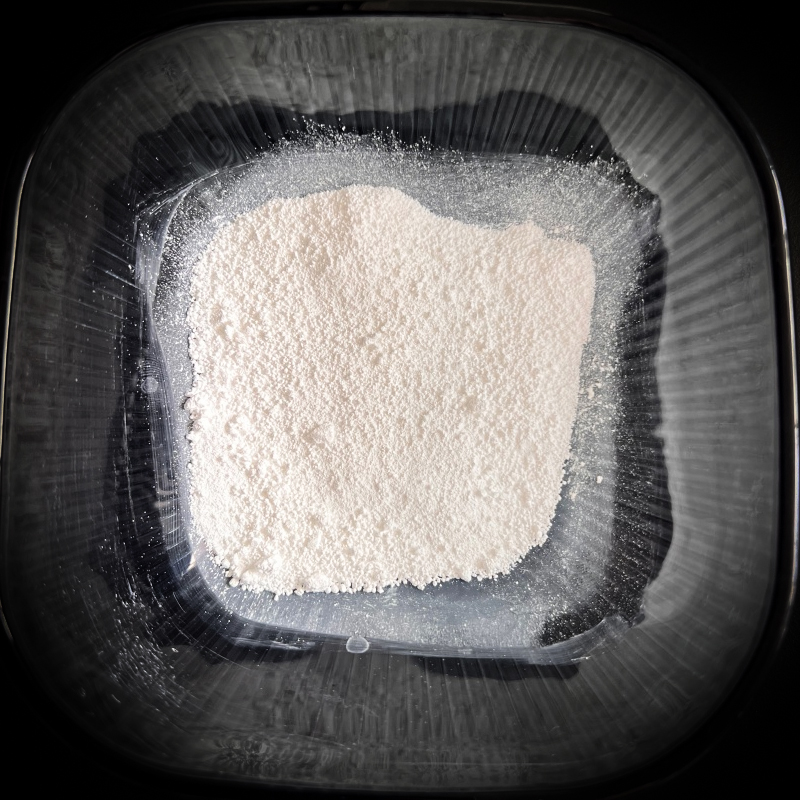
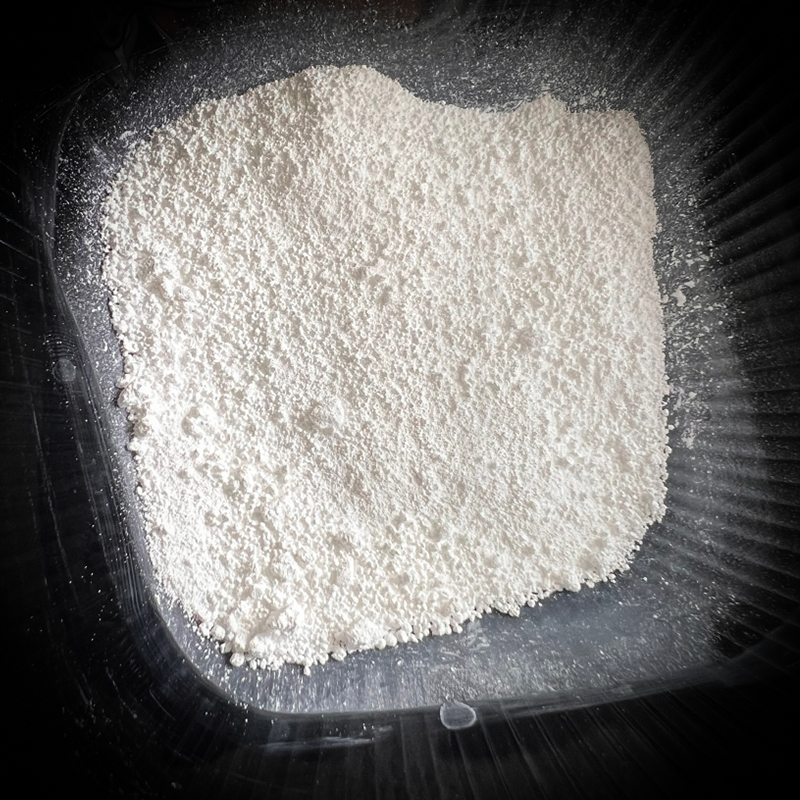
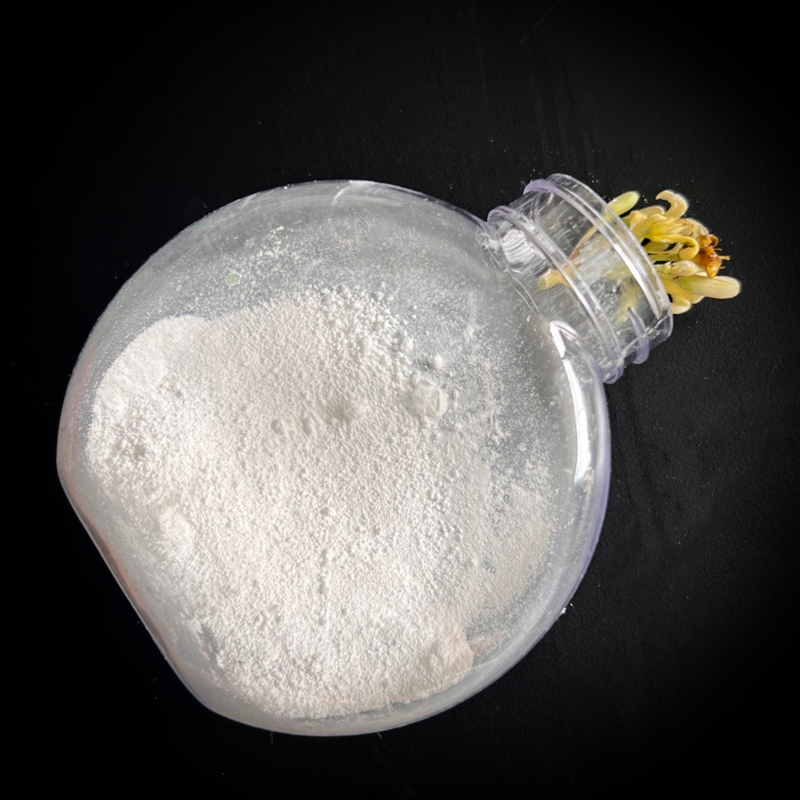
Jiangsu Zhuofeng New Materials Technology Co., Ltd.
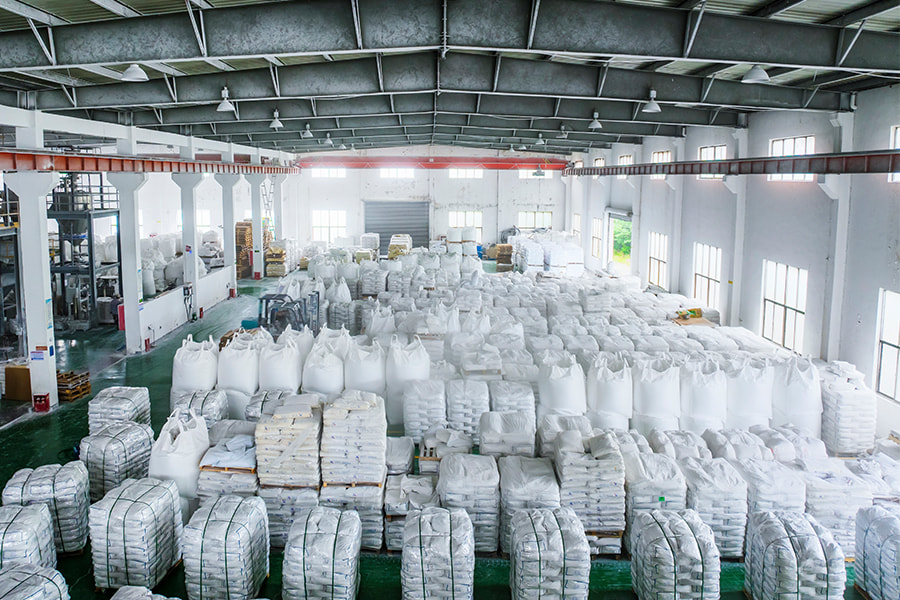
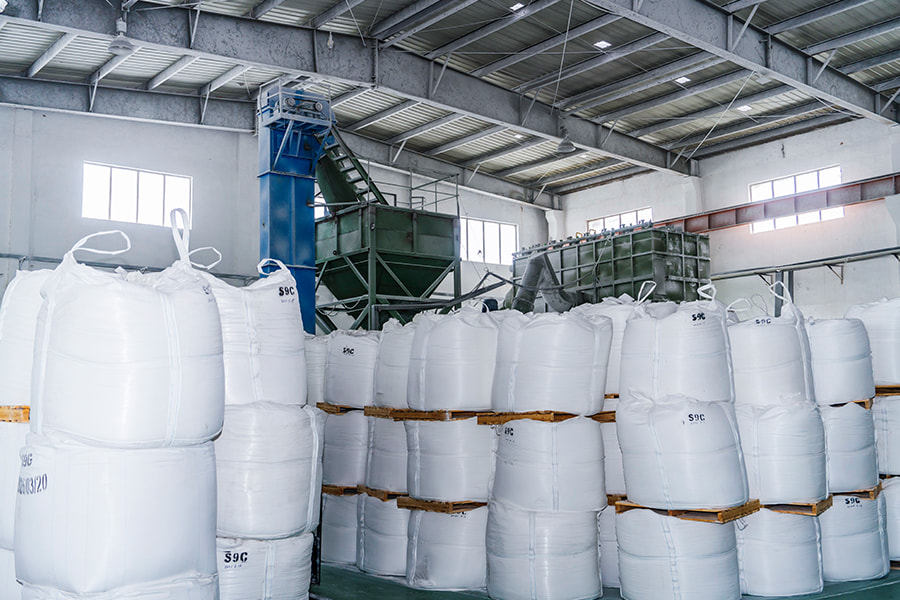
Jiangsu Zhuofeng New Materials Technology Co., Ltd. was established in 2020. It is a supplier specializing in the research, production, and marketing of high-performance and environmentally friendly flame retardants. The company's main products include environmentally friendly flame retardants, flame retardant masterbatches, char-forming agents, composite flame retardants, magnesium oxide, etc. Synthetic Magnesium Hydroxide Manufacturers and Surface-modified Magnesium Hydroxide Factory. Relying on mature products and process technologies as well as standardized management, the company has established several mature high-purity, ultra-fine, and cost-effective flame retardant production lines, established a flame retardant polymer material application testing laboratory, and has carried out industry-university-research cooperation to develop and optimize flame retardant products. The founding team of Zhuofeng Technology has gathered a group of talents who have long been engaged in the research, production, marketing, and management of various functional materials. They can provide users with prompt technical support for application use. At Zhuofeng Technology, we are dedicated to meeting our customers' needs by delivering stable, high-performance, and environmentally friendly flame-retardant product lines. Surface-modified Magnesium Hydroxide Factory. Company strength data: Industry Experience: 6 years; Plant Scale: 18,000 square meters; Production Capacity:20000 tons.
-
2020Year
Establishment
-
18000m²
Plant Area
-
20000ton
Production Capacity
 Read More
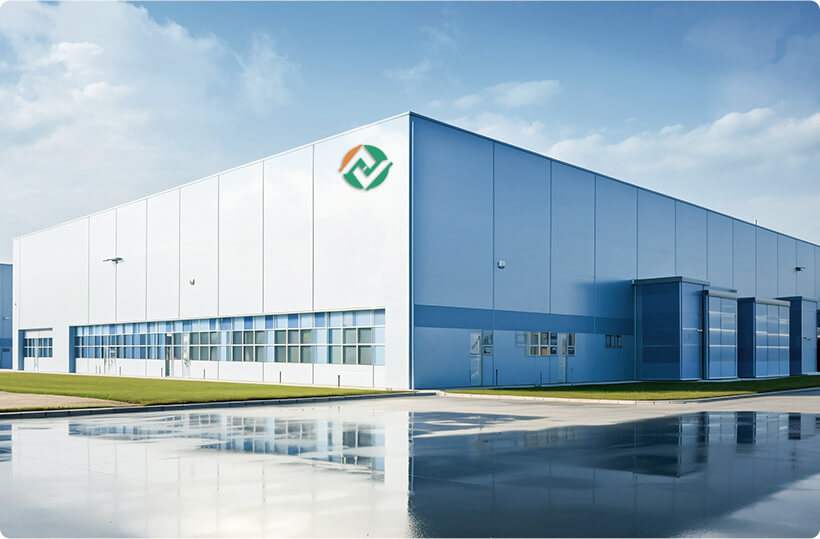
Factory Show




Message Feedback
Industry Insights and Updates
-
2026-09-17Industry News
-
2026-09-14Industry News
-
2026-09-08Industry News
Industry Knowledge
Industry Knowledge
Why Synthetic Magnesium Hydroxide Outperforms Natural Grades in Demanding Compounds
At Jiangsu Zhuofeng New Materials Technology Co., Ltd., we regularly field questions about whether natural brucite-derived magnesium hydroxide is an acceptable substitute for synthetic grades in high-performance compounds. The short answer is that it depends entirely on where the material is going. Natural magnesium hydroxide is mined and ground, which means it inherits whatever mineral impurities were present in the deposit, typically including calcium, iron, and silica compounds that can't be fully removed through mechanical processing. Synthetic magnesium hydroxide, produced by precipitation from magnesium salts, allows purity levels above 99.5% and far tighter control over crystal morphology.
That control matters most in applications where mechanical properties and processing stability are non-negotiable, such as wire and cable insulation or thin-wall injection molded parts. Because synthetic production allows precipitation conditions to be adjusted precisely, manufacturers can target a specific particle size distribution and crystal habit rather than accepting whatever the raw ore produces. For compounders working at high filler loadings where every micron of particle size affects melt flow and impact strength, this consistency is often the deciding factor over natural grades, even at a higher per-ton cost.
Crystal Habit and Its Effect on Rheology
Synthetic magnesium hydroxide can be precipitated into different crystal habits, most commonly hexagonal platelets, and the aspect ratio of these platelets has a direct effect on how the filler behaves during extrusion. A lower aspect ratio, closer to isometric, tends to produce lower melt viscosity at high loading and better flow through narrow die geometries, which is useful for thin cable jacketing. A higher aspect ratio platelet improves mechanical reinforcement and can raise flexural modulus, but at the cost of increased melt viscosity, requiring processors to adjust screw speed or barrel temperature to compensate.
- Lower aspect ratio (closer to 1:1): easier processing, better flow, slightly lower reinforcement
- Higher aspect ratio (platelet-dominant): improved stiffness and barrier properties, higher melt viscosity
- Mixed crystal habit batches: unpredictable processing behavior, generally best avoided for tight-tolerance parts
What Surface Modification Actually Changes in a Compound
Surface-modified magnesium hydroxide isn't a different chemical compound; it's the same core material treated with a coating agent, most commonly a silane, stearic acid, or titanate coupling agent, applied to the particle surface before it's incorporated into a polymer. The treatment addresses a fundamental mismatch: magnesium hydroxide's surface is hydrophilic, while most thermoplastics used in flame-retardant compounds are hydrophobic. Without surface modification, this mismatch leads to poor wetting, particle agglomeration, and weak interfacial bonding, all of which show up as reduced tensile strength and elongation in the finished part.
| Coupling Agent Type | Best Suited Polymer | Key Benefit |
|---|---|---|
| Silane | PE, EVA, XLPE | Strong covalent bonding, improved moisture resistance |
| Stearic Acid | PP, PE | Lower cost, improved dispersion and flow |
| Titanate | Engineering thermoplastics | Improved thermal stability at higher loadings |
Choosing the wrong coupling agent for a given resin system can actually make dispersion worse than using untreated filler, since incompatible treatments interfere with the polymer's own processing additives. This is a detail our formulation lab tests case by case, because a coating that performs well in polypropylene can behave very differently once transferred to an EVA-based hot-melt compound.
Verifying Surface Treatment Quality Before It Reaches Your Production Line
Not all surface-modified magnesium hydroxide on the market is treated to the same standard, and uneven coating coverage is difficult to detect through a simple visual inspection or basic purity test. Uneven treatment leaves patches of the particle surface still hydrophilic, which means moisture absorption and dispersion problems can appear intermittently rather than consistently, making the defect harder to trace back to raw material quality during troubleshooting. Buyers evaluating a new supplier should request contact angle test data or activation index results, both of which quantify how thoroughly the coating has covered the particle surface rather than relying on the supplier's stated treatment percentage alone.
Consistent surface treatment requires tight process control at the coating stage, which is part of why Jiangsu Zhuofeng New Materials Technology Co., Ltd. runs surface modification on dedicated production lines rather than as a secondary step on shared equipment, helping keep coating uniformity stable from batch to batch. For any compounder scaling up a formulation that depends on Surface-modified Magnesium Hydroxide, it's worth requesting a small trial batch and running your own dispersion and mechanical property tests before committing to full production volume, since coating quality issues that seem minor in a lab-scale trial tend to compound significantly once loading levels reach 50% or higher in a full production run. This kind of pre-scale validation is standard practice when sourcing Synthetic Magnesium Hydroxide for any application where mechanical performance can't be compromised.
Let'S Work Together Welcome Aboard!
-
Oversea Sales: mayuqin@zhuofengfr.com
Company email: rikkima@zhuofengfr.com
-
WhatsApp: +86 18105180388
-
Address: No. 5, Wutai Road, Dongba Street, Gaochun District, Nanjing City, Jiangsu Province, China
Join Our Mailing List
Product Categories
Quick Links
Quick Links
Copyright © Jiangsu Zhuofeng New Materials Technology Co., Ltd.
All Rights Reserved.
 Surface-modified Magnesium Hydroxide Factory
Surface-modified Magnesium Hydroxide Factory