
 English
 Tiếng Việt

product
product
product
product
product
product
product
product
product
product
product
product
product
product
product
product

E-conductive TPE
Product Category
Contact us
E-conductive TPE Manufacturers
information to be updated
Jiangsu Zhuofeng New Materials Technology Co., Ltd.
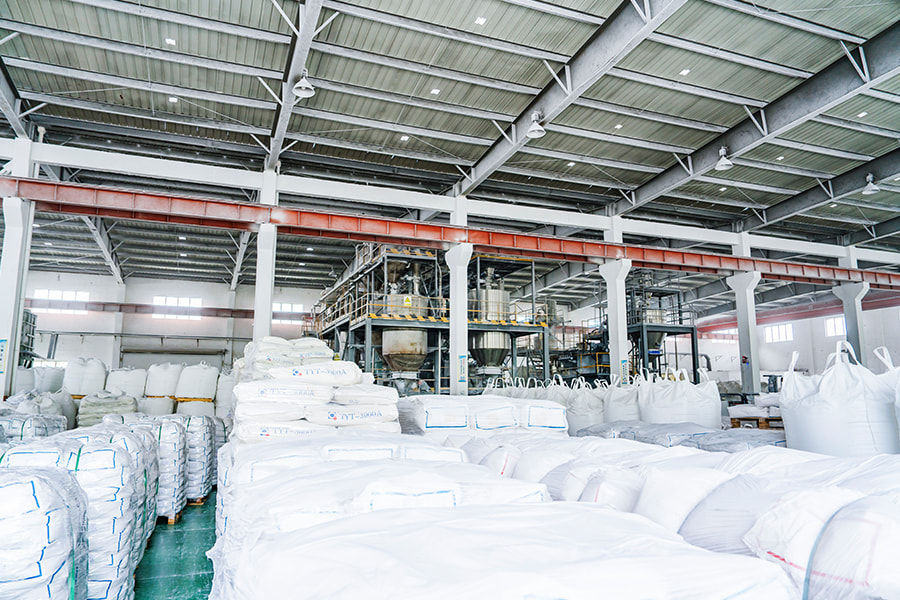
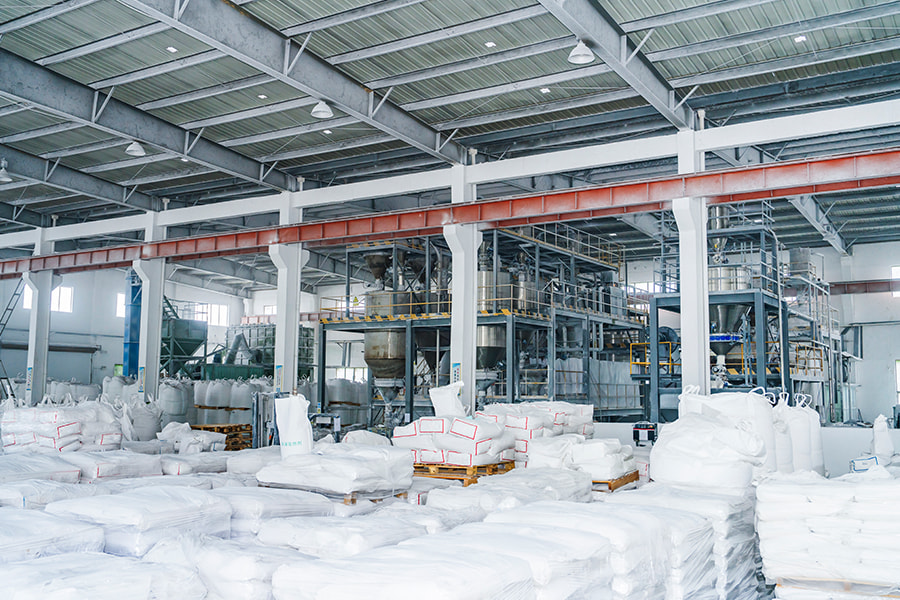
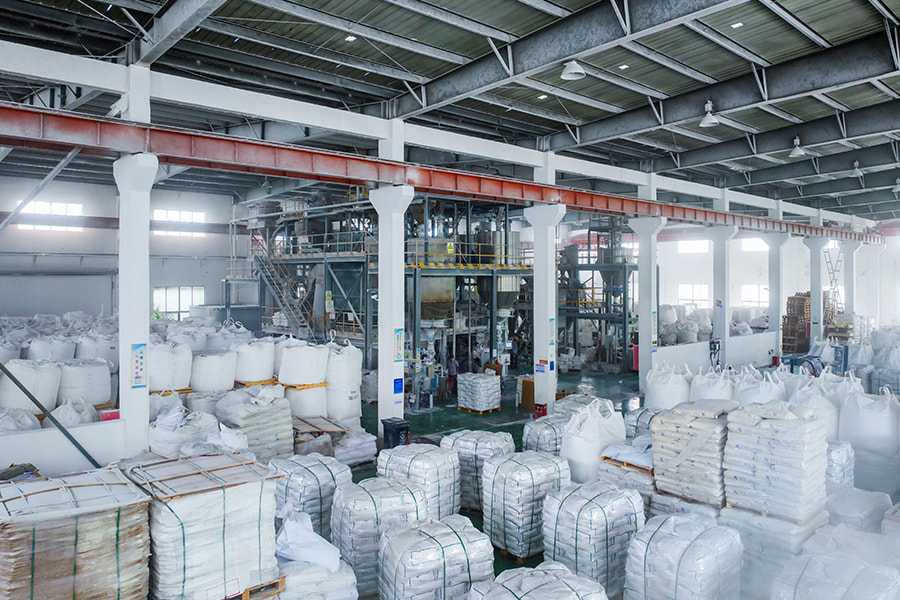
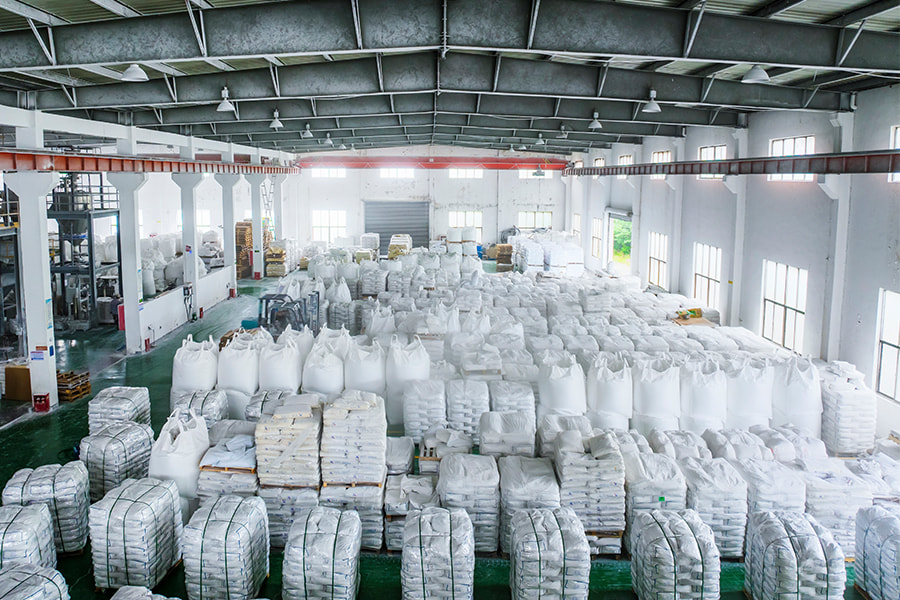
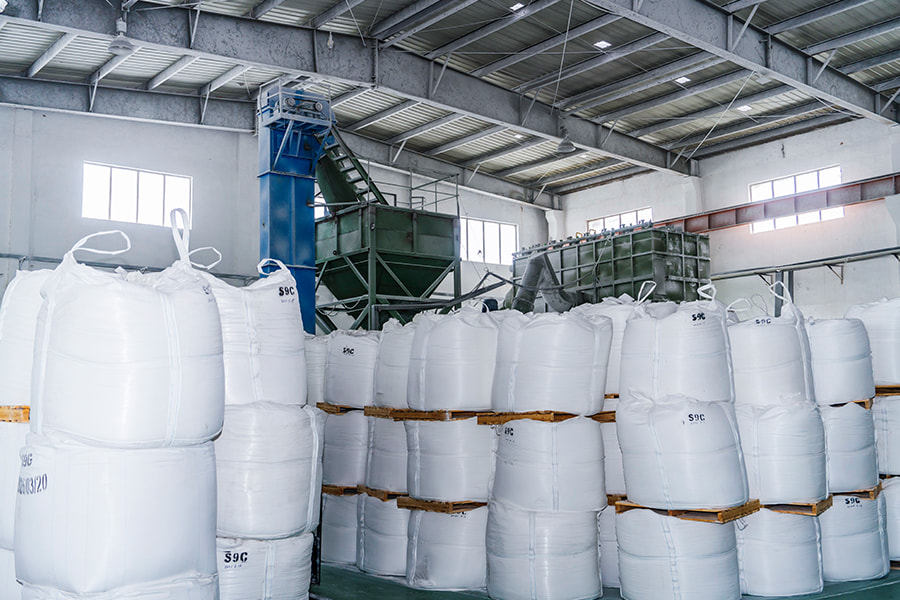
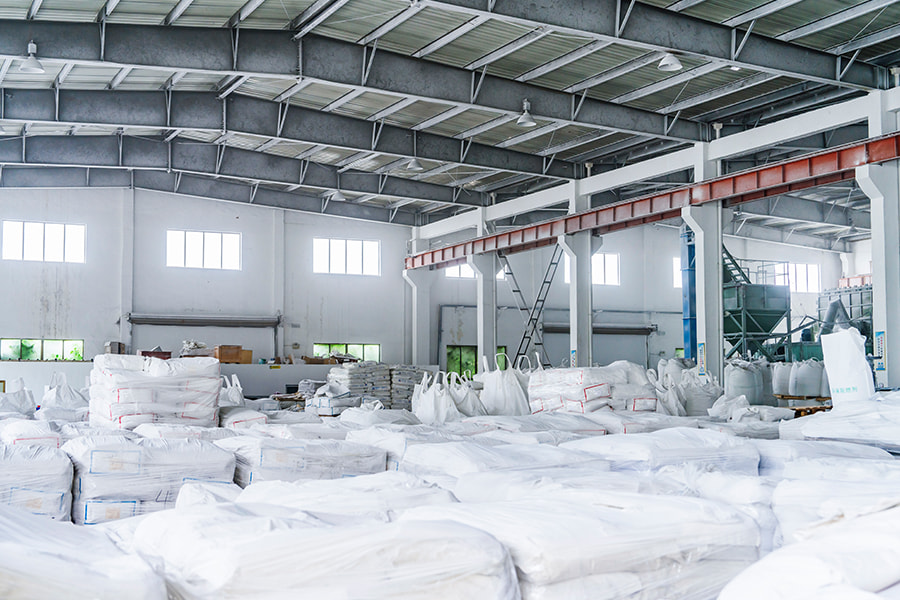
Jiangsu Zhuofeng New Materials Technology Co., Ltd. was established in 2020. It is a supplier specializing in the research, production, and marketing of high-performance and environmentally friendly flame retardants. The company's main products include environmentally friendly flame retardants, flame retardant masterbatches, char-forming agents, composite flame retardants, magnesium oxide, etc. E-conductive TPE Manufacturers and E-conductive TPE Factory. Relying on mature products and process technologies as well as standardized management, the company has established several mature high-purity, ultra-fine, and cost-effective flame retardant production lines, established a flame retardant polymer material application testing laboratory, and has carried out industry-university-research cooperation to develop and optimize flame retardant products. The founding team of Zhuofeng Technology has gathered a group of talents who have long been engaged in the research, production, marketing, and management of various functional materials. They can provide users with prompt technical support for application use. At Zhuofeng Technology, we are dedicated to meeting our customers' needs by delivering stable, high-performance, and environmentally friendly flame-retardant product lines. Custom E-conductive TPE. Company strength data: Industry Experience: 6 years; Plant Scale: 18,000 square meters; Production Capacity:20000 tons.
-
2020Year
Establishment
-
18000m²
Plant Area
-
20000ton
Production Capacity
 Read More

Factory Show
Message Feedback
Industry Insights and Updates
-
2026-09-03Industry News
-
2026-08-28Industry News
-
2026-08-19Industry News
Industry Knowledge
Industry Knowledge
Why Conductive Filler Networks Complicate Flame Retardant Loading in TPE
Electrically conductive TPE depends on carbon black, carbon nanotubes, or metal-coated fillers forming a continuous percolation network throughout the polymer matrix, and this network is mechanically and spatially disrupted by the simultaneous presence of a second, unrelated filler system like flame retardant additives. Adding flame retardant particles at typical loading levels can dilute the conductive filler's effective concentration below its percolation threshold, causing conductivity to drop sharply even when the flame retardant loading itself seems modest in isolation. This interaction means conductive flame retardant TPE formulation cannot be approached as two independent additive systems layered on top of a base resin; the two filler networks compete for the same volume and need to be balanced jointly from the earliest stages of development.
Key formulation tensions between conductivity and flame retardancy
- Flame retardant particles occupying matrix volume can physically interrupt conductive filler contact points needed to sustain the percolation network
- Higher conductive filler loading, sometimes needed to compensate for dilution, can itself interfere with flame retardant char formation or gas-phase mechanisms
- Processing shear conditions optimized for one filler's dispersion may not be ideal for the other, requiring compromise screw and temperature settings
- Surface resistivity targets and flame rating targets often need to be validated together rather than sequentially, since achieving one in isolation does not guarantee the other still holds
Surface and volume resistivity should always be re-measured after flame retardant is added to a previously qualified conductive formulation, since even a modest flame retardant addition can shift resistivity by an order of magnitude if it pushes the conductive network below its percolation threshold.
Selecting Flame Retardant Chemistry That Minimizes Interference With Conductive Networks
Not all flame retardant chemistries interfere with conductive filler networks to the same degree, and this difference is an important factor when selecting a system for electrically conductive TPE applications. Lower-loading flame retardants such as red phosphorus or certain intumescent synergist combinations generally displace less matrix volume than high-loading mineral hydroxide systems, making them comparatively easier to integrate without pushing conductive filler concentration below its percolation threshold, though tradeoffs in color and cost still apply.
Relative compatibility of flame retardant chemistries with conductive TPE
| Flame Retardant Type | Typical Loading | Conductivity Impact |
| Magnesium Hydroxide | 50-60% | High, often requires conductive filler re-optimization |
| Red Phosphorus (encapsulated) | 8-15% | Moderate, more manageable at typical loading |
| Intumescent (APP-based) with synergist | 20-30% | Moderate to high, depends on particle size |
Beyond loading level, particle size and shape also matter; plate-like or fibrous conductive fillers such as carbon nanotubes tend to be more sensitive to network disruption from added flame retardant particles than spherical conductive fillers like conductive carbon black, so the specific conductive filler already in use should factor into flame retardant selection.
Compounding Sequence and Mixing Strategy for Dual-Filler Conductive Flame Retardant Systems
The order and method of introducing conductive and flame retardant fillers during compounding can meaningfully affect final network formation, since conductive percolation networks are sensitive to shear history in ways that simple filled compounds are not. Excessive shear after the conductive network has formed can break down filler-to-filler contacts, while insufficient shear during flame retardant incorporation can leave poor dispersion that creates localized weak points in both electrical and flame performance.
Compounding approaches used to manage dual-filler dispersion
- Introducing flame retardant additives earlier in the compounding sequence, before conductive filler network formation, in some formulations to avoid disrupting an already-formed network
- Using masterbatch pre-dispersion for one or both filler systems to reduce the shear intensity needed during final compounding
- Monitoring torque and mixing energy during compounding as an indirect indicator of network formation, since unexpected torque changes can signal filler interaction issues
- Conducting resistivity measurement immediately after compounding and again after molding, since network structure can shift again during the injection or extrusion step
Because optimal compounding sequence can differ depending on the specific conductive and flame retardant filler combination selected, formulation development for these dual-filler systems generally benefits from iterative trial work with application testing support rather than assuming a standard compounding order will transfer directly from single-filler experience.
Static Dissipative Versus Fully Conductive Targets and Their Flame Retardant Formulation Implications
Conductive TPE applications span a wide resistivity range, from static dissipative materials used in electronics packaging and handling equipment to fully conductive materials used in EMI shielding or grounding applications, and the specific target range significantly affects how much formulation flexibility exists for incorporating flame retardant additives. Static dissipative formulations, which typically require lower conductive filler loading to reach their target resistivity range, generally leave more matrix volume available for flame retardant addition without risking a drop below the percolation threshold, compared to fully conductive formulations that already operate close to their conductive filler's practical loading ceiling.
Formulation flexibility considerations by resistivity target
- Static dissipative range (10^6 to 10^9 ohm-cm) generally allows more flame retardant formulation flexibility due to lower baseline conductive filler loading
- Fully conductive range (below 10^3 ohm-cm) often requires flame retardant chemistry and loading to be selected specifically to minimize network disruption
- EMI shielding applications may prioritize conductivity performance to the point where flame retardant loading needs to be minimized even at some cost premium for a more efficient chemistry
- Confirming the actual target resistivity range early in the sourcing conversation helps the flame retardant supplier recommend an appropriate chemistry class from the outset
Buyers should specify their target resistivity range as precisely as possible rather than using general terms like "conductive" or "anti-static," since the practical flame retardant formulation options differ substantially between the static dissipative and fully conductive ends of the spectrum.
Testing Sequence for Qualifying Flame Retardant Grades in Conductive TPE Development
Because conductive and flame retardant properties interact rather than functioning independently, an effective qualification testing sequence for a new flame retardant grade in conductive TPE needs to evaluate both properties together at each formulation iteration rather than optimizing one property to completion before addressing the other. Testing flame performance first and then attempting to restore conductivity afterward, or the reverse, often leads to a formulation that satisfies neither requirement adequately once both are finally evaluated together.
Recommended parallel testing sequence
- Establish baseline conductive filler loading and resistivity without flame retardant present, confirming stable percolation behavior first
- Introduce flame retardant at incremental loading levels, measuring both resistivity and flame performance at each step rather than only at the final target loading
- Identify the loading level where resistivity begins to drift outside the acceptable range, establishing a practical ceiling for flame retardant addition
- Adjust conductive filler loading or type if the flame retardant ceiling identified is below what is needed to reach the target flame rating, rather than continuing to push flame retardant loading past the point of resistivity failure
This incremental, parallel testing approach takes more development time upfront than sequential optimization but generally reaches a workable formulation faster overall, since it avoids the wasted cycles of discovering a fundamental incompatibility only after one property has already been fully optimized.
Batch-to-Batch Consistency Requirements Are Higher for Dual-Filler Conductive Flame Retardant Compounds
Conductive TPE applications, particularly those used in electronics handling or EMI shielding where resistivity tolerance windows can be narrow, are generally less forgiving of raw material variability than standard flame retardant compounds where flame rating either passes or fails with less sensitivity to minor loading fluctuations. When flame retardant loading varies slightly between production batches, the corresponding shift in conductive filler dilution can push resistivity outside the customer's specified window even if the flame retardant loading itself remains technically within its own tolerance band.
Quality control practices that support dual-property consistency
- Tightening flame retardant loading tolerance specifications specifically for conductive TPE programs, beyond what would be required for standard flame retardant compounds
- Requesting resistivity testing as a standard batch release criterion, not only flame performance and mechanical properties
- Reviewing historical batch data for correlation between flame retardant loading variation and resistivity drift to identify the practical tolerance window needed
- Establishing a tighter incoming inspection protocol for flame retardant raw material lots used in conductive TPE production compared to general-purpose flame retardant programs
Working with a flame retardant supplier that maintains consistent, tightly controlled production processes across its high-purity and ultra-fine grade lines is particularly valuable for conductive TPE programs, since the interaction between the two filler systems amplifies the practical consequences of even modest batch-to-batch loading variation.
Let'S Work Together Welcome Aboard!
-
Oversea Sales: mayuqin@zhuofengfr.com
Company email: rikkima@zhuofengfr.com
-
WhatsApp: +86 18105180388
-
Address: No. 5, Wutai Road, Dongba Street, Gaochun District, Nanjing City, Jiangsu Province, China
Join Our Mailing List
Product Categories
Quick Links
Quick Links
Copyright © Jiangsu Zhuofeng New Materials Technology Co., Ltd.
All Rights Reserved.
 E-conductive TPE Factory
E-conductive TPE Factory