
 English
 Tiếng Việt

product
product
product
product
product
product
product
product
product
product
product
product
product
product
product
product

Product Category
Contact us
Charring Agent Manufacturers
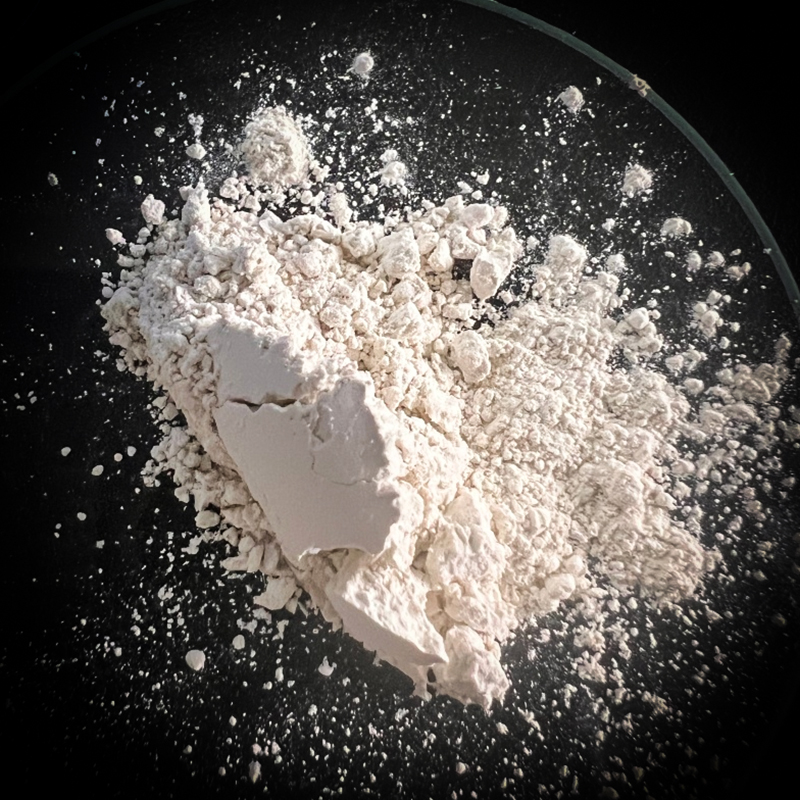
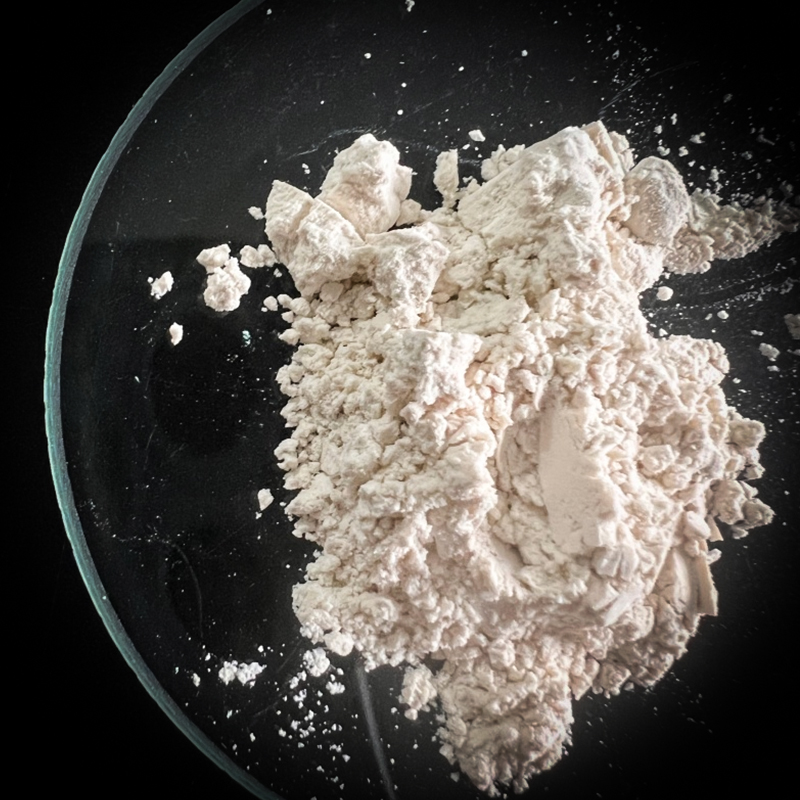
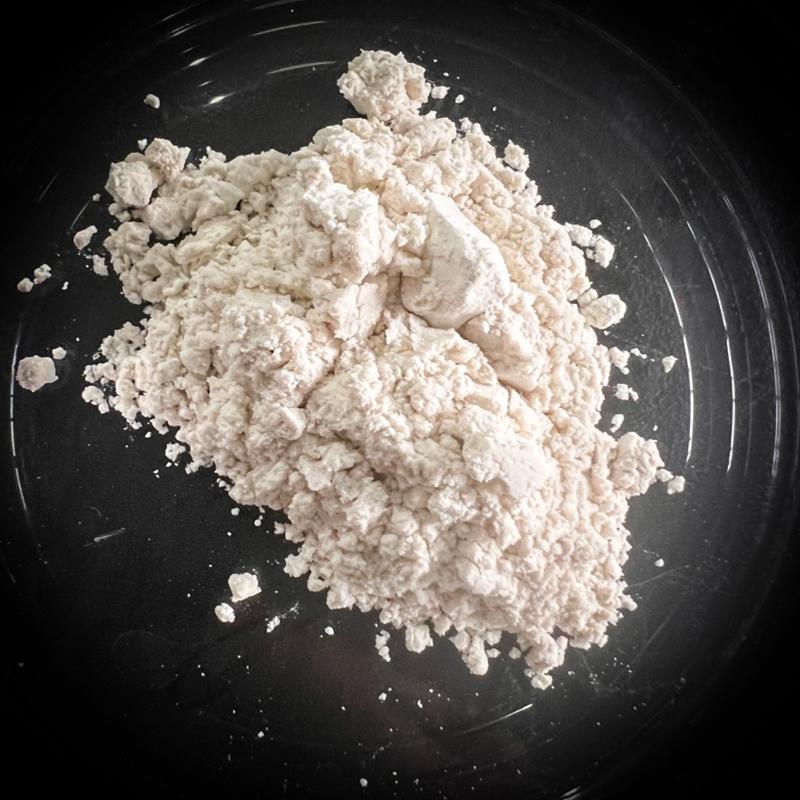
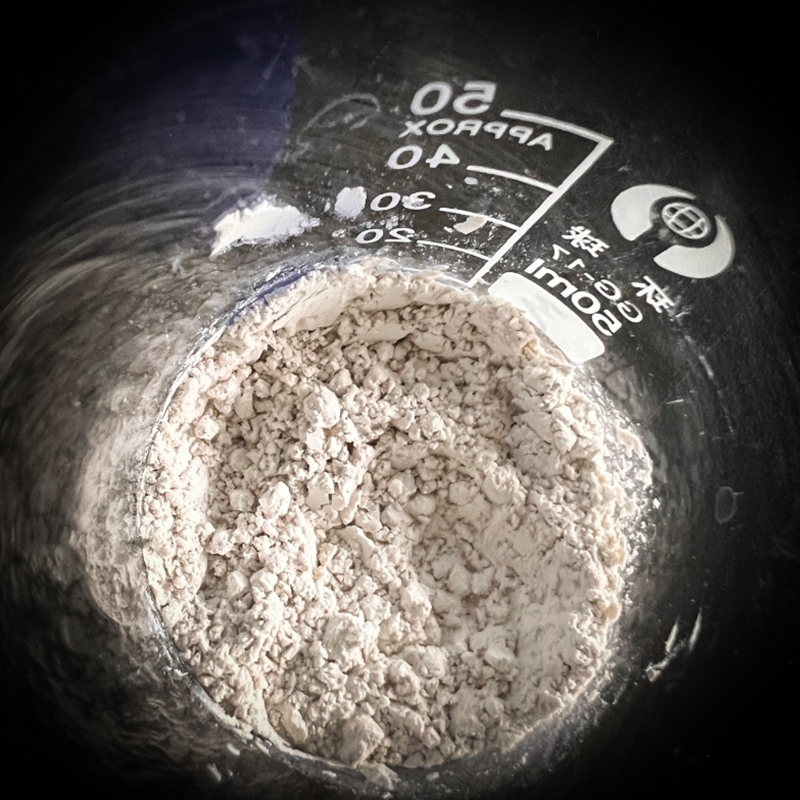
Jiangsu Zhuofeng New Materials Technology Co., Ltd.
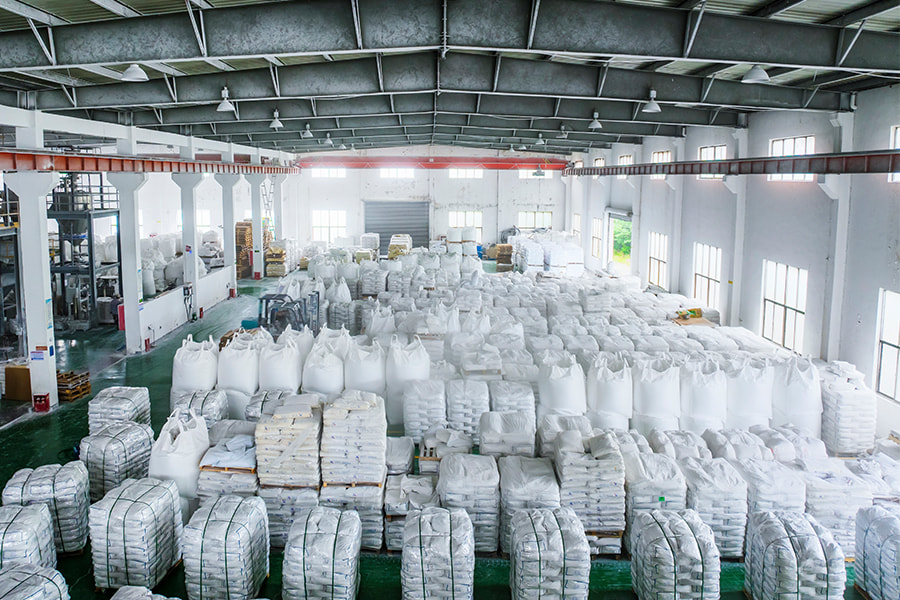
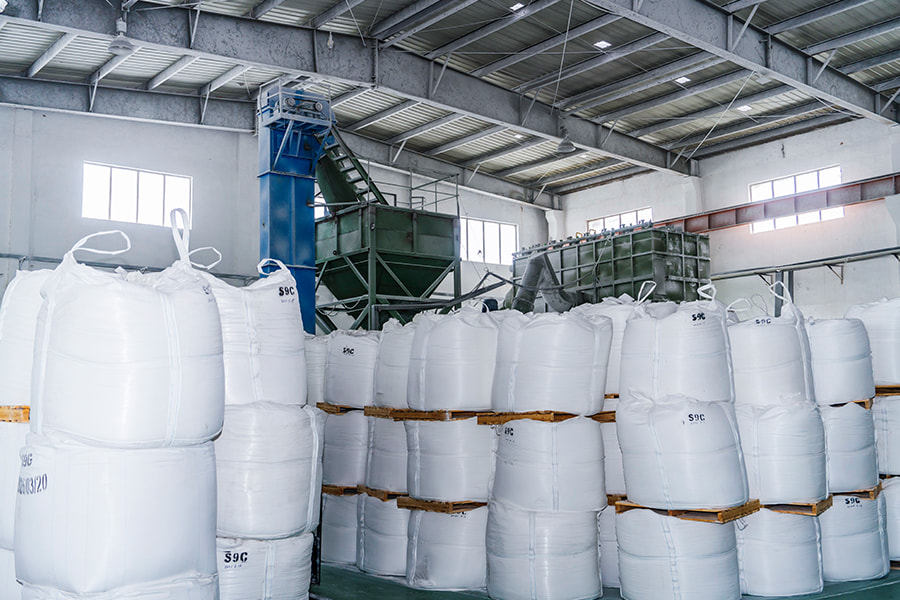
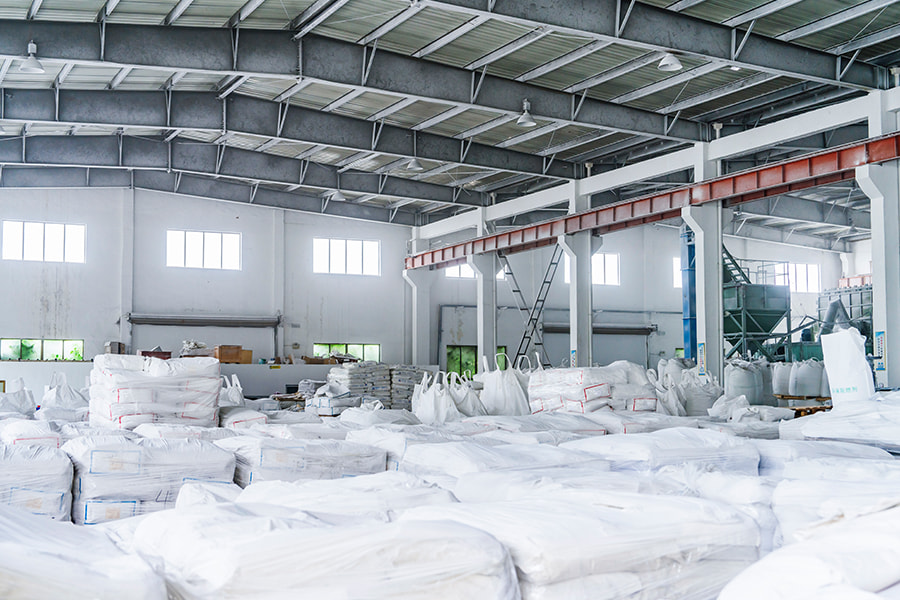
Jiangsu Zhuofeng New Materials Technology Co., Ltd. was established in 2020. It is a supplier specializing in the research, production, and marketing of high-performance and environmentally friendly flame retardants. The company's main products include environmentally friendly flame retardants, flame retardant masterbatches, char-forming agents, composite flame retardants, magnesium oxide, etc. Charring Agent Manufacturers and Charring Agent Suppliers. Relying on mature products and process technologies as well as standardized management, the company has established several mature high-purity, ultra-fine, and cost-effective flame retardant production lines, established a flame retardant polymer material application testing laboratory, and has carried out industry-university-research cooperation to develop and optimize flame retardant products. The founding team of Zhuofeng Technology has gathered a group of talents who have long been engaged in the research, production, marketing, and management of various functional materials. They can provide users with prompt technical support for application use. At Zhuofeng Technology, we are dedicated to meeting our customers' needs by delivering stable, high-performance, and environmentally friendly flame-retardant product lines. Custom Charring Agent. Company strength data: Industry Experience: 6 years; Plant Scale: 18,000 square meters; Production Capacity:20000 tons.
-
2020Year
Establishment
-
18000m²
Plant Area
-
20000ton
Production Capacity
 Read More
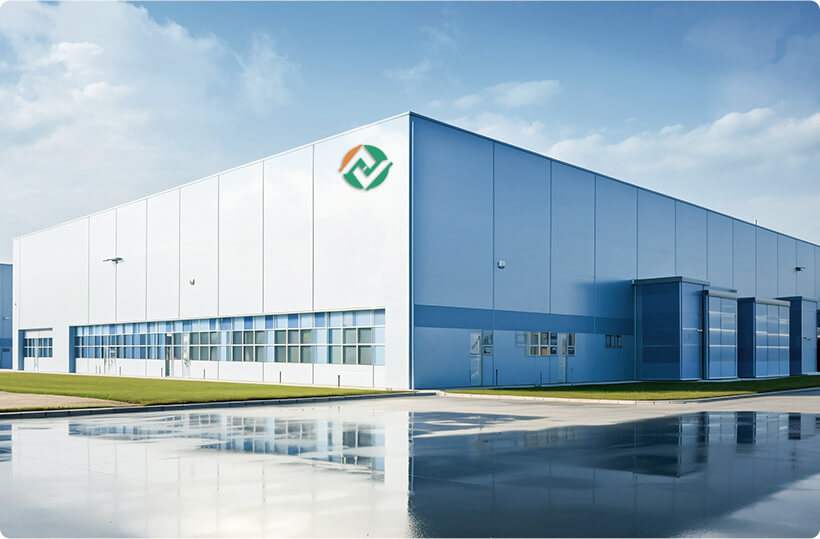
Factory Show
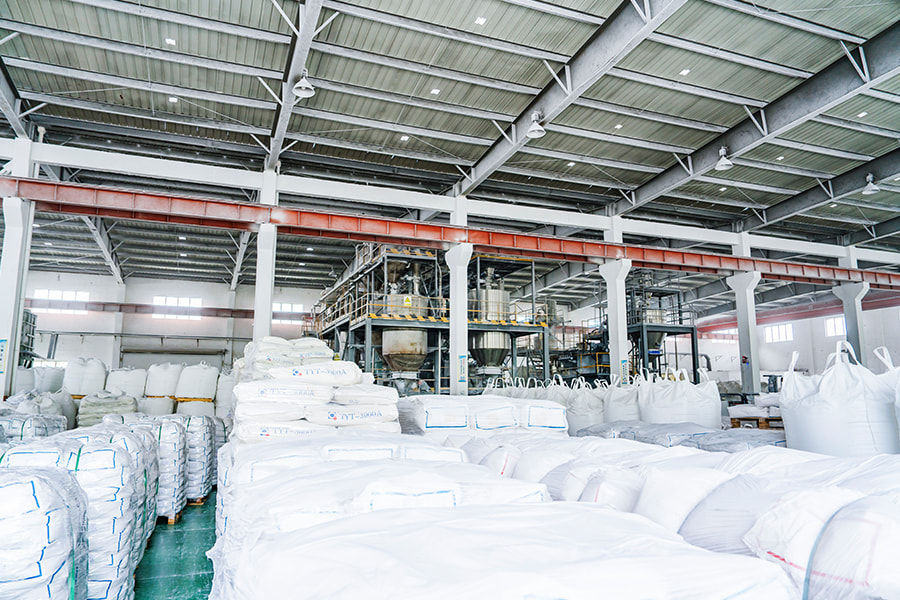
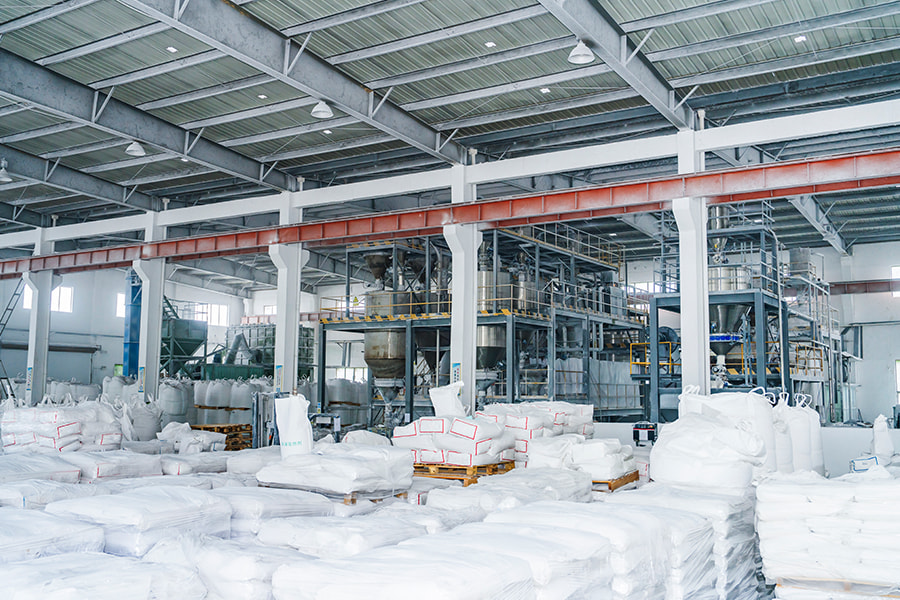
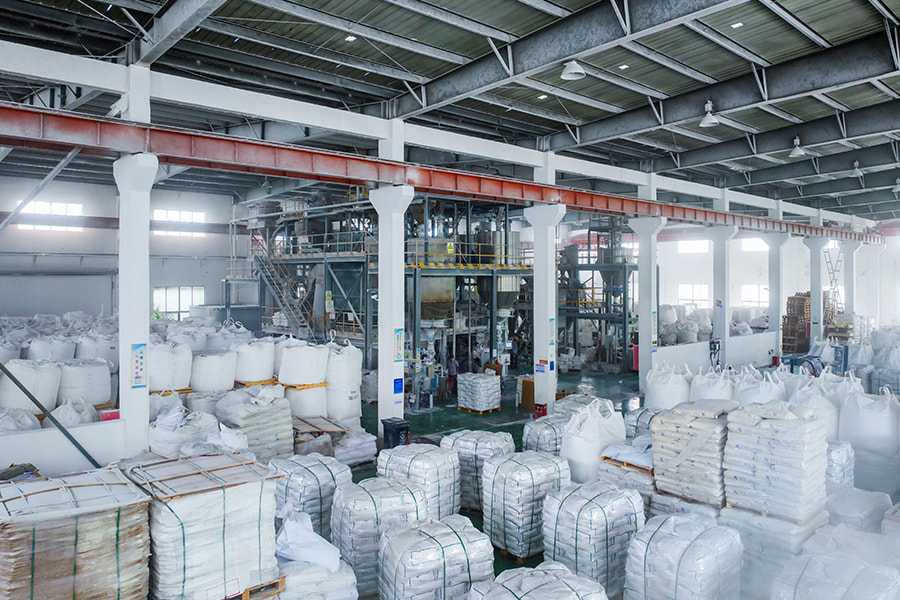
Message Feedback
Industry Insights and Updates
-
2026-09-03Industry News
-
2026-08-28Industry News
-
2026-08-19Industry News
Industry Knowledge
Industry Knowledge
How Charring Agent Purity Affects Char Layer Color and Insulation Value
Charring agent purity is usually discussed in terms of reaction efficiency, but at Jiangsu Zhuofeng New Materials Technology Co., Ltd. we've found that purity also shows up in a less obvious place: the physical quality of the char layer itself once combustion testing is complete. Lower-purity pentaerythritol or related polyol charring agents often contain residual reaction byproducts that interfere with uniform carbonization, producing a char layer with visible dark streaking, uneven density, or localized thin spots rather than a consistent protective crust. These inconsistencies aren't just cosmetic; thin spots in the char layer create direct pathways for heat transfer to the underlying substrate, undermining the insulation value the intumescent system is supposed to provide.
Testing char uniformity typically involves cross-sectioning a burned sample and examining the char layer's thickness consistency under low magnification, alongside measuring back-face temperature during a controlled burn to quantify actual insulation performance rather than relying on visual inspection alone. Formulators troubleshooting inconsistent fire test results, particularly when a formulation passes on some samples but fails on others from the same production batch, should consider char uniformity testing before assuming the issue lies elsewhere in the formulation.
Moisture Content: A Frequently Overlooked Variable
Charring agents, particularly polyol-based types, are hygroscopic to varying degrees, and moisture absorbed during storage or transport can quietly degrade both processing behavior and final flame performance. Excess moisture entering the melt during extrusion can cause localized foaming or surface defects, while moisture trapped within the charring agent particle can interfere with the dehydration reaction that forms the carbon skeleton, since some of the available heat energy gets consumed evaporating water rather than driving the intended chemical reaction.
- Store charring agents in sealed, moisture-barrier packaging rather than standard woven bags, particularly in humid climates or coastal facilities
- Request moisture content specification on every batch certificate, not just as a general product data sheet value
- Consider a drying step before compounding if raw material has been stored for extended periods or transported through humid conditions
Charring Agent Particle Size and Its Effect on Reaction Onset Timing
Particle size influences charring agent performance in a way that's easy to overlook when comparing suppliers primarily on chemical purity. Smaller particles offer greater surface area, which allows faster and more complete reaction with the acid source during the critical early stage of combustion when char needs to form quickly enough to interrupt fuel release. Coarser particles react more slowly and can leave unreacted material embedded within the forming char, reducing overall char yield even when total loading and chemical purity are identical to a finer grade.
| Particle Size Range | Reaction Speed | Best Suited For |
|---|---|---|
| Coarse (D50 above 80 microns) | Slower, may leave unreacted residue | Thick-section parts with slower burn exposure |
| Medium (D50 30-80 microns) | Balanced, standard for general use | General cable, profile, and molded parts |
| Fine (D50 below 30 microns) | Fast, more complete reaction | Thin-wall parts needing rapid char formation |
Because finer particles also increase melt viscosity at high loading, the right particle size is ultimately a balance between reaction speed and processability, one that's worth validating through direct trial rather than defaulting to the finest available grade on the assumption that faster reaction is always better.
Building a Reliable Testing Protocol When Qualifying a New Charring Agent Source
Switching charring agent suppliers, even to a source claiming an identical specification, carries enough risk that a structured qualification protocol is worth the upfront time investment. Beyond basic purity and particle size verification, a thorough protocol should include side-by-side cone calorimeter testing against the incumbent material in the actual target formulation, since lab-scale flame testing alone doesn't always reveal differences in melt processing behavior that only appear at production shear rates and residence times.
Our team at Jiangsu Zhuofeng New Materials Technology Co., Ltd. frequently supports customers through exactly this kind of qualification process, running comparative trials in our application testing laboratory before a customer commits to switching production volume to a new source. When evaluating Charring Agent Manufacturers for a qualification project, it's worth confirming upfront whether the manufacturer can supply test quantities matched closely to your actual production batch size, since scaling directly from a small lab sample to full production volume sometimes surfaces processing issues that a proper intermediate trial would have caught. For buyers comparing Suppliers on a longer list of candidates, prioritizing those willing to participate actively in this kind of joint testing tends to correlate strongly with fewer surprises after the switch is finalized.
Let'S Work Together Welcome Aboard!
-
Oversea Sales: mayuqin@zhuofengfr.com
Company email: rikkima@zhuofengfr.com
-
WhatsApp: +86 18105180388
-
Address: No. 5, Wutai Road, Dongba Street, Gaochun District, Nanjing City, Jiangsu Province, China
Join Our Mailing List
Product Categories
Quick Links
Quick Links
Copyright © Jiangsu Zhuofeng New Materials Technology Co., Ltd.
All Rights Reserved.
 Charring Agent Suppliers
Charring Agent Suppliers