
 English
 Tiếng Việt

product
product
product
product
product
product
product
product
product
product
product
product
product
product
product
product

Sepiolite
Product Category
Contact us
Sepiolite Clay Powder Manufacturers
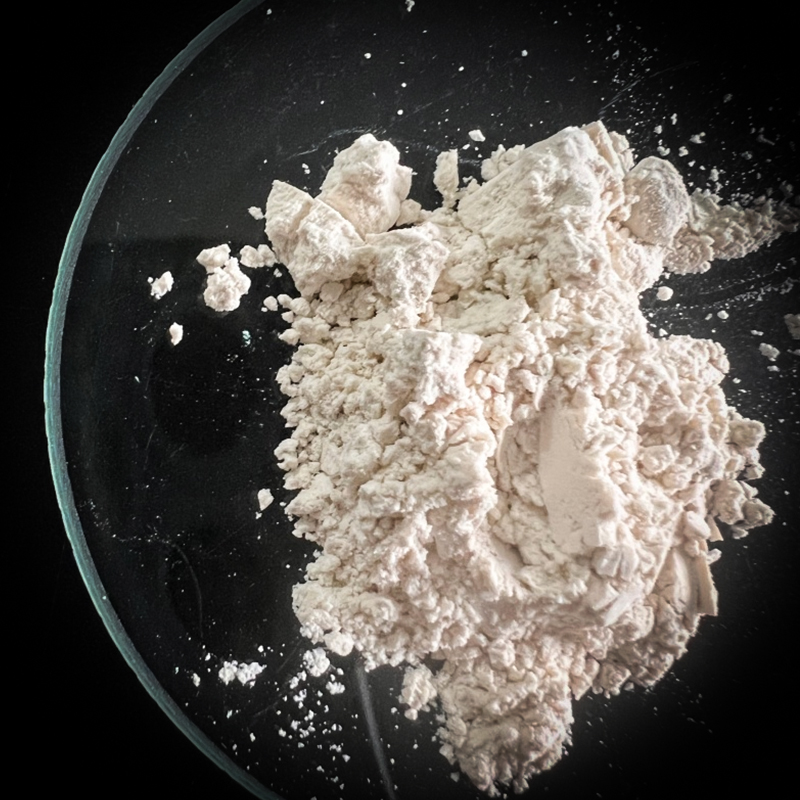
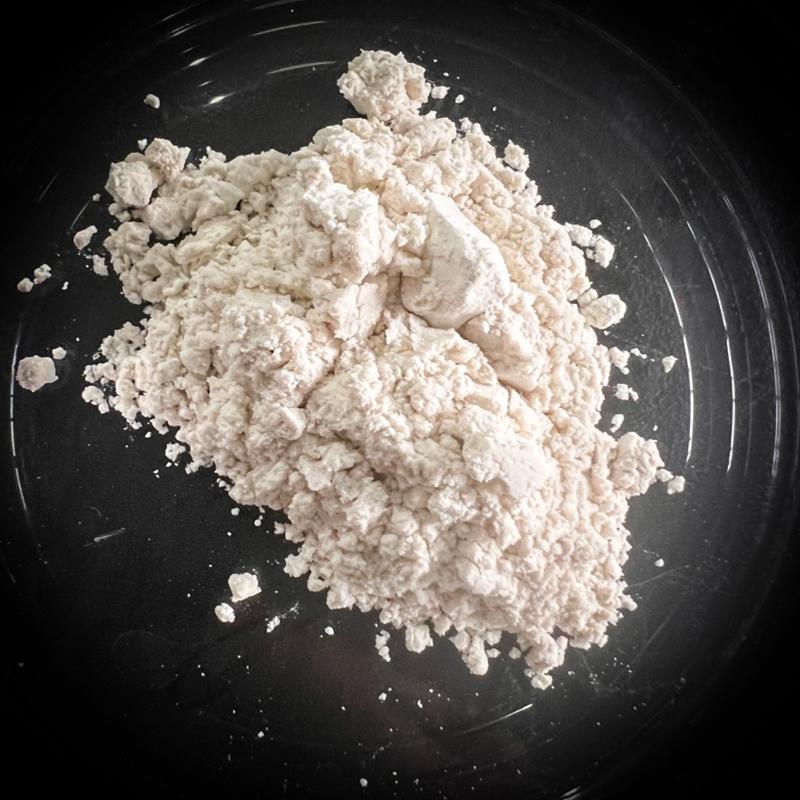
Jiangsu Zhuofeng New Materials Technology Co., Ltd.
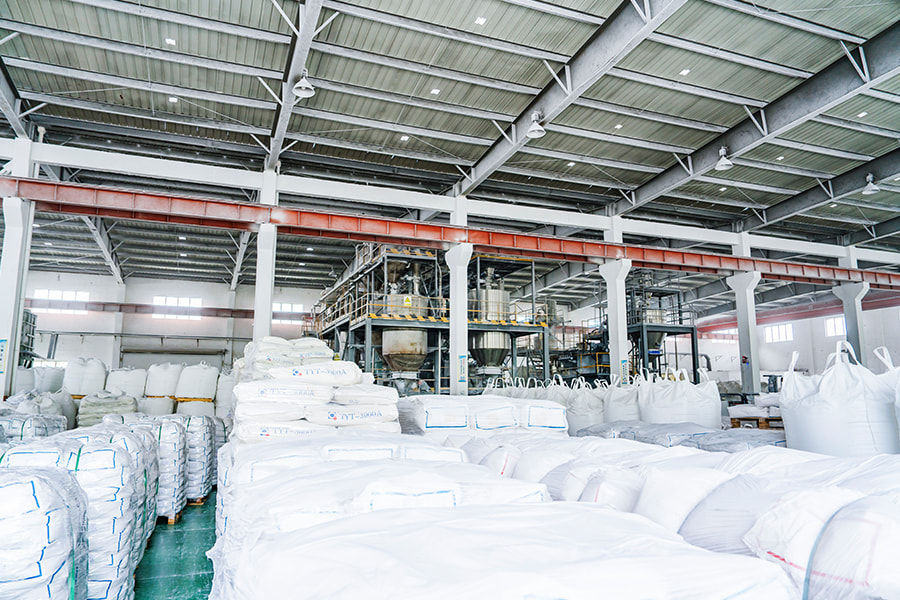
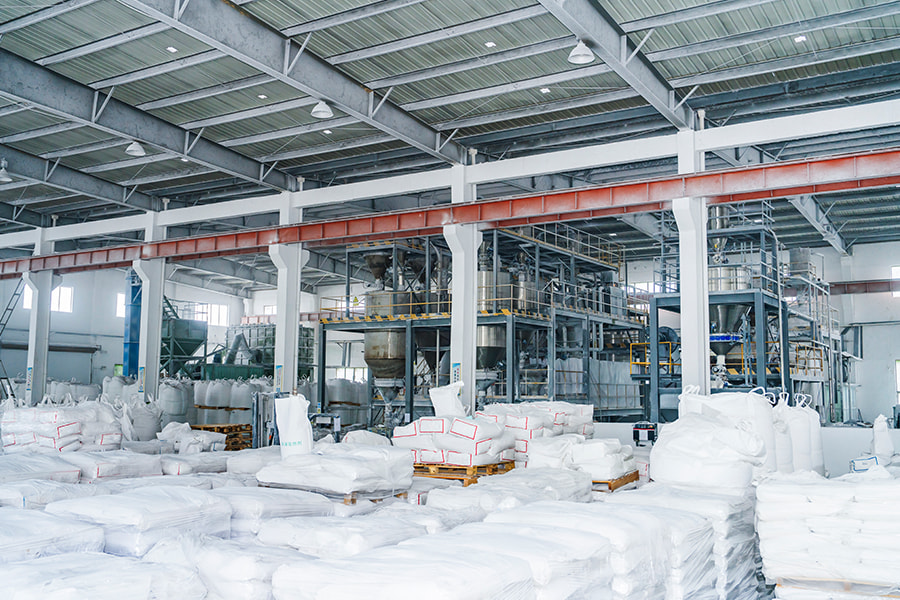
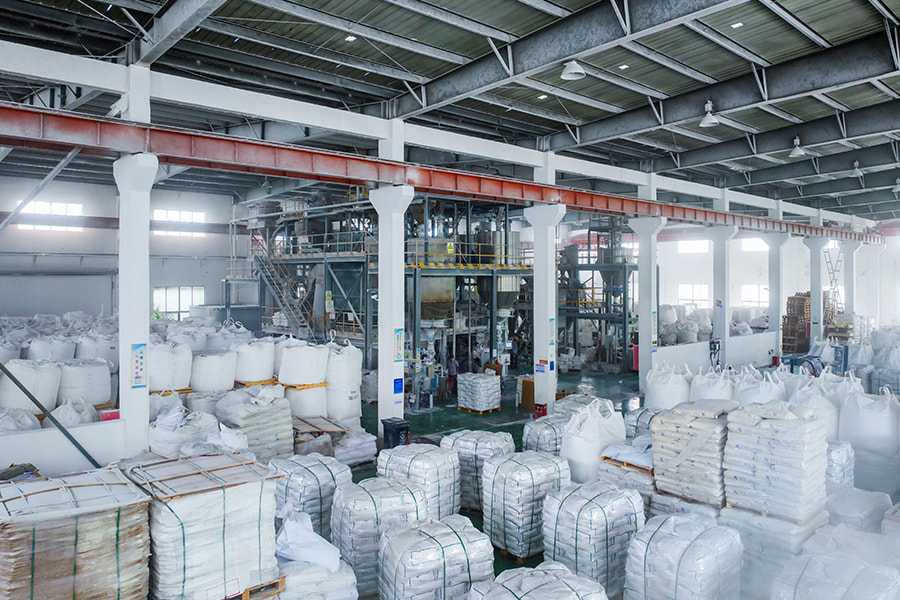
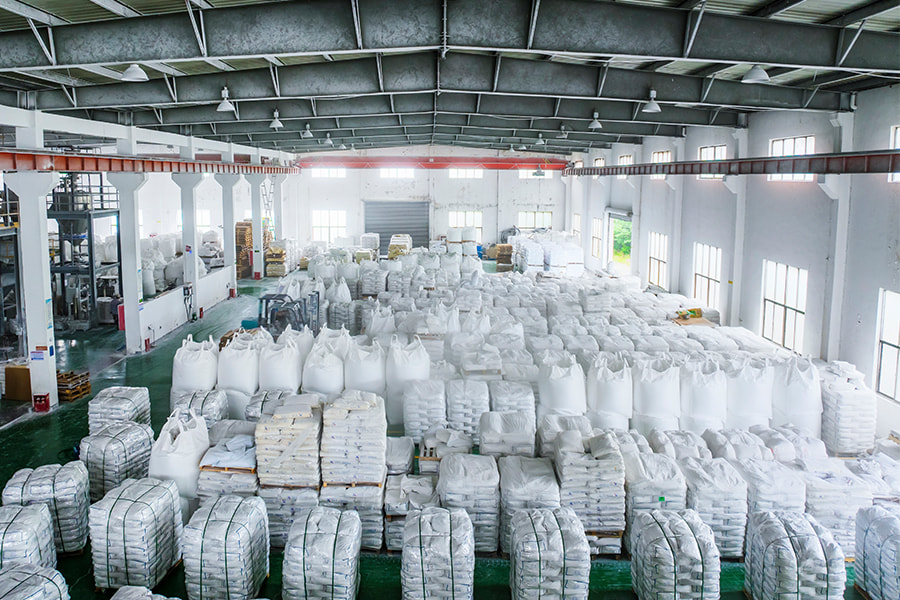
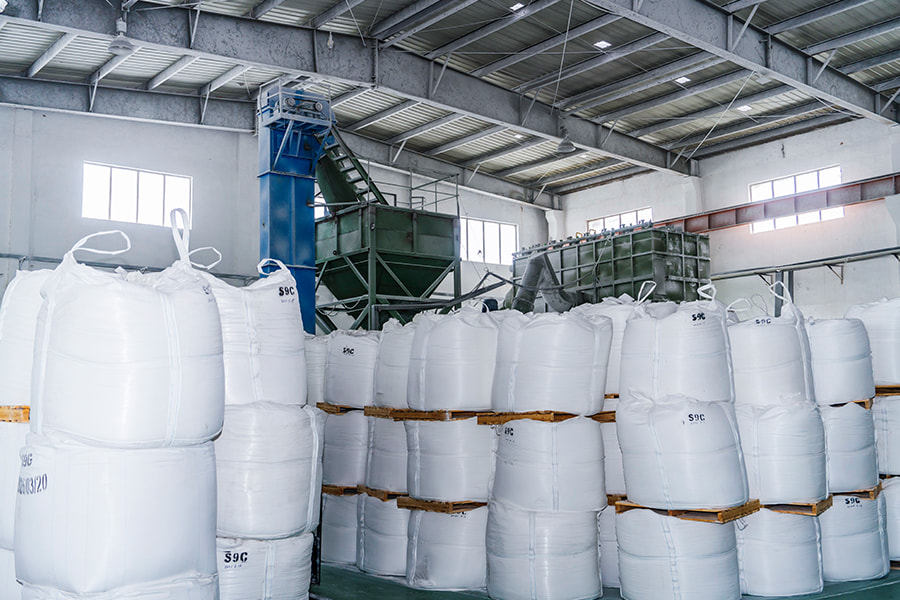
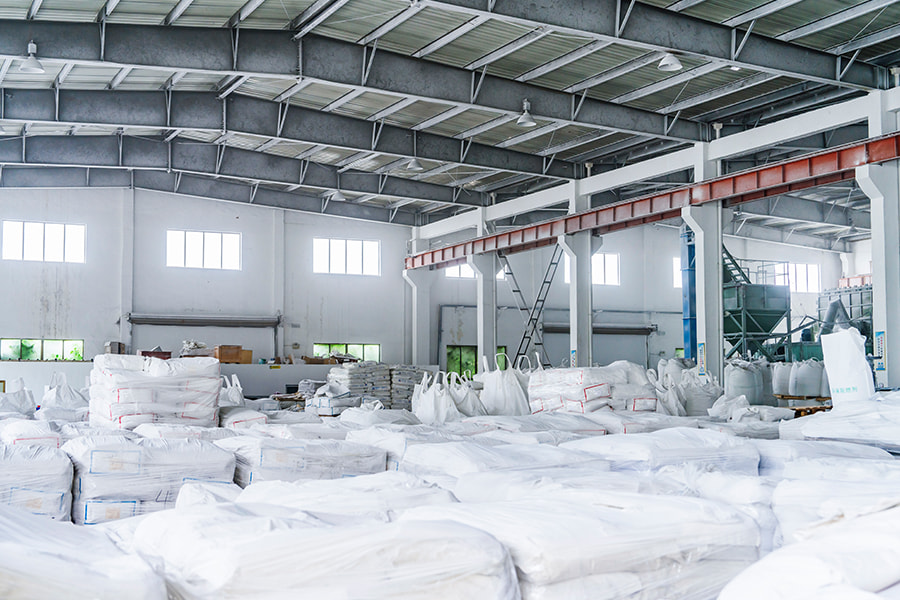
Jiangsu Zhuofeng New Materials Technology Co., Ltd. was established in 2020. It is a supplier specializing in the research, production, and marketing of high-performance and environmentally friendly flame retardants. The company's main products include environmentally friendly flame retardants, flame retardant masterbatches, char-forming agents, composite flame retardants, magnesium oxide, etc. Sepiolite Clay Powder Manufacturers and Sepiolite Powder Factory. Relying on mature products and process technologies as well as standardized management, the company has established several mature high-purity, ultra-fine, and cost-effective flame retardant production lines, established a flame retardant polymer material application testing laboratory, and has carried out industry-university-research cooperation to develop and optimize flame retardant products. The founding team of Zhuofeng Technology has gathered a group of talents who have long been engaged in the research, production, marketing, and management of various functional materials. They can provide users with prompt technical support for application use. At Zhuofeng Technology, we are dedicated to meeting our customers' needs by delivering stable, high-performance, and environmentally friendly flame-retardant product lines. Bulk Wholesale Sepiolite Powder. Company strength data: Industry Experience: 6 years; Plant Scale: 18,000 square meters; Production Capacity:20000 tons.
-
2020Year
Establishment
-
18000m²
Plant Area
-
20000ton
Production Capacity
 Read More

Factory Show
Message Feedback
Industry Insights and Updates
-
2026-09-17Industry News
-
2026-09-14Industry News
-
2026-09-08Industry News
Industry Knowledge
Industry Knowledge
Why Sepiolite's Fibrous Structure Behaves Differently From Platy Clays in Flame Retardant Systems
Sepiolite stands apart from layered clays like montmorillonite because of its needle-like fibrous morphology rather than a stacked platelet structure, and this geometric difference changes how it performs once dispersed in a polymer matrix. At Jiangsu Zhuofeng New Materials Technology Co., Ltd., we point formulators toward sepiolite specifically when a compound needs rheology control alongside flame retardant reinforcement, since the fiber structure creates a three-dimensional network within the melt that platy clays don't replicate in the same way. This network effect improves melt strength and can reduce dripping during combustion, which matters directly for UL94 vertical burn testing, where flaming drips that ignite a cotton indicator below the sample cause an automatic test failure regardless of how well the material otherwise resists ignition.
Because sepiolite's fibers don't require the same exfoliation process that platy clays depend on for performance, dispersion is generally more forgiving during compounding, though high-shear mixing is still needed to break down fiber bundles into individual or smaller fiber aggregates. Under-dispersed sepiolite behaves more like a coarse filler with limited reinforcement benefit, so screw design and residence time still deserve attention even though the process isn't as sensitive as clay exfoliation.
Anti-Dripping Performance Across Common Flame Retardant Systems
| System | Dripping Tendency | Typical Sepiolite Benefit |
|---|---|---|
| Intumescent PP, no anti-drip additive | High | Significant reduction, aids V-0 pass rate |
| Mineral-filled PE compound | Moderate | Improved melt strength during burn testing |
| Char-forming agent-based system | Low to moderate | Reinforces char layer structure, reduces cracking |
Formulators dealing with intermittent UL94 failures caused by dripping, particularly in intumescent systems where the char layer hasn't yet stabilized when the drip forms, often find that introducing even a modest sepiolite loading of 2-4% resolves the issue without requiring a full reformulation of the primary flame retardant package.
Rheology Control: Sepiolite's Role Beyond Flame Retardancy
Sepiolite's high surface area and fibrous structure also make it useful as a rheology modifier in liquid and paste-based flame retardant coatings, where it prevents pigment and filler settling during storage without significantly increasing viscosity at the shear rates used during application. This dual functionality, structural reinforcement in solid compounds and thixotropic control in liquid systems, is part of why sepiolite shows up across a wider range of flame retardant product formats than most other functional fillers.
- Low shear conditions (storage, transport): fiber network builds viscosity, preventing settling and separation
- High shear conditions (spraying, brushing, mixing): network breaks down temporarily, allowing smooth application
- Network reforms once shear stops, restoring stability during storage between production batches
This behavior needs to be tuned to the specific formulation's solids content and other rheology modifiers already present, since combining sepiolite with certain thickeners can produce excessive viscosity that interferes with application equipment rather than improving stability.
Sourcing Considerations for Sepiolite at Industrial Volume
Fiber length distribution is one of the most consequential specifications to verify when sourcing sepiolite, since overly short fibers lose much of the network-forming benefit that drives both anti-dripping performance and rheology control, while overly long fibers can be difficult to disperse evenly without excessive shear. A supplier's processing method, whether wet or dry milling, directly affects fiber length preservation, and this is worth asking about directly rather than assuming all sepiolite processing routes produce comparable results.
Reliable Sepiolite Clay Powder Manufacturers should be able to provide fiber length distribution data alongside standard purity and particle size specifications, since this is the detail most likely to explain inconsistent performance between batches that otherwise look identical on a basic data sheet. Jiangsu Zhuofeng New Materials Technology Co., Ltd. evaluates sepiolite raw material through its application testing laboratory before it's qualified for production formulations, helping ensure fiber structure and dispersion behavior remain consistent across supply runs. For buyers sourcing Bulk Wholesale Sepiolite Powder for recurring production needs, requesting sample batches for in-house rheology or anti-dripping trials before committing to volume remains the most reliable way to confirm a new source will perform as expected once integrated into an established formulation.
Let'S Work Together Welcome Aboard!
-
Oversea Sales: mayuqin@zhuofengfr.com
Company email: rikkima@zhuofengfr.com
-
WhatsApp: +86 18105180388
-
Address: No. 5, Wutai Road, Dongba Street, Gaochun District, Nanjing City, Jiangsu Province, China
Join Our Mailing List
Product Categories
Quick Links
Quick Links
Copyright © Jiangsu Zhuofeng New Materials Technology Co., Ltd.
All Rights Reserved.
 Bulk Wholesale Sepiolite Powder Factory
Bulk Wholesale Sepiolite Powder Factory