
 English
 Tiếng Việt

product
product
product
product
product
product
product
product
product
product
product
product
product
product
product
product

Red phosphorus Masterbatch
Product Category
Contact us
Red phosphorus Masterbatch Manufacturers
information to be updated
Jiangsu Zhuofeng New Materials Technology Co., Ltd.
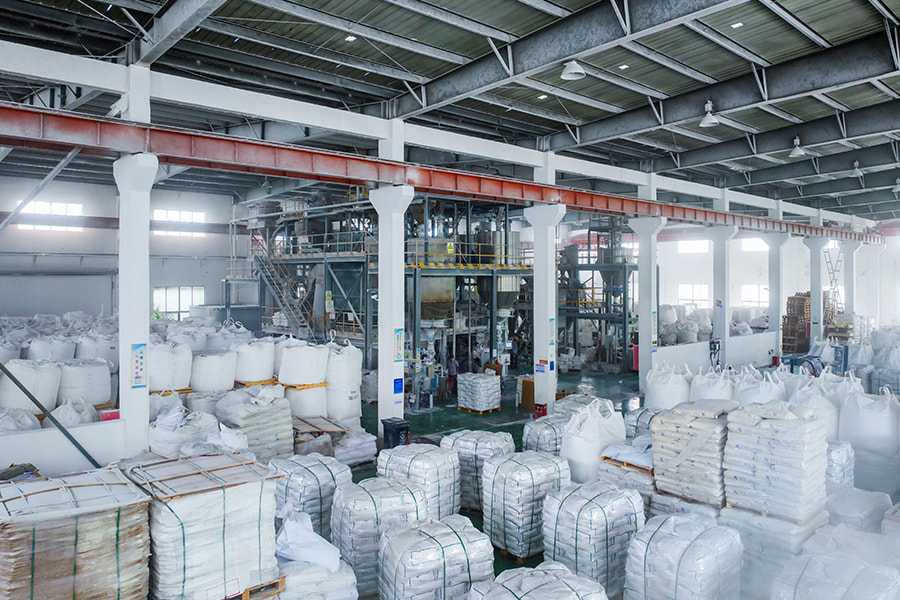
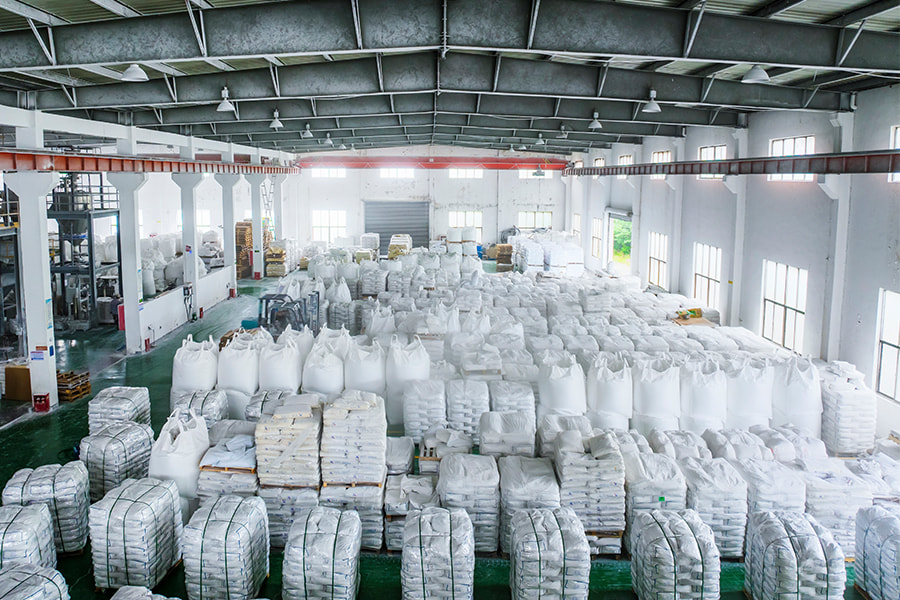
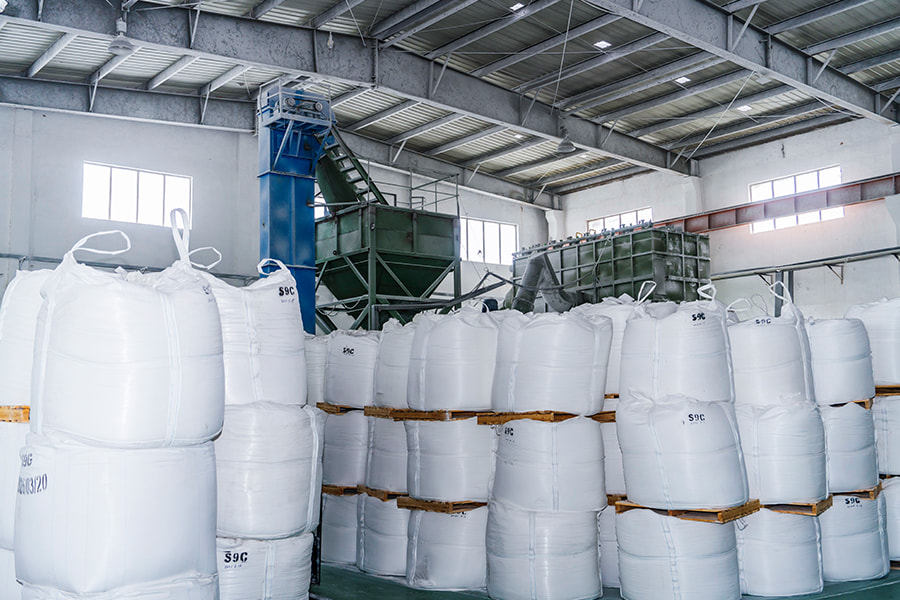
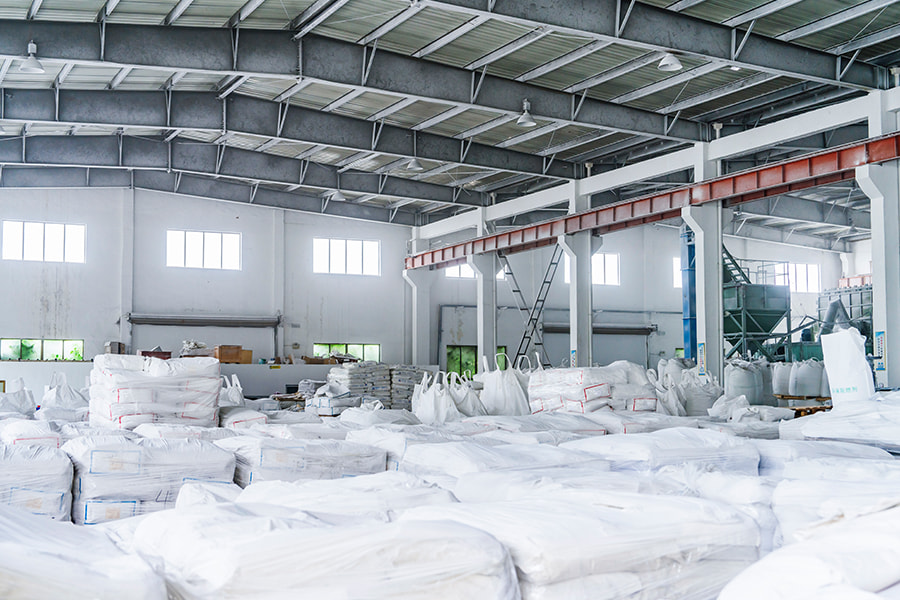
Jiangsu Zhuofeng New Materials Technology Co., Ltd. was established in 2020. It is a supplier specializing in the research, production, and marketing of high-performance and environmentally friendly flame retardants. The company's main products include environmentally friendly flame retardants, flame retardant masterbatches, char-forming agents, composite flame retardants, magnesium oxide, etc. Red phosphorus Masterbatch Manufacturers and Red phosphorus Masterbatch Factory. Relying on mature products and process technologies as well as standardized management, the company has established several mature high-purity, ultra-fine, and cost-effective flame retardant production lines, established a flame retardant polymer material application testing laboratory, and has carried out industry-university-research cooperation to develop and optimize flame retardant products. The founding team of Zhuofeng Technology has gathered a group of talents who have long been engaged in the research, production, marketing, and management of various functional materials. They can provide users with prompt technical support for application use. At Zhuofeng Technology, we are dedicated to meeting our customers' needs by delivering stable, high-performance, and environmentally friendly flame-retardant product lines. Custom Red phosphorus Masterbatch. Company strength data: Industry Experience: 6 years; Plant Scale: 18,000 square meters; Production Capacity:20000 tons.
-
2020Year
Establishment
-
18000m²
Plant Area
-
20000ton
Production Capacity
 Read More

Factory Show


Message Feedback
Industry Insights and Updates
-
2026-09-03Industry News
-
2026-08-28Industry News
-
2026-08-19Industry News
Industry Knowledge
Industry Knowledge
Microencapsulation Quality and Its Impact on Red Phosphorus Stability
Uncoated red phosphorus is chemically unstable in its raw form, prone to slow oxidation in the presence of moisture and oxygen, which can generate trace phosphine gas and cause discoloration over storage time. Nearly all commercial red phosphorus masterbatch relies on microencapsulation, typically a resin or metal hydroxide shell, to isolate the phosphorus particles from ambient moisture and stabilize them for safe handling and long-term storage. The quality of this coating, measured by shell continuity and coating thickness uniformity, is the single most important variable distinguishing a reliable red phosphorus masterbatch from one prone to odor, discoloration, or safety complaints in the field.
Indicators of inadequate encapsulation
- A faint garlic-like odor detectable from sealed packaging, indicating phosphine off-gassing
- Progressive darkening or reddish staining visible on the interior of storage bags over time
- Inconsistent color in the finished compound between batches produced from the same nominal formulation
- Elevated moisture pickup during humidity exposure testing compared to the supplier's stated specification
Buyers should request accelerated storage stability data, typically covering 30-90 days under elevated temperature and humidity, along with the coating chemistry used, since resin-coated and metal hydroxide-coated grades behave differently under long-term storage and in different resin systems.
Why Red Phosphorus Delivers High Flame Retardant Efficiency at Low Loading
Compared to mineral flame retardants that require loading levels of 50% or higher to reach a given fire rating, red phosphorus is effective at loading levels typically in the range of 5-15% depending on the base resin and target UL94 classification. This efficiency comes from its dual-action mechanism: it promotes char formation in the condensed phase while also interfering with the radical chain reactions that sustain combustion in the gas phase. The low loading requirement makes red phosphorus particularly attractive for applications where mechanical properties, especially impact strength and elongation, cannot be sacrificed to the degree that high mineral filler loading typically demands.
Typical loading ranges by resin and target rating
| Base Resin | Target Rating | Typical RP Loading |
| Polyamide (PA6/PA66) | UL94 V-0 | 8-12% |
| Polypropylene | UL94 V-0 | 10-15% |
| Epoxy resin (electrical laminates) | UL94 V-0 | 4-8% |
This efficiency advantage needs to be weighed against color limitations, since red phosphorus imparts a reddish-brown tint to the compound that limits its use in applications requiring light colors or precise color matching without additional masking pigment.
Color Masking Strategies for Red Phosphorus Compounds
The intrinsic reddish-brown to dark red color of red phosphorus is one of the main commercial limitations restricting its use to darker-colored or black parts, since achieving a stable light color over the additive is technically difficult and often requires compromise on either color accuracy or cost. Formulators addressing this constraint typically combine strategies rather than relying on pigment loading alone, since excessive pigment addition can itself interfere with mechanical properties and flame performance at the margins.
Approaches used to manage color limitations
- Using darker base colors such as black, dark gray, or dark brown where red phosphorus's natural tint blends in without additional masking
- Selecting finer particle size grades of red phosphorus, which generally produce a less intense color shift than coarser grades at the same loading
- Combining red phosphorus with a lower-color synergist to reduce the total red phosphorus loading needed while still hitting the target flame rating
- Reserving red phosphorus for internal or non-visible components where color is not a customer-facing concern, such as connector housings or internal electrical parts
For applications that genuinely require light or white coloring, formulators typically need to switch to a phosphorus-based ester or a nitrogen-phosphorus intumescent system instead, since no masking approach fully neutralizes red phosphorus's inherent color contribution at effective loading levels.
Electrical Property Considerations for Red Phosphorus in Connector and Electronics Applications
Red phosphorus masterbatch is widely used in polyamide connectors, switches, and other electrical components specifically because it maintains stronger electrical insulation properties at low loading compared to mineral-filled alternatives that require high loading to reach comparable fire ratings. However, formulators still need to evaluate comparative tracking index and dielectric strength carefully, since even trace levels of hydrolyzed phosphorus compounds, which can form if the encapsulation coating is compromised, may reduce surface insulation resistance in humid operating environments.
Testing parameters relevant to electrical applications
- Comparative Tracking Index (CTI) testing under IEC 60112, particularly important for connectors used in wet or humid environments
- Volume and surface resistivity measurement after humidity conditioning, not just under ambient dry conditions
- Glow wire ignition and flammability index testing at the actual wall thickness of the connector housing
- Long-term thermal aging data if the component will see sustained elevated temperature during operation
Connector manufacturers sourcing red phosphorus masterbatch should request CTI data specific to their target resin grade and glass fiber loading, since electrical performance can shift meaningfully when red phosphorus is combined with reinforced polyamide compared to unreinforced grades.
Dispersion Quality Control During Red Phosphorus Masterbatch Compounding
Because red phosphorus is used at relatively low loading levels, achieving uniform particle dispersion throughout the carrier resin is critical; poor dispersion can leave localized zones of the finished compound under-protected even when the average loading across the batch meets specification. This risk is compounded by the fine particle size typically used to control color intensity, since finer particles are more prone to agglomeration during compounding if shear conditions and screw design are not optimized for the specific particle size distribution being processed.
Process controls that support consistent dispersion
- Twin-screw extrusion with a high-shear kneading block section positioned for optimal wetting of the encapsulated particles
- Side feeding of the red phosphorus concentrate downstream of the main resin melt zone to reduce residence time and thermal exposure
- Cross-sectional microscopy sampling at multiple points across a production run to verify consistent particle distribution
- Controlled cooling rate on the extrudate to prevent particle migration or settling before pelletization
Suppliers with dedicated masterbatch production lines and an internal application testing laboratory are generally better able to validate dispersion consistency before shipment, since in-house cross-sectional analysis can catch batch variability that a bulk chemical assay alone would not reveal.
Regulatory and Safety Documentation Buyers Should Request for Red Phosphorus Masterbatch
Because red phosphorus in its unencapsulated state carries handling risks related to dust ignition and phosphine generation, procurement teams sourcing red phosphorus masterbatch should treat safety and regulatory documentation as a standard part of supplier qualification rather than an afterthought, particularly for shipments crossing international borders where classification requirements vary by destination.
Documentation typically requested during qualification
- Safety Data Sheet reflecting the encapsulated masterbatch form, distinct from raw red phosphorus classification
- Transport classification documentation confirming appropriate UN packing group and shipping category for the finished masterbatch
- RoHS and REACH compliance statements relevant to the destination market's electronics or consumer product regulations
- Third-party accelerated stability test reports supporting the stated shelf life under specified storage conditions
Requesting this documentation upfront, rather than after an order is placed, helps avoid customs delays and ensures the receiving facility's safety protocols are aligned with the actual product form being shipped.
Let'S Work Together Welcome Aboard!
-
Oversea Sales: mayuqin@zhuofengfr.com
Company email: rikkima@zhuofengfr.com
-
WhatsApp: +86 18105180388
-
Address: No. 5, Wutai Road, Dongba Street, Gaochun District, Nanjing City, Jiangsu Province, China
Join Our Mailing List
Product Categories
Quick Links
Quick Links
Copyright © Jiangsu Zhuofeng New Materials Technology Co., Ltd.
All Rights Reserved.
 Red phosphorus Masterbatch Factory
Red phosphorus Masterbatch Factory