
 English
 Tiếng Việt

product
product
product
product
product
product
product
product
product
product
product
product
product
product
product
product

Attapulgite
Product Category
Contact us
Attapulgite Powder Manufacturers
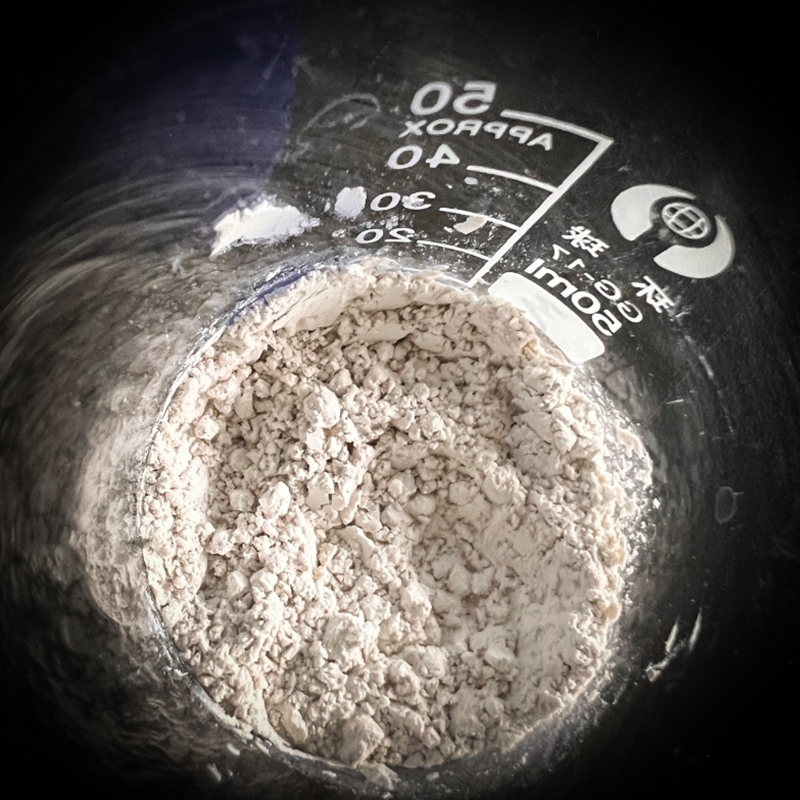
Jiangsu Zhuofeng New Materials Technology Co., Ltd.
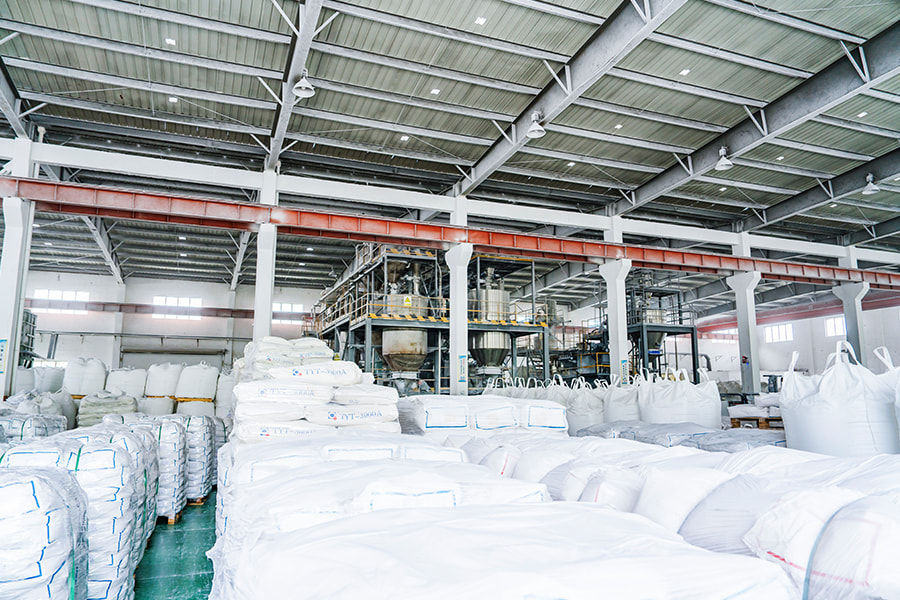
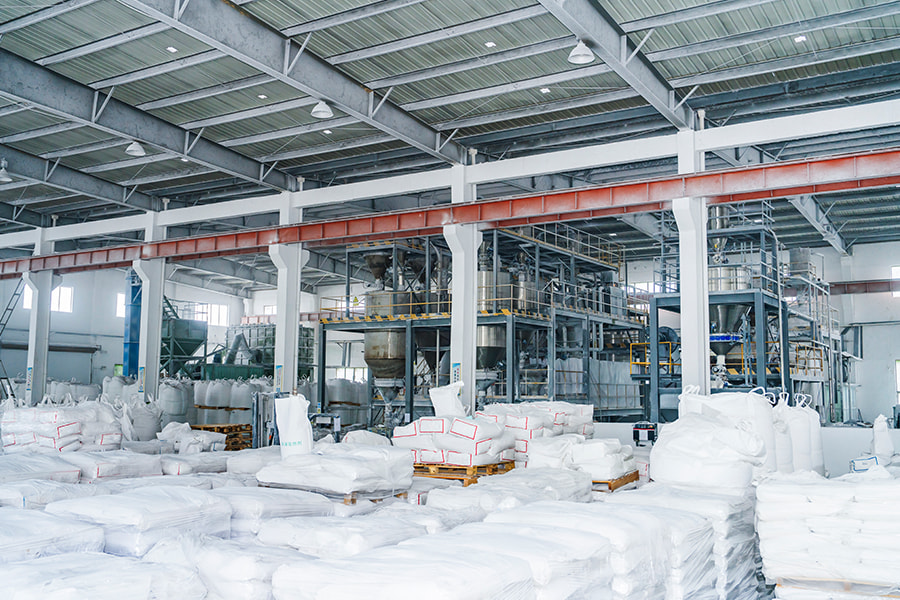
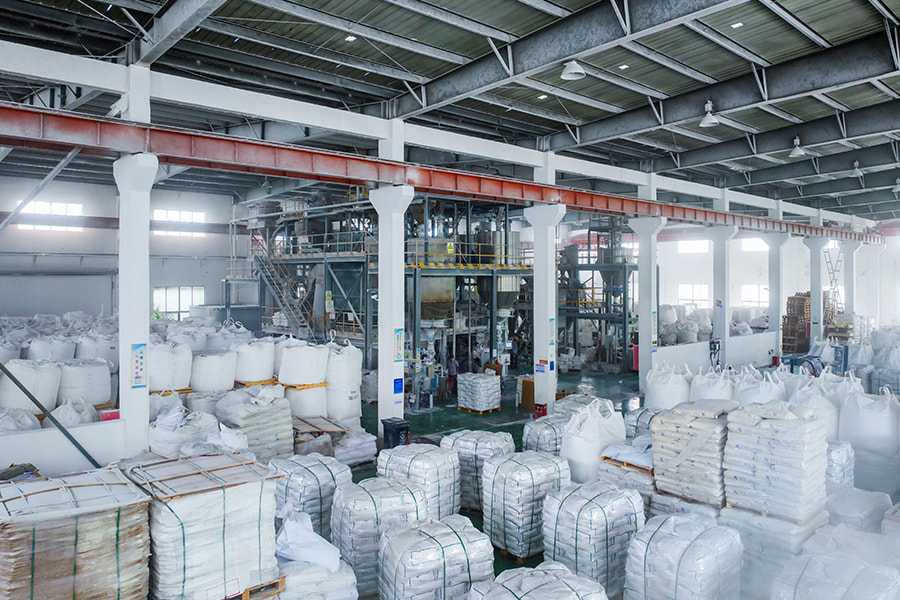
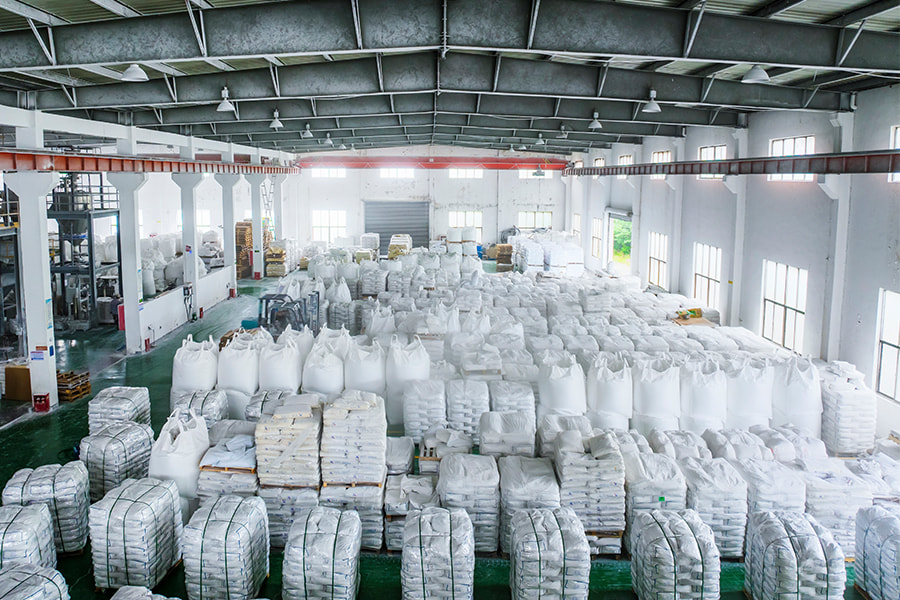
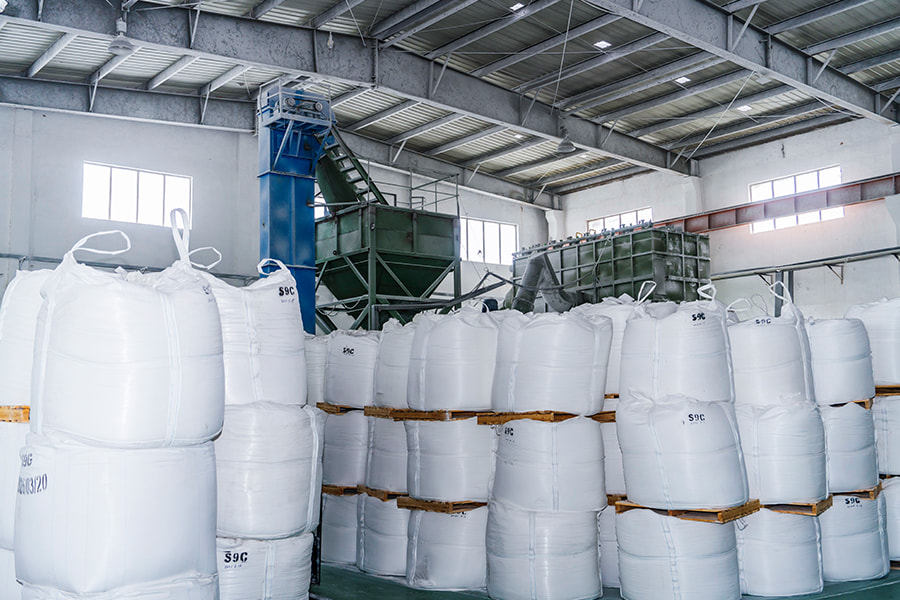
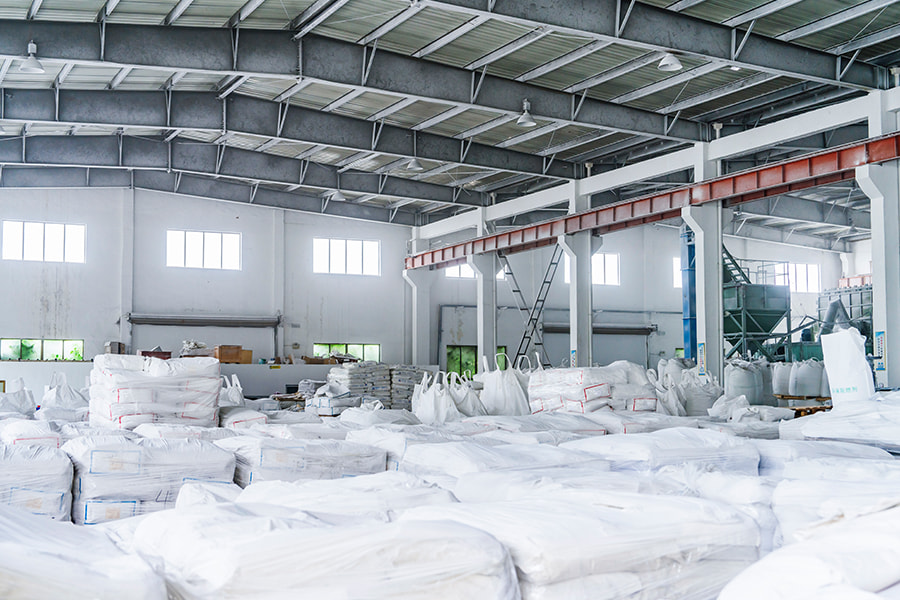
Jiangsu Zhuofeng New Materials Technology Co., Ltd. was established in 2020. It is a supplier specializing in the research, production, and marketing of high-performance and environmentally friendly flame retardants. The company's main products include environmentally friendly flame retardants, flame retardant masterbatches, char-forming agents, composite flame retardants, magnesium oxide, etc. Attapulgite Powder Manufacturers and Palygorskite Powder Factory. Relying on mature products and process technologies as well as standardized management, the company has established several mature high-purity, ultra-fine, and cost-effective flame retardant production lines, established a flame retardant polymer material application testing laboratory, and has carried out industry-university-research cooperation to develop and optimize flame retardant products. The founding team of Zhuofeng Technology has gathered a group of talents who have long been engaged in the research, production, marketing, and management of various functional materials. They can provide users with prompt technical support for application use. At Zhuofeng Technology, we are dedicated to meeting our customers' needs by delivering stable, high-performance, and environmentally friendly flame-retardant product lines. Bulk Wholesale Attapulgite Powder. Company strength data: Industry Experience: 6 years; Plant Scale: 18,000 square meters; Production Capacity:20000 tons.
-
2020Year
Establishment
-
18000m²
Plant Area
-
20000ton
Production Capacity
 Read More

Factory Show
Message Feedback
Industry Insights and Updates
-
2026-09-17Industry News
-
2026-09-14Industry News
-
2026-09-08Industry News
Industry Knowledge
Industry Knowledge
Attapulgite's Nanorod Structure and Why It Behaves Differently From Sheet Silicates
Attapulgite, also known as palygorskite, has a chain-structure silicate morphology built from nanoscale rods rather than the sheet or fiber structures seen in montmorillonite or sepiolite, and this distinction matters more in practice than it might appear on a mineralogy chart. At Jiangsu Zhuofeng New Materials Technology Co., Ltd., we position attapulgite for applications where a combination of moderate reinforcement, thermal stability, and processing-friendly dispersion is needed, since its rod structure doesn't require the intensive exfoliation process that platy clays depend on to deliver a meaningful performance benefit. The individual nanorods disperse relatively readily under standard high-shear compounding conditions, which reduces the process sensitivity that can make working with layered silicates unpredictable across different equipment setups.
In flame retardant systems, attapulgite contributes primarily through improved char stability and reduced melt dripping, functioning similarly in outcome to sepiolite but with a slightly different aspect ratio and surface chemistry that can make it perform better or worse depending on the specific resin and synergist package involved. This is why formulators shouldn't assume attapulgite and sepiolite are freely interchangeable; each performs best when validated against the target formulation rather than substituted based on a general "reinforcing mineral" category assumption.
Thermal Stability Across the Processing Range
One of attapulgite's practical advantages is its high thermal stability, with structural water loss occurring gradually across a broad temperature range rather than in a single sharp decomposition event. This gradual behavior means attapulgite generally doesn't interfere with standard thermoplastic processing temperatures the way a lower-stability filler might, making it a comparatively low-risk additive to introduce into an existing formulation without needing to re-validate the entire processing window.
| Temperature Range | Behavior |
|---|---|
| Below 150°C | Loss of loosely bound surface moisture only |
| 150-300°C | Gradual loss of zeolitic channel water, structure largely intact |
| Above 400°C | Structural hydroxyl loss begins, contributing to char reinforcement |
This staged water release across a wide range is part of why attapulgite performs consistently across a variety of thermoplastic processing conditions without requiring the tight temperature-matching that some other functional fillers demand.
Rheology Applications: Where Attapulgite Overlaps and Diverges From Sepiolite
Like sepiolite, attapulgite is widely used as a rheology modifier in liquid and coating-based flame retardant formulations, building viscosity at rest through particle network formation while thinning under shear to allow smooth application. The rod-shaped particles create this network through a slightly different mechanism than sepiolite's longer fibers, generally producing a somewhat softer gel structure that some formulators prefer for spray-applied intumescent coatings where excessive thixotropy can clog spray equipment.
- Attapulgite tends to produce smoother, more sprayable viscosity profiles in coating applications
- Sepiolite's longer fiber length generally builds stronger low-shear viscosity, useful where sag resistance on vertical surfaces is the priority
- Formulators sometimes blend both minerals to balance sprayability with anti-sag performance in a single coating system
Selecting between the two, or blending them, ultimately depends on the specific application method and substrate orientation the coating will be used on, which is a detail worth discussing directly with a technical support team rather than defaulting to whichever mineral happens to be in stock.
Sourcing Considerations for Attapulgite at Production Scale
Attapulgite ore quality varies meaningfully by deposit, and the concentration of associated minerals like calcite or quartz within the raw ore directly affects both purity and the final material's reinforcing performance. A supplier's beneficiation process, the steps used to concentrate the attapulgite content and remove associated minerals, has a bigger impact on consistent product quality than most buyers initially assume, since two suppliers quoting similar purity percentages can still differ significantly in performance if one relies on more aggressive processing that damages the nanorod structure in the process.
Requesting particle morphology data through electron microscopy imaging, rather than relying on purity and particle size alone, gives a clearer picture of whether a supplier's processing method preserves the rod structure that drives attapulgite's functional benefits. Jiangsu Zhuofeng New Materials Technology Co., Ltd. evaluates raw material morphology as part of its application testing laboratory workflow before qualifying any new source, helping confirm that processing hasn't degraded the structural characteristics customers are sourcing the material for in the first place. When comparing Attapulgite Powder/Palygorskite Powder Manufacturers for a production-scale contract, and evaluating any prospective Factory more broadly, requesting this kind of morphology verification alongside standard chemical specifications is a practical way to avoid quality surprises once a large order is already in transit.
Let'S Work Together Welcome Aboard!
-
Oversea Sales: mayuqin@zhuofengfr.com
Company email: rikkima@zhuofengfr.com
-
WhatsApp: +86 18105180388
-
Address: No. 5, Wutai Road, Dongba Street, Gaochun District, Nanjing City, Jiangsu Province, China
Join Our Mailing List
Product Categories
Quick Links
Quick Links
Copyright © Jiangsu Zhuofeng New Materials Technology Co., Ltd.
All Rights Reserved.
 Palygorskite Powder Factory
Palygorskite Powder Factory