
 English
 Tiếng Việt

product
product
product
product
product
product
product
product
product
product
product
product
product
product
product
product

Flame Retardant for PP
Product Category
Contact us
Polypropylene (PP) Flame Retardant Manufacturers
information to be updated
Jiangsu Zhuofeng New Materials Technology Co., Ltd.
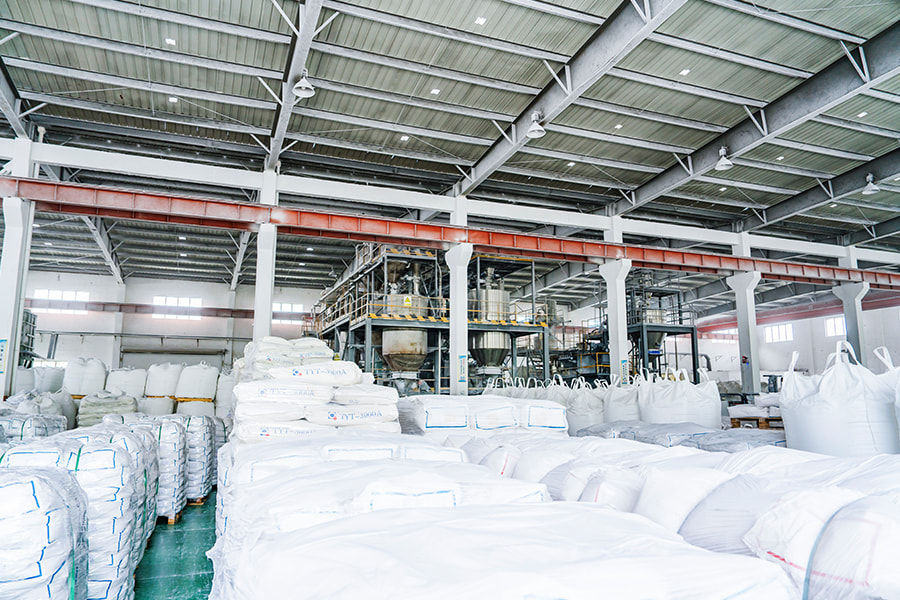
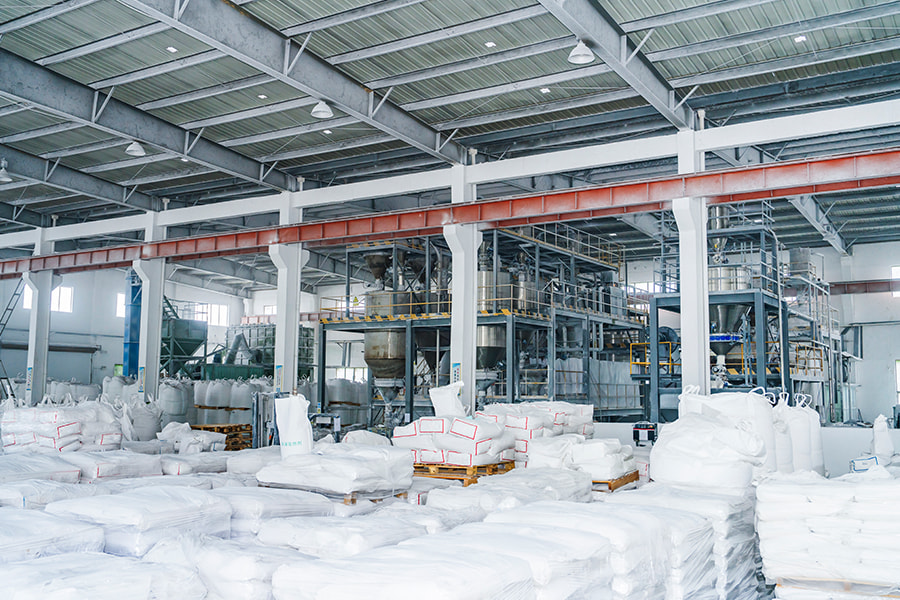
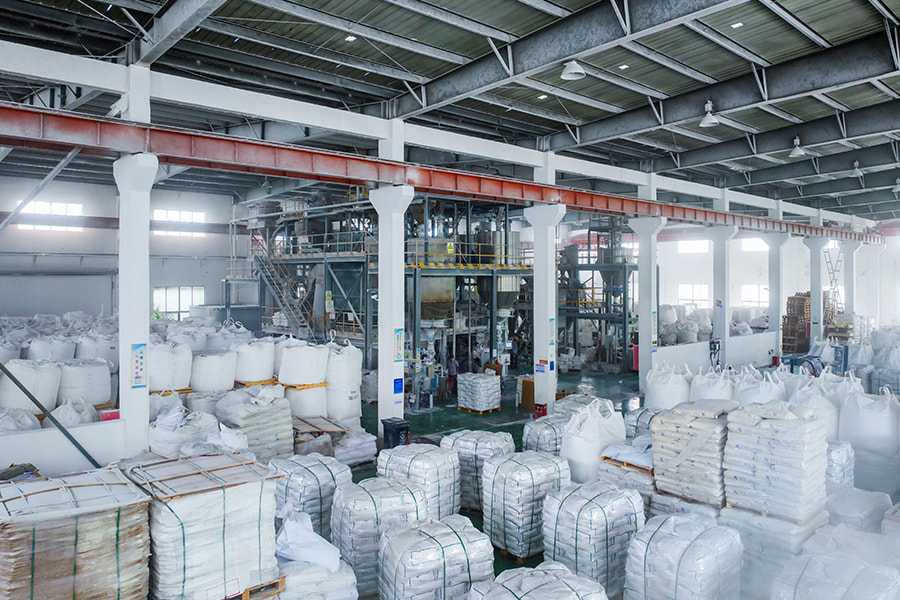
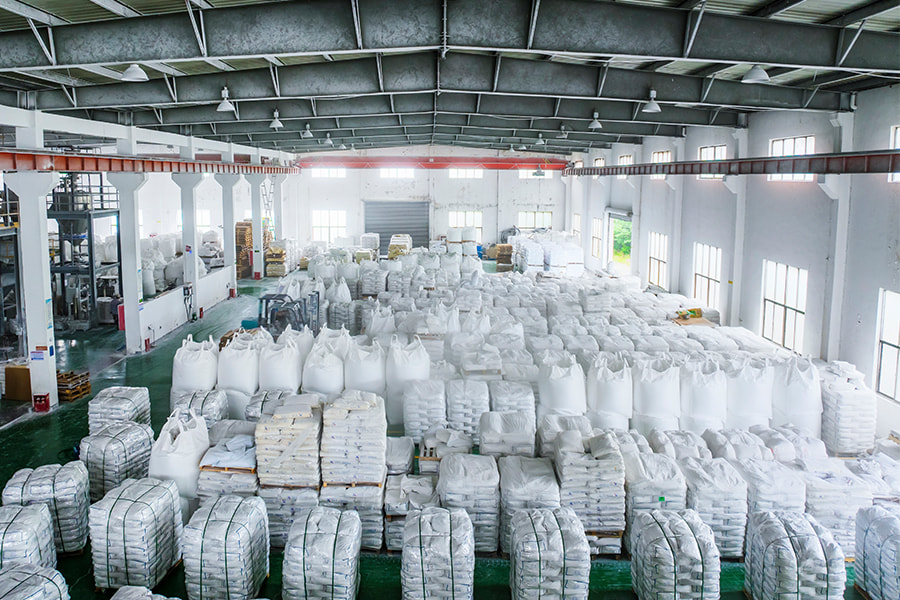
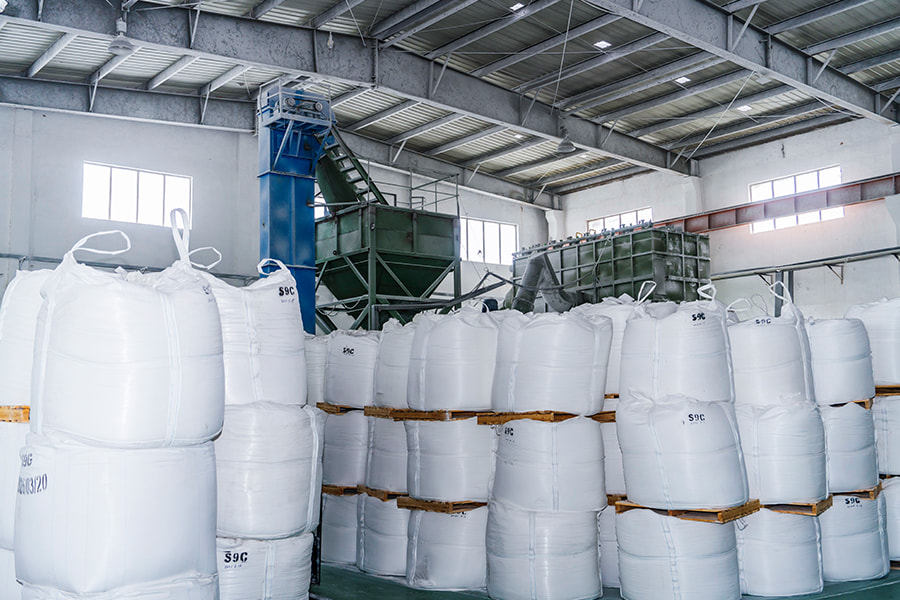
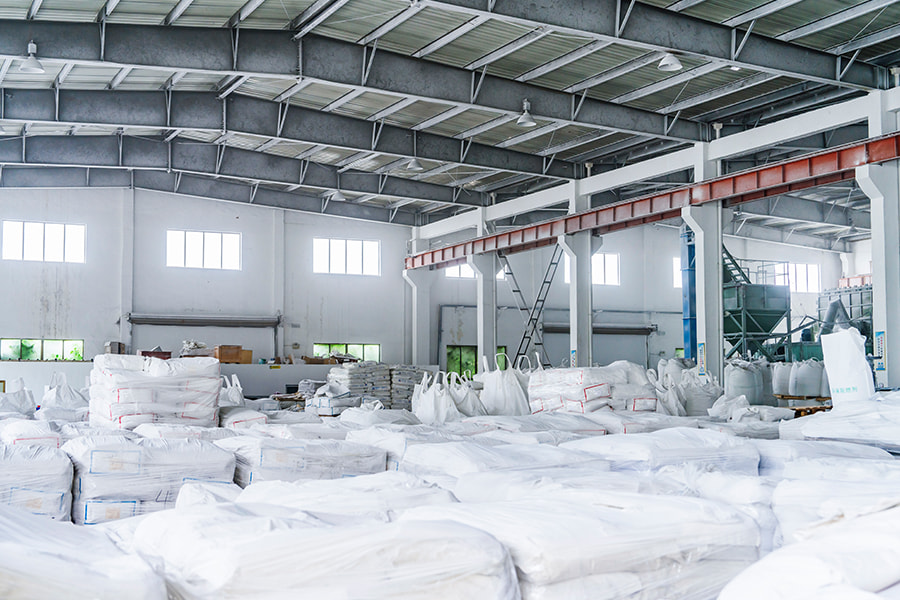
Jiangsu Zhuofeng New Materials Technology Co., Ltd. was established in 2020. It is a supplier specializing in the research, production, and marketing of high-performance and environmentally friendly flame retardants. The company's main products include environmentally friendly flame retardants, flame retardant masterbatches, char-forming agents, composite flame retardants, magnesium oxide, etc. Polypropylene Flame Retardant Manufacturers and PP Flame Retardant Factory. Relying on mature products and process technologies as well as standardized management, the company has established several mature high-purity, ultra-fine, and cost-effective flame retardant production lines, established a flame retardant polymer material application testing laboratory, and has carried out industry-university-research cooperation to develop and optimize flame retardant products. The founding team of Zhuofeng Technology has gathered a group of talents who have long been engaged in the research, production, marketing, and management of various functional materials. They can provide users with prompt technical support for application use. At Zhuofeng Technology, we are dedicated to meeting our customers' needs by delivering stable, high-performance, and environmentally friendly flame-retardant product lines. Wholesale Flame Retardant for PP. Company strength data: Industry Experience: 6 years; Plant Scale: 18,000 square meters; Production Capacity:20000 tons.
-
2020Year
Establishment
-
18000m²
Plant Area
-
20000ton
Production Capacity
 Read More

Factory Show
Message Feedback
Industry Insights and Updates
-
2026-09-03Industry News
-
2026-08-28Industry News
-
2026-08-19Industry News
Industry Knowledge
Industry Knowledge
Why Polypropylene's Dripping Behavior Drives Flame Retardant System Selection
Polypropylene's tendency to melt and drip when burning is arguably the single biggest factor shaping how flame retardant systems get designed for it, more so than the base LOI or UL94 target itself. At Jiangsu Zhuofeng New Materials Technology Co., Ltd., we treat anti-dripping performance as a design requirement from the start of any PP formulation project, not an afterthought addressed only if initial testing reveals a problem, because PP's low melt viscosity means flaming drips can ignite a UL94 cotton indicator and cause an automatic test failure even when the compound otherwise resists ignition well.
Intumescent flame retardant systems have become the dominant halogen-free approach for PP specifically because the expanding char layer they form helps counteract dripping by physically stabilizing the melt surface, rather than relying solely on gas-phase flame suppression that does nothing to address melt flow behavior. However, intumescent systems alone don't always fully solve dripping in every PP grade, particularly in lower-viscosity injection molding resins, which is why anti-dripping additives like PTFE or, increasingly, mineral fibers such as sepiolite are frequently added alongside the core intumescent package.
Halogen-Free System Options for PP by Application Type
| Application | Recommended System | Primary Consideration |
|---|---|---|
| Injection molded housings | Intumescent (APP + charring agent) + anti-drip additive | Surface finish and flow length at high loading |
| Extruded profiles and sheet | Intumescent system with fiber-reinforced anti-drip | Melt strength during extrusion |
| PP compound for cable | Mineral filler + intumescent hybrid | Balancing flexibility with flame performance |
Injection molding applications in particular require close attention to how flame retardant loading affects melt flow index, since a formulation that passes flame testing but flows poorly enough to cause short shots or weld line weakness in complex mold geometries isn't actually a usable production solution.
Managing the Mechanical Property Trade-off at High PP Flame Retardant Loading
Achieving a V-0 rating in PP typically requires total flame retardant loading in the 25-35% range for intumescent systems, and this level of filler content inevitably affects impact strength, particularly at low temperature where PP already tends toward brittleness. Formulators working on outdoor or automotive PP applications facing cold-temperature impact requirements need to plan for this trade-off early, since reformulating after a cold-impact failure late in development is far more costly than designing the mechanical property target into the initial flame retardant package selection.
- Impact modifiers compatible with the flame retardant chemistry can partially restore lost toughness without significantly diluting flame performance
- Copolymer PP grades with inherently higher impact resistance provide more headroom for flame retardant loading than homopolymer PP
- Particle size optimization of the mineral component reduces stress concentration effects that compound the loading-related toughness loss
Testing impact performance at the actual end-use temperature range, rather than only at standard room-temperature conditions, is particularly important for PP applications destined for outdoor or automotive use, since PP's ductile-to-brittle transition temperature shifts upward as flame retardant loading increases.
Evaluating a PP Flame Retardant Supplier's Formulation Support Capability
Because PP flame retardant formulation involves balancing flame performance, anti-dripping behavior, melt flow, and mechanical properties simultaneously, the depth of a supplier's technical support matters as much as the raw material specifications themselves. Buyers evaluating Flame Retardant for PP options should ask directly whether a prospective supplier can provide formulation guidance specific to their processing method, injection molding versus extrusion, since the loading and anti-drip strategy that works well for one process can behave quite differently in the other.
Jiangsu Zhuofeng New Materials Technology Co., Ltd. supports this kind of process-specific formulation work through its flame retardant polymer material application testing laboratory, running melt flow, impact, and flame performance testing together rather than evaluating each property in isolation. When comparing Polypropylene (PP) Flame Retardant Manufacturers for a new formulation project, requesting a joint trial that tests your actual target processing conditions and mechanical requirements alongside flame performance is generally the most reliable way to confirm a proposed system will hold up once it moves from lab-scale testing into full production.
Let'S Work Together Welcome Aboard!
-
Oversea Sales: mayuqin@zhuofengfr.com
Company email: rikkima@zhuofengfr.com
-
WhatsApp: +86 18105180388
-
Address: No. 5, Wutai Road, Dongba Street, Gaochun District, Nanjing City, Jiangsu Province, China
Join Our Mailing List
Product Categories
Quick Links
Quick Links
Copyright © Jiangsu Zhuofeng New Materials Technology Co., Ltd.
All Rights Reserved.
 PP Flame Retardant Factory
PP Flame Retardant Factory