
 English
 Tiếng Việt

product
product
product
product
product
product
product
product
product
product
product
product
product
product
product
product

Hydromagnesite
Product Category
Contact us
Hydromagnesite Powder Manufacturers
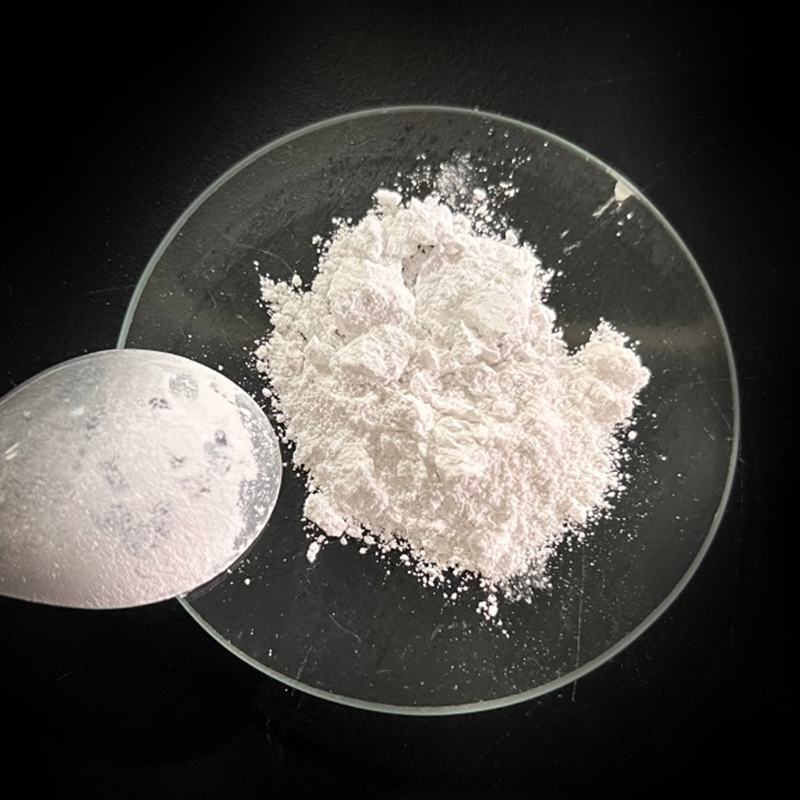
Jiangsu Zhuofeng New Materials Technology Co., Ltd.
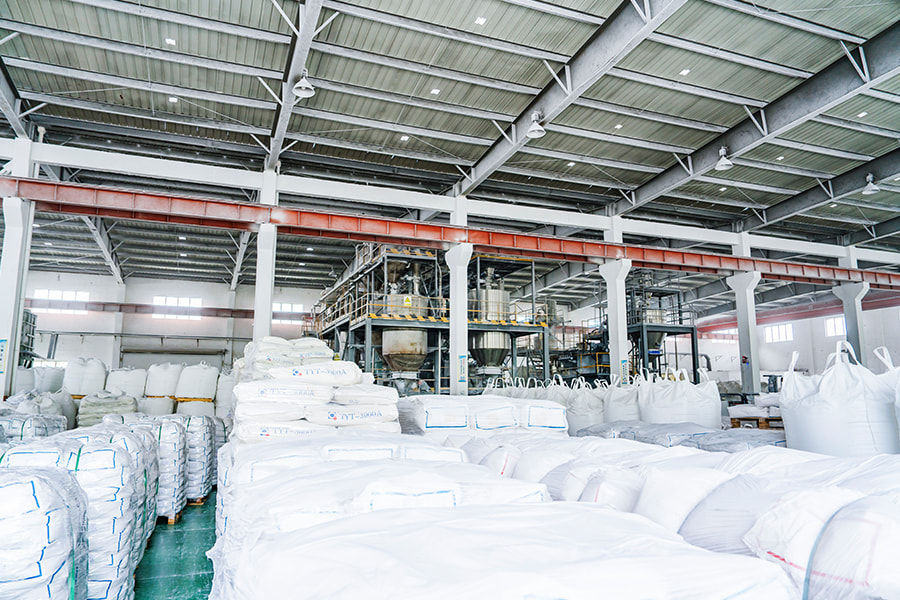
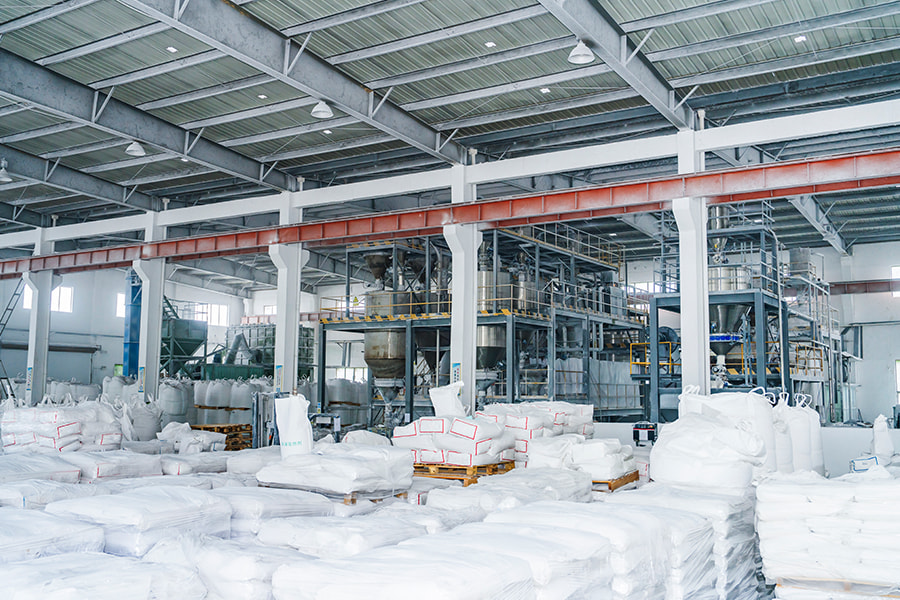
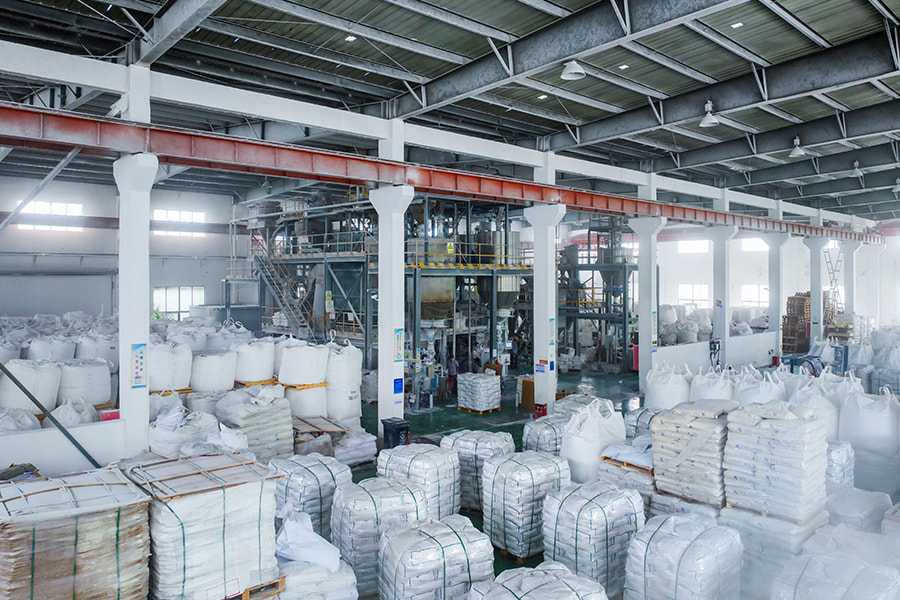
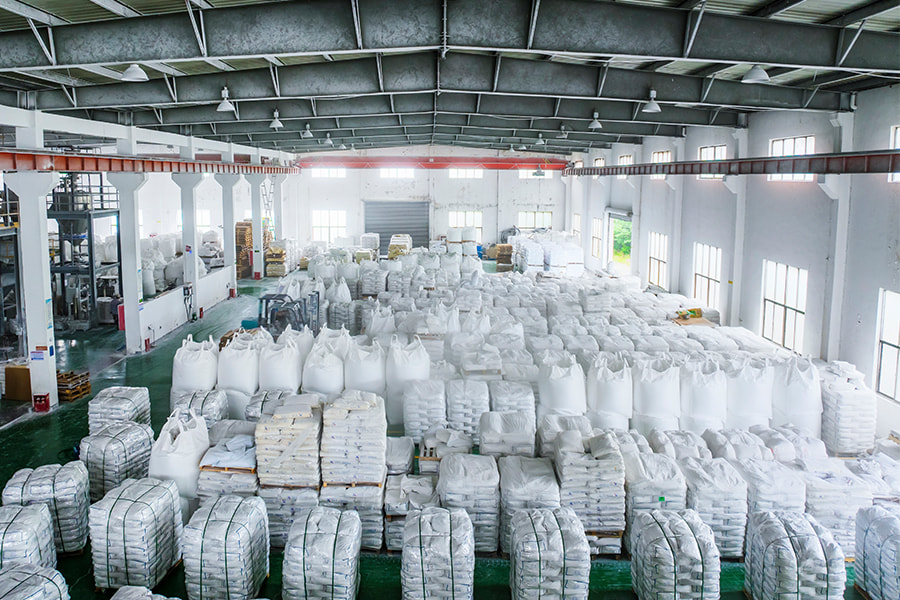
Jiangsu Zhuofeng New Materials Technology Co., Ltd. was established in 2020. It is a supplier specializing in the research, production, and marketing of high-performance and environmentally friendly flame retardants. The company's main products include environmentally friendly flame retardants, flame retardant masterbatches, char-forming agents, composite flame retardants, magnesium oxide, etc. Hydromagnesite Powder Manufacturers and Basic Magnesium Carbonate Powder Factory. Relying on mature products and process technologies as well as standardized management, the company has established several mature high-purity, ultra-fine, and cost-effective flame retardant production lines, established a flame retardant polymer material application testing laboratory, and has carried out industry-university-research cooperation to develop and optimize flame retardant products. The founding team of Zhuofeng Technology has gathered a group of talents who have long been engaged in the research, production, marketing, and management of various functional materials. They can provide users with prompt technical support for application use. At Zhuofeng Technology, we are dedicated to meeting our customers' needs by delivering stable, high-performance, and environmentally friendly flame-retardant product lines. Bulk Wholesale Hydromagnesite Powder. Company strength data: Industry Experience: 6 years; Plant Scale: 18,000 square meters; Production Capacity:20000 tons.
-
2020Year
Establishment
-
18000m²
Plant Area
-
20000ton
Production Capacity
 Read More
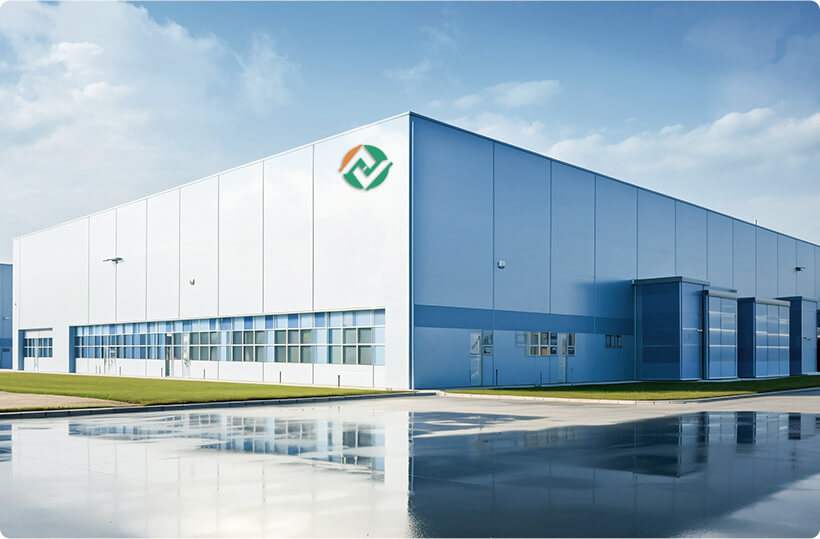
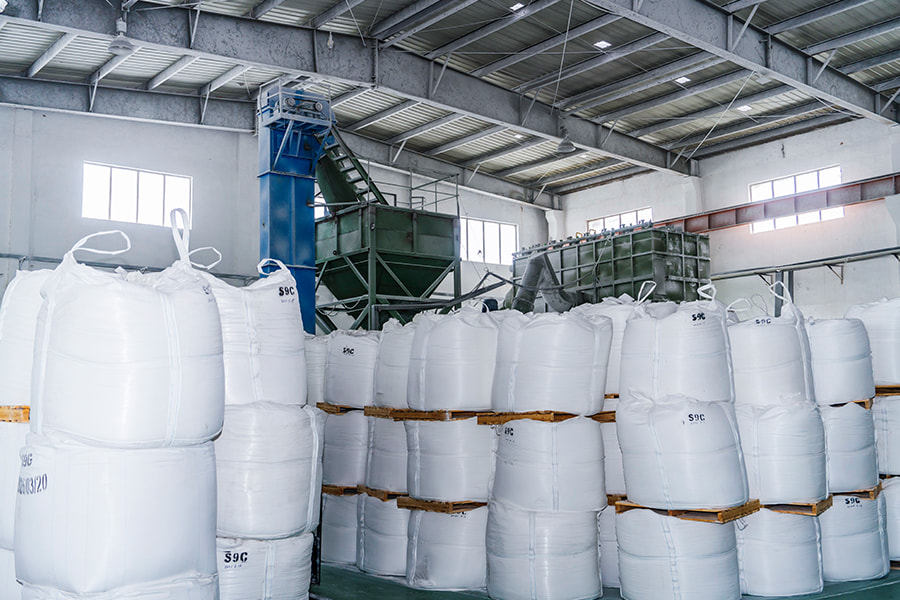
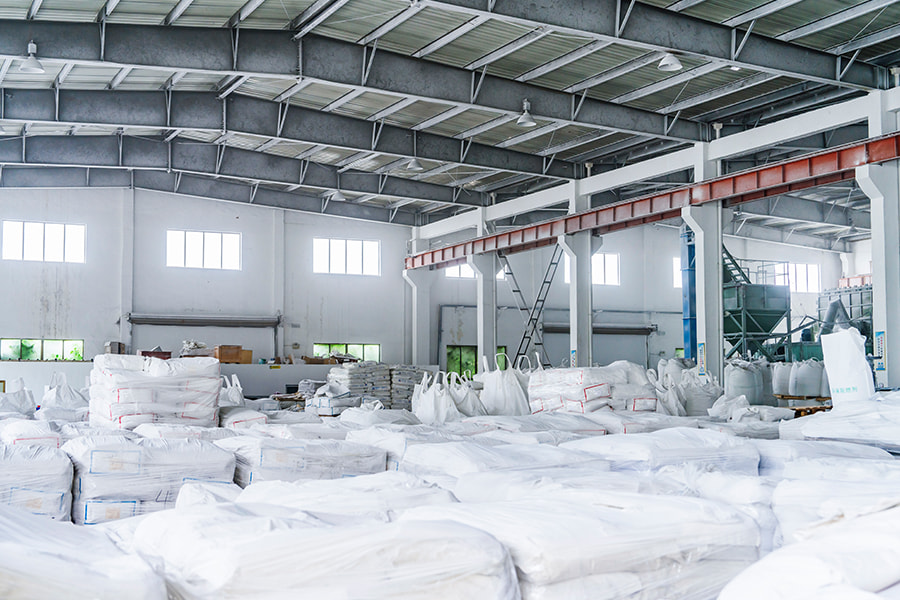
Factory Show
Message Feedback
Industry Insights and Updates
-
2026-09-17Industry News
-
2026-09-14Industry News
-
2026-09-08Industry News
Industry Knowledge
Industry Knowledge
How Hydromagnesite's Multi-Stage Decomposition Extends Flame Protection
Hydromagnesite, a basic magnesium carbonate hydroxide mineral, offers a decomposition behavior that neither pure magnesium hydroxide nor magnesium carbonate can replicate on its own, and this is exactly why formulators reach for it in specific applications rather than treating it as a simple substitute. Because hydromagnesite's structure combines both hydroxide and carbonate groups, it decomposes in two distinct stages: water release beginning around 220°C, followed by carbon dioxide release starting near 350-400°C. At Jiangsu Zhuofeng New Materials Technology Co., Ltd., we point formulators toward this two-stage mechanism specifically when a compound needs protection across a wider temperature range than a single-stage decomposing filler can offer.
This staged release matters most in fire scenarios with variable heat exposure, such as building cable trays or construction profiles where flame intensity can escalate over time rather than hitting peak temperature instantly. The first decomposition stage cools the substrate and dilutes flammable gases early, while the second stage continues releasing inert gas as the fire intensifies, effectively giving the compound two separate opportunities to interrupt combustion rather than a single narrow protective window.
Comparing Endothermic Fillers by Decomposition Profile
| Filler | Decomposition Stages | Approximate Weight Loss |
|---|---|---|
| Aluminium Hydroxide | Single (~200-220°C) | ~34.6% |
| Magnesium Hydroxide | Single (~340-350°C) | ~31% |
| Hydromagnesite | Dual (~220°C and ~350-400°C) | ~40-45% combined |
The higher combined weight loss also means hydromagnesite can sometimes achieve target flame ratings at a lower total filler loading than a single-stage endothermic filler, which is a meaningful advantage for compounds where mechanical properties are already under pressure from high filler content.
Where Basic Magnesium Carbonate Fits Relative to Standard Magnesium Fillers
Basic magnesium carbonate, closely related to hydromagnesite, is sometimes treated as interchangeable with magnesium hydroxide in casual sourcing conversations, but the two behave differently enough in processing that swapping one for the other without reformulation is a common source of production issues. The carbonate content changes not only the decomposition profile but also the filler's interaction with acid-based flame retardant synergists like ammonium polyphosphate, since carbonate groups can react with acidic decomposition products in ways hydroxide groups don't.
- Basic magnesium carbonate generally offers lower cost per ton than high-purity synthetic magnesium hydroxide
- Its higher gas release volume can improve flame suppression efficiency at equivalent loading in some resin systems
- Compatibility with intumescent acid sources should always be verified through trial compounding rather than assumed from a generic data sheet
Formulators considering a switch between these two filler families should request compatibility test data specific to their synergist package, since the difference in chemical behavior at the particle surface can affect char formation quality even when both fillers pass flame testing independently.
Sourcing Considerations for Hydromagnesite and Basic Magnesium Carbonate at Volume
Because hydromagnesite is a naturally occurring mineral with a more complex crystal structure than simpler magnesium fillers, consistent sourcing depends heavily on how well a manufacturer controls ore selection and processing. Deposits vary in their ratio of carbonate to hydroxide content, and this ratio directly determines the two-stage decomposition behavior formulators are relying on. Buyers should request thermogravimetric analysis (TGA) data for each incoming batch rather than accepting a general product data sheet, since TGA curves reveal whether the decomposition stages fall within the expected temperature windows for a given batch.
Working with established Hydromagnesite Powder Manufacturers that maintain their own testing laboratory reduces this risk considerably, since batch-level TGA verification can be built directly into the quality control process rather than left to the buyer to catch after the fact. Jiangsu Zhuofeng New Materials Technology Co., Ltd. operates its flame retardant polymer material application testing laboratory specifically to validate this kind of decomposition consistency before material ships, supporting both custom formulation trials and standard production orders. For buyers evaluating a Basic Magnesium Carbonate Powder Factory for a recurring supply contract, requesting a side-by-side TGA comparison across several historical batches is one of the clearest ways to confirm the consistency a long-term formulation depends on.
Let'S Work Together Welcome Aboard!
-
Oversea Sales: mayuqin@zhuofengfr.com
Company email: rikkima@zhuofengfr.com
-
WhatsApp: +86 18105180388
-
Address: No. 5, Wutai Road, Dongba Street, Gaochun District, Nanjing City, Jiangsu Province, China
Join Our Mailing List
Product Categories
Quick Links
Quick Links
Copyright © Jiangsu Zhuofeng New Materials Technology Co., Ltd.
All Rights Reserved.
 Basic Magnesium Carbonate Powder Factory
Basic Magnesium Carbonate Powder Factory