
 English
 Tiếng Việt

product
product
product
product
product
product
product
product
product
product
product
product
product
product
product
product

Product Category
Contact us
Flame Retardant Masterbatch Manufacturers
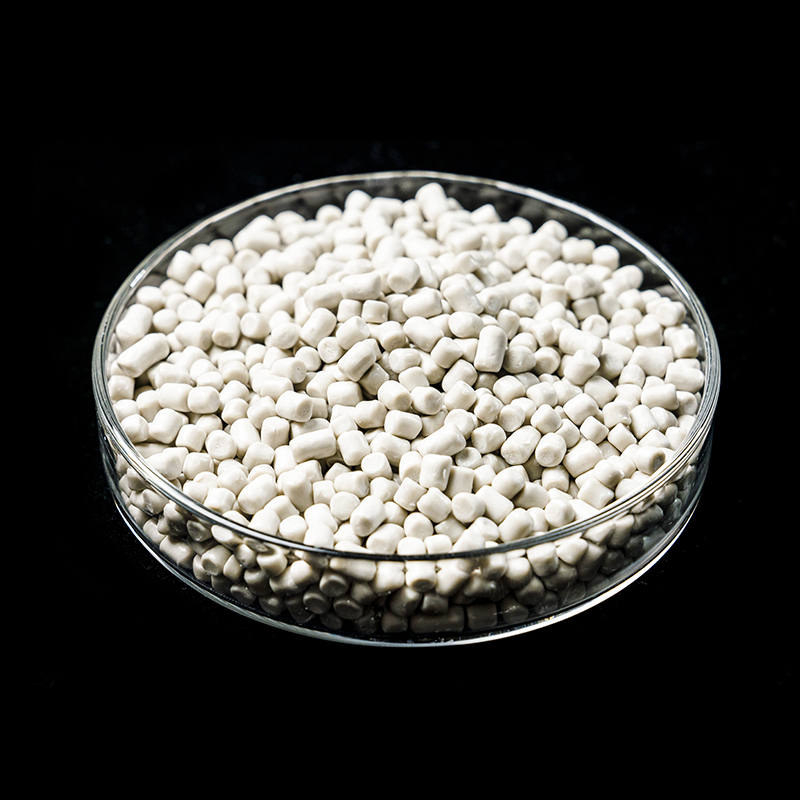
Jiangsu Zhuofeng New Materials Technology Co., Ltd.
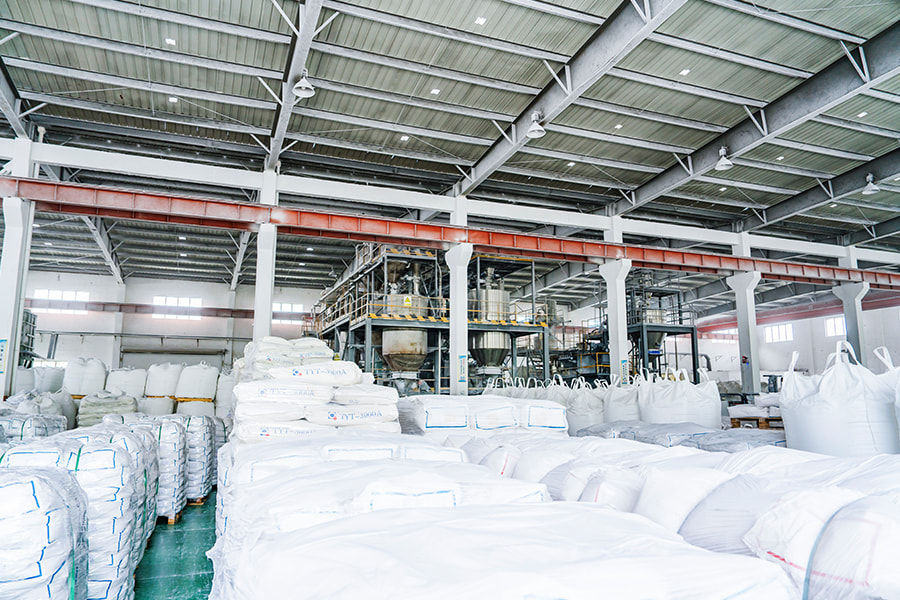
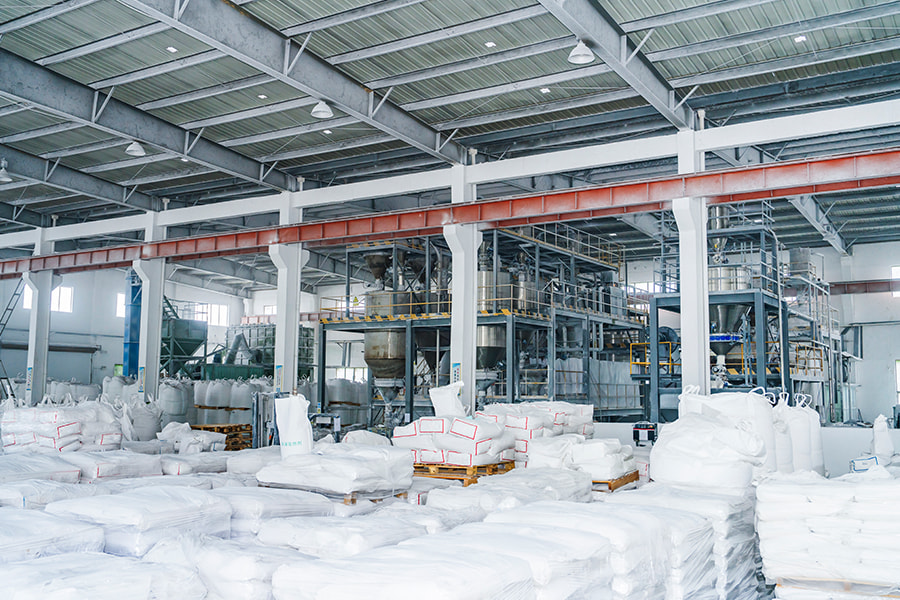
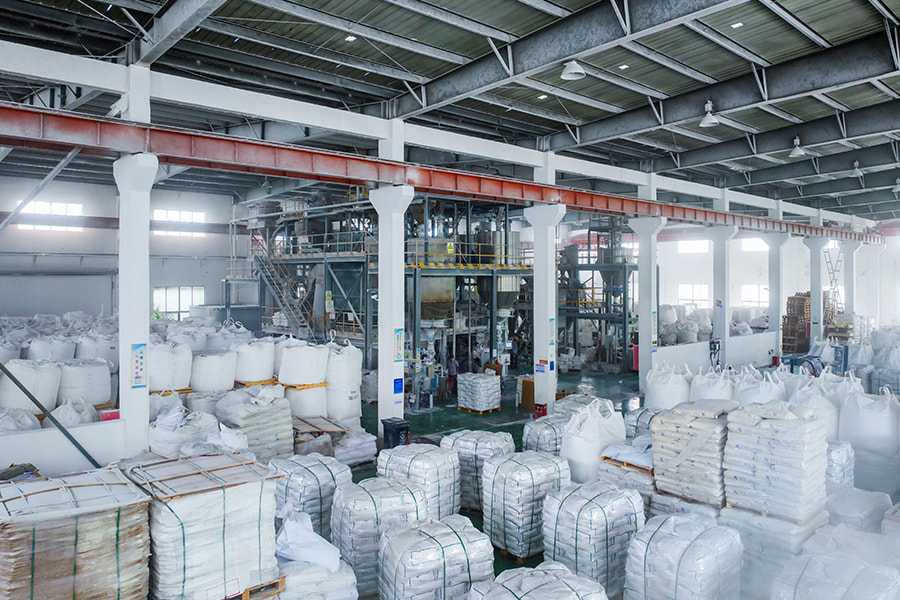
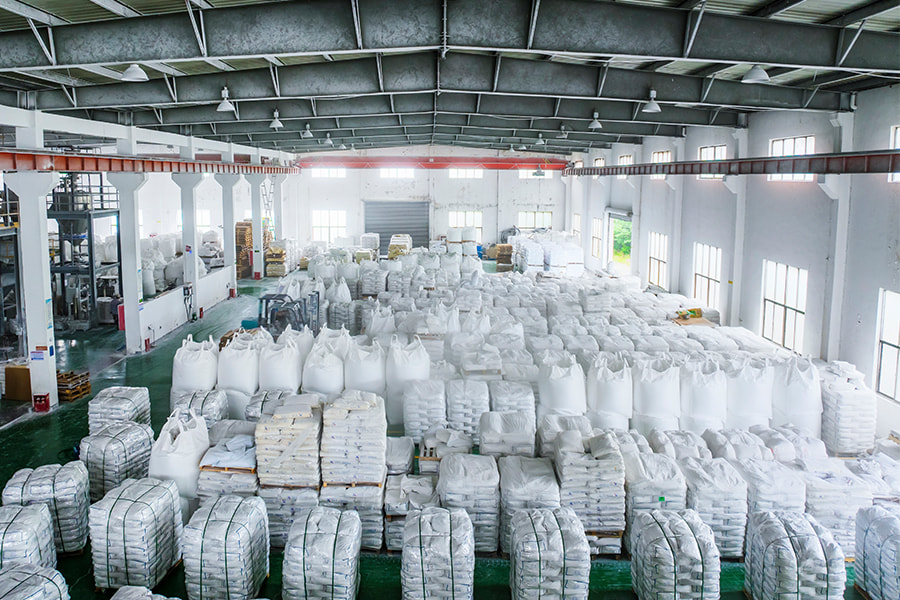
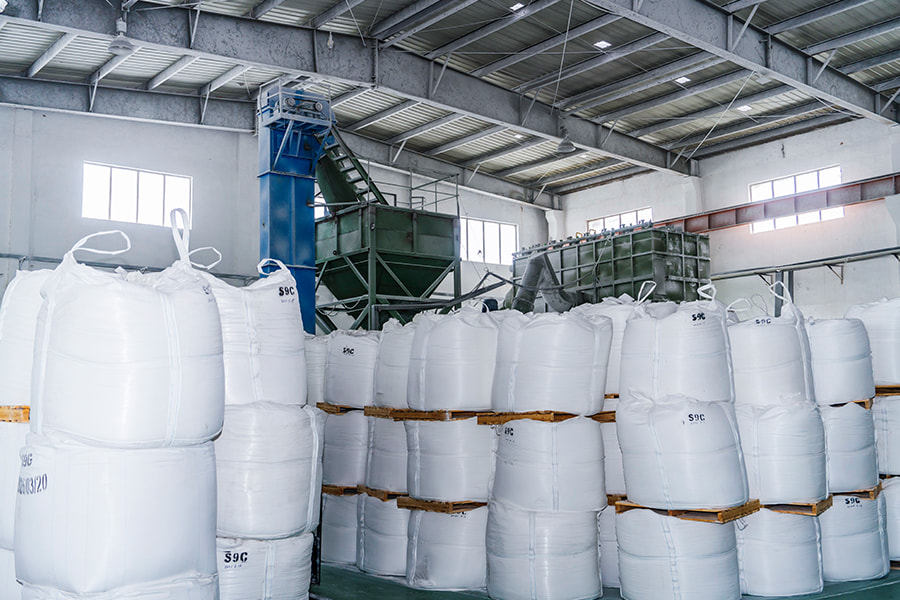
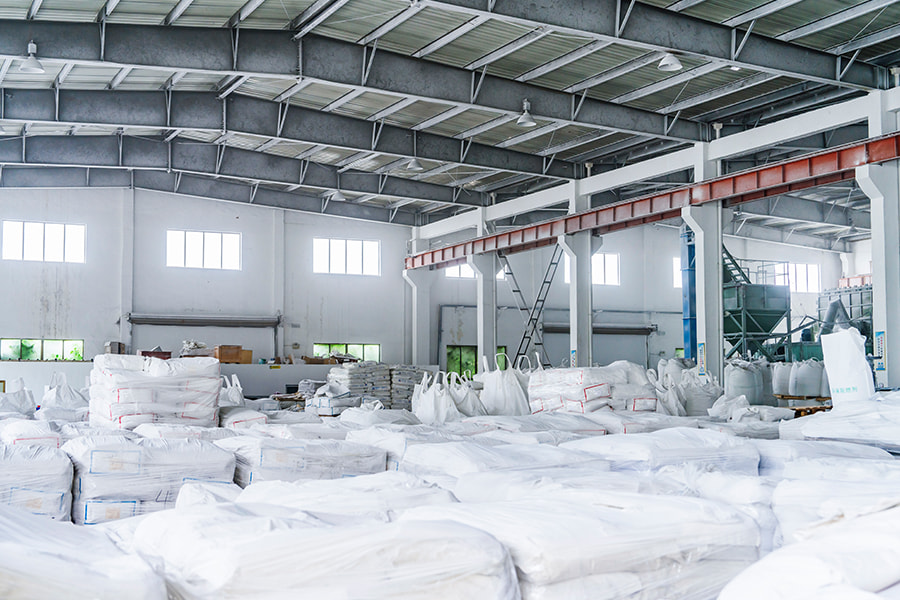
Jiangsu Zhuofeng New Materials Technology Co., Ltd. was established in 2020. It is a supplier specializing in the research, production, and marketing of high-performance and environmentally friendly flame retardants. The company's main products include environmentally friendly flame retardants, flame retardant masterbatches, char-forming agents, composite flame retardants, magnesium oxide, etc. Flame Retardant Masterbatch Manufacturers and Flame Retardant Masterbatch Suppliers. Relying on mature products and process technologies as well as standardized management, the company has established several mature high-purity, ultra-fine, and cost-effective flame retardant production lines, established a flame retardant polymer material application testing laboratory, and has carried out industry-university-research cooperation to develop and optimize flame retardant products. The founding team of Zhuofeng Technology has gathered a group of talents who have long been engaged in the research, production, marketing, and management of various functional materials. They can provide users with prompt technical support for application use. At Zhuofeng Technology, we are dedicated to meeting our customers' needs by delivering stable, high-performance, and environmentally friendly flame-retardant product lines. Custom Flame Retardant Masterbatch. Company strength data: Industry Experience: 6 years; Plant Scale: 18,000 square meters; Production Capacity:20000 tons.
-
2020Year
Establishment
-
18000m²
Plant Area
-
20000ton
Production Capacity
 Read More

Factory Show
Message Feedback
Industry Insights and Updates
-
2026-09-03Industry News
-
2026-08-28Industry News
-
2026-08-19Industry News
Industry Knowledge
Industry Knowledge
Why Loading Level Changes the Mechanical Behavior of Flame Retardant Masterbatch
Flame retardant masterbatch performance is rarely a simple pass/fail against a fire rating. The percentage of active flame retardant carried in the masterbatch, and the resulting let-down ratio in the final compound, directly determines how much the base resin's tensile strength, elongation at break, and impact resistance shift after processing. Mineral-based systems such as magnesium hydroxide or aluminum hydroxide typically require high total loading (often 50-65% in the finished part) to reach UL94 V-0, which means the carrier resin in the masterbatch itself needs to be selected for high filler acceptance without excessive viscosity build-up. Intumescent systems built around ammonium polyphosphate can reach comparable flame ratings at lower total loading, which tends to preserve elongation better but can introduce surface chalking if the phosphate particle size is not tightly controlled.
Practical loading ranges by resin system
| Base Resin | Common FR Type | Typical Loading (Final Part) | Elongation Impact |
| Polypropylene | Intumescent (APP-based) | 20-30% | Moderate reduction |
| Polyethylene | Magnesium Hydroxide | 50-60% | Significant reduction |
| EVA | Aluminum Hydroxide | 45-55% | Moderate to significant |
| ABS/PC blends | Phosphorus-based (non-halogen) | 12-18% | Minor reduction |
Buyers sourcing masterbatch for structural or load-bearing parts should always request the supplier's mechanical property data at the specific let-down ratio intended for production, not just the generic datasheet figures, since small changes in dispersion quality can shift results by several percentage points.
Char-Forming Agents: The Overlooked Variable in Intumescent Systems
Intumescent flame retardancy depends on three cooperating components: an acid source (commonly ammonium polyphosphate), a carbon source, and a blowing agent that generates gas to expand the char layer. The char-forming agent, usually a polyol such as pentaerythritol or a starch-derivative, is often treated as a minor ingredient, but its molecular structure has an outsized effect on how dense and heat-resistant the resulting char foam becomes. A char layer that is too thin or too brittle will crack under thermal stress and expose the underlying polymer to flame, causing a part that passed initial UL94 screening to fail after aging or thermal cycling.
Signs of a poorly optimized char agent ratio
- Afterflame time increases noticeably on repeat burn testing of the same batch
- Char residue crumbles rather than forming a continuous foamed crust
- Dripping occurs despite an intumescent formulation, indicating the char skin formed too late relative to melt flow
- Surface discoloration or blistering appears during extrusion, suggesting the blowing agent is decomposing prematurely at processing temperature
Compounders working with polypropylene or polyethylene substrates should ask suppliers for the decomposition onset temperature of the char agent relative to their processing window; a gap of at least 15-20°C between processing temperature and premature char activation is generally needed to avoid degraded pellet quality.
Halogen-Free Migration and Blooming: Root Causes and Mitigation
One of the most common field complaints with halogen-free flame retardant compounds is surface blooming, a white or waxy film that migrates to the part surface over weeks or months in storage. This is not a formulation defect on its own; it is a solubility mismatch between the flame retardant and the base resin at ambient temperature. Additives with limited compatibility in the polymer matrix will slowly diffuse toward the surface once the compound cools and crystallizes, particularly in semi-crystalline resins like polypropylene where the amorphous regions concentrate the additive during cooling.
Approaches that reduce blooming risk
- Selecting a coated or surface-treated grade of ammonium polyphosphate to lower its polarity mismatch with polyolefins
- Reducing overall loading through synergist combinations, since lower total additive volume reduces the driving force for migration
- Adjusting cooling rate during extrusion or injection molding to limit the crystallization window that concentrates additive at the surface
- Using compatibilizers such as maleic anhydride-grafted polyolefins to improve interfacial adhesion between the flame retardant particles and the resin
Buyers evaluating a new flame retardant masterbatch supplier should request accelerated aging data, typically 30-60 days at elevated temperature and humidity, rather than relying solely on initial appearance at the time of molding, since blooming often only becomes visible after the part has been in storage or transit.
Synergist Pairing Strategies to Reduce Total Flame Retardant Loading
High flame retardant loading is the primary driver of cost and mechanical property loss in compounded plastics, which is why synergist chemistry has become a central focus for formulators trying to hit fire ratings without over-loading the resin. Synergists do not carry meaningful flame retardant activity on their own but amplify the effect of the primary flame retardant through complementary mechanisms, such as promoting char formation in the gas phase while the primary additive works in the condensed phase.
Common synergist combinations in current formulations
| Primary Flame Retardant | Synergist | Loading Reduction Achieved |
| Ammonium Polyphosphate | Melamine derivatives | Approximately 15-20% |
| Magnesium Hydroxide | Red phosphorus (trace levels) | Approximately 10-15% |
| Phosphorus-based esters | Nano-clay or layered silicates | Approximately 10-25% |
Nano-clay synergists in particular require careful dispersion control during masterbatch production, since agglomerated clay platelets do not deliver the barrier effect that drives their flame retardant contribution; twin-screw compounding with a high shear profile is generally necessary to achieve adequate exfoliation.
Storage and Moisture Sensitivity of Ammonium Polyphosphate-Based Masterbatch
Ammonium polyphosphate, one of the most widely used intumescent flame retardants, is inherently hygroscopic unless it has been microencapsulated. Moisture absorption during storage or transport can cause two separate downstream problems: hydrolytic degradation of the phosphate chain, which reduces flame retardant efficiency, and steam generation during melt processing, which produces surface voids, splay marks, or bubbling in the extruded or molded part. This is a frequent root cause when a compound that performed well in initial trials suddenly shows inconsistent fire test results or visual defects months later.
Handling recommendations for moisture-sensitive masterbatch
- Store sealed in moisture-barrier bags with desiccant, especially in coastal or high-humidity manufacturing regions
- Avoid opening original packaging until immediately before use on the production line
- Dry pellets at 80-100°C for 2-4 hours if the material has been exposed to ambient air for an extended period
- Request microencapsulated APP grades for applications with long storage times or humid end-use environments
Screw and Processing Adjustments When Switching to Flame Retardant Masterbatch
High filler loading in flame retardant masterbatch changes melt rheology enough that processors switching from unfilled or lightly filled resin often need to revisit their screw design and temperature profile rather than assuming a direct drop-in replacement. Mineral-filled systems in particular increase melt viscosity and can cause higher shear heating, which raises the risk of localized degradation or die buildup if barrel temperatures are not adjusted downward slightly to compensate.
Adjustments that typically improve output quality
- Reducing screw speed by 10-15% to limit shear heating in highly filled compounds
- Lowering rear zone barrel temperature slightly to reduce the risk of premature decomposition of intumescent components
- Using a screw with a longer compression zone to improve dispersion of high-loading mineral fillers without excessive residence time
- Increasing back pressure moderately during injection molding to improve packing density in heavily filled parts
Processors evaluating a new masterbatch supplier should ask for the recommended processing window alongside the flame retardant datasheet, since suppliers with an in-house application testing laboratory are typically able to provide validated parameters rather than generic ranges.
Reading Beyond LOI: What UL94 Ratings Do and Do Not Confirm
Limiting Oxygen Index and UL94 vertical/horizontal burn ratings are the most commonly cited flame retardant benchmarks in procurement conversations, but neither test confirms real-world fire performance in a finished product. LOI measures the minimum oxygen concentration needed to sustain combustion under controlled lab conditions, while UL94 evaluates burn and drip behavior on a standardized small specimen. Neither accounts for part geometry, wall thickness variation, or the presence of other components such as pigments, UV stabilizers, or glass fiber reinforcement that can interact with the flame retardant system and shift performance in either direction.
Additional data worth requesting from a supplier
- UL94 results tested at the actual wall thickness used in the finished part, not just the standard 1.6mm or 3.2mm bar
- Glow wire ignition temperature data if the application involves electrical contact points
- Compatibility data with any glass fiber or mineral filler already present in the base compound
- Smoke density and toxicity data if the end application falls under transportation or building code requirements beyond basic flammability
Working with a supplier that maintains its own polymer application testing capability generally shortens this validation cycle, since formulation adjustments can be tested and confirmed internally before a new batch is shipped for customer trial.
Let'S Work Together Welcome Aboard!
-
Oversea Sales: mayuqin@zhuofengfr.com
Company email: rikkima@zhuofengfr.com
-
WhatsApp: +86 18105180388
-
Address: No. 5, Wutai Road, Dongba Street, Gaochun District, Nanjing City, Jiangsu Province, China
Join Our Mailing List
Product Categories
Quick Links
Quick Links
Copyright © Jiangsu Zhuofeng New Materials Technology Co., Ltd.
All Rights Reserved.
 Flame Retardant Masterbatch Suppliers
Flame Retardant Masterbatch Suppliers