
 English
 Tiếng Việt

product
product
product
product
product
product
product
product
product
product
product
product
product
product
product
product

Aluminium Hydroxide
Product Category
Contact us
Jiangsu Zhuofeng New Materials Technology Co., Ltd.
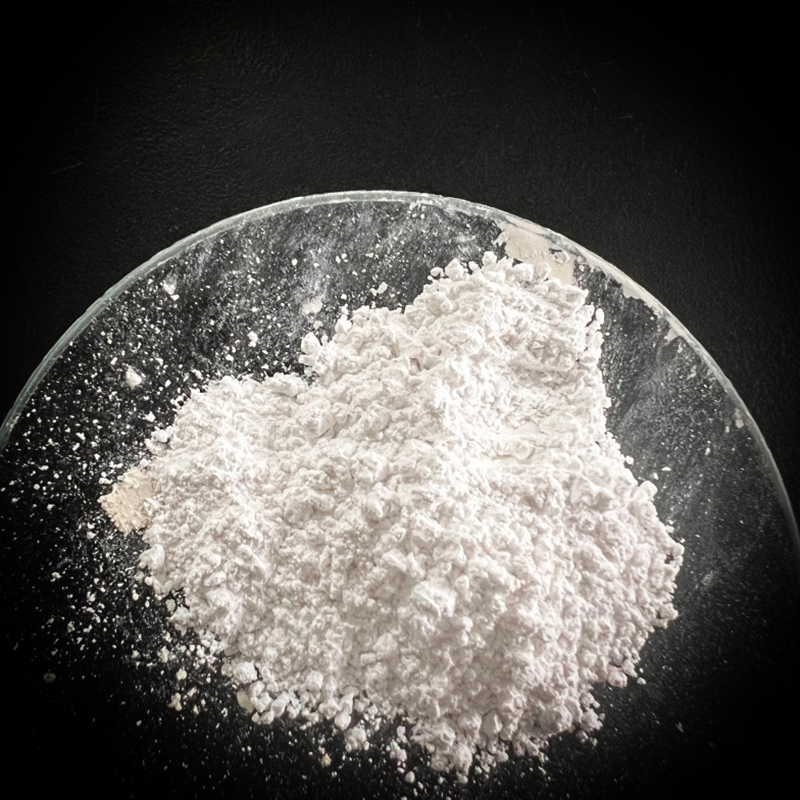
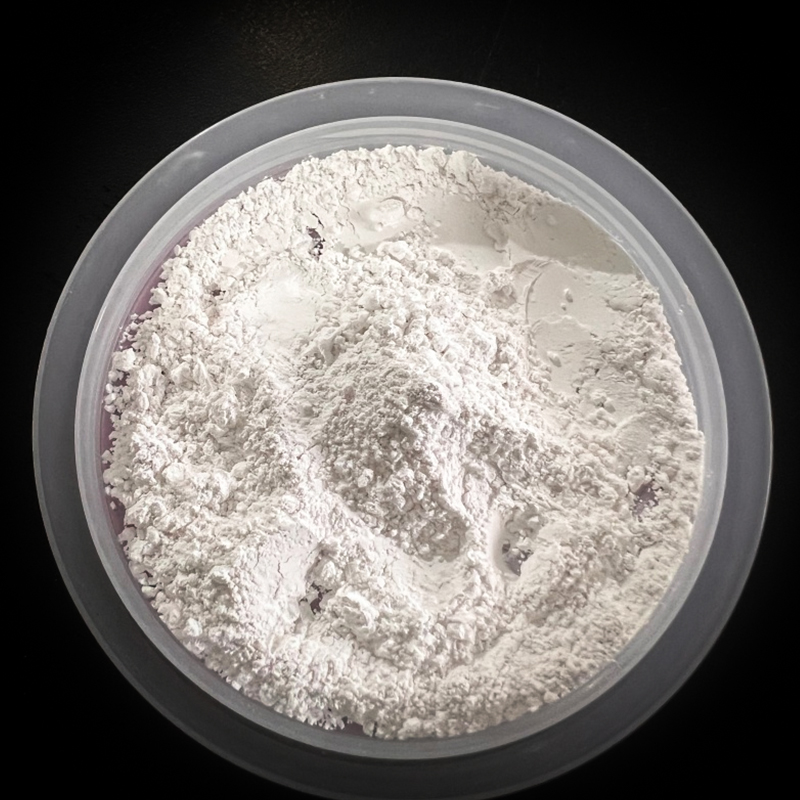
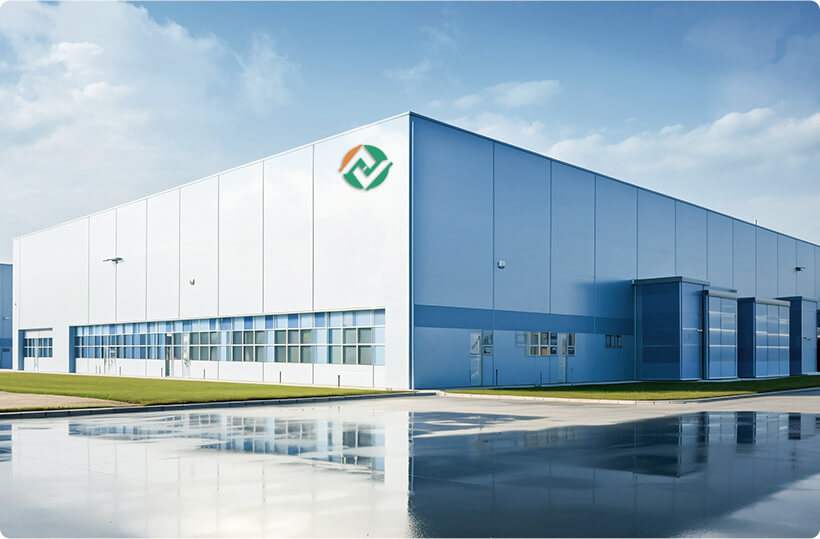
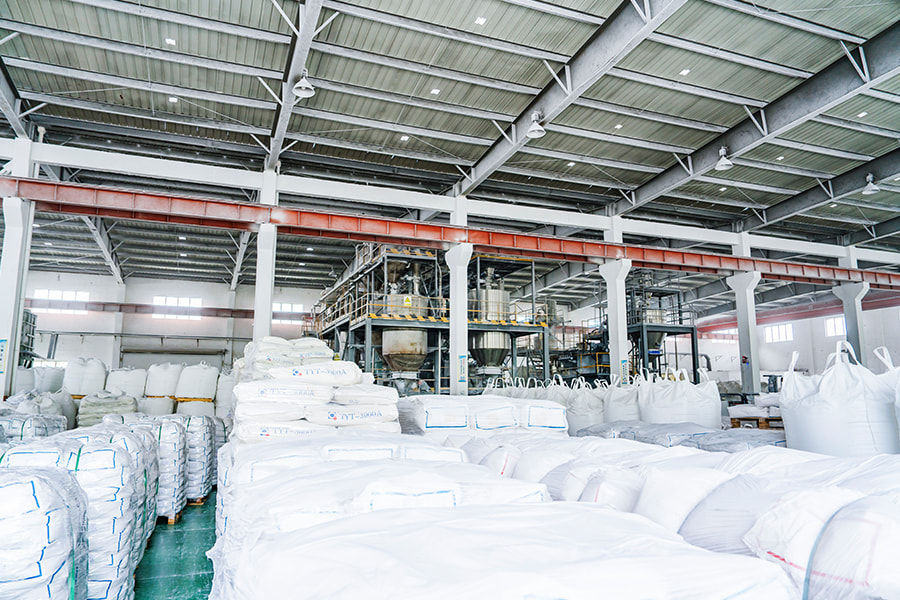
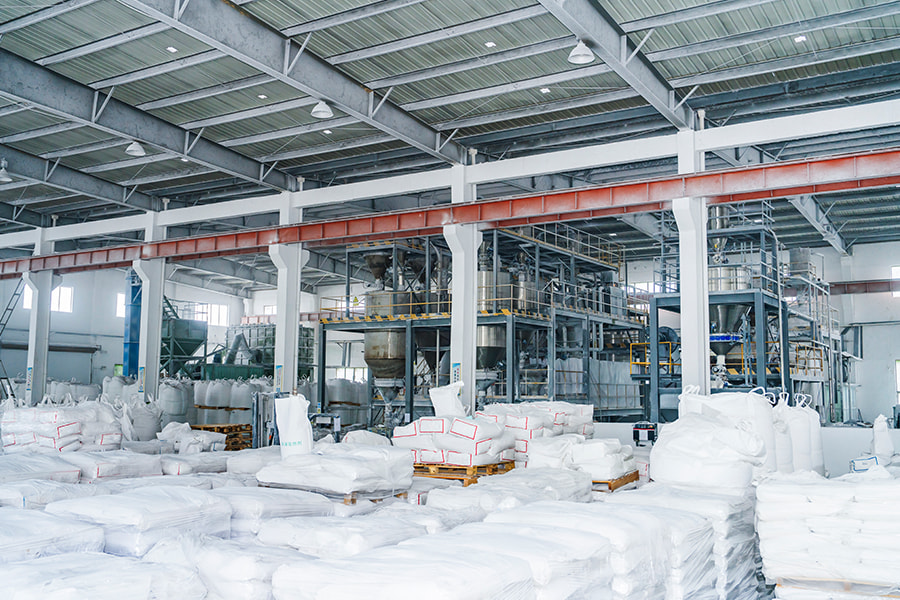
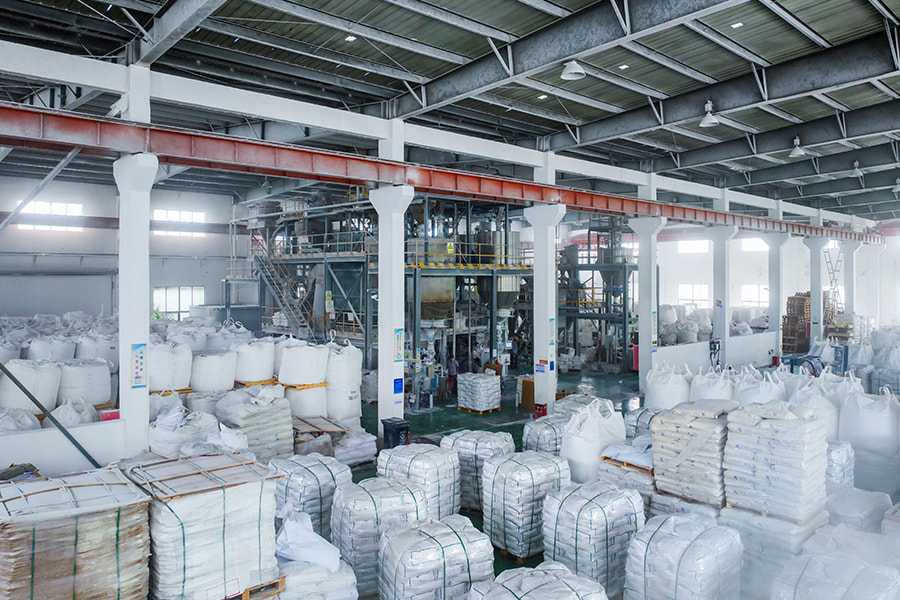
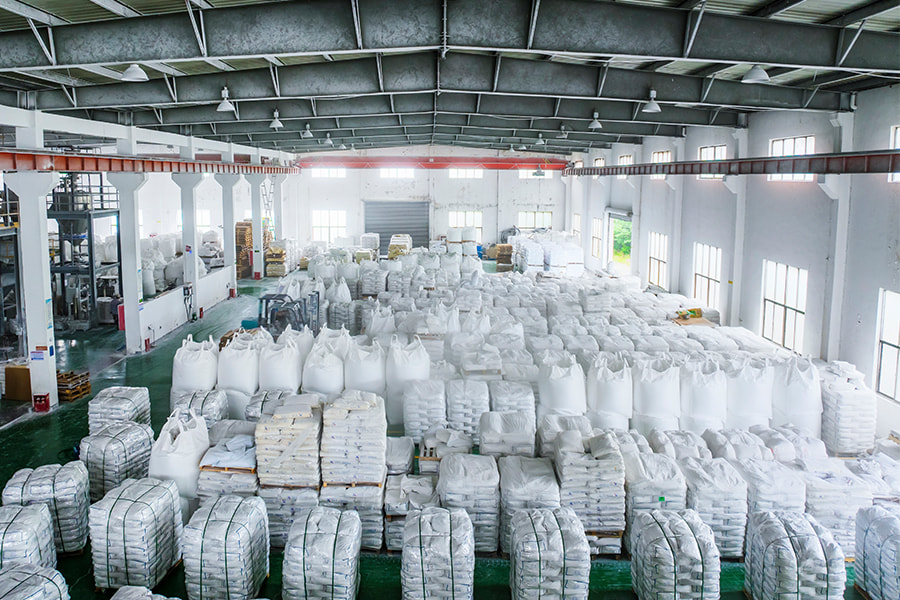
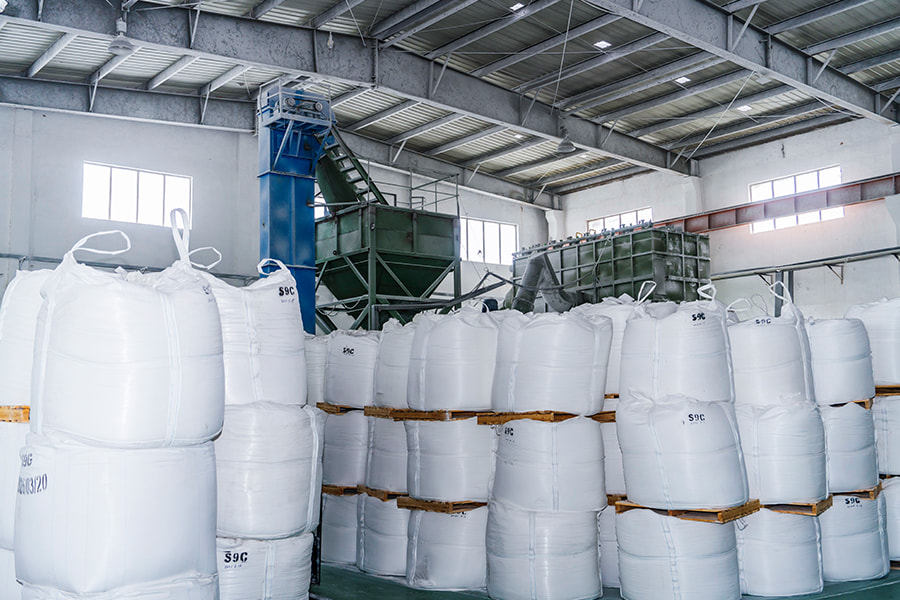
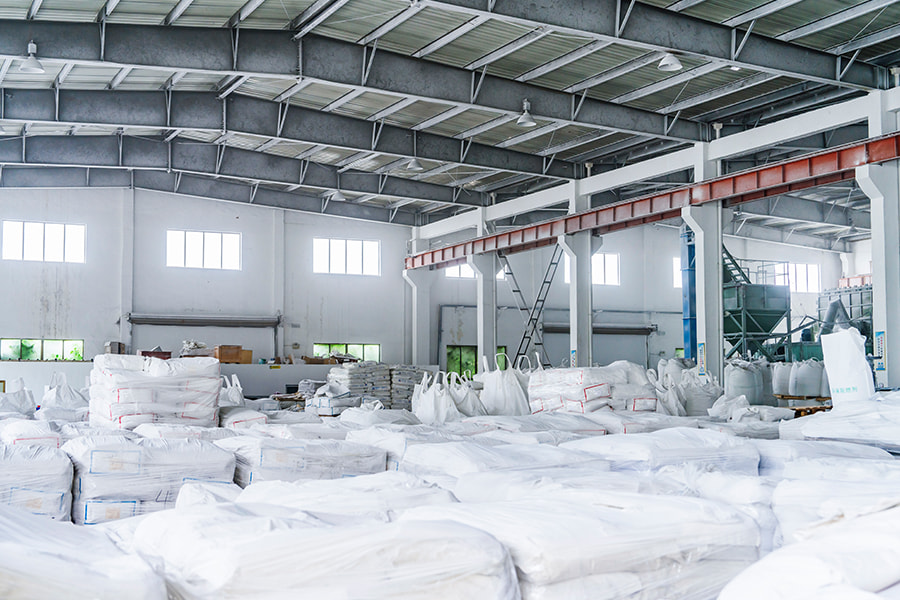
Jiangsu Zhuofeng New Materials Technology Co., Ltd. was established in 2020. It is a supplier specializing in the research, production, and marketing of high-performance and environmentally friendly flame retardants. The company's main products include environmentally friendly flame retardants, flame retardant masterbatches, char-forming agents, composite flame retardants, magnesium oxide, etc. Aluminium Hydroxide Manufacturers and Aluminium Hydroxide Factory. Relying on mature products and process technologies as well as standardized management, the company has established several mature high-purity, ultra-fine, and cost-effective flame retardant production lines, established a flame retardant polymer material application testing laboratory, and has carried out industry-university-research cooperation to develop and optimize flame retardant products. The founding team of Zhuofeng Technology has gathered a group of talents who have long been engaged in the research, production, marketing, and management of various functional materials. They can provide users with prompt technical support for application use. At Zhuofeng Technology, we are dedicated to meeting our customers' needs by delivering stable, high-performance, and environmentally friendly flame-retardant product lines. Custom Aluminium Hydroxide. Company strength data: Industry Experience: 6 years; Plant Scale: 18,000 square meters; Production Capacity:20000 tons.
-
2020Year
Establishment
-
18000m²
Plant Area
-
20000ton
Production Capacity
 Read More
Factory Show
Message Feedback
Industry Insights and Updates
-
2026-09-17Industry News
-
2026-09-14Industry News
-
2026-09-08Industry News
Industry Knowledge
Industry Knowledge
Why Aluminium Hydroxide's Low Decomposition Temperature Is Both an Advantage and a Constraint
Aluminium hydroxide (ATH) begins decomposing at roughly 200-220°C, which is significantly lower than magnesium hydroxide's 340-350°C onset, and this single property drives most of the decisions formulators make when choosing between the two. The lower decomposition temperature means ATH releases its water of crystallization earlier in a fire event, which can be an advantage for applications where early-stage flame suppression matters more than sustained protection at extreme temperatures. At Jiangsu Zhuofeng New Materials Technology Co., Ltd., we see this property drive strong ATH adoption in unsaturated polyester resins, cast polymer countertops, and EVA foam, all of which process comfortably below ATH's decomposition threshold.
That same low decomposition temperature becomes a serious limitation in polymers that require higher processing temperatures, such as polypropylene or engineering thermoplastics processed above 200°C. Using ATH in these systems risks premature decomposition during extrusion or injection molding, releasing water vapor into the melt that causes voids, surface defects, or foaming. Formulators working with higher-temperature resins generally need to switch to magnesium hydroxide or a magnesium oxide-based system instead, even though ATH would otherwise be the lower-cost option.
Matching ATH Grade to Processing Window
| Processing Temperature | Suitable Filler | Typical Application |
|---|---|---|
| Below 180°C | Standard ATH | Cast polymer, UPR, EVA foam |
| 180-200°C | Coated/stabilized ATH | Rubber compounds, some PVC systems |
| Above 200°C | Magnesium hydroxide or MgO | PP, PE, engineering thermoplastics |
Requesting your resin's actual processing temperature profile from a supplier, rather than relying on general filler compatibility charts, is the single most reliable way to avoid a costly formulation mismatch discovered only after a production run has already started.
ATH's Role in Smoke Suppression for Low Smoke Zero Halogen Compounds
Beyond its flame retardant function, ATH plays an outsized role in smoke density reduction, which is why it remains a core ingredient in low smoke zero halogen (LSZH) cable compounds despite the availability of newer flame retardant chemistries. As ATH decomposes, the released water vapor dilutes combustible gases and cools the flame zone, which reduces both the rate of smoke generation and the density of smoke particulates. For cable applications destined for enclosed spaces such as subway tunnels, ships, or data centers, smoke density specifications are often as strict as the flame rating itself, and ATH loading levels are frequently set based on smoke test results rather than LOI alone.
- Higher ATH loading generally improves both flame retardancy and smoke suppression simultaneously, unlike some halogenated systems that trade one for the other
- Surface-treated ATH grades disperse more evenly at high loading, reducing the localized agglomeration that can create weak points in cable jacketing
- Combining ATH with a char-forming agent can improve smoke suppression further by trapping particulates within a stabilized char layer rather than allowing them to disperse freely
Our application testing lab, built specifically to validate flame retardant polymer compounds, routinely runs smoke density chamber tests alongside standard LOI and UL94 evaluation, since a formulation that passes flame testing can still fail a project's smoke specification if ATH loading or particle size wasn't optimized for that requirement.
Evaluating an Aluminium Hydroxide Manufacturer Before Committing to a Contract
Not all ATH on the market is produced to the same consistency, and differences that seem minor on a spec sheet can create real production problems at scale. Oil absorption value, for instance, is often overlooked but directly affects how much processing aid or plasticizer a compound needs to maintain workability at high ATH loading; a supplier that doesn't report this figure consistently across batches is effectively asking your process engineers to compensate for variability they can't see coming. Whiteness and particle size distribution matter just as much for applications where the finished part's surface finish or color is part of the product specification.
When comparing Aluminium Hydroxide Manufacturers, it's worth asking directly how the raw bauxite or aluminum hydroxide feedstock is sourced and whether the facility runs its own particle classification in-house, since outsourced grinding steps introduce an additional point of quality variability outside the manufacturer's direct control. Jiangsu Zhuofeng New Materials Technology Co., Ltd. runs its high-purity and ultra-fine production lines in-house end to end, which keeps particle size, whiteness, and oil absorption consistent from batch to batch rather than depending on a third-party processor's own quality standards. For buyers vetting a Factory for a long-term supply agreement, requesting side-by-side test data from at least two separate production runs remains the most reliable way to confirm that consistency claims hold up in practice rather than only in a single sales sample.
Let'S Work Together Welcome Aboard!
-
Oversea Sales: mayuqin@zhuofengfr.com
Company email: rikkima@zhuofengfr.com
-
WhatsApp: +86 18105180388
-
Address: No. 5, Wutai Road, Dongba Street, Gaochun District, Nanjing City, Jiangsu Province, China
Join Our Mailing List
Product Categories
Quick Links
Quick Links
Copyright © Jiangsu Zhuofeng New Materials Technology Co., Ltd.
All Rights Reserved.
 Aluminium Hydroxide Factory
Aluminium Hydroxide Factory