
 English
 Tiếng Việt

product
product
product
product
product
product
product
product
product
product
product
product
product
product
product
product

Montmorillonite
Product Category
Contact us
Montmorillonite Powder Manufacturers
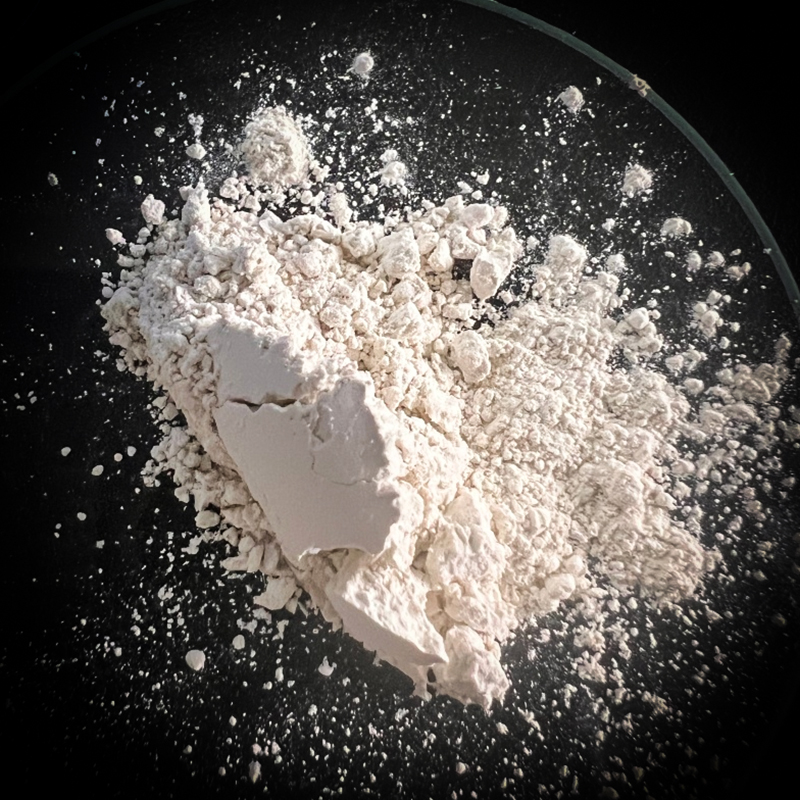
Jiangsu Zhuofeng New Materials Technology Co., Ltd.
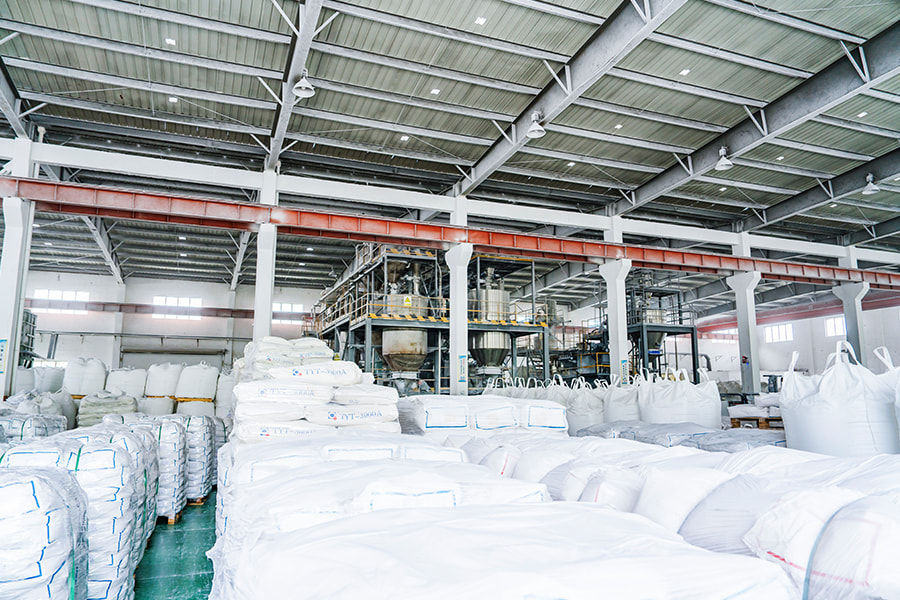
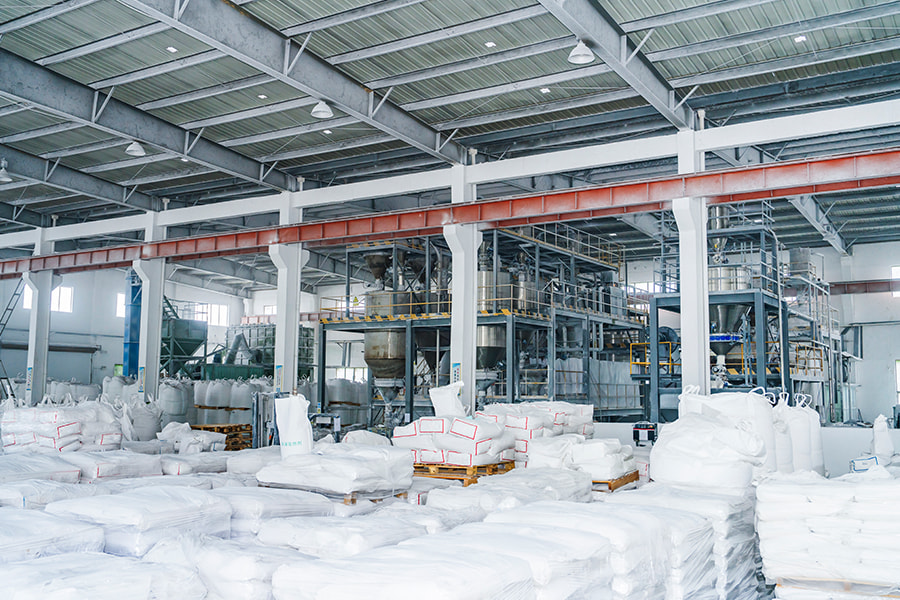
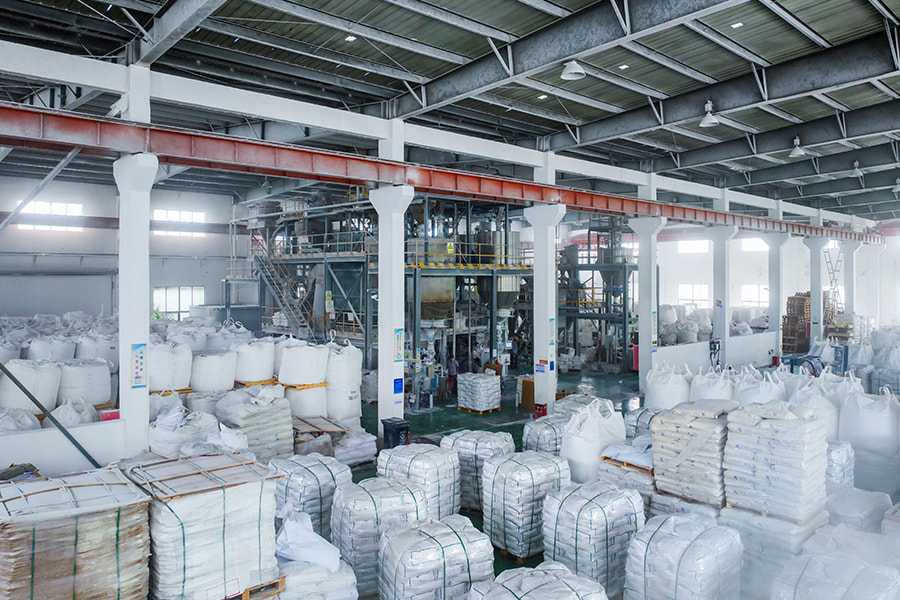
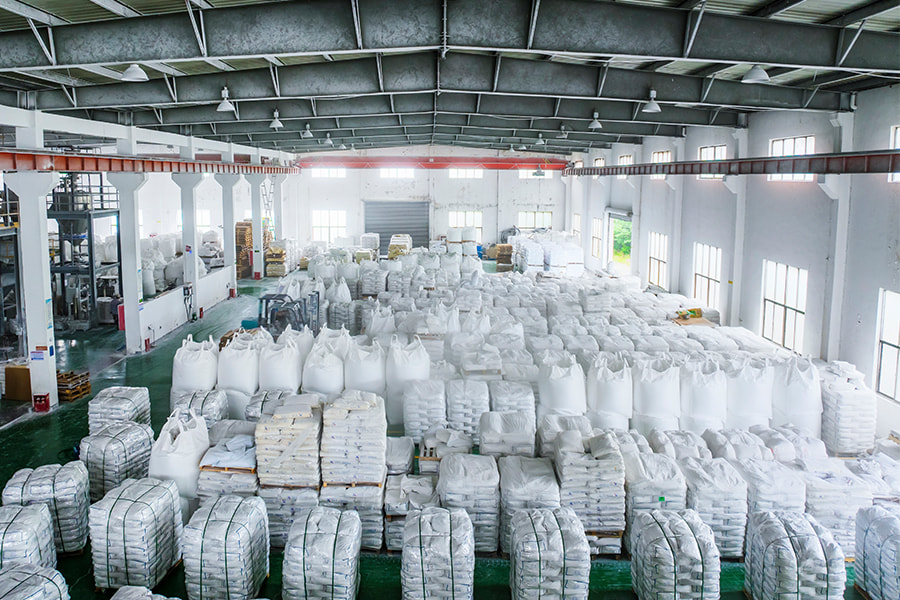
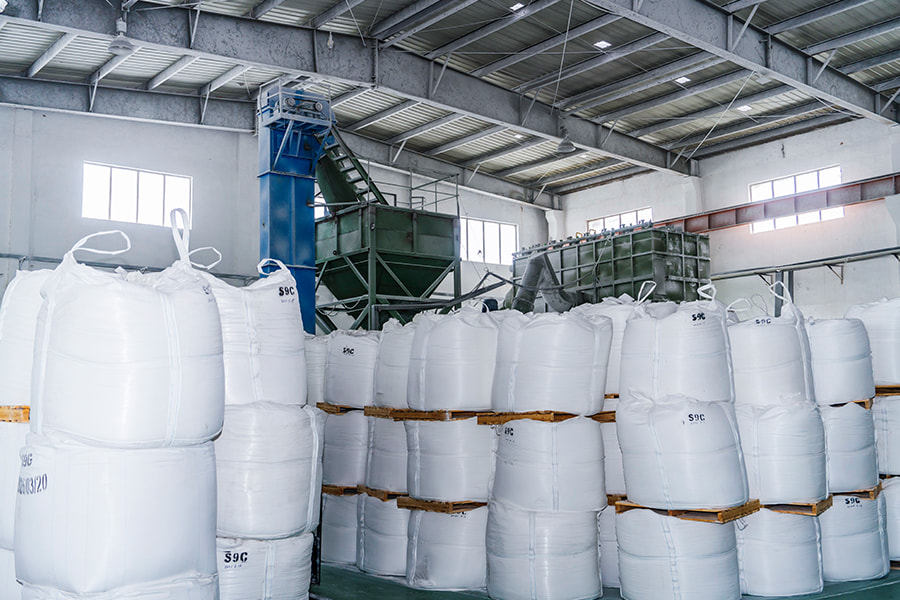
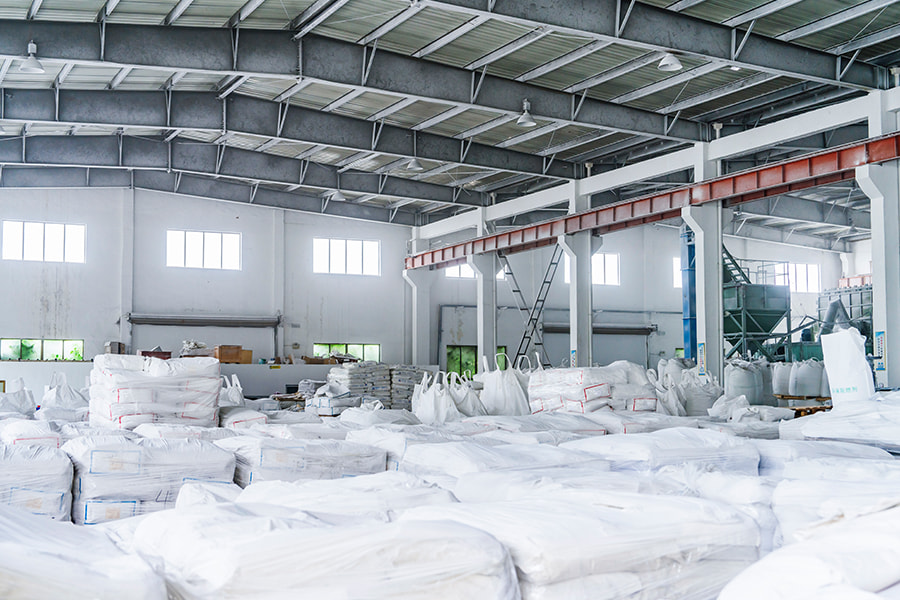
Jiangsu Zhuofeng New Materials Technology Co., Ltd. was established in 2020. It is a supplier specializing in the research, production, and marketing of high-performance and environmentally friendly flame retardants. The company's main products include environmentally friendly flame retardants, flame retardant masterbatches, char-forming agents, composite flame retardants, magnesium oxide, etc. Montmorillonite Powder Manufacturers and Montmorillonite Clay Powder Factory. Relying on mature products and process technologies as well as standardized management, the company has established several mature high-purity, ultra-fine, and cost-effective flame retardant production lines, established a flame retardant polymer material application testing laboratory, and has carried out industry-university-research cooperation to develop and optimize flame retardant products. The founding team of Zhuofeng Technology has gathered a group of talents who have long been engaged in the research, production, marketing, and management of various functional materials. They can provide users with prompt technical support for application use. At Zhuofeng Technology, we are dedicated to meeting our customers' needs by delivering stable, high-performance, and environmentally friendly flame-retardant product lines. Bulk Wholesale Montmorillonite Clay Powder. Company strength data: Industry Experience: 6 years; Plant Scale: 18,000 square meters; Production Capacity:20000 tons.
-
2020Year
Establishment
-
18000m²
Plant Area
-
20000ton
Production Capacity
 Read More

Factory Show
Message Feedback
Industry Insights and Updates
-
2026-09-17Industry News
-
2026-09-14Industry News
-
2026-09-08Industry News
Industry Knowledge
Industry Knowledge
How Montmorillonite's Layered Structure Improves Flame Retardant System Performance
Montmorillonite doesn't function as a standalone flame retardant the way magnesium hydroxide or ATH does; instead, its value in flame retardant formulations comes from its layered silicate structure, which acts as a physical barrier once dispersed at the nanoscale within a polymer matrix. At Jiangsu Zhuofeng New Materials Technology Co., Ltd., we typically position montmorillonite as a synergist rather than a primary flame retardant, since its main contribution is slowing the diffusion of both oxygen into the burning polymer and flammable decomposition products out of it. When properly exfoliated, the silicate platelets create a tortuous path that heat and gas must navigate, which measurably reduces peak heat release rate in cone calorimeter testing even at relatively low loading levels of 3-5%.
Achieving this barrier effect depends entirely on dispersion quality. Montmorillonite in its natural stacked form provides minimal flame retardant benefit, since the individual silicate layers remain bonded together and behave more like a conventional inert filler. Only when the layers are separated, either through ion exchange with organic modifiers or through high-shear mechanical processing during compounding, does the material achieve the exfoliated or intercalated structure that produces a meaningful barrier effect.
Organic Modification: The Step That Determines Compatibility
Raw montmorillonite is naturally hydrophilic due to the sodium or calcium ions between its silicate layers, which makes it fundamentally incompatible with the hydrophobic polymers used in most flame retardant compounds. Organic modification, typically through cation exchange with quaternary ammonium compounds, replaces these inorganic ions with organic ones, widening the interlayer spacing and making the clay compatible with organic polymer chains. The degree of modification directly affects how easily the clay exfoliates during compounding, which in turn determines whether the barrier effect actually materializes in the finished part.
- Unmodified montmorillonite: poor polymer compatibility, minimal exfoliation, limited flame retardant benefit
- Organically modified montmorillonite: improved interlayer spacing, better exfoliation potential, requires matching the modifier chemistry to the target resin
- Modifier selection should account for processing temperature, since some quaternary ammonium modifiers begin to degrade above 200°C, undermining exfoliation during high-temperature compounding
Combining Montmorillonite With Conventional Flame Retardants for Better Loading Efficiency
One of the more practical benefits of montmorillonite in flame retardant formulation work is its ability to reduce the total loading of conventional fillers like magnesium hydroxide or ATH needed to hit a target flame rating. Because the silicate layers slow heat and mass transfer independently of the primary flame retardant's chemical mechanism, adding a small percentage of exfoliated montmorillonite alongside a standard mineral filler package can allow formulators to lower overall filler content by 5-10% while maintaining equivalent UL94 or LOI performance. This matters directly for mechanical properties, since lower total filler loading generally preserves more of the base resin's elongation and impact strength.
| Formulation Approach | Typical Mineral Filler Loading | Relative Mechanical Retention |
|---|---|---|
| Mineral filler only | 55-65% | Baseline |
| Mineral filler + 3-5% montmorillonite | 45-55% | Improved elongation and impact strength |
This synergy needs to be validated through actual compounding trials rather than assumed from general literature, since exfoliation quality varies with screw design, shear rate, and residence time, all of which differ between production equipment.
What to Verify When Sourcing Montmorillonite for Flame Retardant Applications
Cation exchange capacity (CEC) is one of the most important specifications to request from any montmorillonite supplier, since it determines how much organic modifier the clay can actually accept during processing and directly influences how well the finished material will exfoliate. A low CEC limits the degree of organic modification achievable, which caps the potential barrier performance regardless of how well the compounding process is optimized. Interlayer spacing (d-spacing), measured via X-ray diffraction, is a second key data point, since it provides direct evidence of whether organic modification has actually widened the layer structure rather than just coating the clay's outer surface.
Working with experienced Montmorillonite Powder Manufacturers who can supply both CEC and XRD d-spacing data alongside standard particle size specifications gives formulators a much clearer basis for predicting compounding performance before committing to a full trial run. Jiangsu Zhuofeng New Materials Technology Co., Ltd. supports this kind of technical evaluation through its application testing laboratory and industry-university-research collaborations, helping customers match modifier chemistry to their specific resin system rather than relying on generic product literature. For buyers sourcing Montmorillonite Clay Powder Bulk for ongoing production, requesting consistent CEC and d-spacing data across multiple batches remains the clearest way to confirm that exfoliation performance won't drift as supply volume scales up.
Let'S Work Together Welcome Aboard!
-
Oversea Sales: mayuqin@zhuofengfr.com
Company email: rikkima@zhuofengfr.com
-
WhatsApp: +86 18105180388
-
Address: No. 5, Wutai Road, Dongba Street, Gaochun District, Nanjing City, Jiangsu Province, China
Join Our Mailing List
Product Categories
Quick Links
Quick Links
Copyright © Jiangsu Zhuofeng New Materials Technology Co., Ltd.
All Rights Reserved.
 Montmorillonite Clay Powder Factory
Montmorillonite Clay Powder Factory