
 English
 Tiếng Việt

product
product
product
product
product
product
product
product
product
product
product
product
product
product
product
product

Flame Retardant for Ink
Product Category
Contact us
Jiangsu Zhuofeng New Materials Technology Co., Ltd.
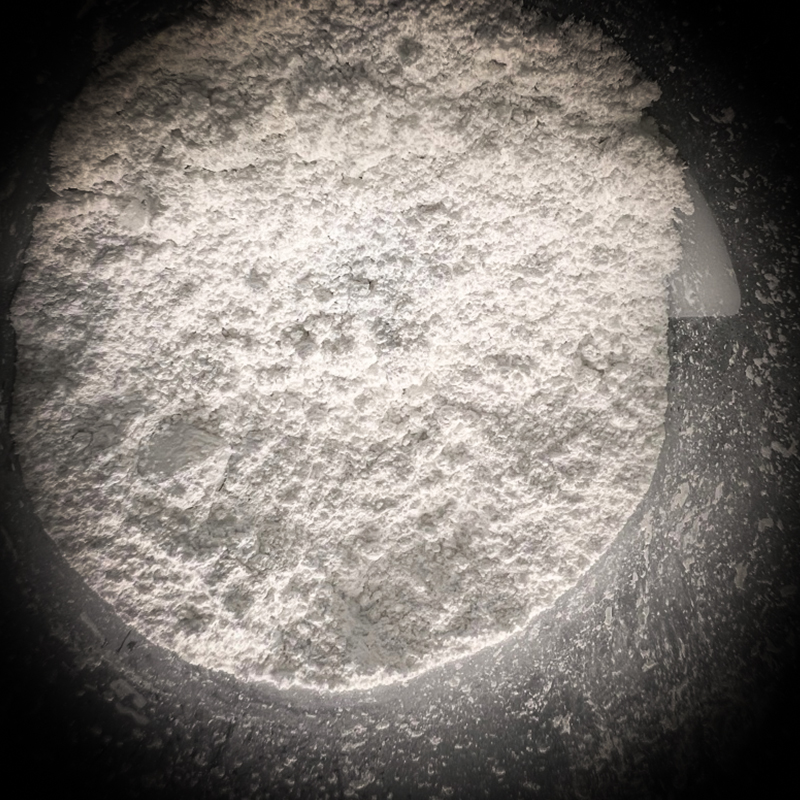
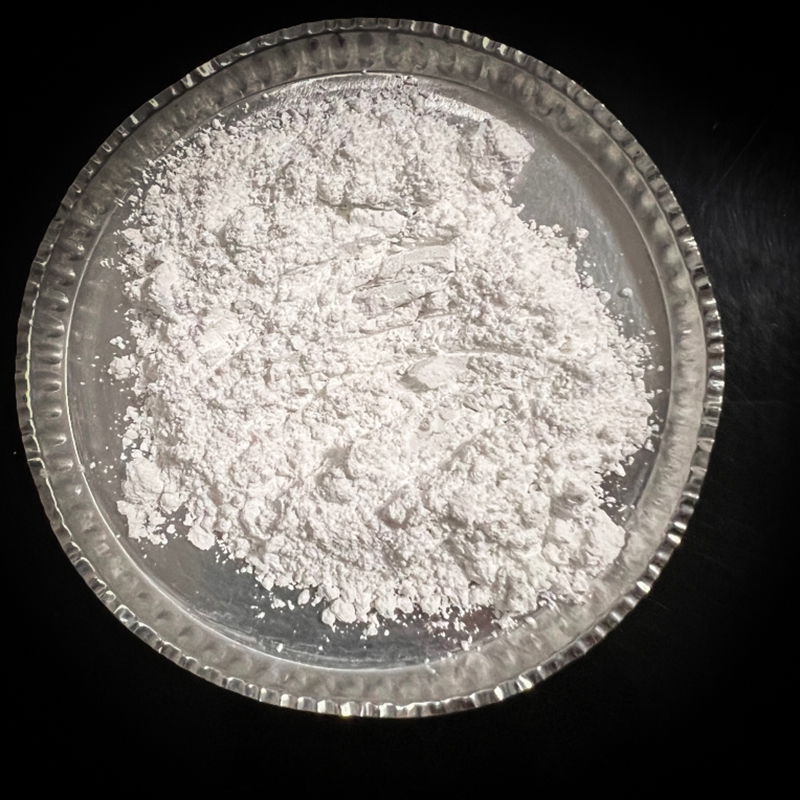
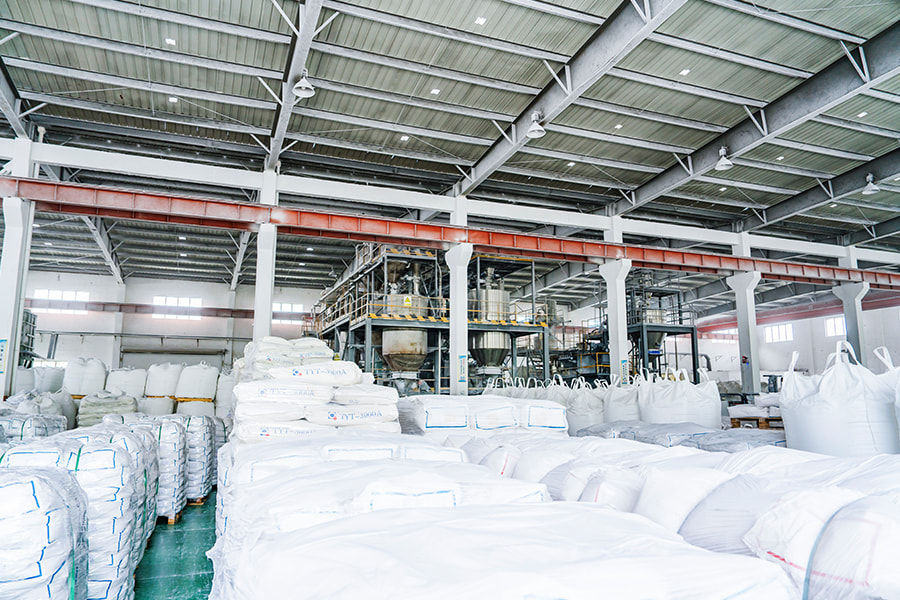
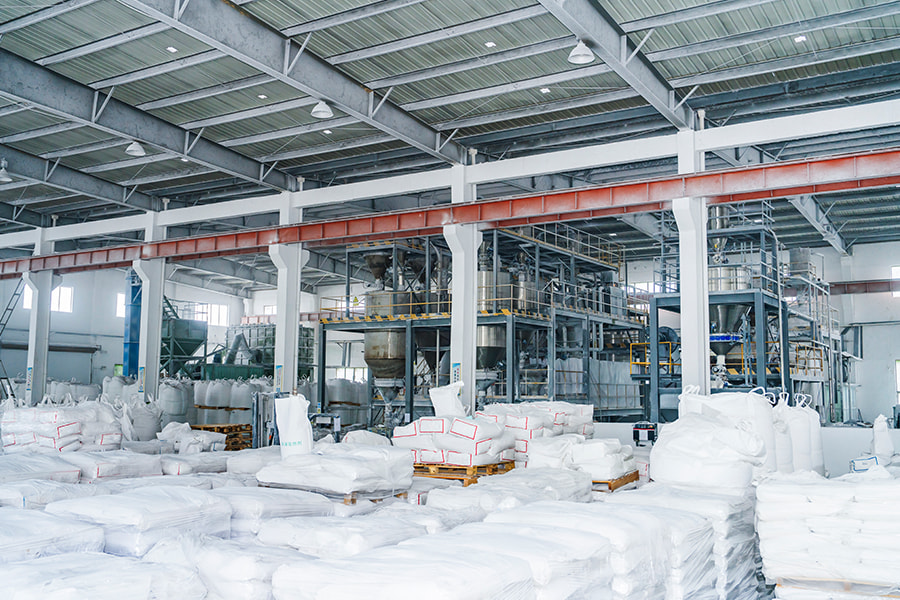
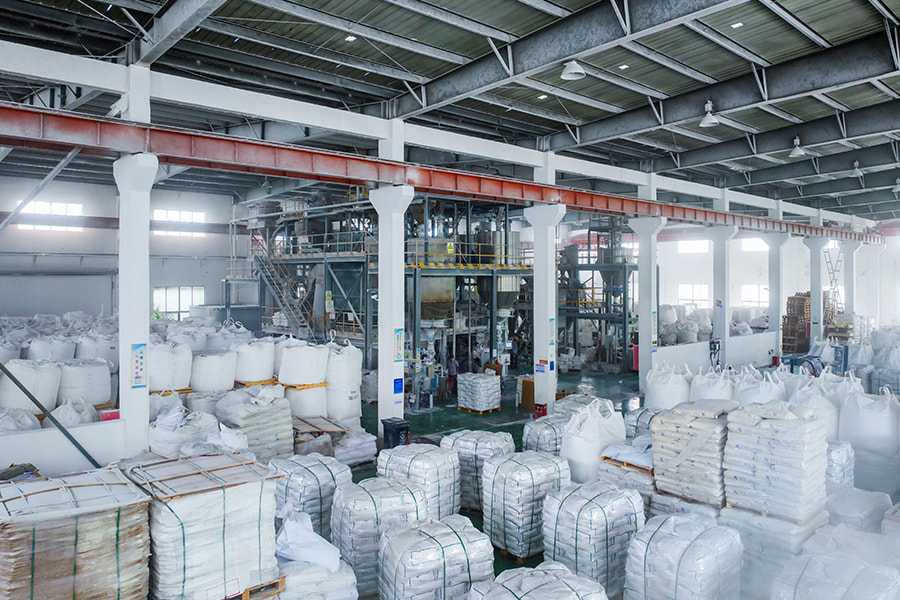
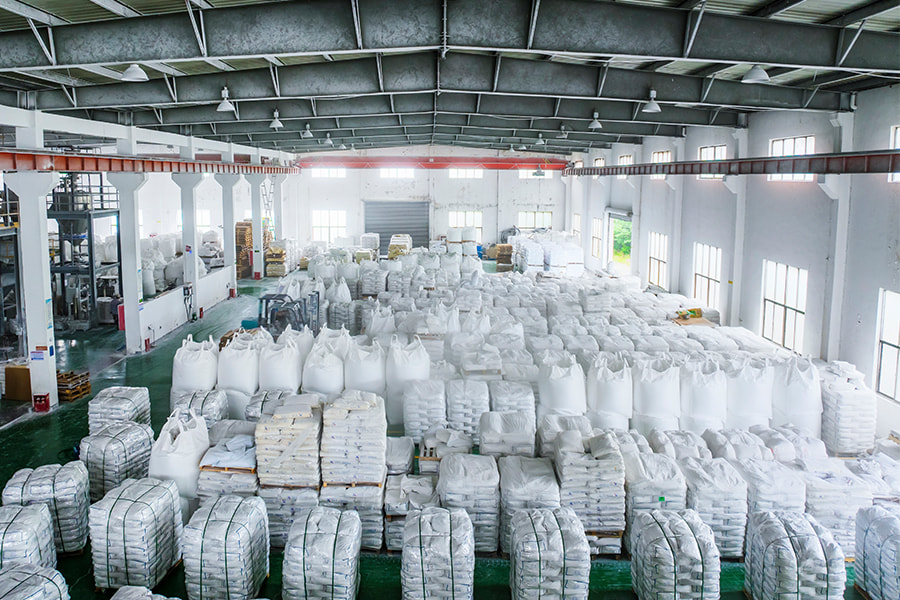
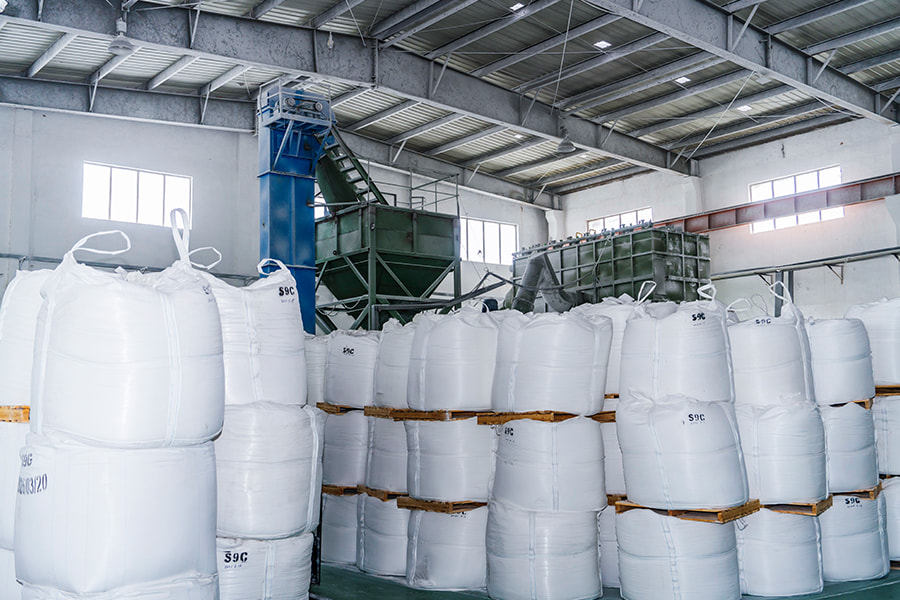
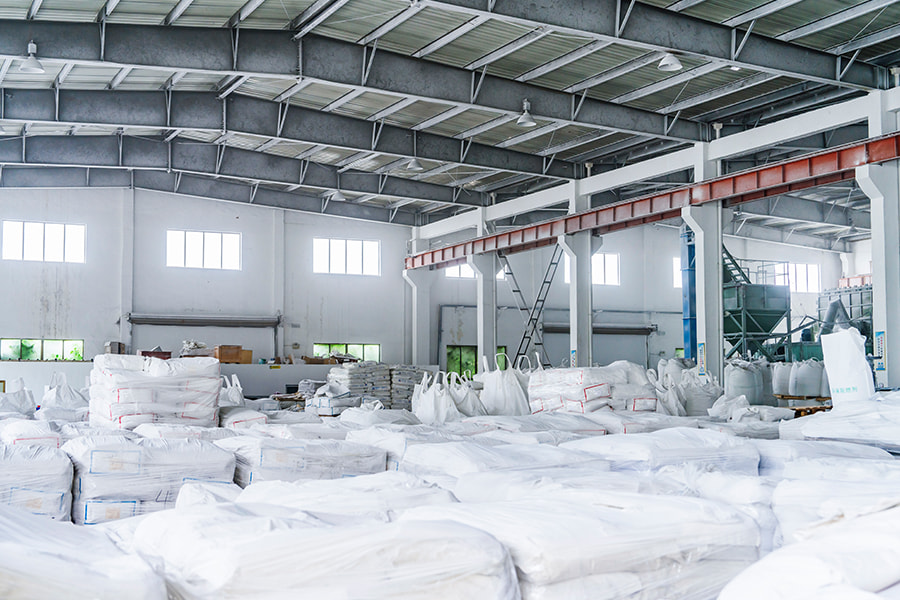
Jiangsu Zhuofeng New Materials Technology Co., Ltd. was established in 2020. It is a supplier specializing in the research, production, and marketing of high-performance and environmentally friendly flame retardants. The company's main products include environmentally friendly flame retardants, flame retardant masterbatches, char-forming agents, composite flame retardants, magnesium oxide, etc. Ink Flame Retardant Manufacturers and Ink Flame Retardant Factory. Relying on mature products and process technologies as well as standardized management, the company has established several mature high-purity, ultra-fine, and cost-effective flame retardant production lines, established a flame retardant polymer material application testing laboratory, and has carried out industry-university-research cooperation to develop and optimize flame retardant products. The founding team of Zhuofeng Technology has gathered a group of talents who have long been engaged in the research, production, marketing, and management of various functional materials. They can provide users with prompt technical support for application use. At Zhuofeng Technology, we are dedicated to meeting our customers' needs by delivering stable, high-performance, and environmentally friendly flame-retardant product lines. Wholesale Flame Retardant for Ink. Company strength data: Industry Experience: 6 years; Plant Scale: 18,000 square meters; Production Capacity:20000 tons.
-
2020Year
Establishment
-
18000m²
Plant Area
-
20000ton
Production Capacity
 Read More

Factory Show
Message Feedback
Industry Insights and Updates
-
2026-09-03Industry News
-
2026-08-28Industry News
-
2026-08-19Industry News
Industry Knowledge
Industry Knowledge
Why Flame Retardant Formulation for Ink Differs Fundamentally From Solid Polymer Compounds
Formulating a flame retardant for ink introduces constraints that don't exist in solid thermoplastic compounding, and at Jiangsu Zhuofeng New Materials Technology Co., Ltd. we treat ink applications as a distinct formulation category rather than a smaller-scale version of standard compound work. The most immediate difference is particle size tolerance: ink systems, particularly those applied through gravure, flexo, or screen printing, require flame retardant particles fine enough to avoid clogging printing plates or screens, typically well below 5 microns and often into the sub-micron range depending on the printing method and mesh count involved.
Dispersion stability in a liquid carrier is the second major constraint. Unlike a solid polymer compound where a filler is locked into place once the material cools, flame retardant particles in a liquid ink formulation remain free to settle, agglomerate, or separate from the resin binder over the ink's shelf life. A flame retardant that disperses well during initial mixing but re-agglomerates within weeks of storage creates real problems for ink manufacturers who need consistent print performance across an entire production run, not just at the moment of formulation.
Matching Flame Retardant Chemistry to Ink Carrier System
| Ink Carrier Type | Compatible Flame Retardant Approach | Key Consideration |
|---|---|---|
| Water-based ink | Surface-modified mineral fillers, phosphorus-based options | Hydrophilic surface treatment needed for stable dispersion |
| Solvent-based ink | Organophilic surface-treated fillers | Solvent compatibility affects long-term suspension stability |
| UV-curable ink | Ultra-fine, low-yellowing mineral or phosphorus systems | Must not interfere with UV cure mechanism or clarity |
Ink manufacturers switching carrier systems, for example moving from solvent-based to water-based formulations to meet tightening VOC regulations, should treat the flame retardant component as needing full re-validation rather than assuming a direct one-to-one transfer, since surface treatment chemistry optimized for one carrier type frequently performs poorly in another.
Balancing Flame Performance With Print Quality and Color Stability
Achieving meaningful flame retardancy in a thin printed ink layer is inherently more difficult than in a bulk polymer part, since the ink deposit is typically only a few microns thick once dried or cured, leaving far less material volume to work with than a molded or extruded compound. This constraint pushes ink flame retardant formulation toward high-efficiency chemistries capable of delivering protection at low add-on weight, since loading levels that would be routine in a solid compound can visibly affect ink opacity, color strength, and print clarity at the thin layer thicknesses ink applications require.
- Fine particle size reduces visible opacity impact while maintaining flame retardant surface area
- Low-yellowing chemistries are essential for light-colored or white ink formulations exposed to thermal aging or UV curing
- Testing should include actual print samples on the target substrate, since flame performance on paper, film, and textile substrates can differ meaningfully even with identical ink formulation
Substrate interaction deserves particular attention, since a flame-retardant ink applied to a naturally flammable substrate like uncoated paper faces a fundamentally different challenge than the same ink applied to a pre-treated flame-retardant textile, and testing protocols should reflect the actual end-use substrate rather than a generic reference material.
What to Look for When Sourcing a Flame Retardant Supplier for Ink Applications
Ink manufacturers evaluating a Flame Retardant for Ink supplier should prioritize dispersion stability data over flame performance data alone, since a material that fails to stay suspended in the carrier system never reaches the printing stage with consistent performance regardless of how well it performs in isolated flame testing. Requesting accelerated shelf-life testing, typically involving elevated temperature storage combined with periodic viscosity and settling measurements, provides a much more realistic prediction of real-world storage behavior than a simple initial dispersion check.
Jiangsu Zhuofeng New Materials Technology Co., Ltd. supports application-specific testing through its flame retardant polymer material application testing laboratory, helping ink manufacturers validate both flame performance and dispersion stability before committing raw material to a full production batch. When comparing Ink Flame Retardant Manufacturers for an ongoing supply relationship, it's worth asking directly whether the supplier offers surface-treated grades tailored to your specific carrier system rather than a single generic product, since carrier-specific surface treatment is often the single biggest factor separating a flame retardant that performs reliably in ink from one that only performs well in a lab-scale mixing test.
Let'S Work Together Welcome Aboard!
-
Oversea Sales: mayuqin@zhuofengfr.com
Company email: rikkima@zhuofengfr.com
-
WhatsApp: +86 18105180388
-
Address: No. 5, Wutai Road, Dongba Street, Gaochun District, Nanjing City, Jiangsu Province, China
Join Our Mailing List
Product Categories
Quick Links
Quick Links
Copyright © Jiangsu Zhuofeng New Materials Technology Co., Ltd.
All Rights Reserved.
 Ink Flame Retardant Factory
Ink Flame Retardant Factory