
 English
 Tiếng Việt

product
product
product
product
product
product
product
product
product
product
product
product
product
product
product
product

Overmolding Nylon
Product Category
Contact us
Overmolding Nylon Manufacturers
information to be updated
Jiangsu Zhuofeng New Materials Technology Co., Ltd.
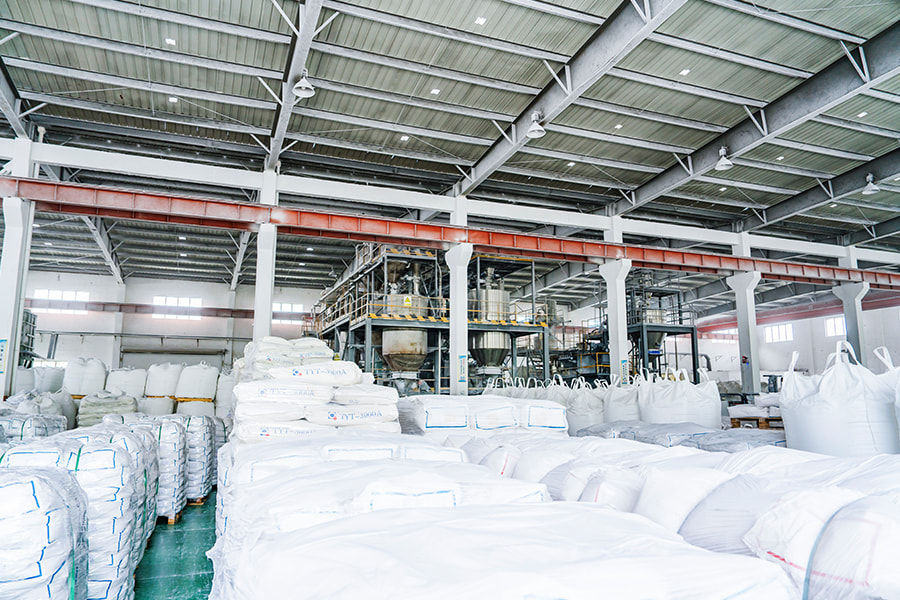
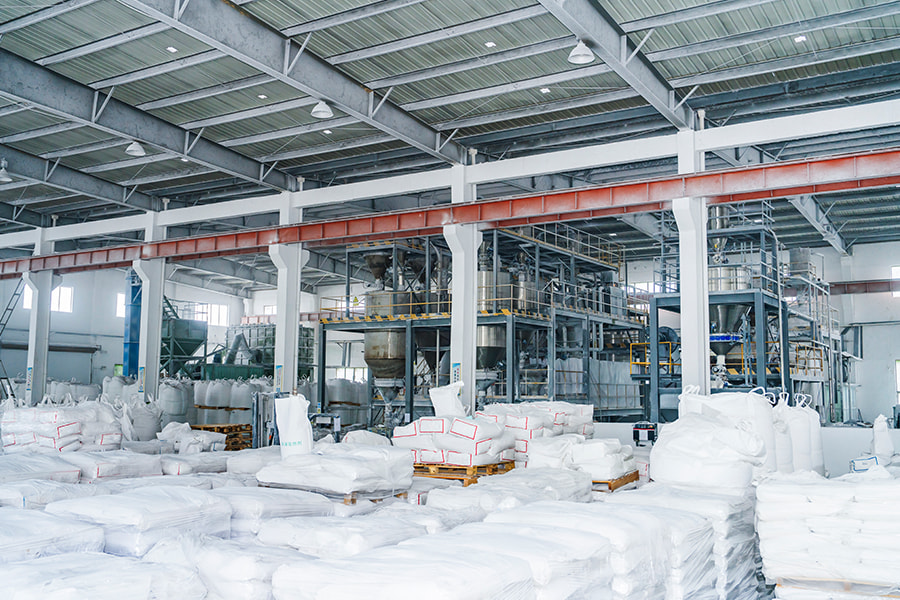
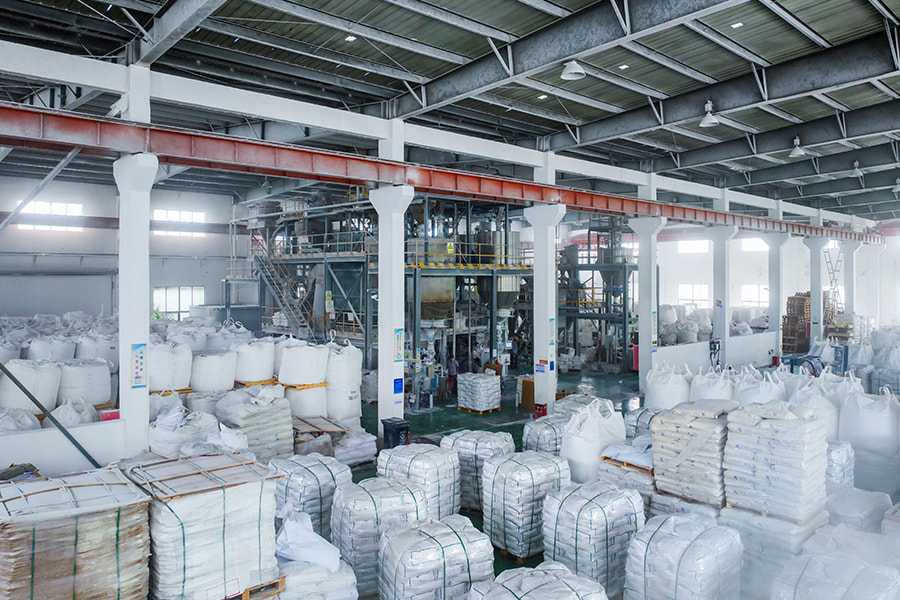
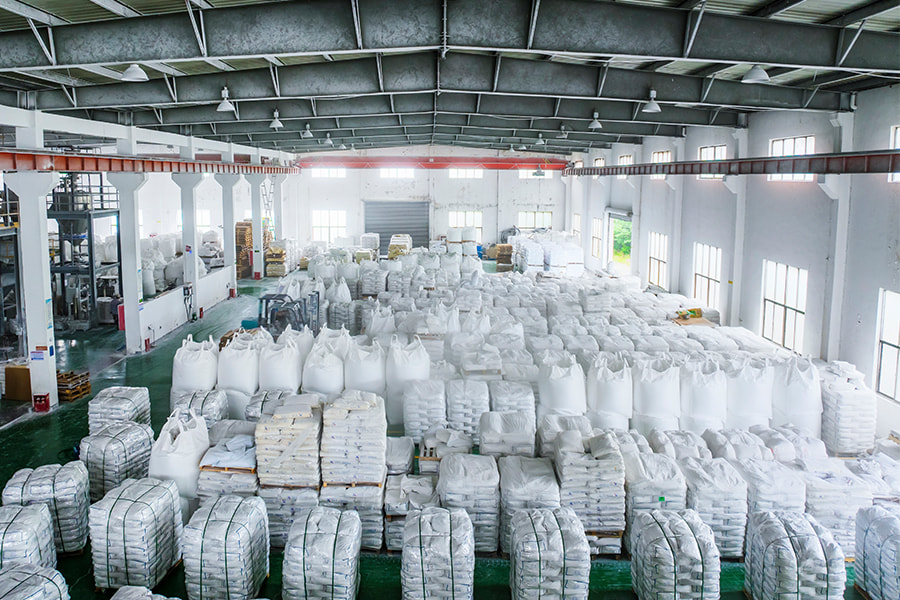
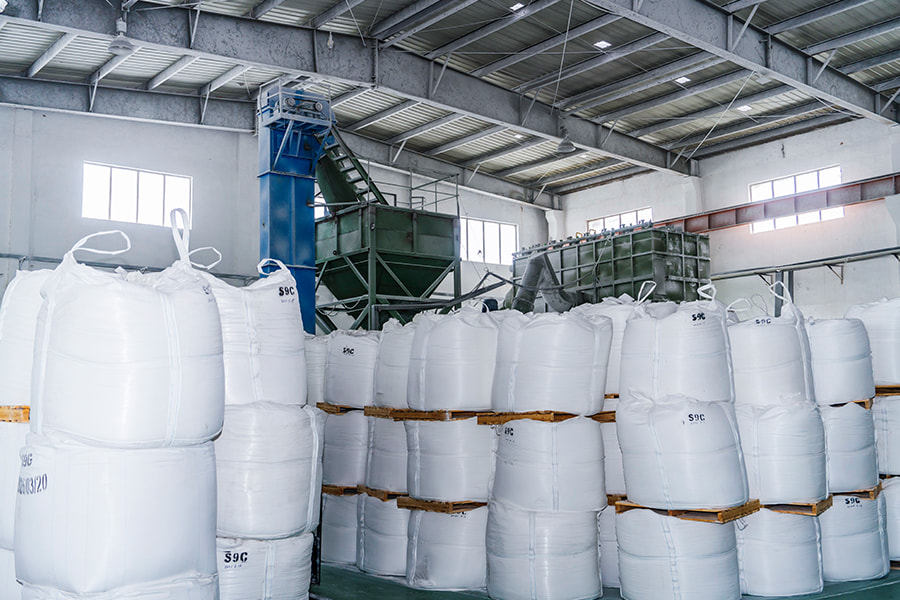
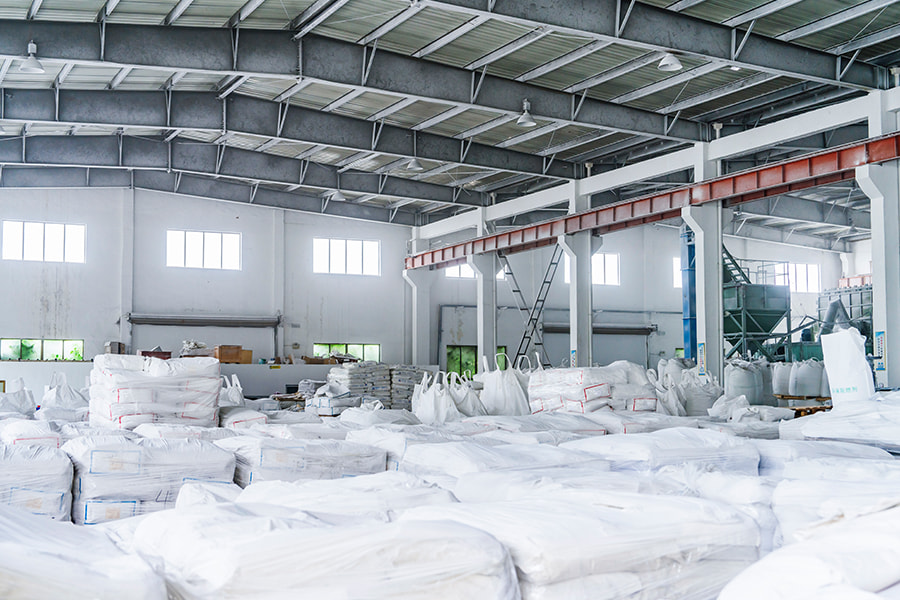
Jiangsu Zhuofeng New Materials Technology Co., Ltd. was established in 2020. It is a supplier specializing in the research, production, and marketing of high-performance and environmentally friendly flame retardants. The company's main products include environmentally friendly flame retardants, flame retardant masterbatches, char-forming agents, composite flame retardants, magnesium oxide, etc. Overmolding Nylon Manufacturers and Overmolding Nylon Factory. Relying on mature products and process technologies as well as standardized management, the company has established several mature high-purity, ultra-fine, and cost-effective flame retardant production lines, established a flame retardant polymer material application testing laboratory, and has carried out industry-university-research cooperation to develop and optimize flame retardant products. The founding team of Zhuofeng Technology has gathered a group of talents who have long been engaged in the research, production, marketing, and management of various functional materials. They can provide users with prompt technical support for application use. At Zhuofeng Technology, we are dedicated to meeting our customers' needs by delivering stable, high-performance, and environmentally friendly flame-retardant product lines. Custom Overmolding Nylon. Company strength data: Industry Experience: 6 years; Plant Scale: 18,000 square meters; Production Capacity:20000 tons.
-
2020Year
Establishment
-
18000m²
Plant Area
-
20000ton
Production Capacity
 Read More

Factory Show
Message Feedback
Industry Insights and Updates
-
2026-09-03Industry News
-
2026-08-28Industry News
-
2026-08-19Industry News
Industry Knowledge
Industry Knowledge
Why Nylon's Hygroscopic Nature Complicates Flame Retardant Overmolding Sequences
Nylon substrates absorb ambient moisture continuously once removed from sealed packaging, and this behavior interacts with flame retardant additives in ways that go beyond the drying concerns of a single-shot molding process. In overmolding, the substrate is molded, often stored or transported briefly, then re-exposed to heat during the second shot, giving moisture more opportunity to re-enter the part between steps. Flame retardant systems containing ammonium polyphosphate or other hygroscopic components compound this risk, since the additive itself can continue absorbing moisture independently of the resin's own equilibrium moisture content, particularly if the encapsulation coating is imperfect or has been mechanically stressed during compounding.
Practical controls for the interval between shots
- Limiting the time substrate parts sit exposed to ambient air before the second-shot cycle, ideally under one hour in humid facilities
- Using desiccant-lined staging bins for substrates awaiting overmolding on split production lines
- Running periodic moisture content spot checks on staged substrate parts rather than only at the raw material stage
- Coordinating first-shot and second-shot cell layout to minimize transport distance and dwell time between molding stations
Splay defects that appear only in overmolded assemblies but not in single-shot moldings of the same substrate compound are a strong indicator that inter-stage moisture pickup, rather than the original resin drying process, is the root cause worth investigating first.
Selecting Flame Retardant Chemistry to Preserve Nylon's Chemical Bonding Advantage in Overmolding
One of nylon's key advantages as an overmolding substrate is its ability to form genuine chemical bonds with compatible overmold materials such as TPU, driven by hydrogen bonding between the amide groups in the nylon backbone and complementary functional groups in the overmold resin. This bonding mechanism is more sensitive to surface chemistry disruption than the largely mechanical adhesion seen with polyolefin substrates, which means the choice of flame retardant system has an outsized influence on whether a nylon overmold achieves proper chemical bonding or falls back to weaker mechanical interlock alone.
Flame retardant chemistry effects on bonding capability
| Flame Retardant Type | Effect on Surface Amide Availability | Typical Bonding Outcome |
| Red phosphorus (encapsulated) | Minimal disruption | Generally reliable chemical bonding |
| Melamine-based intumescent | Low to moderate disruption | Bonding usually retained with process control |
| Hydrophobic-coated mineral hydroxide | Higher disruption if surface migration occurs | Requires bonding validation testing |
Formulators should specifically validate bond performance whenever switching flame retardant grade or supplier, even within the same general chemistry class, since coating quality and particle distribution differences between suppliers can shift surface amide availability enough to affect bonding results.
Glass Fiber Reinforcement Effects on Flame Retardant Loading in Nylon Overmolding Substrates
Structural overmolded nylon parts, such as automotive connector housings or industrial equipment brackets, commonly use glass fiber reinforcement to meet mechanical performance targets, and this reinforcement changes flame retardant behavior in ways that require dedicated formulation work rather than a direct carryover from unreinforced nylon grades. Glass fiber creates a wicking pathway that can support flame spread along fiber-resin interfaces even after the surrounding polymer has charred, which typically means glass-reinforced nylon requires meaningfully higher flame retardant loading than unreinforced nylon to reach an equivalent UL94 rating.
Formulation considerations for glass-reinforced flame retardant nylon
- Loading typically needs to increase by a meaningful margin over unreinforced grades to compensate for the fiber wicking effect
- Fiber length retention during compounding must be balanced against the shear conditions needed for adequate flame retardant dispersion
- Surface fiber prominence at the substrate-overmold interface can be reduced through optimized cooling and mold surface finish
- Increased flame retardant and glass fiber loading combined can raise melt viscosity enough to require injection pressure or gate design adjustments
Flame testing should always be conducted on the exact glass fiber content and flame retardant loading combination intended for production, since interpolating between tested fiber loading levels can produce misleading predictions of actual burn behavior.
Dimensional Interaction Between Nylon Shrinkage and Overmold Fit Tolerances
Nylon's shrinkage behavior is already more complex than many other engineering resins due to its semi-crystalline structure and moisture-dependent dimensional change, and flame retardant filler loading adds a further variable by altering flow versus cross-flow shrinkage ratios. In overmolding applications, the substrate's dimensional accuracy directly determines how well it seats within the second-shot tool cavity, and shrinkage variation beyond expected tolerance can produce inconsistent overmold wall thickness, incomplete coverage, or localized flash along the parting line.
Steps to manage dimensional consistency across production
- Obtaining flow and cross-flow shrinkage values specific to the flame retardant grade, glass fiber content, and wall thickness combination in use
- Accounting for post-mold moisture absorption in dimensional tolerance planning, since nylon parts continue to change dimension as they equilibrate with ambient humidity
- Conditioning substrate parts to a consistent moisture state before dimensional inspection to avoid measurement variability unrelated to actual process drift
- Monitoring dimensional consistency across multiple flame retardant production lots, since filler dispersion variability between batches is a common hidden driver of shrinkage inconsistency
Coordinating first-article inspection timing with a defined moisture conditioning period helps avoid false rejections caused by measuring parts before they reach dimensional equilibrium with the production environment.
Electrical and Thermal Aging Performance in Flame Retardant Nylon Connector Overmolds
Flame retardant nylon substrates used in automotive and industrial connector overmolding are routinely subjected to long-term thermal aging requirements, since these components often operate near heat sources or carry continuous electrical current that generates operating temperature well above ambient. Flame retardant additives can influence long-term thermal aging behavior differently than they influence initial mechanical or electrical properties, since some additives are more prone to slow volatilization or chemical breakdown under sustained elevated temperature exposure, which can gradually reduce both flame performance and electrical insulation properties over the service life of the part.
Long-term aging factors relevant to connector qualification
- Requesting thermal aging data at the specific continuous-use temperature rating relevant to the connector's operating environment
- Verifying that flame retardant performance, not just mechanical properties, is retested after simulated long-term aging exposure
- Checking comparative tracking index retention after thermal aging, since insulation resistance can decline gradually even without visible material degradation
- Considering the combined effect of thermal aging and the second-shot overmolding heat exposure when setting the overall qualification test sequence
Automotive and industrial connector programs typically require aging data spanning thousands of hours at elevated temperature, so early engagement with the flame retardant supplier on available long-term aging datasets can help avoid late-stage qualification delays.
Coordinating Flame Retardant Nylon Formulation Development With Overmolding Process Trials
Because flame retardant nylon overmolding involves multiple interacting variables, moisture control, bonding chemistry, glass fiber interaction, dimensional stability, and thermal aging, formulation development is generally more efficient when conducted in parallel with actual overmolding process trials rather than sequentially. A formulation that performs well in isolated material testing can still reveal unexpected issues only visible once run through the specific tooling, cycle time, and material combination of the target production process, making early collaboration between the flame retardant supplier's application lab and the customer's process engineering team valuable.
Elements of an effective joint development approach
- Running small-scale overmolding trials early in formulation development rather than waiting until final material selection to test bonding and appearance
- Sharing actual production tooling geometry and cycle time parameters with the flame retardant supplier's application lab for more representative testing
- Establishing a feedback loop for formulation adjustment based on process trial results rather than treating material qualification as a one-time approval step
- Documenting which process parameters were used during successful trials to support consistent scale-up to full production volume
Suppliers with an in-house flame retardant polymer application testing laboratory and industry-university research collaboration are typically better positioned to support this kind of parallel development process, since formulation adjustments can be evaluated and iterated without the delay of external third-party testing cycles.
Let'S Work Together Welcome Aboard!
-
Oversea Sales: mayuqin@zhuofengfr.com
Company email: rikkima@zhuofengfr.com
-
WhatsApp: +86 18105180388
-
Address: No. 5, Wutai Road, Dongba Street, Gaochun District, Nanjing City, Jiangsu Province, China
Join Our Mailing List
Product Categories
Quick Links
Quick Links
Copyright © Jiangsu Zhuofeng New Materials Technology Co., Ltd.
All Rights Reserved.
 Overmolding Nylon Factory
Overmolding Nylon Factory