
 English
 Tiếng Việt

product
product
product
product
product
product
product
product
product
product
product
product
product
product
product
product

Low-odor TPE
Product Category
Contact us
Low-odor TPE Manufacturers
information to be updated
Jiangsu Zhuofeng New Materials Technology Co., Ltd.
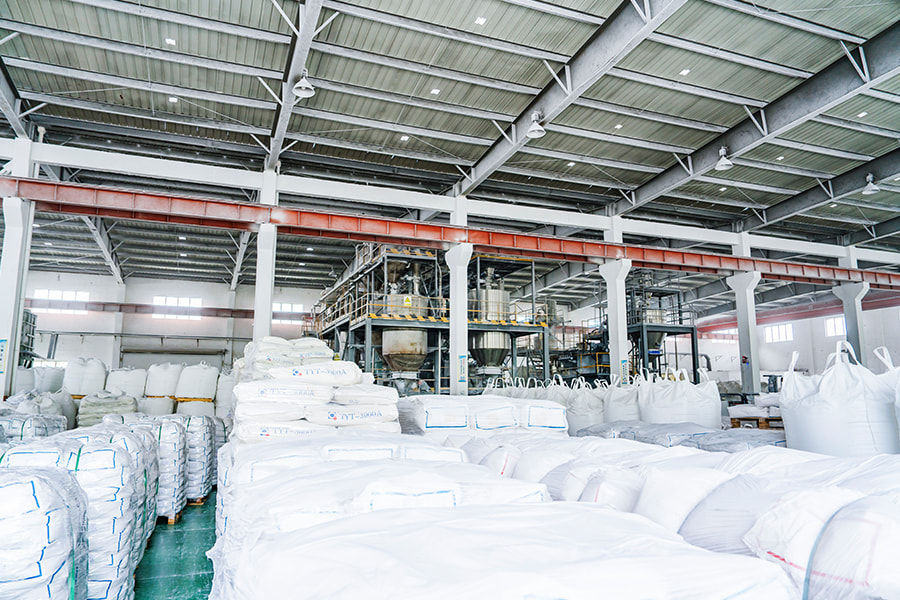
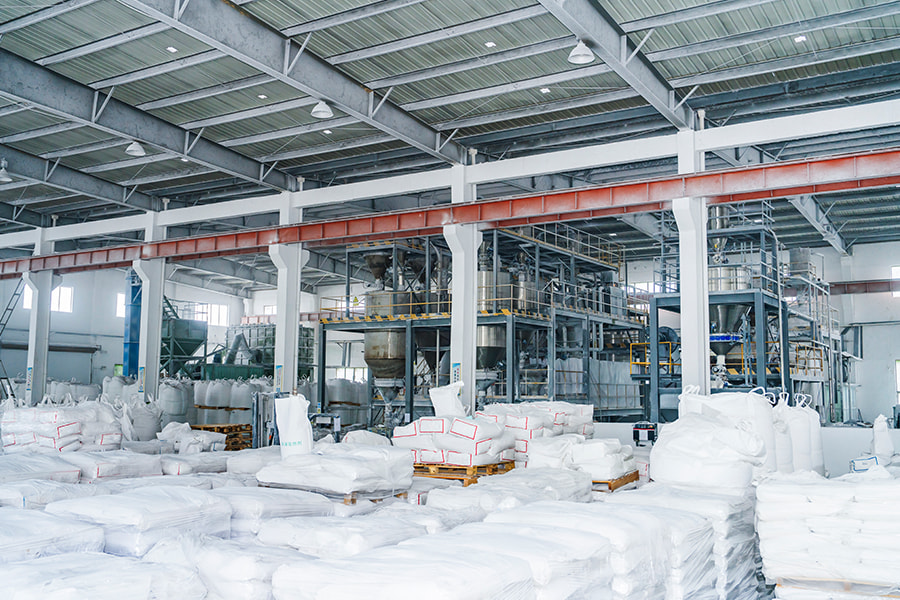
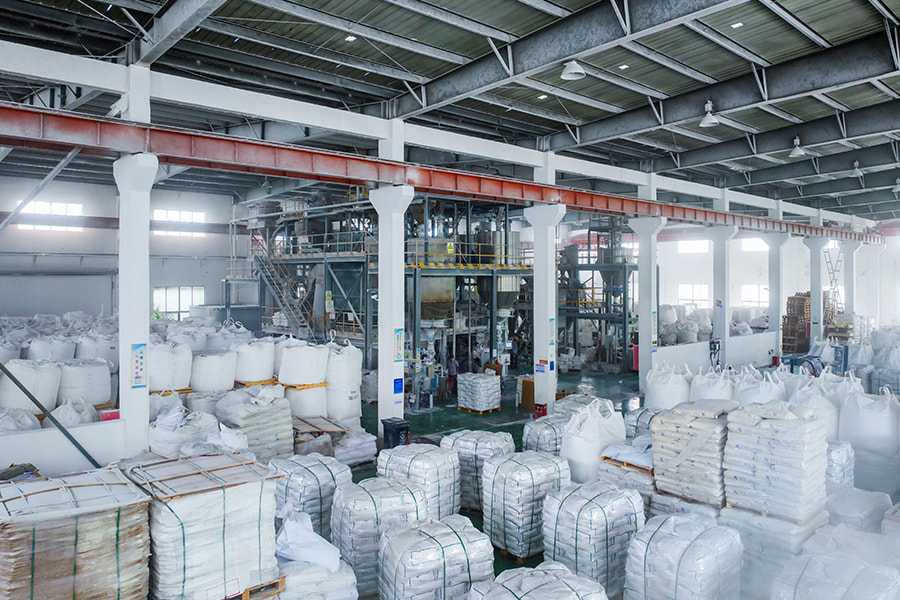
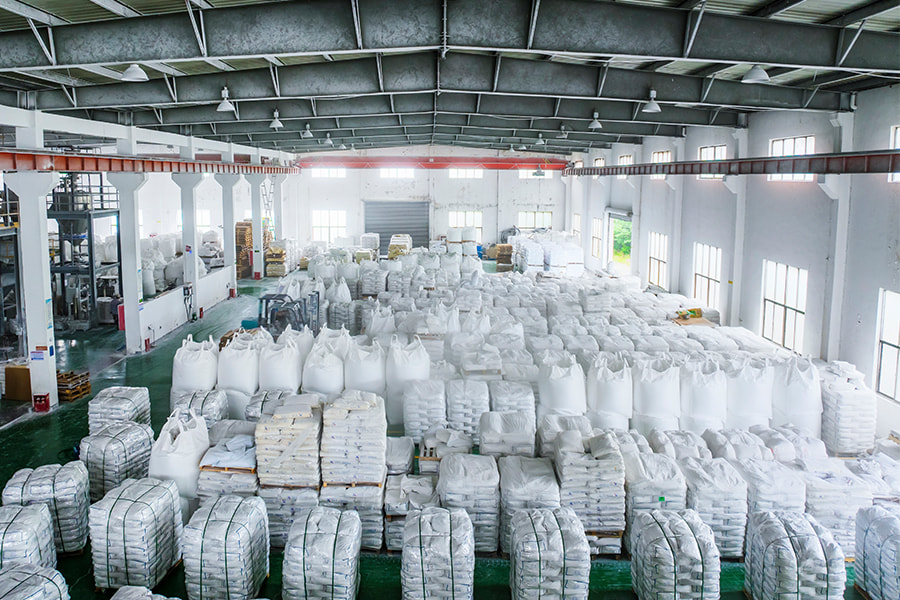
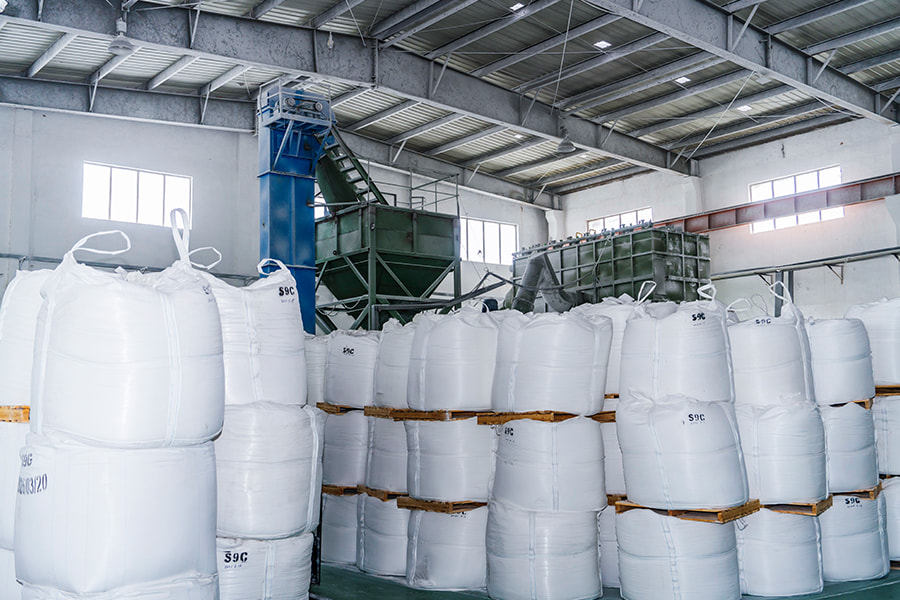
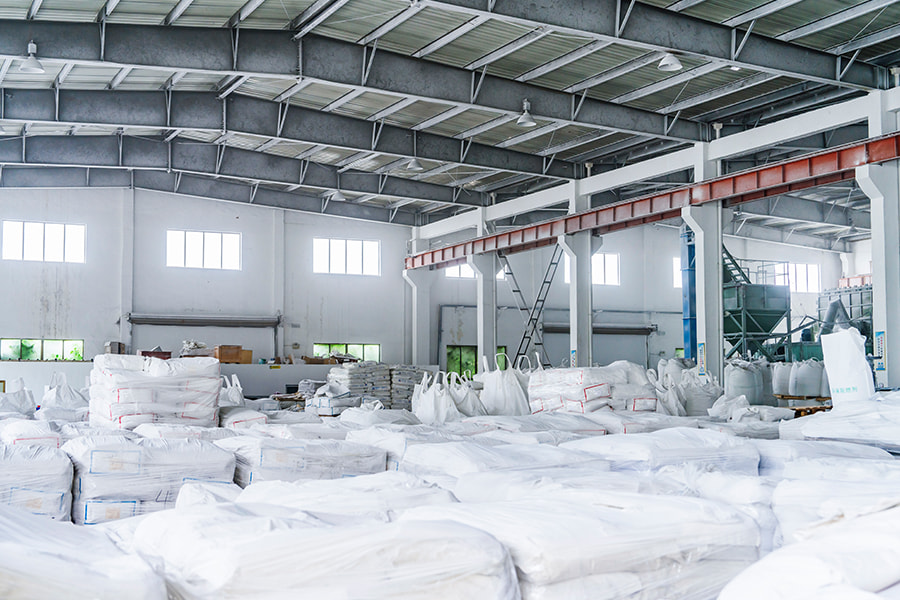
Jiangsu Zhuofeng New Materials Technology Co., Ltd. was established in 2020. It is a supplier specializing in the research, production, and marketing of high-performance and environmentally friendly flame retardants. The company's main products include environmentally friendly flame retardants, flame retardant masterbatches, char-forming agents, composite flame retardants, magnesium oxide, etc. Low-odor TPE Manufacturers and Low-odor TPE Factory. Relying on mature products and process technologies as well as standardized management, the company has established several mature high-purity, ultra-fine, and cost-effective flame retardant production lines, established a flame retardant polymer material application testing laboratory, and has carried out industry-university-research cooperation to develop and optimize flame retardant products. The founding team of Zhuofeng Technology has gathered a group of talents who have long been engaged in the research, production, marketing, and management of various functional materials. They can provide users with prompt technical support for application use. At Zhuofeng Technology, we are dedicated to meeting our customers' needs by delivering stable, high-performance, and environmentally friendly flame-retardant product lines. Custom Low-odor TPE. Company strength data: Industry Experience: 6 years; Plant Scale: 18,000 square meters; Production Capacity:20000 tons.
-
2020Year
Establishment
-
18000m²
Plant Area
-
20000ton
Production Capacity
 Read More

Factory Show
Message Feedback
Industry Insights and Updates
-
2026-09-03Industry News
-
2026-08-28Industry News
-
2026-08-19Industry News
Industry Knowledge
Industry Knowledge
Identifying Which Flame Retardant Chemistries Contribute Most to Odor in TPE Compounds
Odor complaints in flame retardant TPE rarely trace back to the base resin itself, since well-formulated TPE is inherently low-odor; the source is almost always an additive package, and flame retardants are frequently the largest contributor by volume. Halogenated flame retardants and their associated antimony trioxide synergists have historically been among the more odor-prone options due to volatile decomposition byproducts released during processing, which is one reason many low-odor TPE formulations have shifted toward halogen-free phosphorus or mineral-based systems. However, not all halogen-free options are automatically low-odor, since some phosphate ester flame retardants carry their own characteristic odor profile that can be just as noticeable to sensitive end users as a halogenated system.
Relative odor tendencies by flame retardant class
| Flame Retardant Class | Typical Odor Tendency | Notes |
| Halogenated with antimony synergist | Higher | Volatile byproducts during processing |
| Mineral hydroxide (Mg(OH)2, Al(OH)3) | Lower | Inert, mainly releases water vapor |
| Phosphate ester (liquid) | Moderate to higher | Grade-dependent, varies significantly by supplier |
| Encapsulated intumescent (APP-based) | Low to moderate | Encapsulation quality strongly affects outcome |
Because odor tendency within a chemistry class can vary meaningfully by supplier and purification grade, formulators targeting strict low-odor specifications should request odor test data on the specific grade under consideration rather than assuming a general chemistry class rating applies uniformly across suppliers.
Standardized Odor Testing Methods Relevant to Automotive and Consumer TPE Applications
Odor evaluation is inherently more subjective than measuring mechanical or flame properties, which is why the industry relies on standardized panel-based testing methods to produce comparable, repeatable results across suppliers and material grades. Automotive interior applications, where TPE is common in grips, seals, and trim components, are particularly demanding in this area, since cabin odor complaints are a frequent source of warranty claims and customer dissatisfaction even when the material otherwise performs to specification.
Common odor testing frameworks used in TPE qualification
- VDA 270 panel testing, widely used by German and European automotive OEMs, rating odor intensity on a numerical scale after conditioned heat exposure
- PV3900 methodology used by certain automotive groups, applying similar principles with brand-specific conditioning parameters
- VOC and fogging testing under standards such as VDA 278, which quantifies volatile and condensable emissions rather than relying solely on subjective panel scoring
- Internal consumer product odor panels, often less standardized but still valuable for non-automotive applications targeting general low-odor claims
Buyers should confirm which specific standard and conditioning protocol a supplier's odor rating was generated under, since a "low odor" claim tested under a lenient internal protocol is not directly comparable to a formal VDA 270 rating requested by an automotive customer.
Processing Conditions That Amplify or Suppress Flame Retardant-Related Odor
The odor contribution from a given flame retardant is not fixed; processing conditions during compounding and molding can significantly amplify or suppress how much volatile odor-causing byproduct is generated or retained in the finished part. Excessive melt temperature, extended residence time, and inadequate degassing during extrusion are among the most common process-related factors that increase odor intensity beyond what the raw material's inherent odor profile alone would predict, meaning two identical formulations processed differently can produce noticeably different odor panel results.
Process adjustments that typically reduce odor intensity
- Keeping melt temperature at the lower end of the flame retardant's stable processing range rather than the upper end, where practical
- Improving vacuum venting on the extruder to remove volatile byproducts before they become trapped in the pelletized compound
- Minimizing residence time in the barrel through screw design or reduced dead zones, particularly for temperature-sensitive flame retardant grades
- Allowing adequate cooling and off-gassing time for pellets before packaging, since freshly extruded pellets often carry more residual odor than pellets that have been allowed to condition
When an odor panel result comes back worse than expected for a given formulation, reviewing the compounding process log alongside the raw material specification often reveals a processing-related cause rather than requiring an immediate formulation change.
Balancing Low-Odor Requirements Against Flame Rating and Cost Targets
Formulators frequently encounter a genuine tension between achieving the lowest possible odor rating, meeting a target flame retardant classification, and staying within cost constraints, since the chemistries generally recognized as lowest in odor are not always the most cost-efficient path to a given UL94 or automotive flammability rating. Mineral hydroxide systems, while typically favorable for odor, require high loading that can conflict with the soft, flexible feel expected of low-odor TPE grip and seal applications, creating a formulation puzzle that needs to be worked through deliberately rather than optimized for a single variable in isolation.
Approaches for balancing competing formulation priorities
- Using synergist combinations to reduce total flame retardant loading, which can lower both odor contribution and cost simultaneously
- Selecting a purified or higher-grade version of a moderate-odor chemistry rather than defaulting to a different chemistry class entirely
- Prioritizing which specification is truly non-negotiable for the application, since automotive interior programs often weight odor more heavily than industrial applications would
- Running parallel formulation trials early rather than sequentially, to identify the best available compromise before committing to a single development path
Clear upfront communication with the flame retardant supplier about which requirement carries the most weight for a given program helps focus formulation development effort on the combination most likely to satisfy the customer's actual priorities rather than chasing an unattainable optimum across all three variables at once.
Packaging and Storage Practices That Preserve Low-Odor Properties Over Shelf Life
A TPE compound that tests favorably for odor at the point of manufacture can still develop noticeable odor issues by the time it reaches the customer's molding line if packaging and storage conditions are not managed appropriately. Volatile compounds from flame retardant additives can continue slowly off-gassing during storage, and if pellets are packaged too soon after extrusion or stored in poorly ventilated conditions, these volatiles can concentrate within the packaging rather than dissipating, leading to a stronger odor upon opening than the original odor panel result would suggest.
Storage and handling practices that support odor retention targets
- Allowing sufficient pellet conditioning time in ventilated bulk storage before final packaging into sealed bags or containers
- Avoiding prolonged storage in direct sunlight or high-temperature warehouse zones, which can accelerate volatile release and odor concentration within packaging
- Using packaging materials that do not themselves contribute odor, since some plastic liners or adhesives used in bulk packaging can introduce their own volatile compounds
- Establishing a maximum recommended storage duration before molding, since odor characteristics are not necessarily stable indefinitely even in sealed packaging
Customers with strict odor requirements should consider requesting odor panel testing on pellets sampled after realistic storage and transit time, not just immediately after production, since this better reflects the actual condition of material arriving at the molding facility.
Communicating Odor Requirements Clearly When Sourcing Flame Retardant Masterbatch
Odor specifications are frequently underspecified in early sourcing conversations compared to more quantifiable requirements like flame rating or mechanical properties, which can lead to mismatched expectations between buyer and supplier that only surface after material has already been produced and shipped. Vague requests such as "low odor" or "no smell" leave significant room for interpretation, since what qualifies as acceptable varies by industry, application, and even by individual sensitivity within an odor testing panel.
Elements to include when specifying odor requirements
- The specific test method and rating scale expected, such as a numerical VDA 270 target rather than a general low-odor request
- Whether odor testing should be conducted on freshly molded parts, aged parts, or both, since results can differ between the two conditions
- The intended end-use environment, since enclosed spaces like vehicle interiors have different odor tolerance thresholds than open industrial applications
- Any regulatory or customer-specific odor standards that apply to the target market or industry segment
Working with a flame retardant supplier that maintains an in-house application testing laboratory allows odor performance to be verified against the buyer's specific standard before full production commitment, reducing the risk of a late-stage rejection based on a specification that was never clearly defined at the outset.
Let'S Work Together Welcome Aboard!
-
Oversea Sales: mayuqin@zhuofengfr.com
Company email: rikkima@zhuofengfr.com
-
WhatsApp: +86 18105180388
-
Address: No. 5, Wutai Road, Dongba Street, Gaochun District, Nanjing City, Jiangsu Province, China
Join Our Mailing List
Product Categories
Quick Links
Quick Links
Copyright © Jiangsu Zhuofeng New Materials Technology Co., Ltd.
All Rights Reserved.
 Low-odor TPE Factory
Low-odor TPE Factory