
 English
 Tiếng Việt

product
product
product
product
product
product
product
product
product
product
product
product
product
product
product
product

Product Category
Contact us
Single Substance Flame Retardant Manufacturers
-
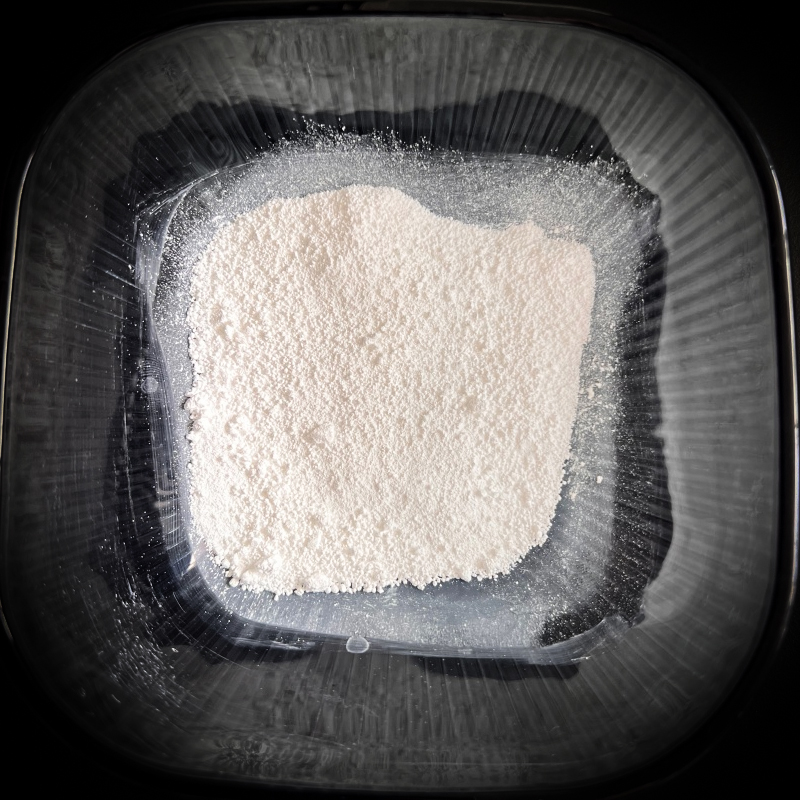
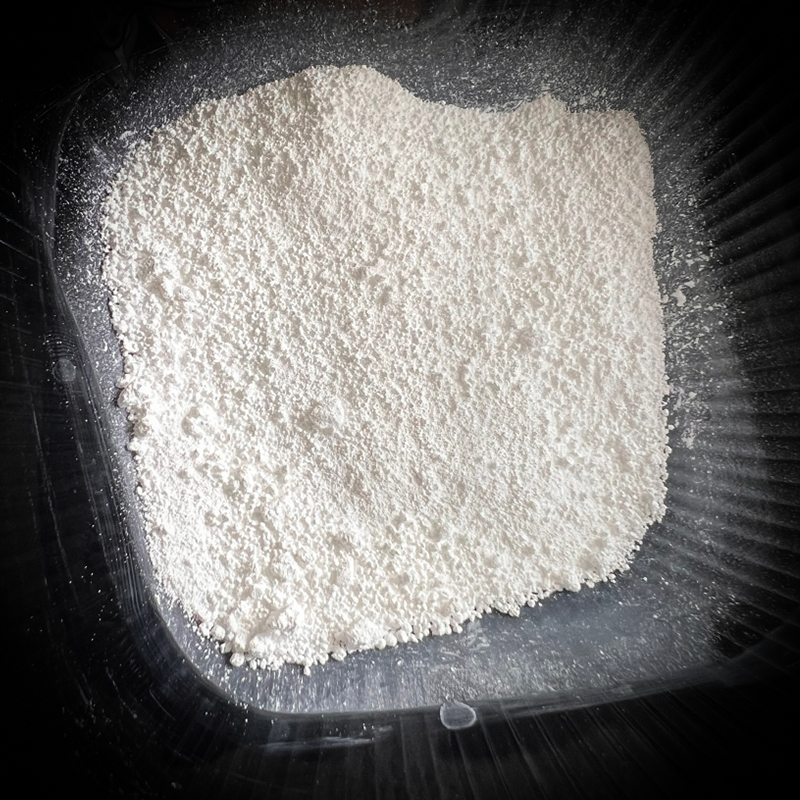
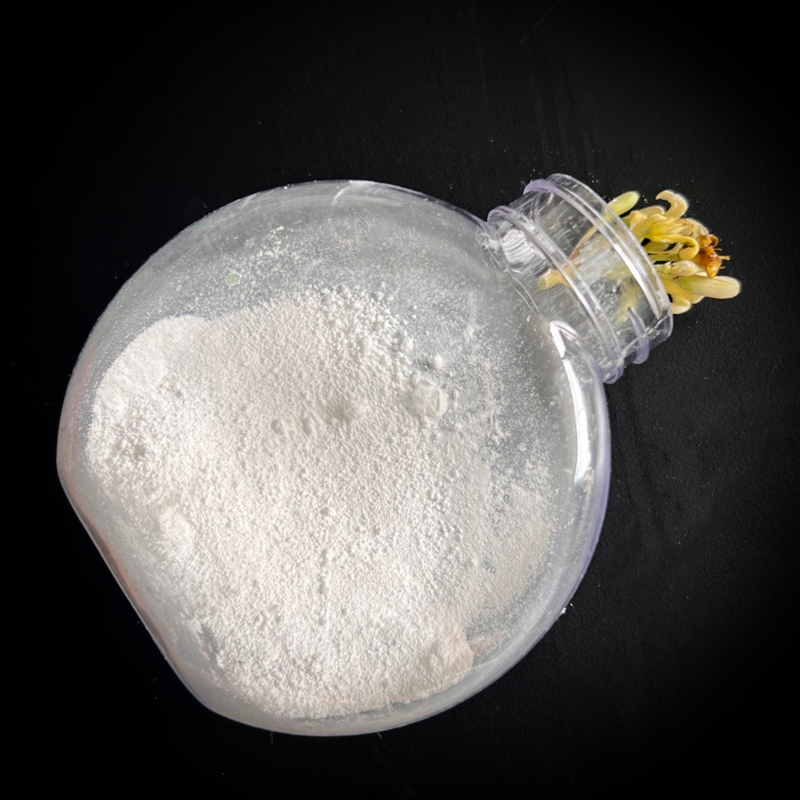
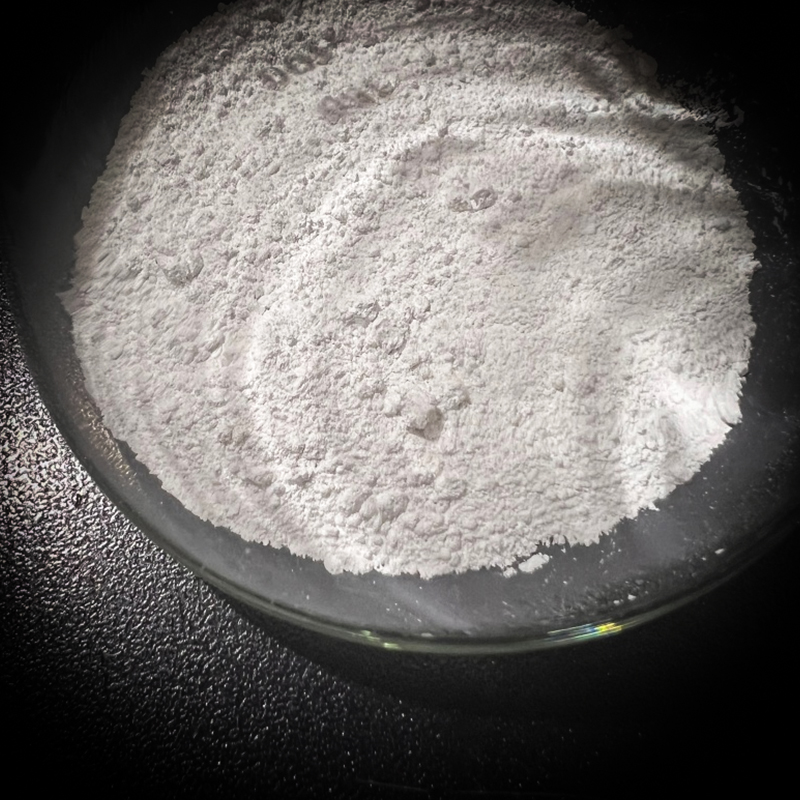
Ultra-Fine High-Purity Synthetic Magnesium Hydroxide ZF-21
-
High-Purity Synthetic Magnesium Hydroxide ZF-22
-
Low-Iron High-Whiteness Synthetic Magnesium Hydroxide ZF-61
-
Cost-Effective Halogen-Free Brucite Magnesium Hydroxide ZF-73
-
Ultra-Fine High-Purity Brucite Magnesium Hydroxide ZF-82
-
High-Whiteness High-Purity Brucite Magnesium Hydroxide ZF-83
-
Ultra-Fine High-Purity Flame-Retardant Aluminium Hydroxide ZF-101
-
Ultra-Fine Electrical-Grade Flame-Retardant Aluminium Hydroxide ZF-102
-
High-Whiteness Eco-Friendly Flame-Retardant Hydromagnesite ZF-2
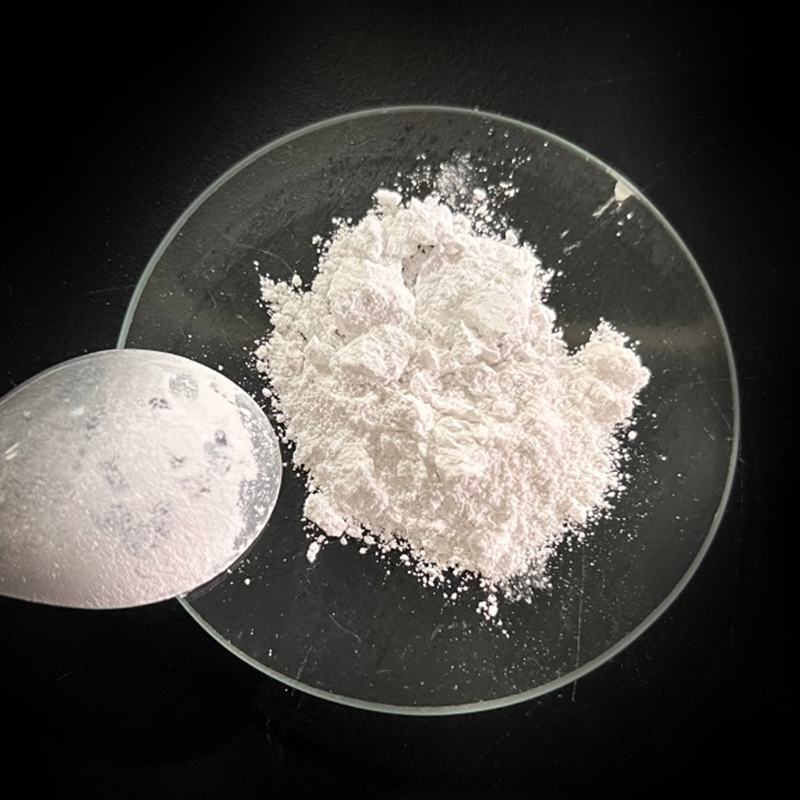
Jiangsu Zhuofeng New Materials Technology Co., Ltd.
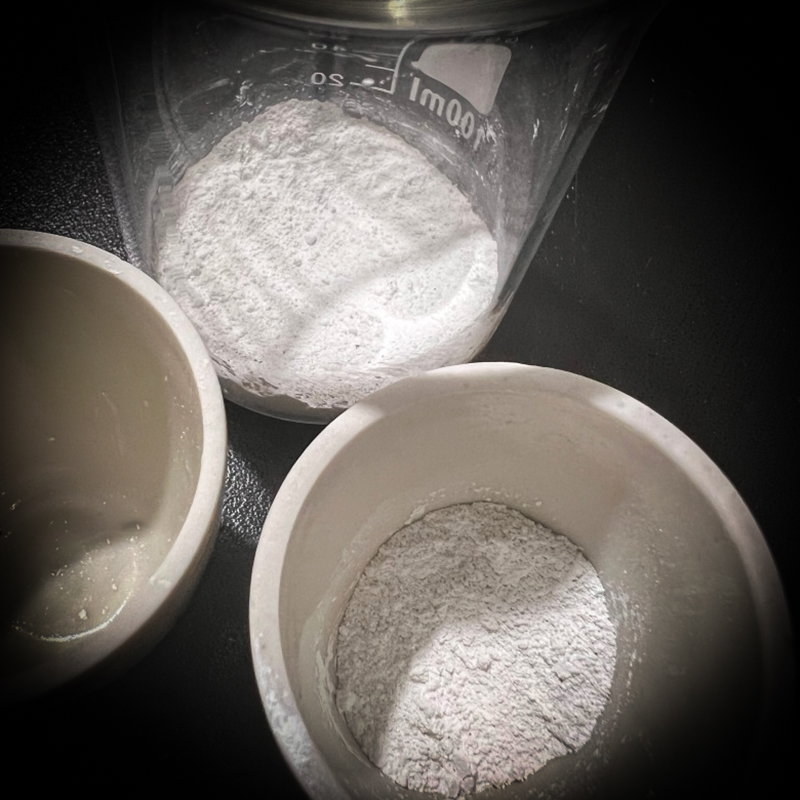
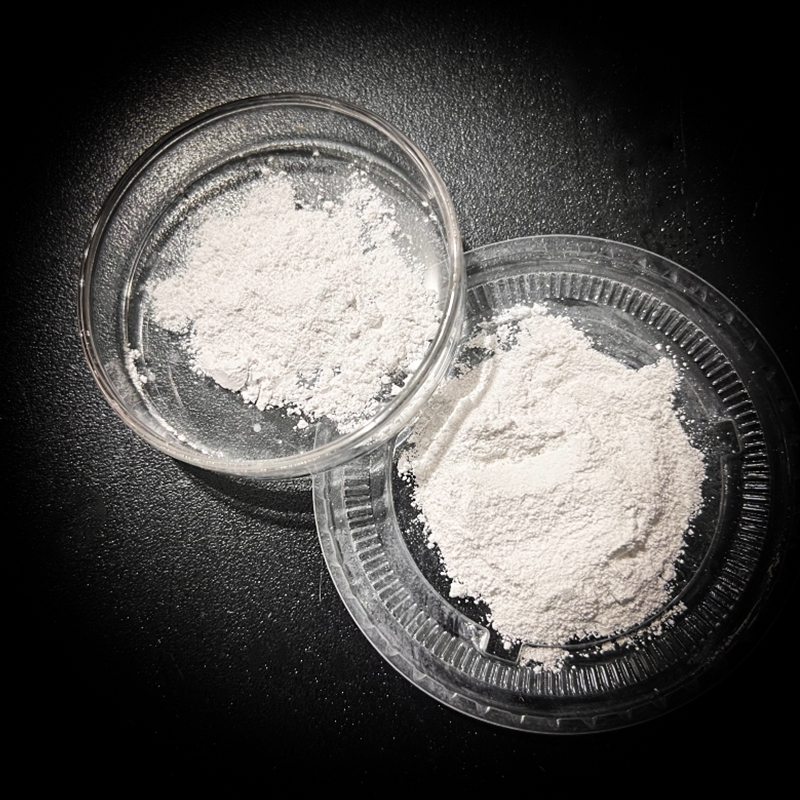
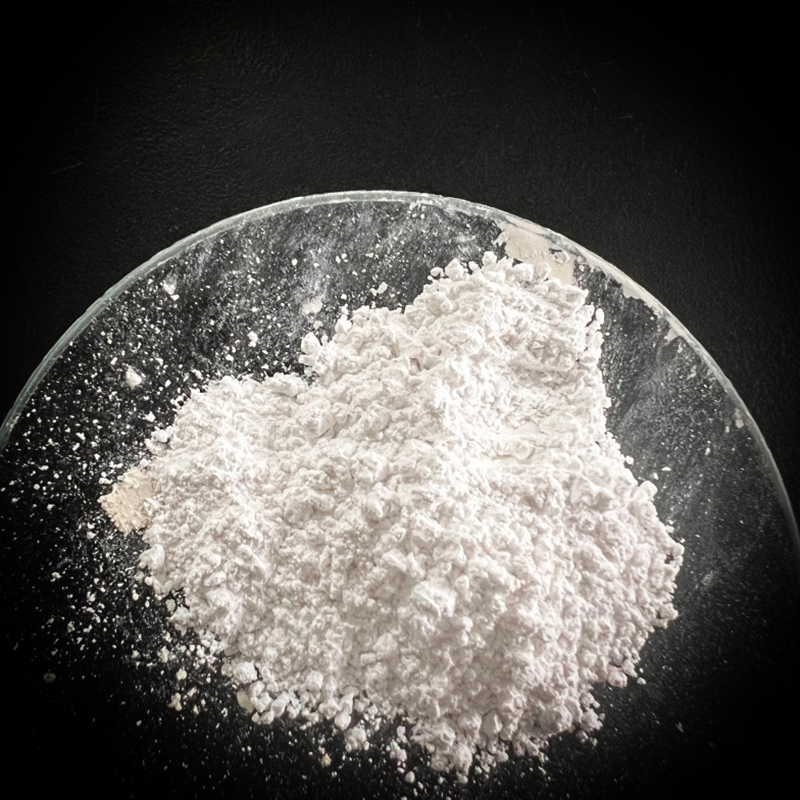
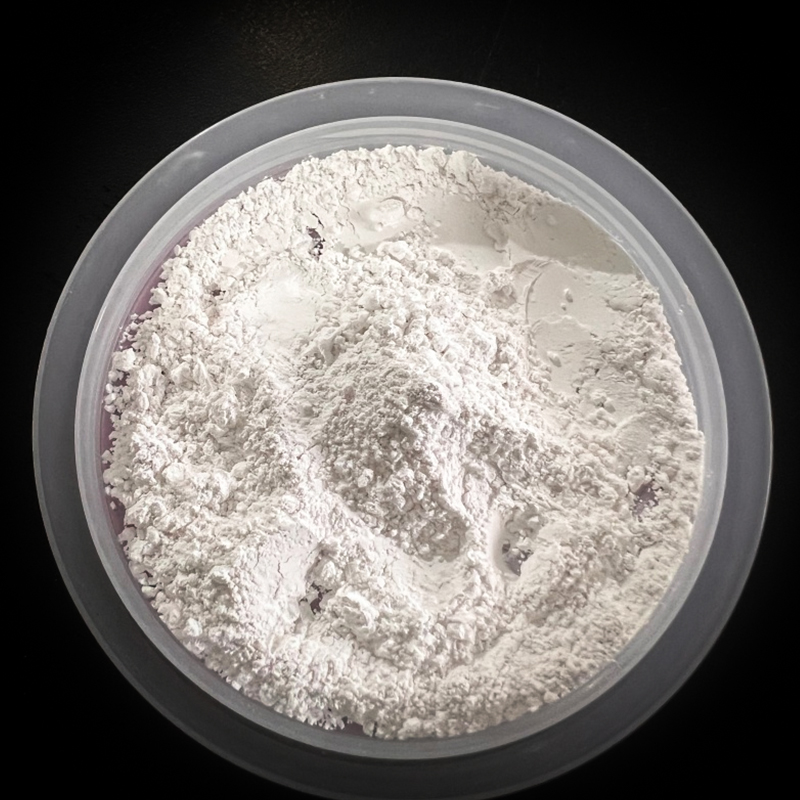
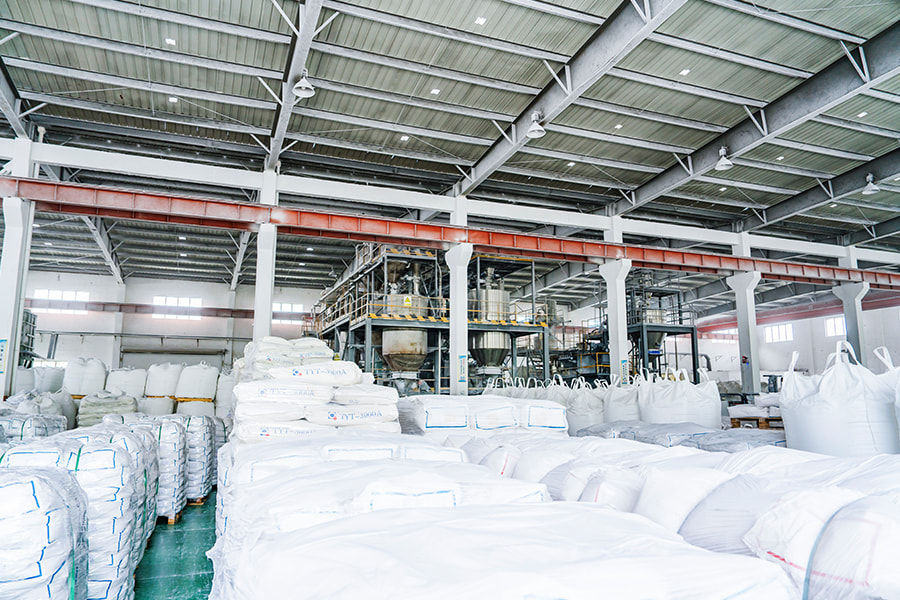
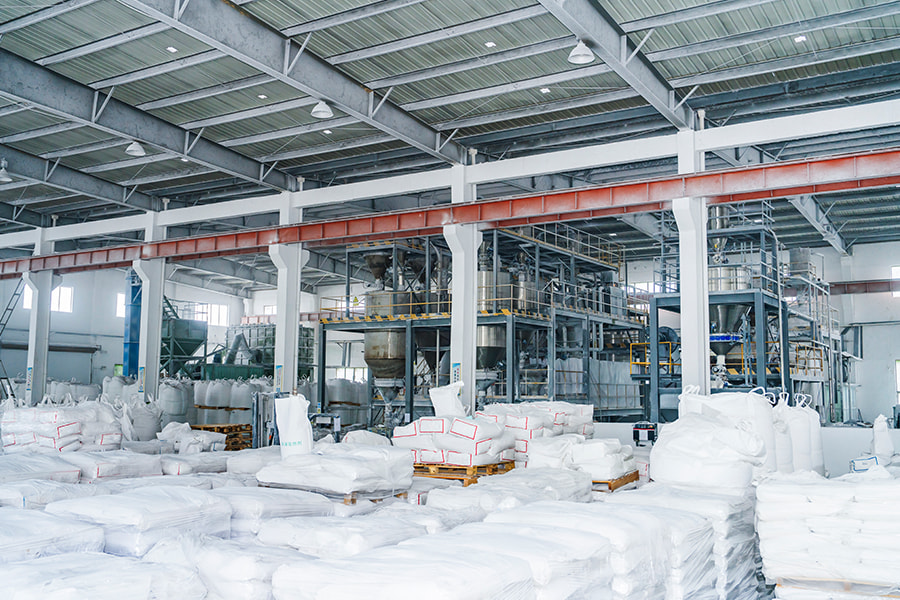
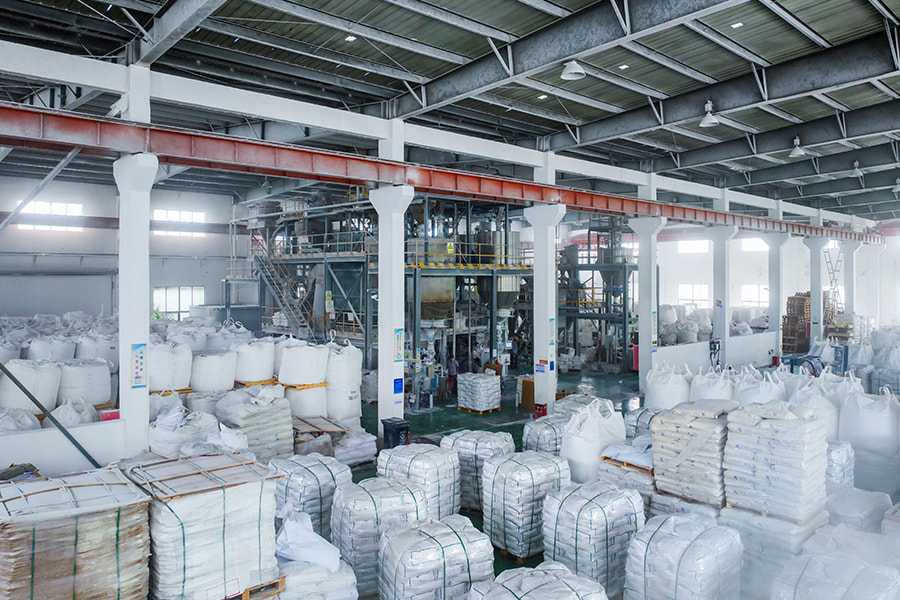
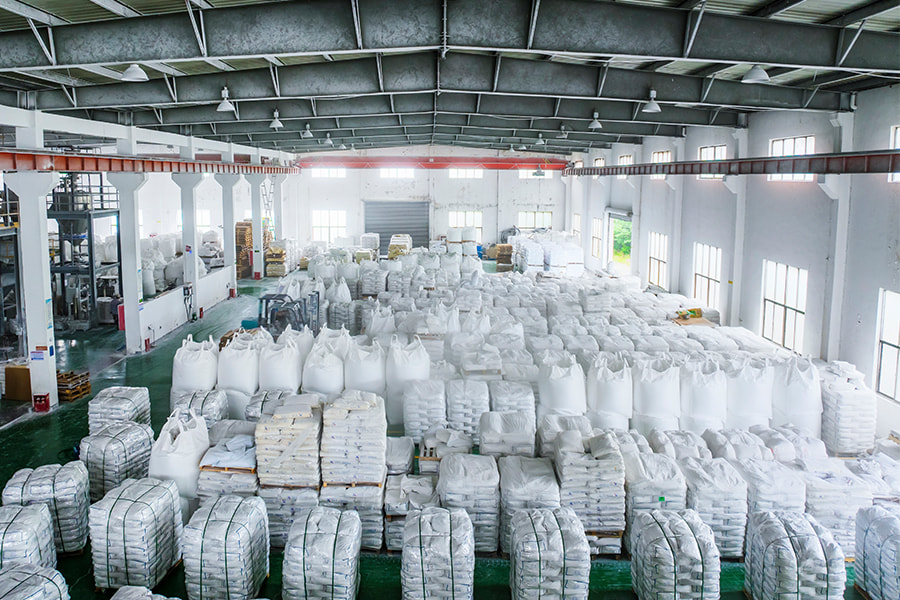
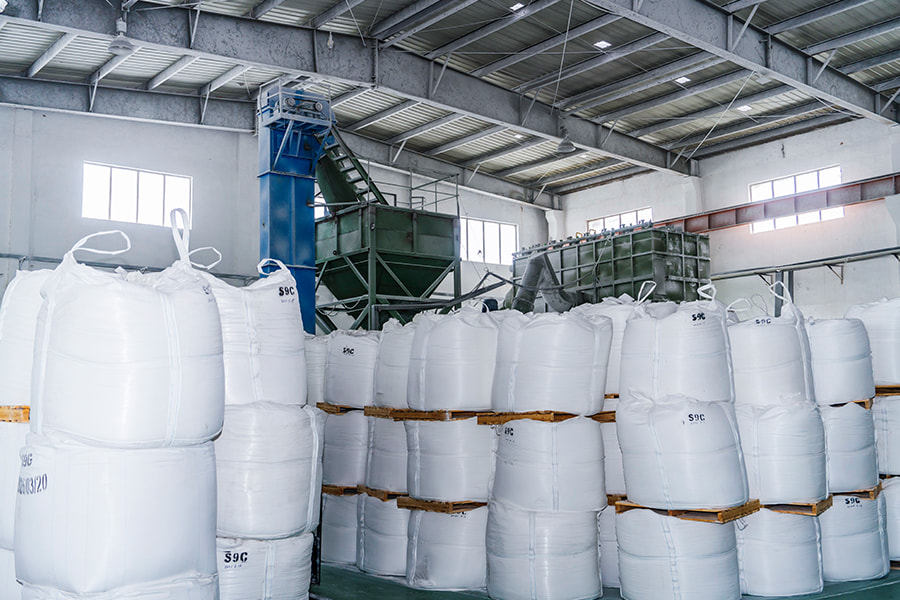
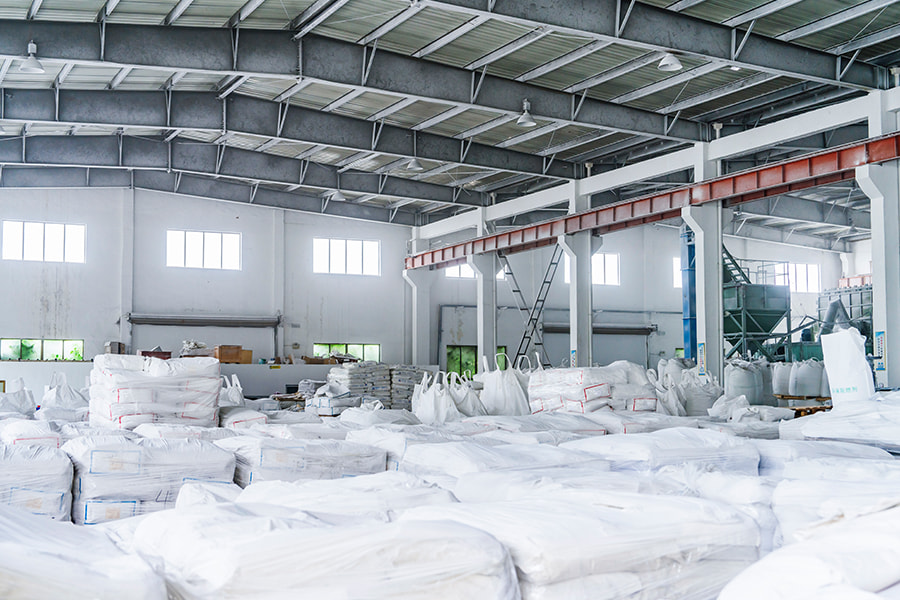
Jiangsu Zhuofeng New Materials Technology Co., Ltd. was established in 2020. It is a supplier specializing in the research, production, and marketing of high-performance and environmentally friendly flame retardants. The company's main products include environmentally friendly flame retardants, flame retardant masterbatches, char-forming agents, composite flame retardants, magnesium oxide, etc. Single Substance Flame Retardant Manufacturers and Single Substance Flame Retardant Suppliers. Relying on mature products and process technologies as well as standardized management, the company has established several mature high-purity, ultra-fine, and cost-effective flame retardant production lines, established a flame retardant polymer material application testing laboratory, and has carried out industry-university-research cooperation to develop and optimize flame retardant products. The founding team of Zhuofeng Technology has gathered a group of talents who have long been engaged in the research, production, marketing, and management of various functional materials. They can provide users with prompt technical support for application use. At Zhuofeng Technology, we are dedicated to meeting our customers' needs by delivering stable, high-performance, and environmentally friendly flame-retardant product lines. Custom Single Substance Flame Retardant. Company strength data: Industry Experience: 6 years; Plant Scale: 18,000 square meters; Production Capacity:20000 tons.
-
2020Year
Establishment
-
18000m²
Plant Area
-
20000ton
Production Capacity
 Read More

Factory Show
Message Feedback
Industry Insights and Updates
-
2026-09-17Industry News
-
2026-09-14Industry News
-
2026-09-08Industry News
Industry Knowledge
Industry Knowledge
Single-Substance vs. Compounded Flame Retardants: When Purity Beats Synergy
At Jiangsu Zhuofeng New Materials Technology Co., Ltd., we get asked fairly often why a customer would choose a single-substance flame retardant like pure magnesium oxide or magnesium hydroxide over a pre-blended composite system. The answer usually comes down to process control. Composite flame retardants are formulated to a fixed ratio, which is efficient when that ratio matches your resin system, but it removes your ability to fine-tune the acid source, carbon source, and synergist independently. If your compound already contains other additives that interact with one component of a standard blend, a single-substance approach lets you build the flame retardant package around your existing formulation rather than working around a pre-set recipe.
This flexibility comes at a cost in formulation time. Working with Single Substance Flame Retardant Manufacturers generally means your R&D team needs to run its own compatibility and dispersion trials rather than relying on a supplier's pre-validated blend ratio. For high-volume, well-characterized applications like PP pipe or cable sheathing where the formulation is already locked, a composite system is usually the faster path. For custom compounds, medical device housings, or applications with unusual regulatory constraints, single-substance sourcing gives formulators the control needed to hit specific mechanical and flame performance targets simultaneously.
Thermal Decomposition Behavior Determines Where a Single Substance Fits
Every single-substance flame retardant releases its protective effect at a different temperature window, and mismatching that window to your processing temperature is one of the most common formulation errors we see. Our lab, which has spent much of its 6 years of operation, in the middle of building out synergist compatibility data, tracks decomposition onset closely because a flame retardant that activates too early can decompose during extrusion rather than during an actual fire event, wasting its protective capacity before the part ever reaches end use.
| Single Substance | Decomposition Onset | Primary Mechanism |
|---|---|---|
| Magnesium Hydroxide | ~340-350°C | Endothermic water release, dilution |
| Magnesium Oxide | Stable above 1000°C | Heat sink, smoke suppression, residue stabilization |
| Ammonium Polyphosphate | ~250-280°C | Acid-catalyzed char formation |
| Melamine Cyanurate | ~320-350°C | Endothermic sublimation, gas dilution |
Magnesium oxide's high thermal stability makes it a useful complement to lower-onset substances rather than a standalone flame retardant in most polymer systems, since it primarily reinforces char structure and suppresses smoke density once combustion has already started elsewhere in the formulation.
Particle Purity Has an Outsized Effect on Single-Substance Performance
Trace impurities matter far more in single-substance systems than in composite blends, because there's no second component to buffer inconsistent behavior. Iron and manganese contamination in magnesium hydroxide, for example, can catalyze premature oxidation of the surrounding polymer during processing, leading to discoloration and accelerated aging even at concentrations below 100 ppm. In a composite blend, other additives sometimes mask this effect; in a single-substance system, the impurity's influence shows up directly in the finished part.
- Request a full impurity profile, not just a purity percentage, since 99% purity can still contain problematic trace metals
- Ask for consistent crystal habit data, since needle-like versus platelet particle morphology changes rheology at the same particle size
- Confirm surface area (BET) measurements rather than relying on D50 alone, since surface area drives reactivity and dispersion behavior more directly
Ultra-fine and high-purity single-substance production lines exist specifically to address this sensitivity, which is part of why Jiangsu Zhuofeng New Materials Technology Co., Ltd. maintains dedicated purification and classification steps for its magnesium oxide and magnesium hydroxide lines rather than sourcing generic industrial-grade material and reprocessing it downstream.
Vetting Suppliers for Consistent Single-Substance Raw Material Supply
Because single-substance formulations leave less room for a supplier's inconsistency to hide, buyers should treat raw material qualification as an ongoing process rather than a one-time approval. A reliable evaluation should include repeat sampling across at least three separate production batches spaced several weeks apart, since a single sample only proves that one batch met specification, not that the supplier's process is stable over time. Ask specifically whether the manufacturer tests every batch in-house or relies on periodic spot checks, and request the raw data rather than a pass/fail summary.
Long-term supply reliability also depends on production scale relative to your order volume. A facility with limited capacity may perform well on small trial orders but struggle to maintain the same quality control rigor once volumes scale up. With around 20,000 tons of annual production capacity across 18,000 square meters of facilities, our Suppliers relationships are built to handle both custom small-batch trial runs and recurring bulk contracts without a shift in specification tolerance between the two. When comparing options, ask any prospective manufacturer for references from customers who have scaled from trial to full production volume, since that transition is where most single-substance supply relationships actually break down.
Let'S Work Together Welcome Aboard!
-
Oversea Sales: mayuqin@zhuofengfr.com
Company email: rikkima@zhuofengfr.com
-
WhatsApp: +86 18105180388
-
Address: No. 5, Wutai Road, Dongba Street, Gaochun District, Nanjing City, Jiangsu Province, China
Join Our Mailing List
Product Categories
Quick Links
Quick Links
Copyright © Jiangsu Zhuofeng New Materials Technology Co., Ltd.
All Rights Reserved.
 Single Substance Flame Retardant Suppliers
Single Substance Flame Retardant Suppliers