
 English
 Tiếng Việt

product
product
product
product
product
product
product
product
product
product
product
product
product
product
product
product

Magnesium Hydroxide Masterbatch
Product Category
Contact us
Magnesium Hydroxide Masterbatch Manufacturers
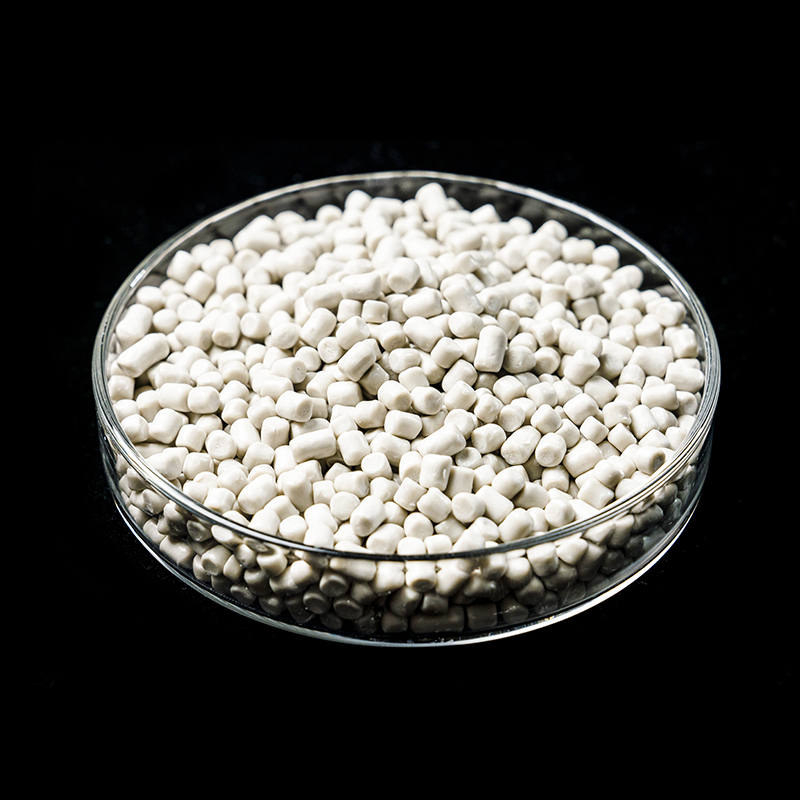
Jiangsu Zhuofeng New Materials Technology Co., Ltd.
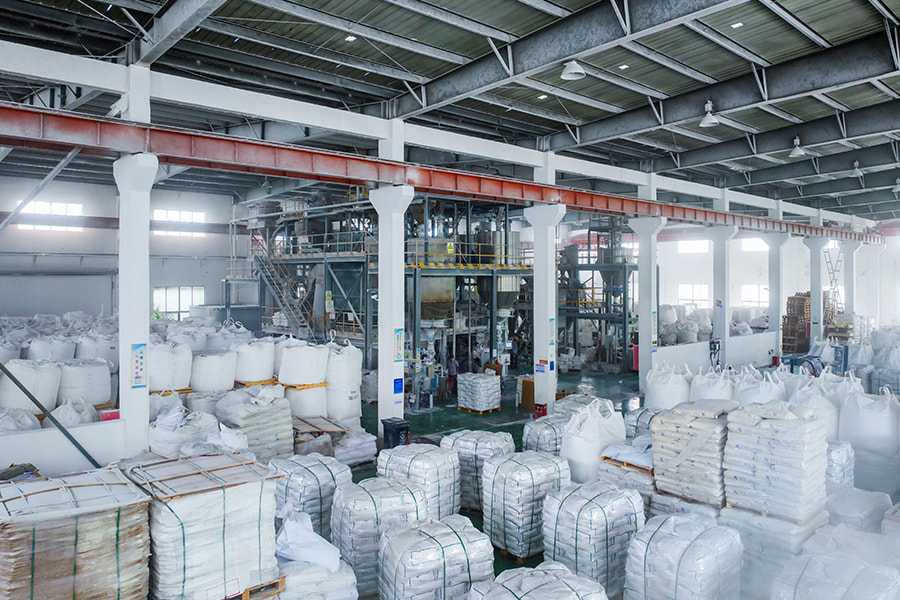
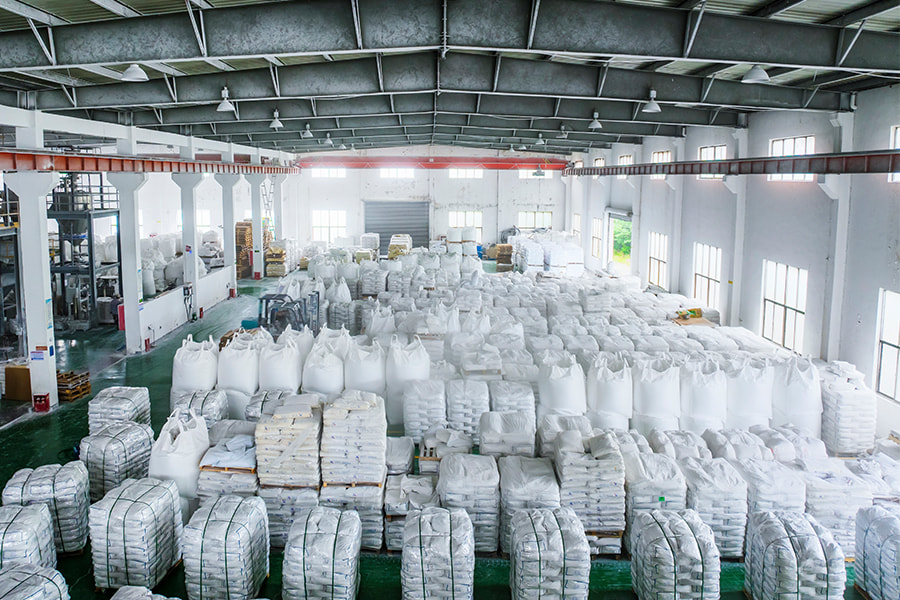
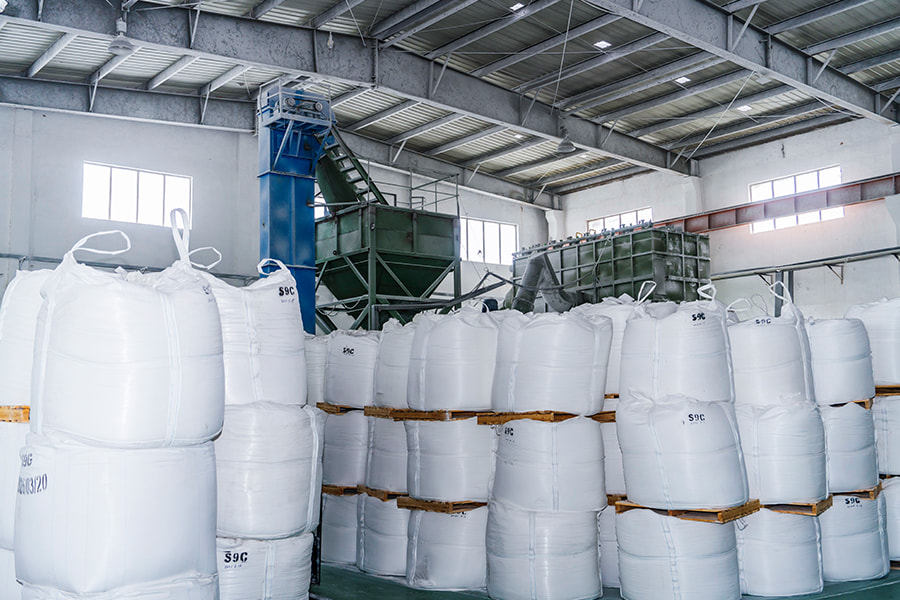
Jiangsu Zhuofeng New Materials Technology Co., Ltd. was established in 2020. It is a supplier specializing in the research, production, and marketing of high-performance and environmentally friendly flame retardants. The company's main products include environmentally friendly flame retardants, flame retardant masterbatches, char-forming agents, composite flame retardants, magnesium oxide, etc. Magnesium Hydroxide Masterbatch Manufacturers and Magnesium Hydroxide Masterbatch Factory. Relying on mature products and process technologies as well as standardized management, the company has established several mature high-purity, ultra-fine, and cost-effective flame retardant production lines, established a flame retardant polymer material application testing laboratory, and has carried out industry-university-research cooperation to develop and optimize flame retardant products. The founding team of Zhuofeng Technology has gathered a group of talents who have long been engaged in the research, production, marketing, and management of various functional materials. They can provide users with prompt technical support for application use. At Zhuofeng Technology, we are dedicated to meeting our customers' needs by delivering stable, high-performance, and environmentally friendly flame-retardant product lines. Custom Magnesium Hydroxide Masterbatch. Company strength data: Industry Experience: 6 years; Plant Scale: 18,000 square meters; Production Capacity:20000 tons.
-
2020Year
Establishment
-
18000m²
Plant Area
-
20000ton
Production Capacity
 Read More

Factory Show



Message Feedback
Industry Insights and Updates
-
2026-09-03Industry News
-
2026-08-28Industry News
-
2026-08-19Industry News
Industry Knowledge
Industry Knowledge
Particle Size Distribution and Its Effect on Magnesium Hydroxide Loading Efficiency
Magnesium hydroxide functions as a flame retardant through an endothermic decomposition reaction that releases water vapor and absorbs heat, but the efficiency of this mechanism depends heavily on particle size and surface area rather than purity alone. Coarser grades with average particle sizes above 3 microns require higher total loading to reach a given flame rating, often pushing total filler content above 60% in polyolefins, which compromises impact strength and elongation. Ultra-fine grades with sub-micron particle size and narrower distribution allow the same fire performance at somewhat lower loading, because greater surface area accelerates the decomposition and steam-release reaction relative to the heat input from the flame front.
Particle size tradeoffs to weigh during selection
| Particle Size Range | Typical Loading Needed | Processing Consideration |
| 3-5 microns | 58-65% | Lower cost, easier dispersion |
| 1-3 microns | 52-58% | Balanced cost and performance |
| Sub-micron (ultra-fine) | 45-52% | Higher viscosity, needs dispersant |
Buyers should request the D50 and D90 values from the particle size distribution report rather than relying on average particle size alone, since a wide distribution with a long tail of oversized particles can create weak points in the polymer matrix even when the average figure looks favorable.
Surface Treatment Chemistry and Why It Determines Masterbatch Performance
Untreated magnesium hydroxide is highly polar and hydrophilic, which makes it fundamentally incompatible with non-polar polyolefin resins such as polypropylene and polyethylene. Without surface treatment, the mineral particles agglomerate rather than disperse, creating stress concentration points that sharply reduce tensile elongation and impact strength even at moderate loading. Surface treatment agents, most commonly stearic acid, silane coupling agents, or titanate coupling agents, coat the particle surface to reduce polarity mismatch and, in the case of silanes, form covalent bonds that improve interfacial adhesion between the filler and the resin matrix.
How treatment type affects downstream properties
- Stearic acid coating improves flow and reduces melt viscosity but offers weaker interfacial bonding than silane treatment
- Silane coupling agents improve mechanical retention at high loading but typically raise material cost by 8-15%
- Titanate treatment performs well in cable and wire compounds where flexibility retention matters more than peak tensile strength
- Under-treated or unevenly coated batches often show inconsistent melt flow index results between production lots
When qualifying a new supplier, requesting consistency data across multiple production batches is more informative than a single certificate of analysis, since surface treatment uniformity is one of the most common sources of batch-to-batch variability in mineral-filled masterbatch.
Thermal Decomposition Window and Compatibility With Processing Temperature
Magnesium hydroxide begins its endothermic decomposition at approximately 300-340°C, releasing water vapor as it converts to magnesium oxide. This decomposition window sits comfortably above the processing temperature of most polyolefins, which typically extrude or mold in the 180-230°C range, giving a reasonable safety margin. However, formulators working with higher-temperature engineering resins such as polyamide or polycarbonate blends need to evaluate this margin carefully, since processing temperatures for those resins can approach or overlap with the lower end of the magnesium hydroxide decomposition range, risking premature water release, void formation, and hydrolytic degradation of the resin itself.
Warning signs of premature decomposition during processing
- Visible bubbling or a hissing sound at the die during extrusion
- Unexplained drop in melt flow index compared to the supplier's datasheet value
- Surface pitting or micro-voids visible under magnification on cross-sectioned parts
- Yellowing or discoloration concentrated near the gate or die exit, indicating localized overheating
For engineering resin applications, some producers substitute a portion of the magnesium hydroxide with magnesium oxide or blend in aluminum hydroxide with a higher decomposition onset, allowing the formulation to better match a tighter processing window without sacrificing flame performance.
Comparing Magnesium Hydroxide to Aluminum Hydroxide for Specific Resin Systems
Magnesium hydroxide and aluminum hydroxide are both mineral-based, non-halogenated flame retardants that work through the same water-release mechanism, but their decomposition temperatures differ enough to make one more suitable than the other depending on the target resin. Aluminum hydroxide decomposes at a lower temperature, roughly 180-200°C, which limits its use to resins processed below that threshold such as EVA, flexible PVC compounds, and some low-temperature polyethylene grades. Magnesium hydroxide's higher decomposition onset makes it the more practical choice for polypropylene, higher-temperature polyethylene grades, and applications where the compound will see secondary heat exposure during downstream processing such as lamination or welding.
Selection guidance by application
| Application | Preferred Mineral FR | Reason |
| Low-voltage cable jacketing | Aluminum Hydroxide | Lower processing temperature, good smoke suppression |
| Polypropylene sheet and profile | Magnesium Hydroxide | Higher thermal stability at PP processing range |
| High-voltage cable insulation | Magnesium Hydroxide | Better electrical insulation retention at high loading |
Managing Melt Viscosity and Screw Wear in High-Loading Magnesium Hydroxide Compounds
Because magnesium hydroxide typically requires loading above 50% to achieve UL94 V-0 in polyolefins, compounders face two persistent mechanical challenges that are less pronounced with lower-loading additive systems: elevated melt viscosity that raises torque demand on the extruder, and accelerated abrasive wear on screws and barrels from the mineral particles. Left unaddressed, these effects reduce screw life, increase energy consumption per kilogram of output, and can cause inconsistent output rate as wear progresses over a production run.
Practical mitigation steps used in production
- Specifying bimetallic or hardened alloy barrel liners for lines running mineral loading above 50% consistently
- Using internal lubricants such as low-molecular-weight polyethylene wax to reduce shear heat generation and ease flow
- Scheduling screw inspection intervals shorter than standard practice, particularly for lines that switch frequently between filled and unfilled compounds
- Selecting a masterbatch carrier resin with inherently lower viscosity to partially offset the thickening effect of the mineral filler
Suppliers with in-house compounding and application testing capability are generally better positioned to recommend a carrier resin and lubricant package suited to a specific customer's equipment, since optimal formulations can differ meaningfully between single-screw and twin-screw processing setups.
Evaluating Flame Retardant Masterbatch Suppliers Beyond the Certificate of Analysis
A certificate of analysis confirms that a batch meets specification at the point of testing, but it does not guarantee consistent performance across the full order quantity or across repeat orders over time. For magnesium hydroxide masterbatch in particular, where small shifts in particle size distribution or surface treatment coverage can meaningfully change mechanical and flame performance, procurement teams benefit from evaluating a supplier's production infrastructure and quality control process rather than relying on a single-batch document.
Questions worth raising during supplier qualification
- Does the supplier operate dedicated production lines for high-purity or ultra-fine grades, or is equipment shared across multiple product types
- Is there an in-house application testing laboratory that can validate performance in the customer's specific resin system before shipment
- What sampling frequency is used for particle size and moisture testing during a production run, not just at final packaging
- Can the supplier provide batch-to-batch consistency data across multiple historical shipments rather than a single representative sample
Suppliers that combine production scale with an internal testing laboratory and industry-university research collaboration are typically better equipped to troubleshoot application-specific issues quickly, since formulation adjustments can be validated in-house before a revised batch reaches the customer's production line.
Let'S Work Together Welcome Aboard!
-
Oversea Sales: mayuqin@zhuofengfr.com
Company email: rikkima@zhuofengfr.com
-
WhatsApp: +86 18105180388
-
Address: No. 5, Wutai Road, Dongba Street, Gaochun District, Nanjing City, Jiangsu Province, China
Join Our Mailing List
Product Categories
Quick Links
Quick Links
Copyright © Jiangsu Zhuofeng New Materials Technology Co., Ltd.
All Rights Reserved.
 Magnesium Hydroxide Masterbatch Factory
Magnesium Hydroxide Masterbatch Factory