
 English
 Tiếng Việt

product
product
product
product
product
product
product
product
product
product
product
product
product
product
product
product

Overmolding Polar Plastics
Product Category
Contact us
Overmolding Polar Plastics Manufacturers
information to be updated
Jiangsu Zhuofeng New Materials Technology Co., Ltd.
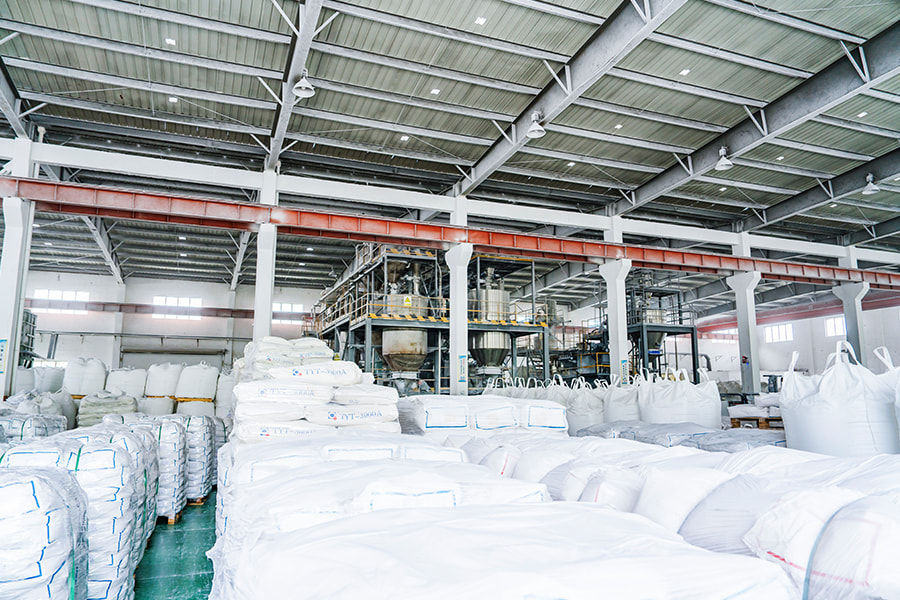
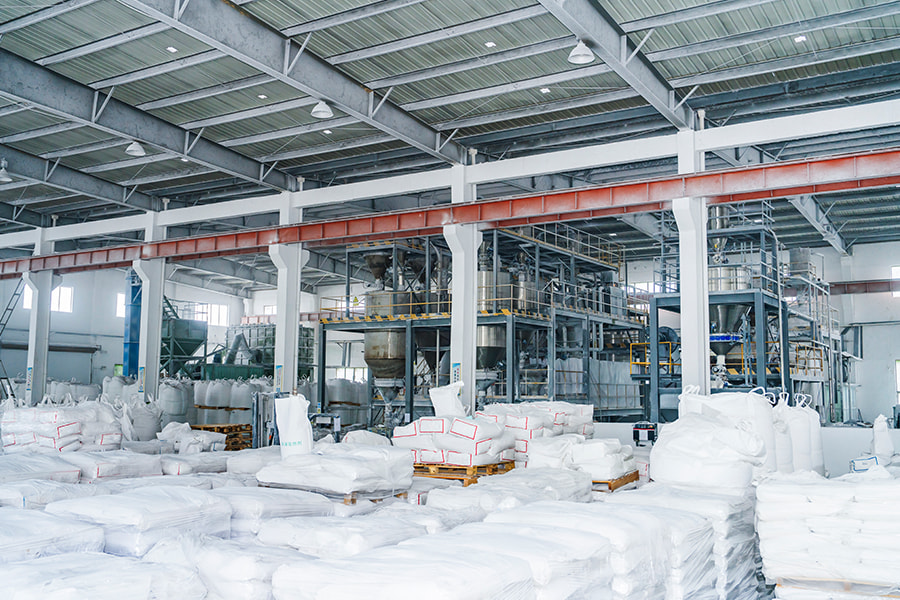
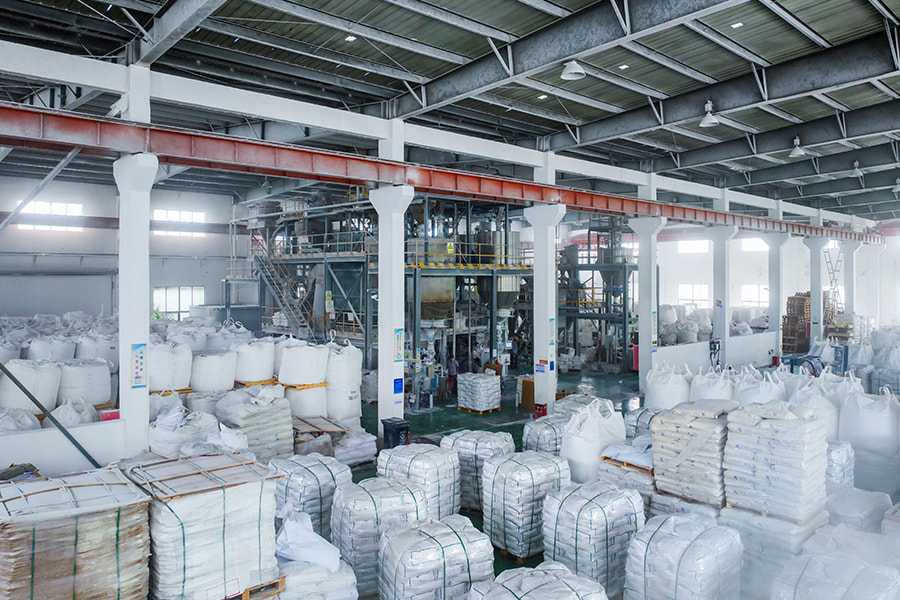
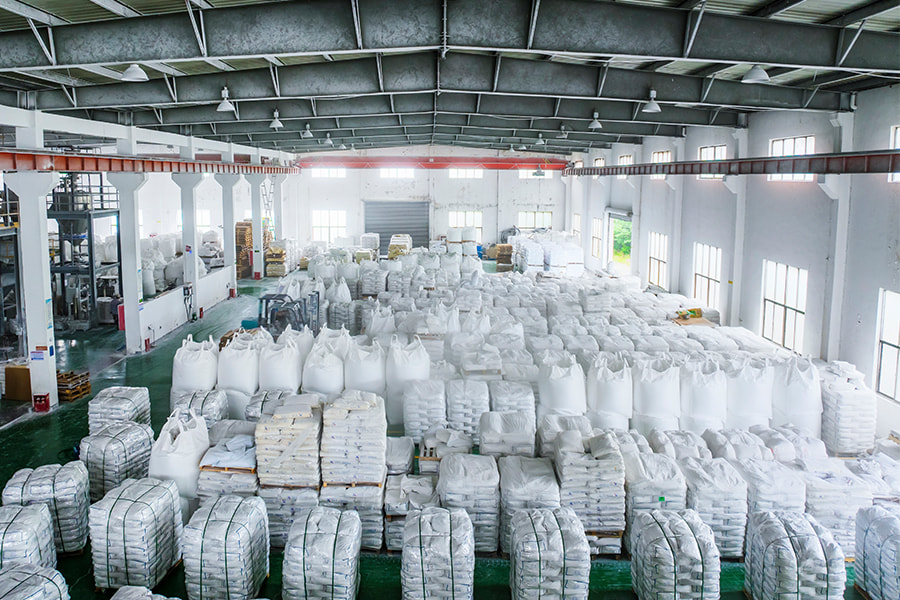
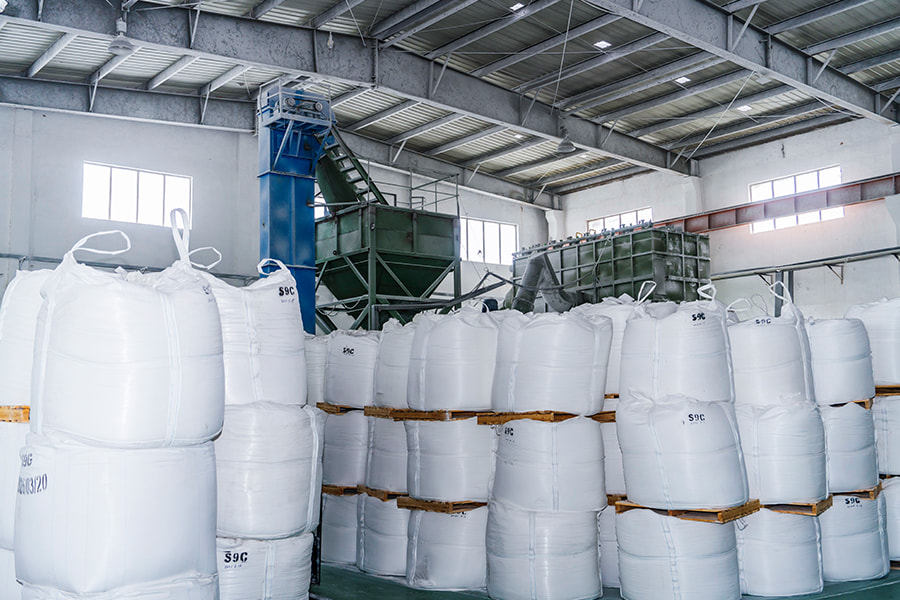
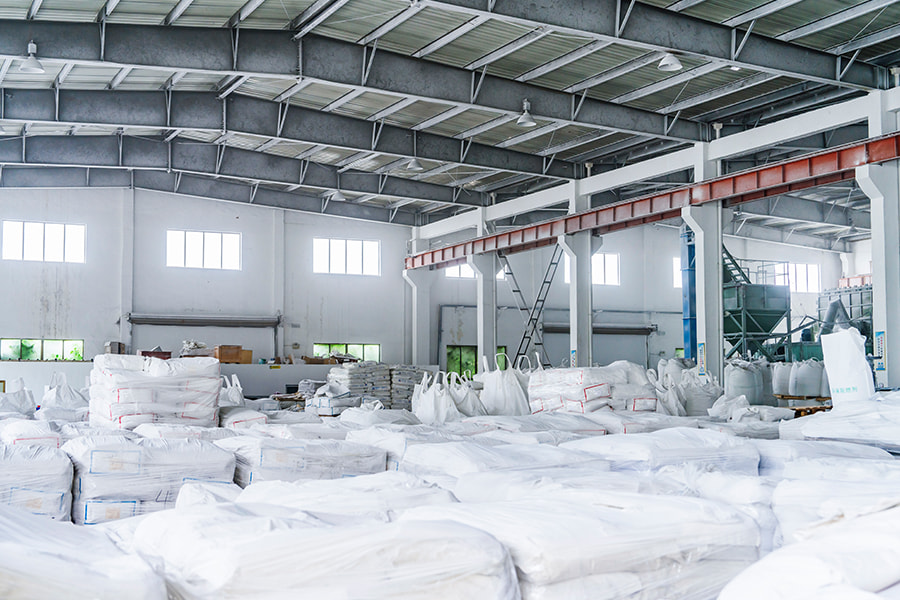
Jiangsu Zhuofeng New Materials Technology Co., Ltd. was established in 2020. It is a supplier specializing in the research, production, and marketing of high-performance and environmentally friendly flame retardants. The company's main products include environmentally friendly flame retardants, flame retardant masterbatches, char-forming agents, composite flame retardants, magnesium oxide, etc. Overmolding Polar Plastics Manufacturers and Overmolding Polar Plastics Factory. Relying on mature products and process technologies as well as standardized management, the company has established several mature high-purity, ultra-fine, and cost-effective flame retardant production lines, established a flame retardant polymer material application testing laboratory, and has carried out industry-university-research cooperation to develop and optimize flame retardant products. The founding team of Zhuofeng Technology has gathered a group of talents who have long been engaged in the research, production, marketing, and management of various functional materials. They can provide users with prompt technical support for application use. At Zhuofeng Technology, we are dedicated to meeting our customers' needs by delivering stable, high-performance, and environmentally friendly flame-retardant product lines. Custom Overmolding Polar Plastics. Company strength data: Industry Experience: 6 years; Plant Scale: 18,000 square meters; Production Capacity:20000 tons.
-
2020Year
Establishment
-
18000m²
Plant Area
-
20000ton
Production Capacity
 Read More

Factory Show
Message Feedback
Industry Insights and Updates
-
2026-09-03Industry News
-
2026-08-28Industry News
-
2026-08-19Industry News
Industry Knowledge
Industry Knowledge
How Flame Retardant Fillers Interact With Polar Resin Chemical Bonding Sites
Polar engineering plastics such as polyamide, polycarbonate, and PBT rely on hydrogen bonding, dipole interactions, or chain entanglement at the molecular level to achieve strong overmold adhesion, and flame retardant additives can either support or disrupt this mechanism depending on their own surface chemistry. Unlike polyolefin overmolding where adhesion is largely mechanical or achieved through compatibilizers, polar substrates depend on genuine chemical affinity between substrate and overmold surfaces, which means a flame retardant that migrates to the surface or alters surface polarity can meaningfully change bond strength even at loading levels that would seem insignificant for bulk mechanical properties.
Flame retardant surface effects relevant to polar substrate bonding
- Phosphorus-based flame retardants generally preserve polar surface character better than mineral hydroxides, supporting more consistent adhesion
- Surface-treated mineral fillers with hydrophobic coatings can inadvertently reduce substrate polarity, weakening overmold bond strength
- Glass fiber reinforcement commonly present in polar engineering resins interacts with flame retardant loading in ways that require joint optimization rather than independent formulation
- Moisture content in hygroscopic polar resins such as polyamide can shift surface chemistry at the time of overmolding, compounding any flame retardant-related bonding variability
Surface energy measurement using contact angle testing on the flame retardant substrate, compared before and after flame retardant addition, gives a quantitative way to screen for adhesion risk before committing to full overmolding trials.
Managing Moisture Sensitivity in Flame Retardant Polyamide Substrates Before Overmolding
Polyamide resins are inherently hygroscopic, and this characteristic becomes more consequential when combined with moisture-sensitive flame retardants such as ammonium polyphosphate-based intumescent systems, since both the base resin and the additive can absorb ambient moisture independently, compounding processing risk during the second-shot overmolding step. Trapped moisture that vaporizes during overmold injection can cause splay, surface bubbling, or reduced bond strength at the interface, and distinguishing whether a defect originates from resin moisture, flame retardant moisture, or both requires methodical troubleshooting rather than assumption.
Drying and handling protocol considerations
| Material | Typical Drying Condition | Target Moisture Content |
| PA6 flame retardant compound | 80°C for 4-6 hours | Below 0.2% |
| PA66 flame retardant compound | 100-110°C for 4-6 hours | Below 0.15% |
Re-drying immediately before molding, rather than relying on packaging claims of pre-dried material, is particularly important for flame retardant polyamide grades stored in humid manufacturing environments, since encapsulated intumescent additives can still contribute residual moisture even when the base resin itself tests within specification.
Placeholder heading correction note removed
Glass Fiber Reinforcement and Flame Retardant Loading Interactions in Polycarbonate and PBT Substrates
Glass fiber reinforcement is common in polycarbonate and PBT substrates used for structural overmolded parts, and its presence changes how flame retardant additives need to be formulated compared to unreinforced grades. Glass fiber alone tends to worsen flame performance by acting as a wick that can support flame propagation along the fiber surface, meaning glass-reinforced compounds typically require a higher flame retardant loading than the unreinforced equivalent to reach the same UL94 rating. This interaction needs to be accounted for early in formulation development rather than treated as a simple additive loading adjustment after the fact.
Formulation factors affected by glass fiber content
- Higher glass fiber loading generally requires a corresponding increase in flame retardant content to offset the wicking effect
- Fiber length retention during compounding can be affected by flame retardant particle hardness and screw shear conditions
- Surface fiber exposure at the substrate surface can interfere with overmold bonding uniformity if not controlled through proper compounding
- Warpage behavior becomes more complex with combined glass fiber orientation and flame retardant filler effects, requiring careful mold flow analysis
Testing flame performance on the actual glass-reinforced grade intended for production, rather than extrapolating from unreinforced base resin data, is essential since the wicking effect can shift the required loading by a meaningful margin depending on fiber content and length.
Thermal Expansion Mismatch Between Flame Retardant Polar Substrates and Overmold Layers
Flame retardant fillers generally reduce the coefficient of thermal expansion of the base polar resin, since rigid inorganic particles constrain polymer chain movement during thermal cycling, but this can create a mismatch with the overmold material if the overmold layer's own thermal expansion behavior is not correspondingly adjusted. In applications that experience significant temperature swings, such as automotive under-hood connectors or outdoor electrical enclosures, this mismatch can generate interfacial stress during thermal cycling that gradually weakens the substrate-overmold bond even when initial adhesion testing showed no issues.
Evaluation steps for thermal cycling durability
- Measuring coefficient of thermal expansion for both the flame retardant substrate and overmold material across the expected service temperature range
- Running thermal shock cycling tests on finished overmolded assemblies rather than relying solely on static material property comparisons
- Inspecting bond line integrity after cycling using cross-sectional analysis to detect microcracking not visible from the surface
- Adjusting flame retardant loading or filler type if thermal expansion mismatch proves to be the dominant failure mode during qualification testing
This consideration is particularly relevant for automotive and outdoor electronics applications where the temperature range experienced in service, sometimes spanning -40°C to over 100°C, is far wider than typical indoor consumer product exposure.
Electrical Insulation Retention in Flame Retardant Polar Substrates for Connector Overmolding
Connector and electrical component overmolding applications place particular importance on maintaining electrical insulation properties in the flame retardant substrate, since these parts often operate in environments with humidity exposure, contamination risk, or proximity to live electrical contacts. Flame retardant additives, especially those with any residual ionic content from incomplete purification, can reduce volume resistivity or comparative tracking index compared to the unfilled base resin, and this effect can be more pronounced in polar resins that already have inherently lower insulation resistance than non-polar polyolefins.
Electrical performance verification steps
- Requesting comparative tracking index data specific to the flame retardant grade and glass fiber content combination being used
- Testing volume resistivity after humidity conditioning to simulate realistic field exposure conditions
- Verifying flame retardant purity specifications with the supplier, since trace ionic contamination can accumulate from lower-grade raw materials
- Confirming insulation resistance is retained after the second-shot overmolding thermal cycle, not just measured on the unmolded substrate pellet
Working with a flame retardant supplier that maintains high-purity production lines and can document raw material sourcing consistency helps reduce the risk of electrical performance variability between production batches in connector-grade applications.
Let'S Work Together Welcome Aboard!
-
Oversea Sales: mayuqin@zhuofengfr.com
Company email: rikkima@zhuofengfr.com
-
WhatsApp: +86 18105180388
-
Address: No. 5, Wutai Road, Dongba Street, Gaochun District, Nanjing City, Jiangsu Province, China
Join Our Mailing List
Product Categories
Quick Links
Quick Links
Copyright © Jiangsu Zhuofeng New Materials Technology Co., Ltd.
All Rights Reserved.
 Overmolding Polar Plastics Factory
Overmolding Polar Plastics Factory