
 English
 Tiếng Việt

product
product
product
product
product
product
product
product
product
product
product
product
product
product
product
product

Flame Retardant for PSA
Product Category
Contact us
Pressure-Sensitive Adhesive Flame Retardant Manufacturers
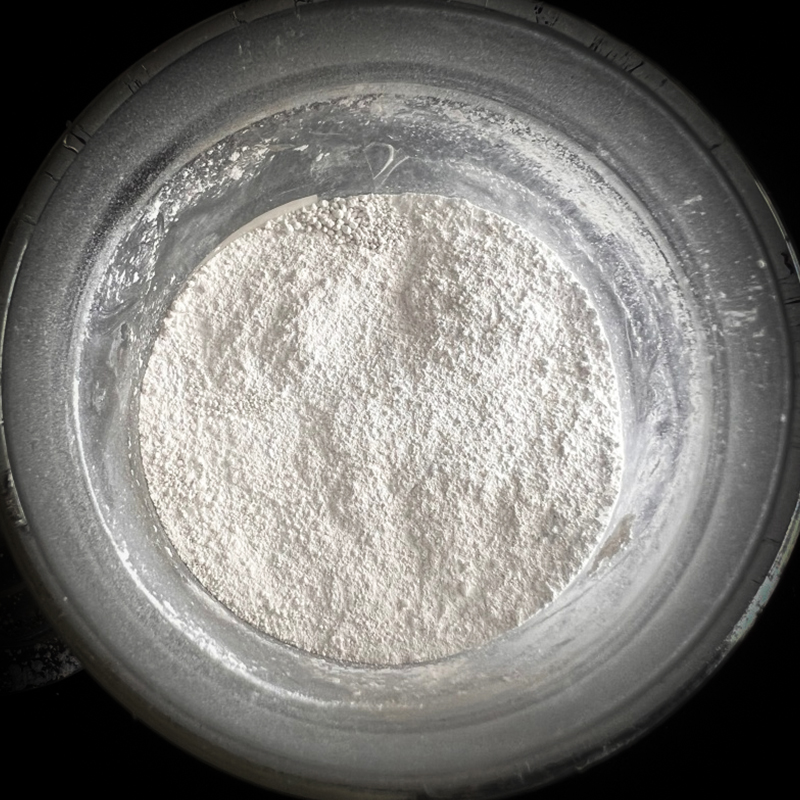
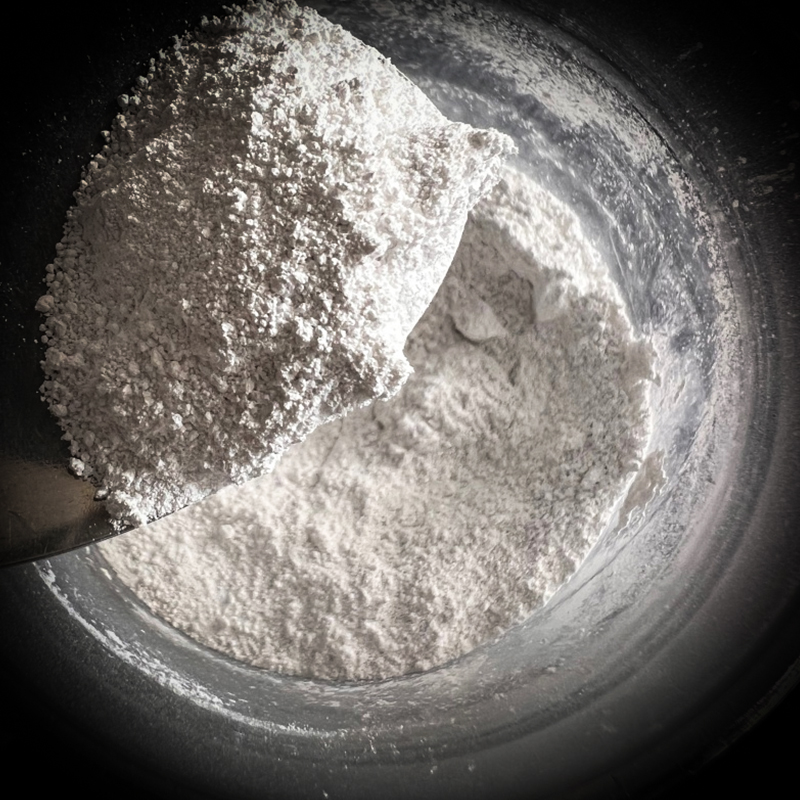
Jiangsu Zhuofeng New Materials Technology Co., Ltd.
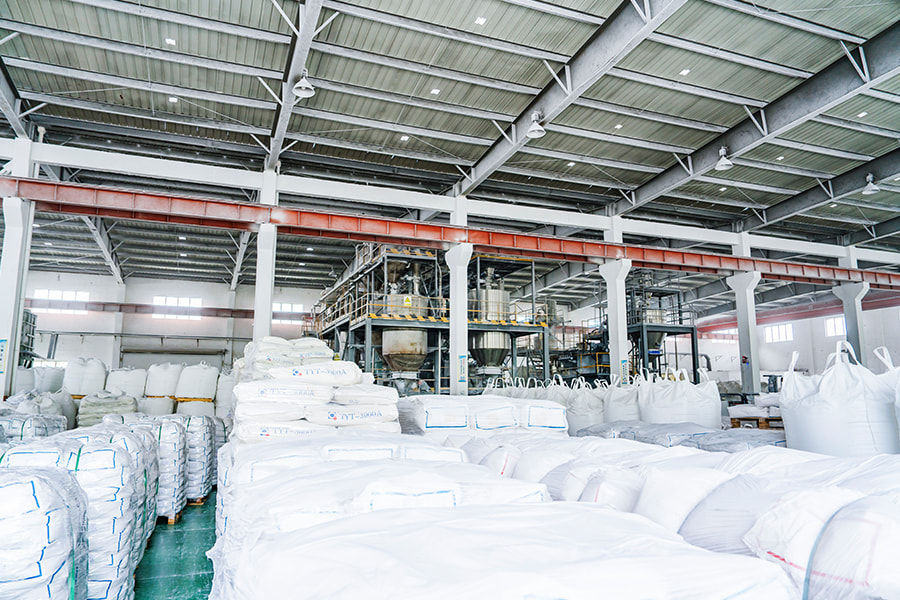
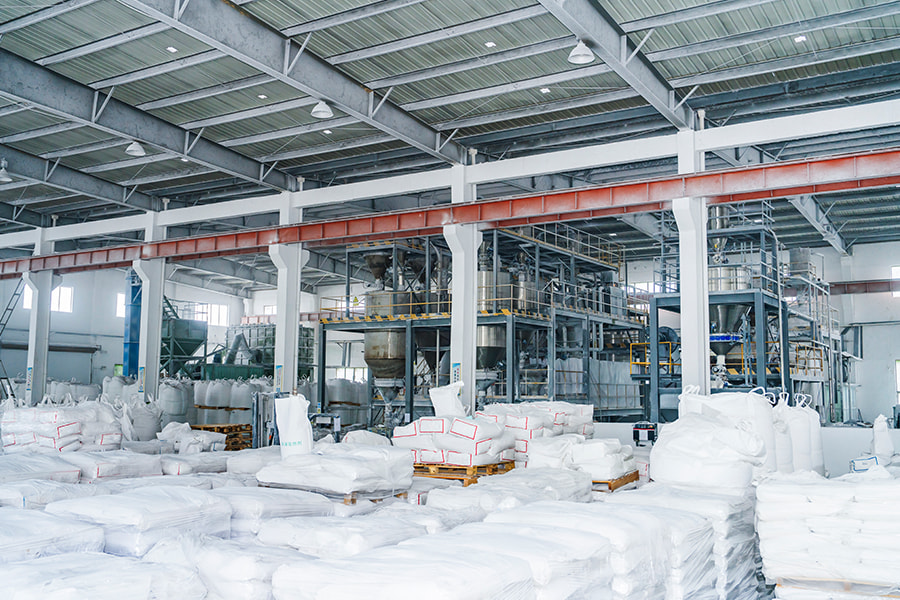
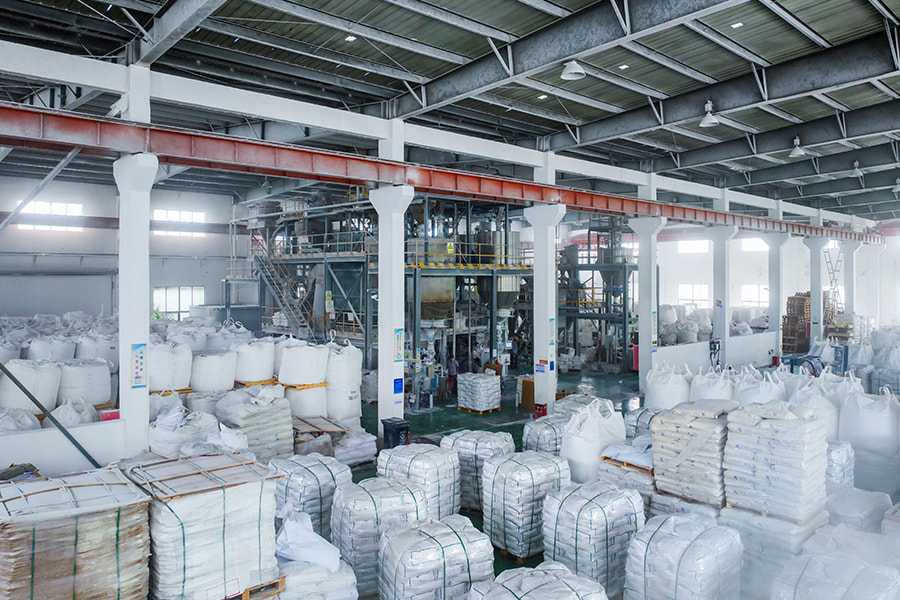
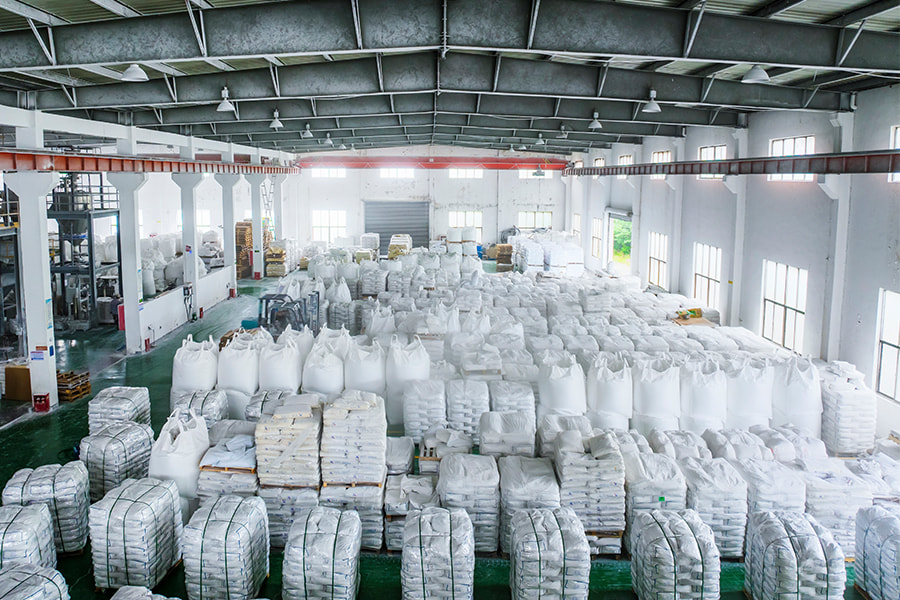
Jiangsu Zhuofeng New Materials Technology Co., Ltd. was established in 2020. It is a supplier specializing in the research, production, and marketing of high-performance and environmentally friendly flame retardants. The company's main products include environmentally friendly flame retardants, flame retardant masterbatches, char-forming agents, composite flame retardants, magnesium oxide, etc. Pressure-Sensitive Adhesive Flame Retardant Manufacturers and Pressure-Sensitive Adhesive Flame Retardant Factory. Relying on mature products and process technologies as well as standardized management, the company has established several mature high-purity, ultra-fine, and cost-effective flame retardant production lines, established a flame retardant polymer material application testing laboratory, and has carried out industry-university-research cooperation to develop and optimize flame retardant products. The founding team of Zhuofeng Technology has gathered a group of talents who have long been engaged in the research, production, marketing, and management of various functional materials. They can provide users with prompt technical support for application use. At Zhuofeng Technology, we are dedicated to meeting our customers' needs by delivering stable, high-performance, and environmentally friendly flame-retardant product lines. Wholesale Flame Retardant for PSA. Company strength data: Industry Experience: 6 years; Plant Scale: 18,000 square meters; Production Capacity:20000 tons.
-
2020Year
Establishment
-
18000m²
Plant Area
-
20000ton
Production Capacity
 Read More

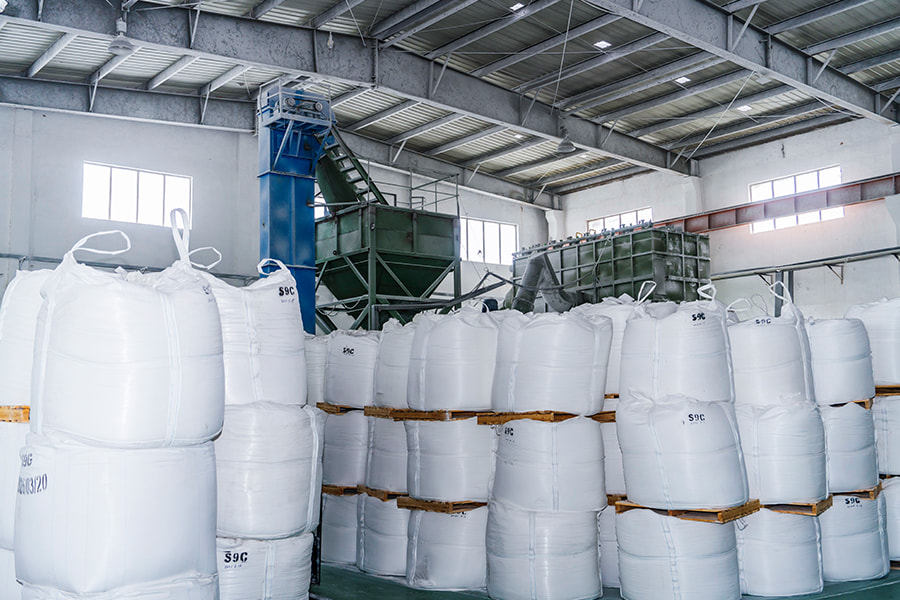
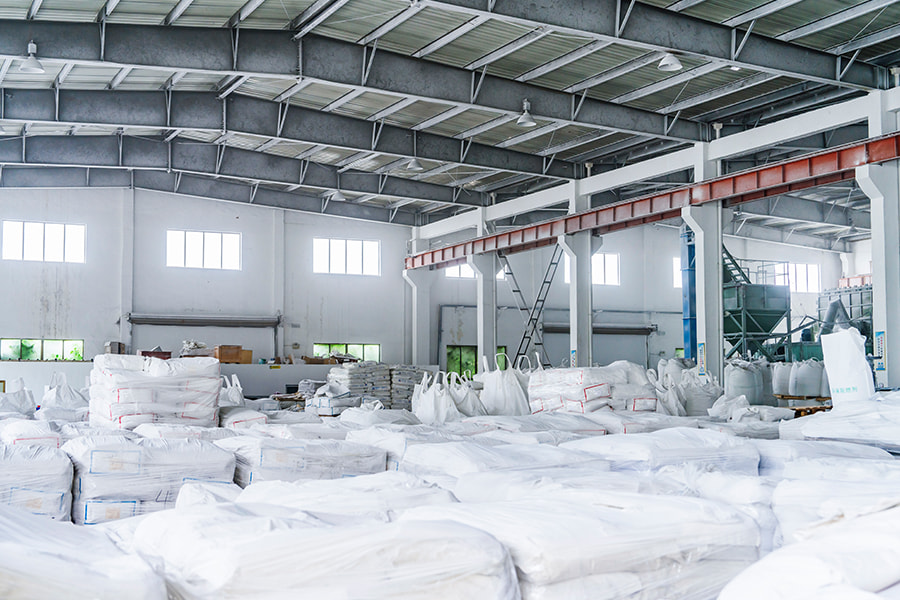
Factory Show
Message Feedback
Industry Insights and Updates
-
2026-09-03Industry News
-
2026-08-28Industry News
-
2026-08-19Industry News
Industry Knowledge
Industry Knowledge
Why Tack and Peel Strength Set the Real Limits on PSA Flame Retardant Loading
Pressure-sensitive adhesives present a formulation challenge that solid polymer compounds don't face: the flame retardant has to coexist with an adhesive layer whose entire function depends on maintaining precise viscoelastic properties, and even modest filler loading can disrupt that balance. At Jiangsu Zhuofeng New Materials Technology Co., Ltd., we've found that flame retardant loading in PSA systems typically has to stay well below the levels used in structural compounds, often in the 10-20% range rather than the 50%+ common in molded parts, simply because tack, peel strength, and shear resistance degrade quickly once filler content interferes with the adhesive's ability to wet out and bond to a substrate surface.
This lower loading ceiling means PSA flame retardant selection leans heavily toward high-efficiency chemistries capable of delivering meaningful flame performance without pushing total additive content into a range that compromises adhesion. Reactive phosphorus-based flame retardants, which can be chemically incorporated into the adhesive polymer backbone rather than simply dispersed as a filler, are increasingly used in PSA formulations specifically because they avoid the physical dilution effect that a purely additive approach creates at equivalent flame performance.
Additive vs. Reactive Flame Retardant Approaches in PSA
| Approach | Effect on Adhesive Properties | Typical Trade-off |
|---|---|---|
| Additive mineral filler | Reduces tack and peel strength at higher loading | Lower cost, simpler formulation, tighter loading ceiling |
| Additive phosphorus-based FR | Moderate impact at lower required loading | Higher cost than mineral fillers, better property retention |
| Reactive phosphorus-based FR | Minimal dilution effect, integrated into polymer | Requires polymer synthesis compatibility, higher development cost |
Choosing between these approaches depends heavily on whether the PSA producer has the process flexibility to incorporate a reactive flame retardant during polymer synthesis or needs a drop-in additive compatible with an already-established adhesive formulation, which is worth clarifying with a supplier before committing to a development path.
Particle Size and Surface Treatment Requirements Unique to Adhesive Systems
When mineral or hybrid flame retardants are used in PSA formulations, particle size control becomes especially critical because oversized particles can create visible defects or weak points at the adhesive-substrate interface, directly undermining bond strength in ways that wouldn't show up in a bulk molded compound. Fine, well-classified particle grades with tight D90 control are generally necessary to avoid these interface defects, particularly for thin adhesive layers used in electronics, tape, or label applications where bond line thickness may only be a few tens of microns.
- Fine, tightly classified particle size reduces the risk of interface defects at thin bond line thicknesses
- Surface treatment compatible with the specific adhesive chemistry (acrylic, rubber-based, or silicone) improves both dispersion and long-term bond durability
- Moisture content control matters as much here as in solid compounds, since excess moisture can interfere with crosslinking in certain PSA chemistries
Formulators should request particle size and surface treatment data specific to adhesive applications rather than relying on a supplier's general-purpose product line, since a coupling agent optimized for a rigid thermoplastic doesn't necessarily translate well to an acrylic or rubber-based adhesive system with a very different surface chemistry environment.
Sourcing a Flame Retardant Supplier With Genuine PSA Formulation Experience
Because the constraints in PSA formulation differ so significantly from bulk compound work, sourcing decisions should prioritize suppliers with demonstrated adhesive-specific formulation experience rather than assuming a general flame retardant product line will transfer smoothly. A supplier able to provide peel strength, tack, and shear resistance data alongside standard flame performance results offers a much more complete picture of how their material will actually behave once integrated into a working adhesive system, rather than leaving PSA producers to discover adhesion trade-offs only after their own formulation trials.
Jiangsu Zhuofeng New Materials Technology Co., Ltd. supports this kind of application-specific validation through its flame retardant polymer material application testing laboratory, working alongside customers to balance flame performance against the adhesive property targets each PSA application demands. When evaluating a Flame Retardant for PSA supplier, it's worth requesting sample batches for direct testing in your own adhesive formulation rather than relying solely on a general product data sheet. For buyers comparing Pressure-Sensitive Adhesive Flame Retardant Manufacturers, prioritizing suppliers willing to run joint compatibility trials tends to shorten development time considerably compared to working through trial and error independently.
Let'S Work Together Welcome Aboard!
-
Oversea Sales: mayuqin@zhuofengfr.com
Company email: rikkima@zhuofengfr.com
-
WhatsApp: +86 18105180388
-
Address: No. 5, Wutai Road, Dongba Street, Gaochun District, Nanjing City, Jiangsu Province, China
Join Our Mailing List
Product Categories
Quick Links
Quick Links
Copyright © Jiangsu Zhuofeng New Materials Technology Co., Ltd.
All Rights Reserved.
 Pressure-Sensitive Adhesive Flame Retardant Factory
Pressure-Sensitive Adhesive Flame Retardant Factory