
 English
 Tiếng Việt


diethylphosphate: Applications, Selection Criteria, and Practical Guidance
diethylphosphate: Applications, Selection Criteria, and Practical Guidance
diethylphosphate: Applications, Selection Criteria, and Practical Guidance
diethylphosphate: Applications, Selection Criteria, and Practical Guidance
diethylphosphate: Applications, Selection Criteria, and Practical Guidance
diethylphosphate: Applications, Selection Criteria, and Practical Guidance
diethylphosphate: Applications, Selection Criteria, and Practical Guidance
diethylphosphate: Applications, Selection Criteria, and Practical Guidance
diethylphosphate: Applications, Selection Criteria, and Practical Guidance
diethylphosphate: Applications, Selection Criteria, and Practical Guidance
diethylphosphate: Applications, Selection Criteria, and Practical Guidance
diethylphosphate: Applications, Selection Criteria, and Practical Guidance
diethylphosphate: Applications, Selection Criteria, and Practical Guidance
diethylphosphate: Applications, Selection Criteria, and Practical Guidance
diethylphosphate: Applications, Selection Criteria, and Practical Guidance
diethylphosphate: Applications, Selection Criteria, and Practical Guidance

Industry News
Home / News / Industry News / diethylphosphate: Applications, Selection Criteria, and Practical Guidance
Product Category
NEW Category
Featured NEWS
- Flame Retardant Urethane: Additives, Mechanisms, and a Practical Selection Guide
- Technical breakthroughs drive the innovation of high-end materials. Ultra-fine and highly pure chemical method magnesium hydroxide ZF-21 has been officially launched.
- Green Flame-Retardant New Core: Efficient and Environmentally Friendly Char-forming Agent Facilitates the Upgrading of Halogen-Free Flame-Retardant Technology.
diethylphosphate: Applications, Selection Criteria, and Practical Guidance
Content
Diethylphosphate is one of those small molecules that does a lot of quiet work behind the scenes. It appears as an industrial intermediate, as a breakdown product in water and soil, and as one of the dialkyl phosphate markers laboratories measure when they want to know whether people have recently been exposed to organophosphate chemistry. For our team, it is also a useful reminder of why the flame retardant choices made at the formulation stage matter far beyond the mixing room.
We have spent years building mineral-based, halogen-free flame retardant systems, and questions about organophosphates come up regularly from customers working through their own material declarations. What follows is a practical summary of what diethylphosphate is, where it is formed, what it is used for, and how it fits into the wider flame retardant conversation — enough for you to judge where it belongs in your own project.
Diethylphosphate at a Glance
Chemically, the name covers both the free acid — diethyl hydrogen phosphate — and its salts. One phosphoric acid core, two ethyl groups, and one acidic proton left over: that is the whole structure. Because the molecule still carries an ionizable OH, it behaves as a fairly strong acid in water, which is why it is usually supplied as a sodium, potassium, or amine salt rather than as the neat acid.
Two practical consequences follow from that structure. First, diethylphosphate is polar and water-miscible, so it will not stay where you put it if moisture is around. Second, the concentrated free acid is corrosive and can attack less noble metals, so storage and dosing equipment deserve a second look before scale-up.
| Property | Typical value |
|---|---|
| Compound class | Dialkyl phosphate (monoester of phosphoric acid) |
| Molecular formula | C4H11O4P |
| Molar mass | 154.10 g/mol |
| Acidity | pKa approximately 1.4 (first dissociation) |
| Appearance | Colourless liquid to low-melting solid, depending on purity and water content |
| Solubility | Miscible with water; soluble in polar organic solvents |
| Common forms | Free acid, alkali or amine salts, aqueous solutions |
Naming in the literature can be loose: "diethyl phosphate" sometimes means the anion, sometimes the ester, and sometimes a salt. When reading a certificate of analysis or a toxicology paper, check which form is meant — it changes how the numbers should be interpreted.
Where Diethylphosphate Comes From
Most of the diethylphosphate discussed in exposure science is not manufactured at all — it is formed inside the body. Organophosphate triesters, whether they enter as insecticides or as phosphate ester flame retardants and plasticizers, are broken down by esterases and phosphatases that strip the alkyl groups away one at a time. The result is a dialkyl phosphate, and for O,O-diethyl parents that dialkyl phosphate is diethylphosphate.
Because these metabolites leave the body in urine within hours to a few days, analytical laboratories use them as short-term exposure markers. Several dialkyl phosphates are commonly measured together in a single panel, and diethylphosphate is one of them. It is worth being precise about what a result means: a detectable level tells you that exposure to some diethyl organophosphate happened recently. It does not tell you which product was responsible, and it does not by itself define a health risk.
In the environment, similar chemistry plays out more slowly. Phosphate esters hydrolyse in water and damp soil and release diethylphosphate as a degradation product, which is one reason the environmental fate of organophosphate esters is studied so closely. Metabolomics databases also list diethylphosphate as an endogenous small molecule found across living organisms — a good reminder that trace levels are not automatically a signal of industrial contamination.
Industrial Roles: Intermediate, Catalyst, and Formulation Aid
Commercially, diethylphosphate earns its place as a building block and a process chemical rather than a headline ingredient. The recurring uses we see are:
- Intermediate for phosphate esters, where the ethyl groups are later exchanged or extended
- Acid catalyst in the curing of amino resins and some coating and adhesive systems
- Antistatic and surface-treatment additive in fibre and textile processes
- Extraction and metal-treatment auxiliary, usually as a salt solution
- pH adjuster and buffer component in specialized aqueous formulations
Because the molecule is hygroscopic and acidic, formulation work usually centres on control: which salt form, what water content, what pH window, and what compatibility with the rest of the system. Those are the questions our application lab asks first whenever a customer proposes adding an organophosphorus species to a polymer or a coating.
Diethylphosphate and Flame Retardant Chemistry
Why phosphorus works, and why this molecule is not a flame retardant
Organophosphorus flame retardants act mainly in the gas phase, releasing phosphorus radicals that interrupt the combustion chain, and partly in the condensed phase by promoting char. Small dialkyl phosphates are convenient models for studying that chemistry, and they also turn up as hydrolysis products of phosphate ester flame retardants. They are not, however, practical flame retardants in their own right: the molecule is volatile, water-soluble, and behaves as a plasticizer in many polymers, so it migrates instead of protecting.
Mineral-based systems that sidestep the question
For projects where the material declaration has to stay clear of organophosphate markers, inorganic systems are a natural place to start. Magnesium hydroxide and aluminium hydroxide work by endothermic decomposition, diluting fuel and releasing water vapour, and they leave a mineral residue rather than an organophosphorus footprint. Our ultrafine synthetic magnesium hydroxide grades were developed for exactly this kind of work, with tight particle size control so that high filler loadings stay processable.
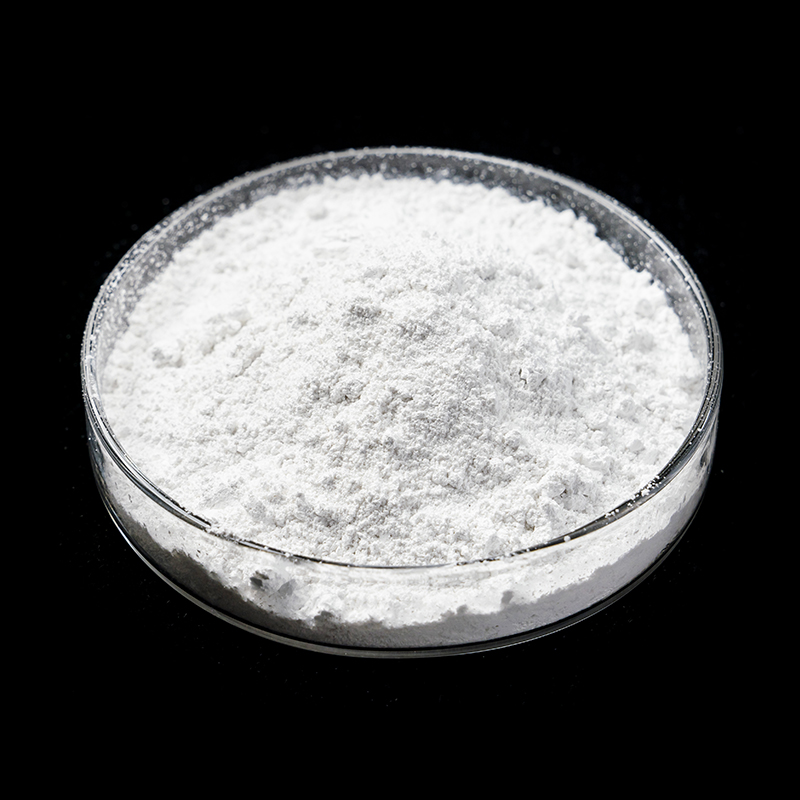 Ultra-Fine Synthetic Magnesium Hydroxide ZF-21Ultra-fine synthetic magnesium hydroxide for halogen-free flame-retardant polyolefins and PVC, with controlled particle size to support processability at high filler loadings.View Product →
Charring agents are the other half of the story. Sepiolite, montmorillonite, and similar minerals promote a coherent carbonaceous layer that insulates the polymer and slows fuel release. Used alongside a mineral hydroxide, they often let you reach a target rating with less total filler — which matters when mechanical properties are already under pressure.
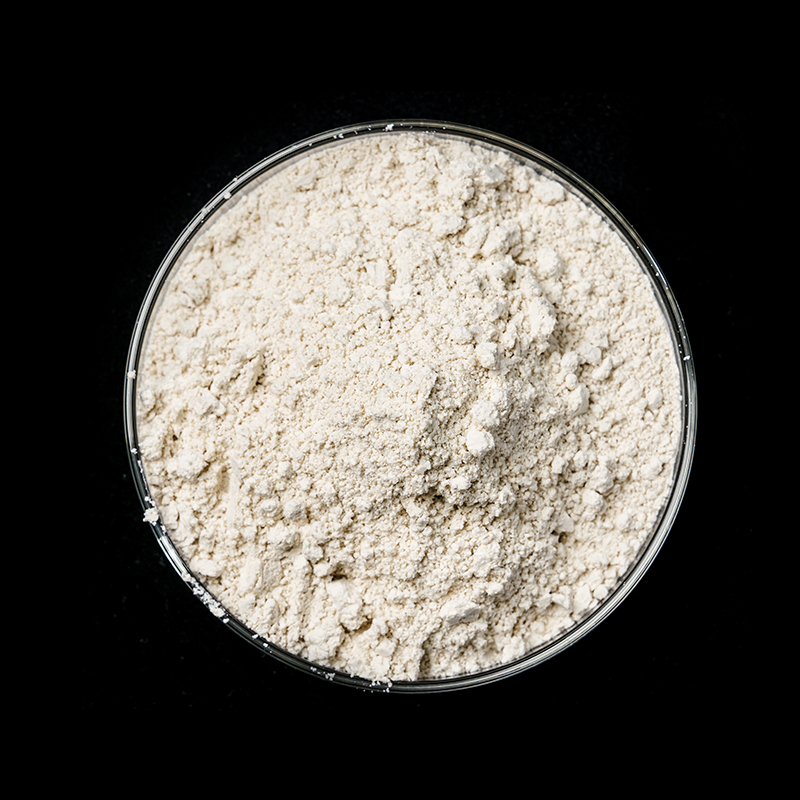 Eco-Friendly Sepiolite Charring Agent ZF-C-125Low-dosage sepiolite charring agent that promotes cohesive char and smoke suppression in halogen-free polyolefin and elastomer systems.View Product →
Where antimony trioxide has been part of the recipe, an eco-friendly synergist can keep the flame retardant mechanism intact while removing the heavy-metal and supply concerns. Our non-toxic antimony synergist composite is designed as a straightforward route for formulators who want to step away from Sb2O3 without rebuilding the whole system.
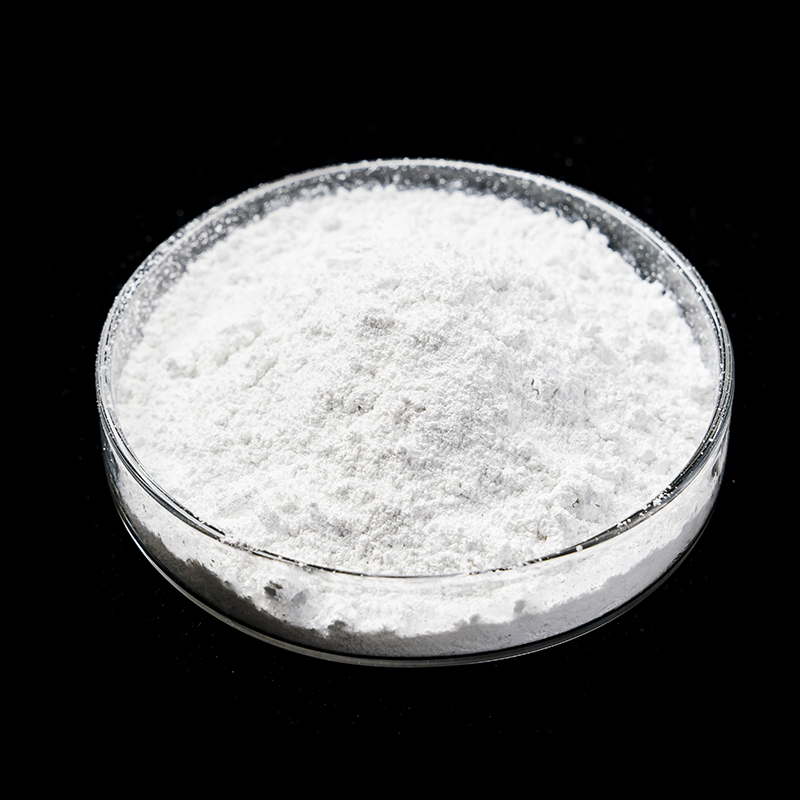 Non-Toxic Antimony Synergist Composite ZF-V70Eco-friendly composite synergist for PVC flame-retardant systems, designed as a direct antimony trioxide replacement while maintaining flame retardancy and processing characteristics.View Product →
Choosing between these routes is rarely a purely technical decision. Processing temperature, let-down ratio, colour, and the strength of the customer's own restricted-substance list usually settle it. If you are working in engineering plastics, our engineering plastics application notes cover typical loadings and compatibility points, and the wider case for single-substance mineral flame retardants is set out in this technical note.
Exposure, Biomarkers, and Responsible Handling
Public-health literature on diethylphosphate concentrates on two themes: its role as a non-specific exposure marker, and possible associations between dialkyl phosphate levels and hormonal endpoints. Studies have reported links with thyroid and sex hormone measures, but the picture is not settled, and a metabolite concentration is not a diagnosis. What the data do support is a simple operating principle — keep exposure to organophosphate chemistry under control at every stage, from raw material handling through to the finished article.
For anyone working with the free acid or its concentrated salts, the essentials are familiar:
- Work in well-ventilated areas with acid-resistant gloves, goggles, and a face shield
- Store in HDPE or suitable stainless steel, away from moisture and reactive metals
- Control pH carefully during neutralization, since the reaction is exothermic
- Segregate from strong oxidizers and check compatibility with any amine used in curing
- Keep eyewash and safety shower access close, and brief operators on acid first aid
A Short Checklist Before You Specify
- Define the function first. Is diethylphosphate acting as a catalyst, an antistat, or an intermediate? The answer sets the purity and salt form you actually need.
- Confirm which form is quoted. Free acid, sodium salt, and amine salt behave very differently in water content, corrosivity, and pH.
- Run a hydrolysis and aging check. Aqueous systems and humid service conditions will move the equilibrium over time.
- Review your declarations early. If organophosphate markers are on a customer's list of questions, mineral alternatives may save a redesign later.
- Verify compatibility at process temperature, especially in polar polymers where small phosphates can plasticize and soften the matrix.
- Pilot at production scale before committing. Dosing accuracy and moisture pickup behave differently in a 200-litre batch than in a beaker.
Closing Notes from Our Bench
Diethylphosphate is a good example of a molecule that is neither villain nor hero. It is a genuinely useful industrial building block, a well-established biomarker, and a reminder that organophosphorus chemistry leaves a traceable signature wherever it is used. That signature is fine when it is understood and managed — and it is avoidable when a project's specification calls for something else entirely.
If you are weighing an organophosphorus route against a mineral-based one, bring us the details: resin type, target rating, processing window, and the declaration you need to meet. We will tell you honestly which of our magnesium hydroxide, charring agent, or synergist grades fits, and where an inorganic system simply will not do the job.
PREV:No previous article
NEXT:Antimony III Oxide: Chemistry, Flame Retardant Uses, Safety, and Alternatives
NEXT:Antimony III Oxide: Chemistry, Flame Retardant Uses, Safety, and Alternatives
Interested in cooperation or have questions?
Featured Products
Let'S Work Together Welcome Aboard!
-
Oversea Sales: mayuqin@zhuofengfr.com
Company email: rikkima@zhuofengfr.com
-
WhatsApp: +86 18105180388
-
Address: No. 5, Wutai Road, Dongba Street, Gaochun District, Nanjing City, Jiangsu Province, China
Join Our Mailing List
Product Categories
Quick Links
Quick Links
Copyright © Jiangsu Zhuofeng New Materials Technology Co., Ltd.
All Rights Reserved.
 Environmentally Friendly Flame Retardants Manufacturers