
 English
 Tiếng Việt

Optimizing Fire Safety with Custom Single Substance Flame Retardants
Optimizing Fire Safety with Custom Single Substance Flame Retardants
Optimizing Fire Safety with Custom Single Substance Flame Retardants
Optimizing Fire Safety with Custom Single Substance Flame Retardants
Optimizing Fire Safety with Custom Single Substance Flame Retardants
Optimizing Fire Safety with Custom Single Substance Flame Retardants
Optimizing Fire Safety with Custom Single Substance Flame Retardants
Optimizing Fire Safety with Custom Single Substance Flame Retardants
Optimizing Fire Safety with Custom Single Substance Flame Retardants
Optimizing Fire Safety with Custom Single Substance Flame Retardants
Optimizing Fire Safety with Custom Single Substance Flame Retardants
Optimizing Fire Safety with Custom Single Substance Flame Retardants
Optimizing Fire Safety with Custom Single Substance Flame Retardants
Optimizing Fire Safety with Custom Single Substance Flame Retardants
Optimizing Fire Safety with Custom Single Substance Flame Retardants
Optimizing Fire Safety with Custom Single Substance Flame Retardants

Industry News
Product Category
NEW Category
Optimizing Fire Safety with Custom Single Substance Flame Retardants
Content
- 1 What Are Single Substance Flame Retardants and Why Does Customization Matter?
- 2 How Single Substance Flame Retardants Work: Mechanisms Every Buyer Should Understand
- 3 Key Categories of Single Substance Flame Retardants for Custom Formulations
- 4 Seven Customization Dimensions Beyond the Chemical Itself
- 5 UL 94 Ratings and Regulatory Considerations in Custom Selection
- 6 How to Evaluate a Custom Single Substance Flame Retardant Supplier
- 7 Conclusion: From Standard Products to Tailored Fire Safety
When a product specification requires a UL 94 V-0 rating in a glass-filled PA6 housing, standard off-the-shelf flame retardant additives often fall short. The polymer matrix, processing temperature, and mechanical property targets all impose constraints that a generic additive cannot satisfy. This is where custom single substance flame retardants come into play. Unlike compounded multi-additive systems, a single substance flame retardant is a defined chemical compound—magnesium hydroxide, aluminum hydroxide, melamine cyanurate, or ammonium polyphosphate, for example—selected and tailored for a specific resin system. The focus of this guide is the "custom" part: what parameters can be adjusted, how those adjustments influence performance, and how to evaluate a supplier who claims to offer true customization.
What Are Single Substance Flame Retardants and Why Does Customization Matter?
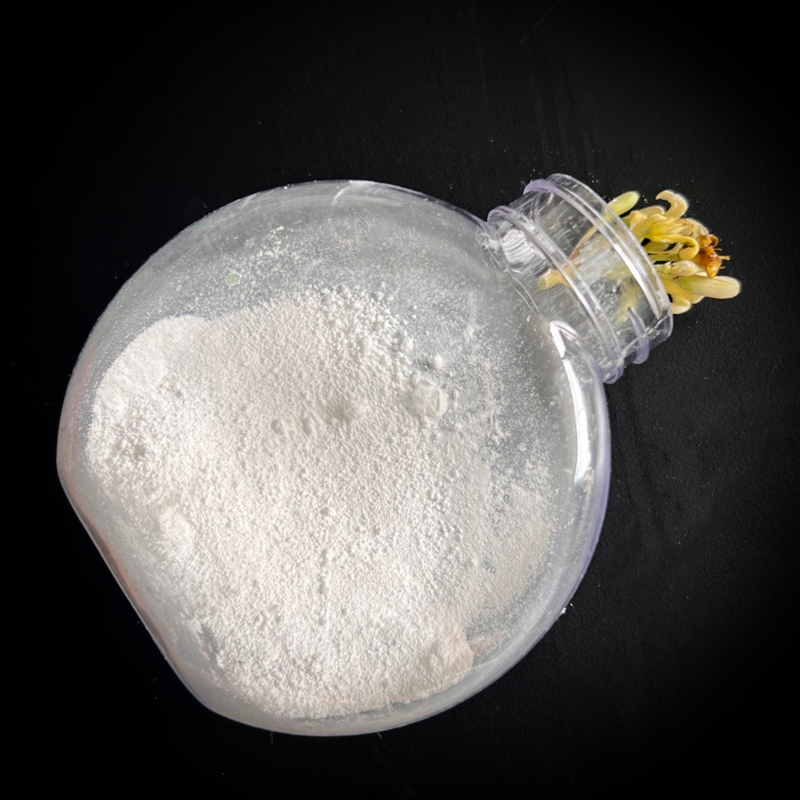
A single substance flame retardant is exactly what the name suggests: one chemical compound that provides flame retardancy on its own, without relying on a pre-formulated blend of multiple active ingredients. Examples include synthetic magnesium hydroxide (MDH), aluminum hydroxide (ATH), melamine cyanurate (MCA), and ammonium polyphosphate (APP). The key distinction from compound systems is predictability—with one active component, the decomposition temperature, endothermic behavior, and char-forming tendency are all characteristic of that specific molecule.
Customization matters because the same chemical behaves differently depending on the host polymer and processing conditions. Take magnesium hydroxide as an example. MDH decomposes at approximately 330°C, releasing water and absorbing heat. This makes it suitable for thermoplastics processed below that temperature, such as polypropylene (PP) or ethylene-vinyl acetate (EVA). By contrast, aluminum hydroxide decomposes around 200°C, which narrows the processing window significantly. If you are running a PA6 compound at 240–280°C, ATH is not a viable option—it will decompose during processing. This single example illustrates why "custom" begins with matching the monomer’s intrinsic properties to the base resin’s processing window.
A second reason customization matters is particle engineering. Our production capability for high-purity, ultra-fine grades directly addresses the fact that particle size distribution influences dispersion, mechanical property retention, and flame retardant efficiency. A 1-micron median particle size behaves differently from a 5-micron one, even in the same polymer. So when you hear "custom," it should mean more than just picking a chemical from a catalog—it should mean tuning that chemical to your application.
How Single Substance Flame Retardants Work: Mechanisms Every Buyer Should Understand
To specify the right custom monomer, you need to understand the three fundamental mechanisms by which these compounds interrupt combustion. Each mechanism has distinct implications for material performance and processing.
Heat Absorption and Cooling Effect
Metal hydroxides such as ATH and MDH act primarily through endothermic decomposition. When heated, they absorb energy and release water vapor, which also dilutes combustible gases in the flame zone. The practical consequence is that to achieve a meaningful UL 94 rating, you generally need high loading levels—often 40–60% by weight. That high loading impacts density and mechanical properties, so particle size and surface treatment become crucial to maintain acceptable impact strength.
Char Layer Formation
Phosphorus-based monomers like APP and dedicated charring agents promote the formation of an insulating carbon layer on the polymer surface. This physically separates the underlying material from heat and oxygen, reduces heat release, and prevents dripping. For engineering plastics such as PA and PBT, char formation is often the preferred mechanism because it requires lower loadings—typically 15–30%—and preserves more of the base resin’s mechanical integrity.
Gas Phase Flame Interruption
Some flame retardants, notably halogenated compounds, interrupt combustion in the gas phase by scavenging free radicals. While highly effective at low loadings, halogenated systems face increasing regulatory pressure under RoHS and REACH. For environmentally focused formulations, non-halogen alternatives that operate in the condensed phase are generally preferred, even if they require higher loadings or synergistic additives.
For a buyer, the mechanism determines what you must optimize. If smoke density and toxicity are project requirements, mineral-based monomers are the safer choice. If retention of electrical insulation properties is critical, a char-forming mechanism at lower loading is often better. Your custom specification should therefore begin with a clear understanding of which mechanism aligns with your end-use environment.
Key Categories of Single Substance Flame Retardants for Custom Formulations
The classification below covers the main monomer families available for custom formulation work. Each category has a distinct fit for particular polymer systems.
| Category | Examples | Typical Polymers | Loading Range | Key Characteristics |
|---|---|---|---|---|
| Mineral hydroxides | MDH, ATH, hydromagnesite | PP, PE, EVA, elastomers | 40–60 wt% | Low smoke, low cost, high loading penalty |
| Phosphorus-based | APP, organic phosphinates | PA, PBT, epoxy | 15–30 wt% | Effective char former, lower loading |
| Nitrogen-based | MCA, melamine polyphosphate | PA6, PA66, TPU | 5–15 wt% | Very low loading for V-0, drips may still occur |
| Charring agents and synergists | Charring agents, montmorillonite, sepiolite, attapulgite | PP, PA (as co-additives) | 1–10 wt% | Improve char quality, anti-drip, synergy with MDH/APP |
Minerals like MDH and ATH are the workhorses for polyolefins, delivering reliable V-0 performance at high loadings with excellent environmental profile. Phosphorus-based monomers are the go-to for engineering thermoplastics where mechanical retention matters. MCA is remarkable in PA systems—just 5–10% can achieve V-0 in thin sections, though it may require an anti-drip additive. Charring agents and clay-based synergists are used in combination with other monomers—for example, montmorillonite or sepiolite with MDH to improve char integrity and reduce dripping.
The "custom" angle here is straightforward: choosing the correct monomer family for your base resin is step one. Only after that decision is made do the finer dimensions of customization—particle size, surface treatment, and synergistic optimization—become relevant.
Seven Customization Dimensions Beyond the Chemical Itself
When a supplier says "we can customize," it pays to know exactly which parameters are on the table. Seven physical and logistical dimensions matter in industrial practice.
1. Particle Size Distribution
Ultra-fine particles (<2 µm) disperse more evenly and provide more surface area for endothermic decomposition, but they also tend to agglomerate and increase compound viscosity. Coarser grades handle better in extrusion but may yield lower flame retardant efficiency at the same loading. A custom specification should define a PSD (d50 and top-cut) matched to your compounding equipment and final part thickness.
2. Surface Treatment and Coating
This is perhaps the most impactful customization dimension. Untreated magnesium hydroxide is hydrophilic and will absorb moisture, causing defects in extruded parts and reducing mechanical properties. Silane coupling agents or fatty acid coatings improve compatibility with hydrophobic polymers like PP. For humid environments or high-humidity processing, a hydrophobic surface treatment is not optional—it is mandatory.
3. Purity Control
Trace metal impurities—iron, copper, manganese—catalyze polymer degradation at processing temperatures, leading to discoloration and loss of mechanical strength. High-purity grades (typically >99% for synthetic MDH) are specified for applications demanding electrical insulation or consistent color appearance. Purity directly affects both thermal stability and the consistency of batch-to-batch results.
4. Loading Level and Synergist Optimization
Customization often involves finding the minimum effective loading for your target UL 94 rating. This is never a single-variable exercise. Combining a primary monomer with a synergist—for example, using MDH with small amounts of sepiolite or montmorillonite—can reduce the total inorganic loading by 10–20% while maintaining the same V-0 rating. This preserves mechanical properties and reduces density, a valuable trade-off in automotive and transportation applications.
5. Thermal Stability Adjustment
Each monomer family has a defined decomposition temperature, but within that family, particle morphology and surface modifiers can shift the effective processing window. If your extrusion temperature approaches the decomposition onset, the custom solution is a specific grade with optimized thermal stability—validated by TGA or DSC data.
6. Particle Morphology
Plate-like particles (e.g., hydrotalcite or layered silicates) act as a physical barrier in the condensed phase, improving char strength. Fibrous morphologies reinforce the char layer but may complicate dispersion. Spherical or granular morphologies flow best in handling and dosing. Morphology is a rarely discussed but critical custom dimension that affects both flame retardancy and mechanical isotropy.
7. Packaging and Logistics Specifications
In an industrial procurement context, customization extends to packaging—jumbo bags, small paper bags, moisture-proof vacuum-sealed packaging—and delivery logistics. For grades prone to moisture pickup (especially MDH), selected moisture-proof packaging can be the difference between a smooth production run and a scrapped batch. While not chemistry, this is a practical dimension of the "custom" promise.
Our in-house application testing laboratory supports this depth of customization by running actual UL 94 tests on your specific base resin, not just theoretical data sheets. This capability transforms the customization process from a promise into an evidence-based engineering exercise.
UL 94 Ratings and Regulatory Considerations in Custom Selection
UL 94 is the most common benchmark for plastics flammability in North America. The V-0, V-1, and V-2 ratings classify materials based on burning time after an ignited flame is removed, and whether flaming drips occur. For enclosure parts, V-0 is typically the target. For internal components, V-2 may be acceptable. The gap between V-2 and V-0 in terms of required additive loading is not linear—it can be substantial, directly affecting part cost and mechanical performance.
A credible custom development process must make this relationship explicit. Your supplier should be able to show a table of typical loading versus achieved UL 94 rating for your specific base resin. Without such data, you are buying a promise, not an engineered solution.
Regulatory pressure is reshaping monomer selection. RoHS restricts certain hazardous substances, and REACH continues to tighten registration requirements. The trend toward halogen-free solutions is strong, especially in electronics and transportation. If you are currently using antimony trioxide (ATO) as a synergist, you will be aware of its supply chain and regulatory vulnerability. Eco-friendly alternatives that reduce or eliminate ATO are available, and a forward-looking supplier with ATO-free options in its portfolio—as we have in ours—can help you future-proof your formulations against tightening regulations.
Beyond UL 94, consider end-of-life disposal requirements and OEM-specific substance lists. A custom monomer selection should align not just with fire safety targets but with your full compliance matrix. Ensure your supplier can provide compliance status documentation and application test data rather than just a chemical safety datasheet.
How to Evaluate a Custom Single Substance Flame Retardant Supplier
The capability to supply a standard grade from a warehouse is common. The capability to develop a tailored grade for your application is rare. Evaluating a supplier for the latter requires a focused audit of specific competencies.
Application Testing Capability
The single most important question to ask is: can you run UL 94 tests on my base resin when I send you samples? A supplier with its own application testing laboratory will produce a technical report with measured data—burn times, drip observations, heat release—rather than generic estimates. Our own application testing laboratory and technical support exists for exactly this purpose.
Granulation Control and Quality Consistency
Ask for particle size distribution reports from multiple lots and assess the variability. A <3% coefficient of variation in d50 across batches is a reasonable expectation for an established producer. Request moisture content data and check the consistency. A supplier who cannot provide these records lacks process control.
Response Speed for Prototypes
Custom development cycles in plastic compounding are typically 4–8 weeks from specification to sample. A supplier who can produce a custom surface-treated or PSD-adjusted sample within two weeks is demonstrating real manufacturing flexibility. A supplier who asks for a minimum order quantity of 10 tons before producing a sample is not set up for customization work.
Product Range and Alternatives
A single-product producer can only optimize within one chemical family. A supplier with a broad portfolio that spans monomers, compounded systems, masterbatches, and elastomer materials can offer objective advice on which product form and chemistry is truly best for your application, rather than steering you to the only product they make.
Multi-Chemistry Synergy
Suppliers who actively invest in alternative systems—such as ATO-free synergists—demonstrate strategic alignment with the regulatory trend. In a custom development project, this means they will propose solutions based on future regulatory certainty, not just current compliance.
Conclusion: From Standard Products to Tailored Fire Safety
Customizing a single substance flame retardant is not a mystical process, but it is a systematic one. The base resin determines the chemical family—choose MDH or ATH for polyolefins, phosphorus-based monomers for engineering plastics, MCA for PA. The target UL 94 rating determines the loading window. The processing temperature profile dictates the acceptable decomposition range, and the required mechanical properties push you toward particle size and surface treatment adjustments. Regulatory constraints narrow the field further toward non-halogen, low-toxicity systems.
Before you start the conversation with a supplier, prepare a short dossier: base resin grade and supplier, processing temperature range, target UL 94 rating (and any thin-wall requirements), end-use environmental conditions (heat, humidity, electrical stress), and the cost boundary per kilogram of finished compound. This information allows the supplier to move directly to candidate grades and realistic test plans.
Effective customization is not a one-time formula tweak; it is an iterative engineering partnership. The right supplier will test, measure, adjust, and re-test until the system is optimized for your process—not just for a datasheet. Our philosophy at flame-materials-factory.com is built on continuous application-focused development with timely technical support. If your project requires a monomer tailored to a specific resin and processing condition, the practical next step is to bring your material specification to that engineering conversation.
PREV:Bulk Wholesale Brucite Powder: How to Choose Grades and Suppliers
NEXT:Custom Elastomer Materials for Flame Retardant TPE and Rubber
NEXT:Custom Elastomer Materials for Flame Retardant TPE and Rubber
Interested in cooperation or have questions?
Featured Products

Let'S Work Together Welcome Aboard!
-
Oversea Sales: mayuqin@zhuofengfr.com
Company email: rikkima@zhuofengfr.com
-
WhatsApp: +86 18105180388
-
Address: No. 5, Wutai Road, Dongba Street, Gaochun District, Nanjing City, Jiangsu Province, China
Join Our Mailing List
Product Categories
Quick Links
Quick Links
Copyright © Jiangsu Zhuofeng New Materials Technology Co., Ltd.
All Rights Reserved.
 Environmentally Friendly Flame Retardants Manufacturers
Environmentally Friendly Flame Retardants Manufacturers