
 English
 Tiếng Việt

product
product
product
product
product
product
product
product
product
product
product
product
product
product
product
product

Brucite
Product Category
Contact us
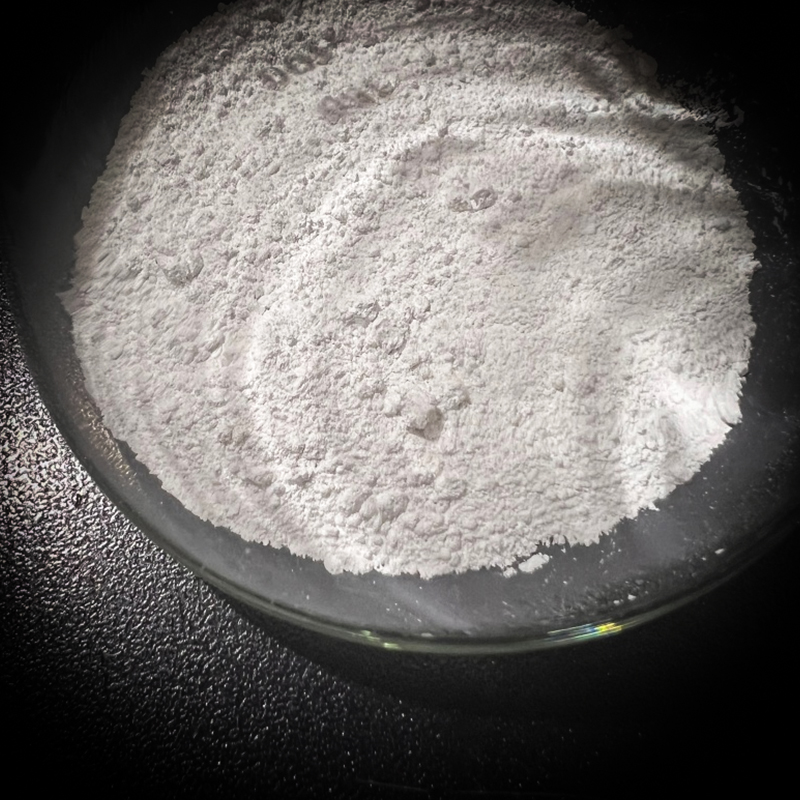
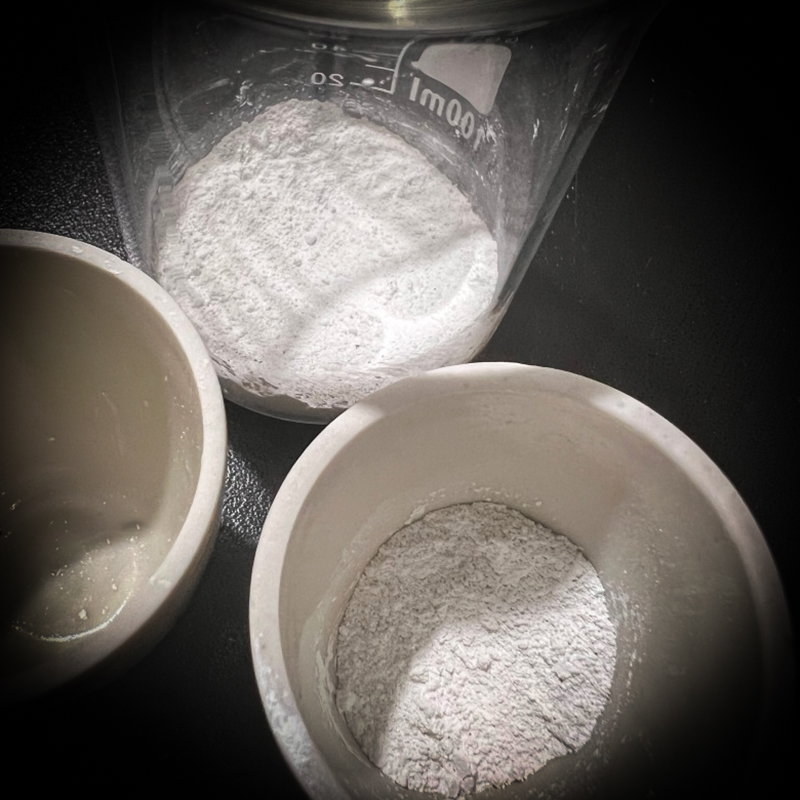
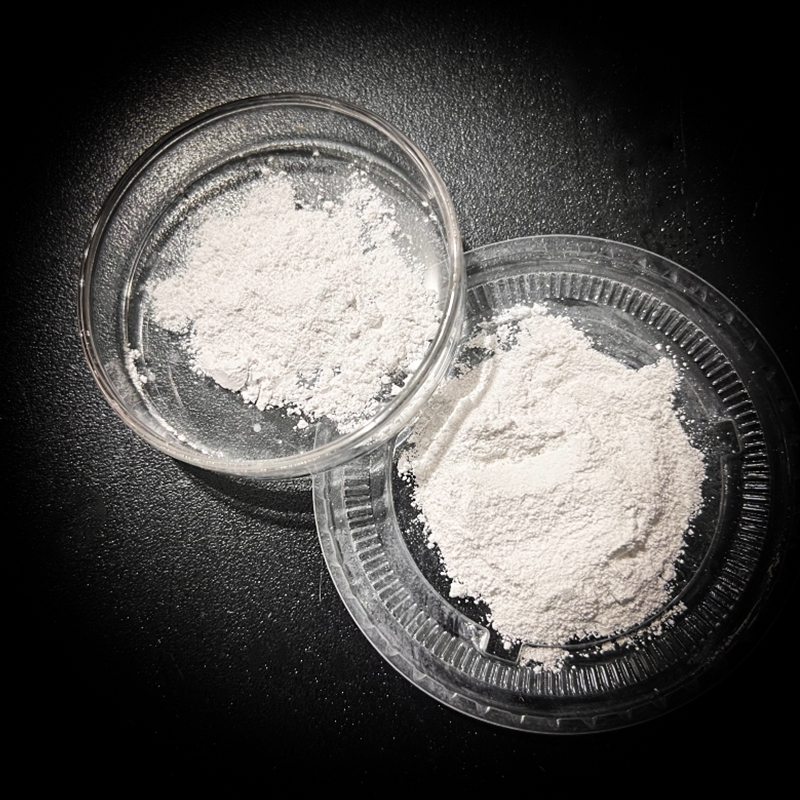
Jiangsu Zhuofeng New Materials Technology Co., Ltd.
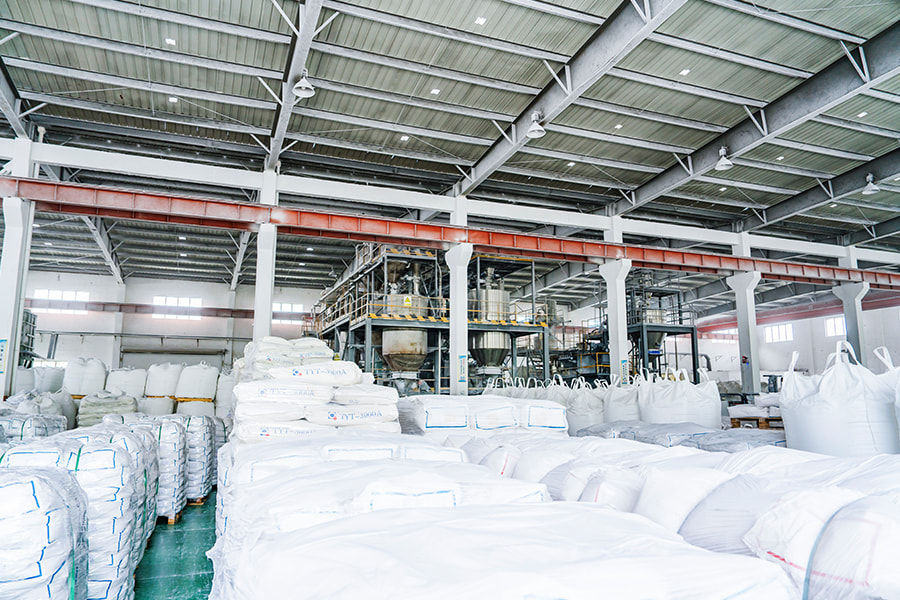
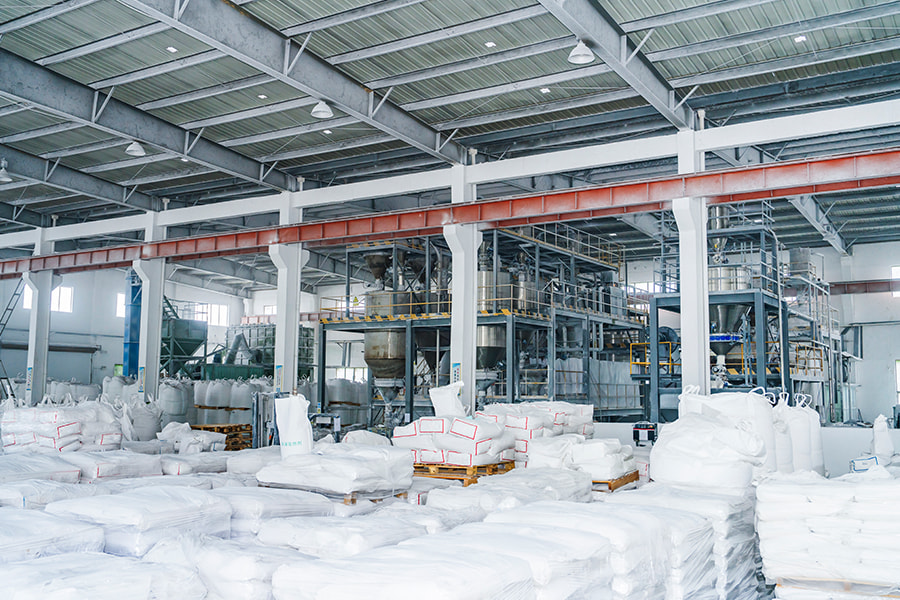
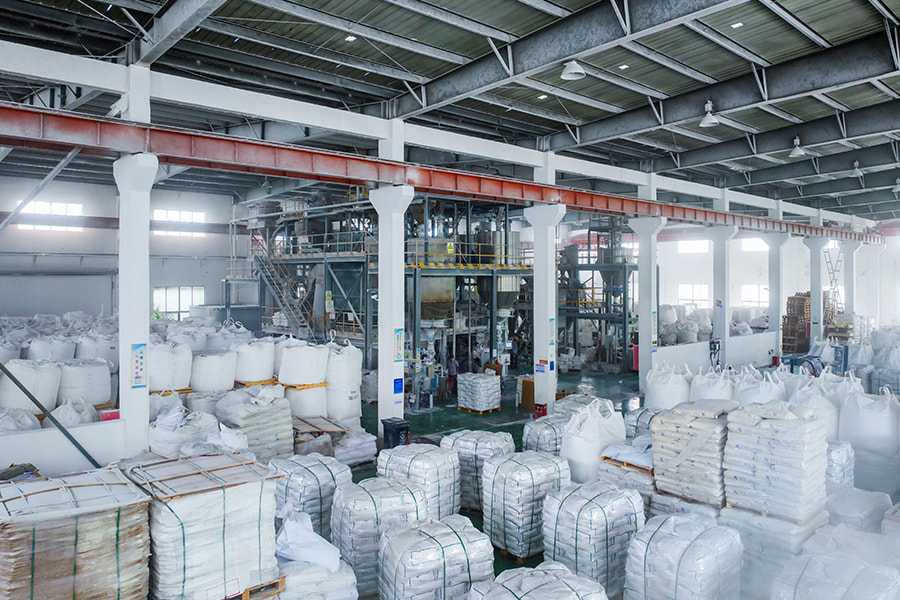
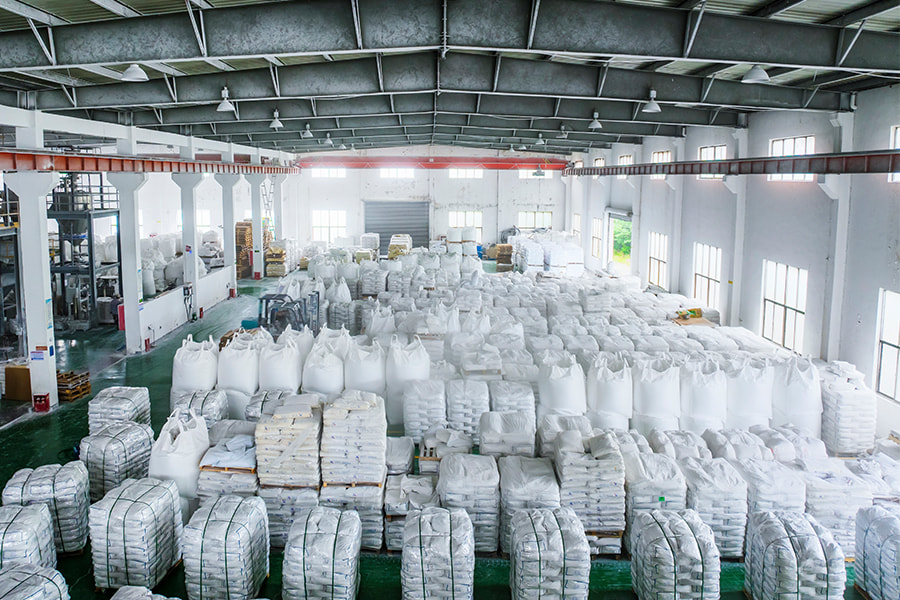
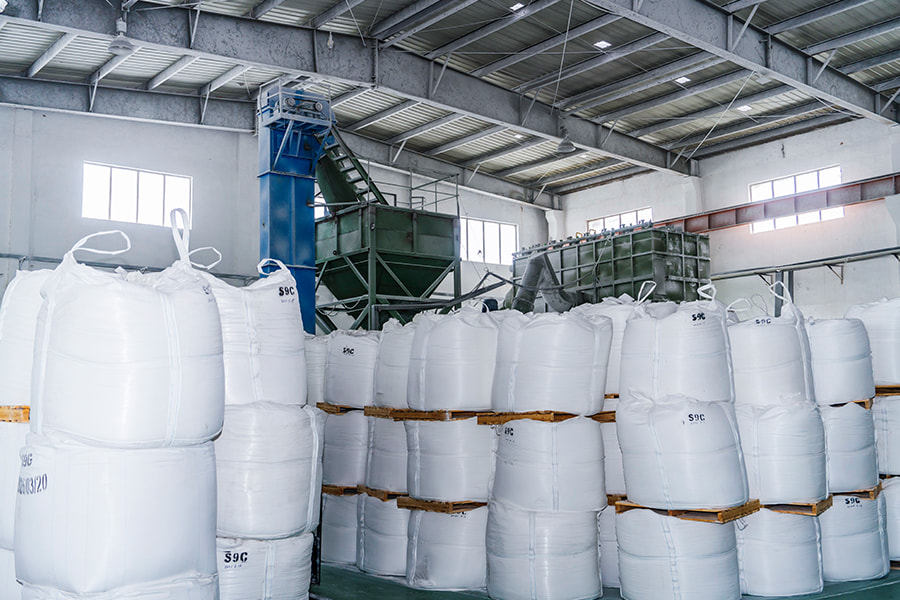
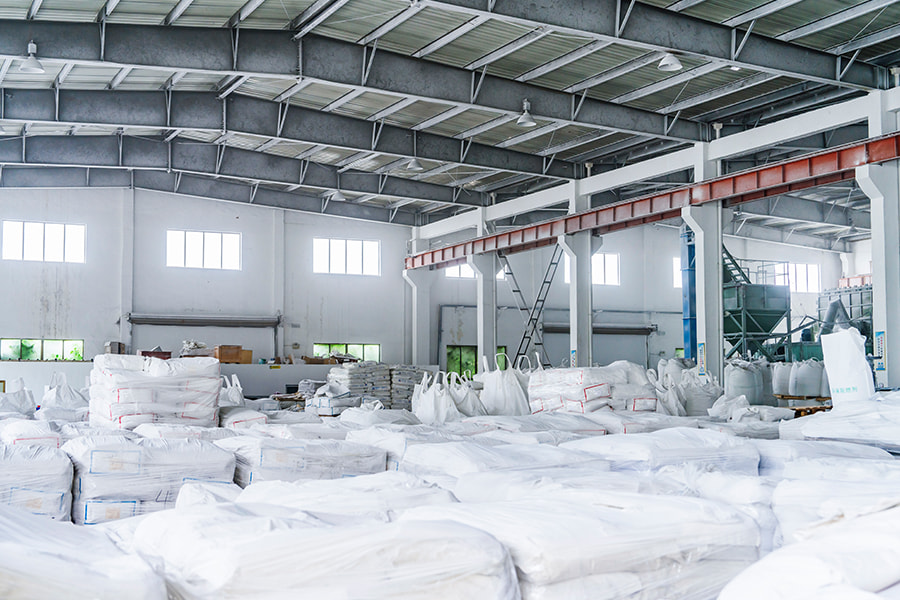
Jiangsu Zhuofeng New Materials Technology Co., Ltd. was established in 2020. It is a supplier specializing in the research, production, and marketing of high-performance and environmentally friendly flame retardants. The company's main products include environmentally friendly flame retardants, flame retardant masterbatches, char-forming agents, composite flame retardants, magnesium oxide, etc. Brucite Powder Manufacturers and Brucite Powder Wholesale Factory. Relying on mature products and process technologies as well as standardized management, the company has established several mature high-purity, ultra-fine, and cost-effective flame retardant production lines, established a flame retardant polymer material application testing laboratory, and has carried out industry-university-research cooperation to develop and optimize flame retardant products. The founding team of Zhuofeng Technology has gathered a group of talents who have long been engaged in the research, production, marketing, and management of various functional materials. They can provide users with prompt technical support for application use. At Zhuofeng Technology, we are dedicated to meeting our customers' needs by delivering stable, high-performance, and environmentally friendly flame-retardant product lines. Bulk Wholesale Brucite Powder. Company strength data: Industry Experience: 6 years; Plant Scale: 18,000 square meters; Production Capacity:20000 tons.
-
2020Year
Establishment
-
18000m²
Plant Area
-
20000ton
Production Capacity
 Read More
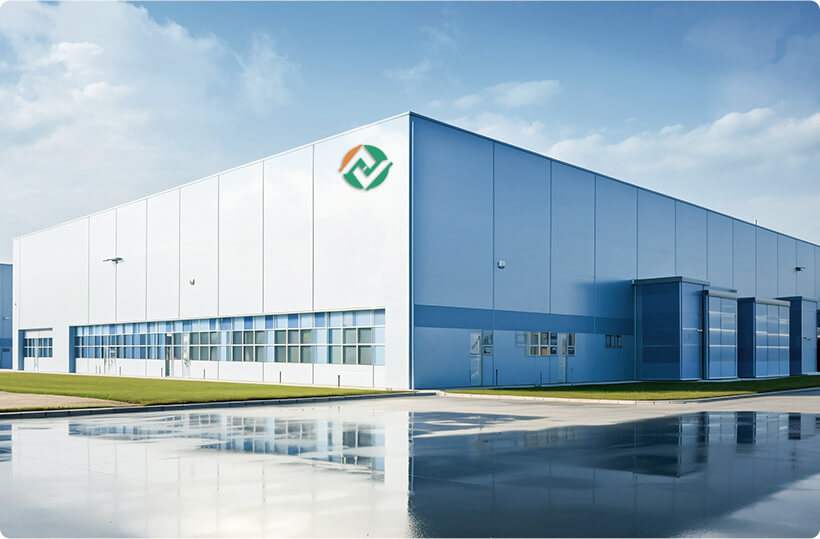
Factory Show
Message Feedback
Industry Insights and Updates
-
2026-09-17Industry News
-
2026-09-14Industry News
-
2026-09-08Industry News
Industry Knowledge
Industry Knowledge
Why Natural Brucite Still Has a Place Alongside Synthetic Magnesium Hydroxide
Brucite, the naturally occurring mineral form of magnesium hydroxide, tends to get overlooked in favor of synthetic grades once a formulator has worked with high-purity precipitated material, but that overlooks where brucite's real advantages sit. Because brucite is mined rather than chemically synthesized, processed material from a well-controlled deposit can offer significantly lower production cost per ton, which matters for high-volume, cost-sensitive applications like PVC cable sheathing or general-purpose flame-retardant masterbatches where extreme purity isn't the limiting requirement. At Jiangsu Zhuofeng New Materials Technology Co., Ltd., we work with both mineral sources and precipitation processes because the right choice genuinely depends on the target application rather than one method being universally superior.
The trade-off is variability. Ore composition differs from deposit to deposit and even within different zones of the same deposit, which means calcium carbonate, iron oxide, and silica content can shift between shipments if the source material isn't carefully selected and blended before processing. This is precisely why sourcing from a manufacturer that controls its own grinding, classification, and purification steps matters more for brucite than for synthetic alternatives, since the raw material variability has to be engineered out downstream rather than avoided at the synthesis stage.
Particle Size Classification and Its Impact on Flame Retardant Efficiency
Raw brucite ore is ground down through a series of classification steps, and the resulting particle size distribution has a direct and sometimes underappreciated effect on flame retardant efficiency. Finer particles offer greater surface area, which improves the rate of water release during decomposition and generally allows a slightly lower loading level to achieve the same UL94 or LOI target. However, finer grinding also increases production cost and can raise compound viscosity at high loading, so the optimal particle size is a balance rather than simply "finer is always better."
- Coarse grades (D50 above 5 microns): lower cost, suited to thick-wall parts with less stringent flow requirements
- Mid-range grades (D50 2-5 microns): balanced processability and flame retardant efficiency for general cable and profile extrusion
- Ultra-fine grades (D50 below 2 microns): improved mechanical properties and lower loading requirements, best suited to thin-wall or high-performance parts
Buyers requesting a custom particle size distribution rather than a stock grade should specify not only D50 but also the D90 cutoff, since a small percentage of oversized particles can create weak points in thin-wall parts even when the average particle size looks acceptable on paper.
What to Specify When Requesting a Custom Brucite Grade
Working with Custom Brucite Manufacturers gives formulators access to parameters that stock grades don't typically offer, but getting real value from customization means knowing which specifications actually affect your process. Beyond the obvious particle size target, whiteness index is worth specifying explicitly for any application where the finished part's color matters, since iron content that's low enough to pass a basic purity spec can still noticeably yellow a white or light-colored compound over time, particularly under UV or thermal aging.
| Specification | Why It Matters |
|---|---|
| D50 / D90 particle size | Controls dispersion, flow, and flame retardant efficiency |
| Whiteness index | Affects long-term color stability in light-colored compounds |
| Moisture content | Impacts extrusion stability and risk of surface defects |
| Surface treatment option | Determines compatibility with target polymer resin |
A manufacturer capable of adjusting each of these parameters independently, rather than offering only a handful of fixed catalog grades, gives your R&D team the flexibility to fine-tune a formulation without switching raw material suppliers mid-development, which is often more disruptive than the customization request itself.
Evaluating a Brucite Powder Supplier for Long-Term Wholesale Volume
Sourcing brucite powder at wholesale volume introduces a different set of risks than a small trial order, since the ore-based nature of the raw material means deposit depletion, seasonal mining access, or quarry-level quality shifts can all affect long-term supply consistency in ways that synthetic material sourcing generally avoids. Before committing to a long-term wholesale contract, it's worth asking any prospective supplier directly about their raw ore sourcing strategy, specifically whether they rely on a single quarry or maintain multiple sourcing relationships to buffer against localized supply disruptions.
With around 20,000 tons of annual production capacity spread across 18,000 square meters of facilities, Jiangsu Zhuofeng New Materials Technology Co., Ltd. is set up to support recurring wholesale orders without the batch-to-batch quality drift that smaller operations sometimes struggle to avoid at scale. Any buyer evaluating a Brucite Powder Wholesale Factory for a long-term contract should also confirm whether the facility maintains in-house testing for each incoming ore shipment, since this upstream quality control step is what ultimately determines whether the finished powder meets specification consistently rather than only on the batches selected for a sales sample.
Let'S Work Together Welcome Aboard!
-
Oversea Sales: mayuqin@zhuofengfr.com
Company email: rikkima@zhuofengfr.com
-
WhatsApp: +86 18105180388
-
Address: No. 5, Wutai Road, Dongba Street, Gaochun District, Nanjing City, Jiangsu Province, China
Join Our Mailing List
Product Categories
Quick Links
Quick Links
Copyright © Jiangsu Zhuofeng New Materials Technology Co., Ltd.
All Rights Reserved.
 Brucite Powder Wholesale Factory
Brucite Powder Wholesale Factory