
 English
 Tiếng Việt

product
product
product
product
product
product
product
product
product
product
product
product
product
product
product
product

Adhesive Film TPE
Product Category
Contact us
Adhesive Film TPE Manufacturers
information to be updated
Jiangsu Zhuofeng New Materials Technology Co., Ltd.
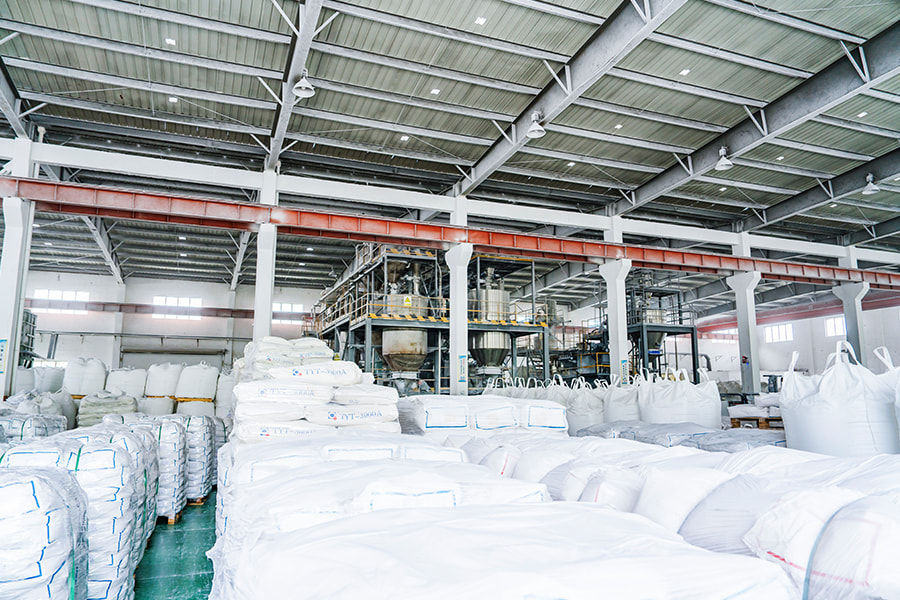
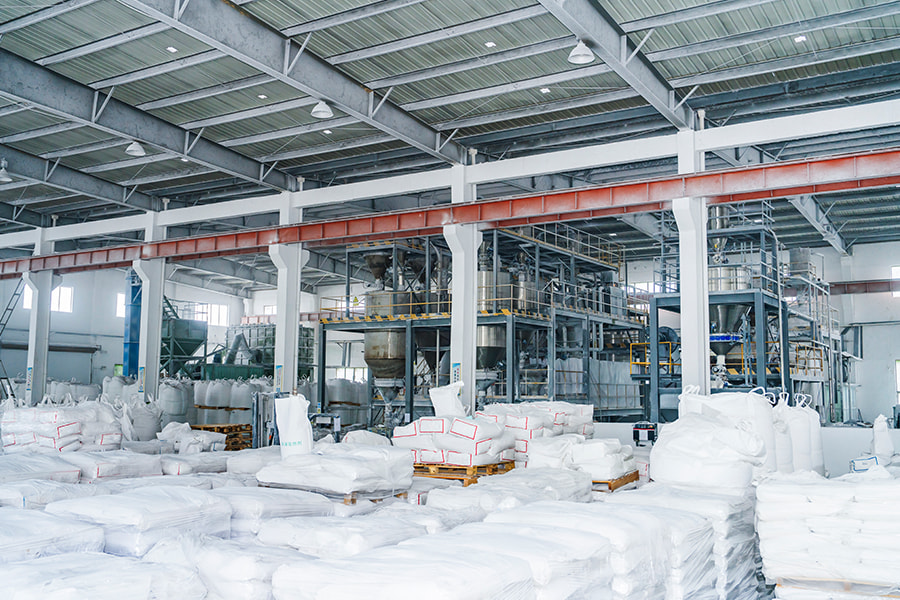
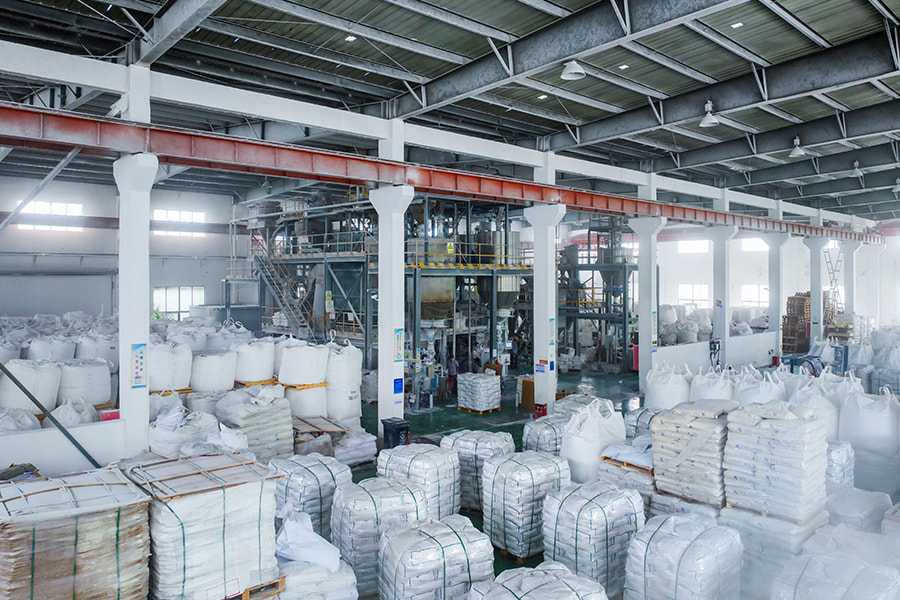
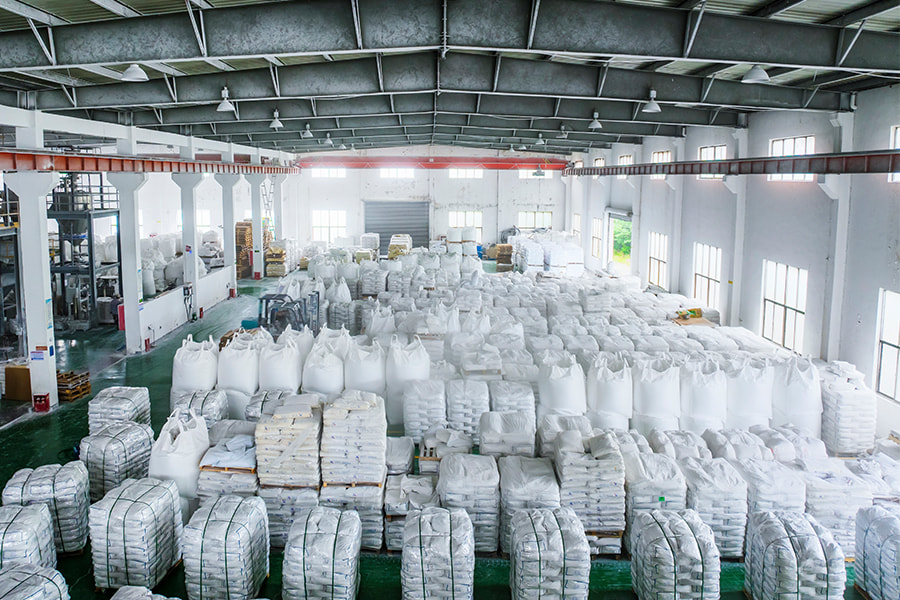
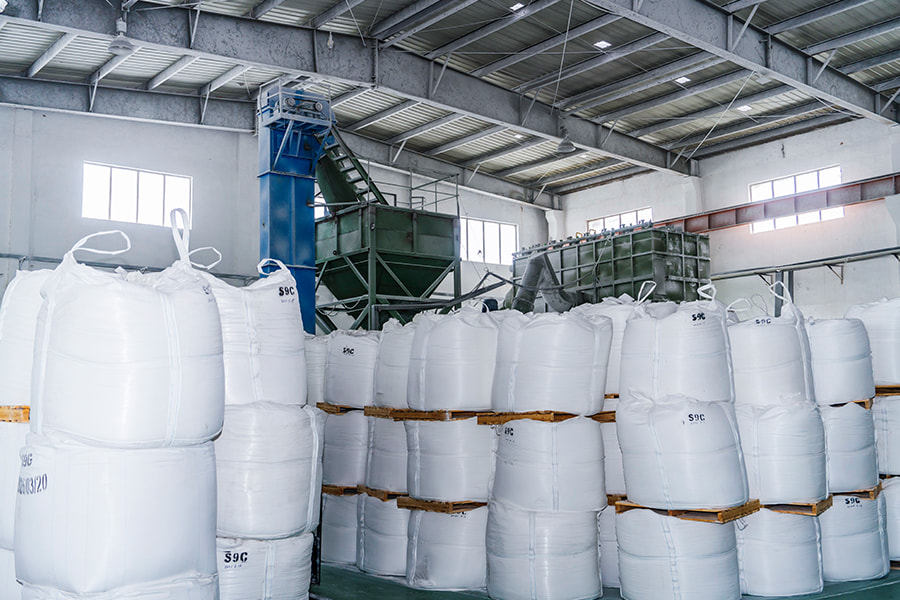
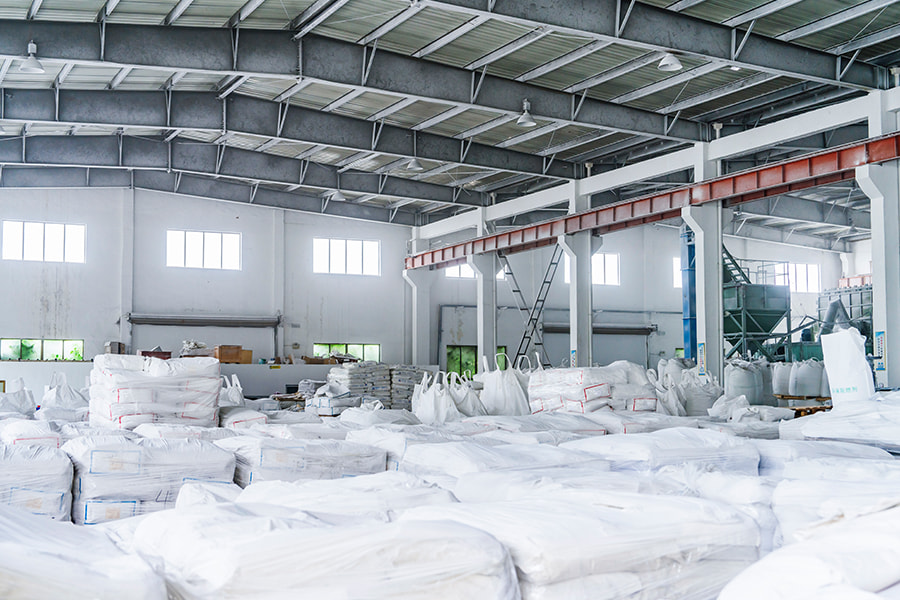
Jiangsu Zhuofeng New Materials Technology Co., Ltd. was established in 2020. It is a supplier specializing in the research, production, and marketing of high-performance and environmentally friendly flame retardants. The company's main products include environmentally friendly flame retardants, flame retardant masterbatches, char-forming agents, composite flame retardants, magnesium oxide, etc. Adhesive Film TPE Manufacturers and Adhesive Film TPE Factory. Relying on mature products and process technologies as well as standardized management, the company has established several mature high-purity, ultra-fine, and cost-effective flame retardant production lines, established a flame retardant polymer material application testing laboratory, and has carried out industry-university-research cooperation to develop and optimize flame retardant products. The founding team of Zhuofeng Technology has gathered a group of talents who have long been engaged in the research, production, marketing, and management of various functional materials. They can provide users with prompt technical support for application use. At Zhuofeng Technology, we are dedicated to meeting our customers' needs by delivering stable, high-performance, and environmentally friendly flame-retardant product lines. Custom Adhesive Film TPE. Company strength data: Industry Experience: 6 years; Plant Scale: 18,000 square meters; Production Capacity:20000 tons.
-
2020Year
Establishment
-
18000m²
Plant Area
-
20000ton
Production Capacity
 Read More

Factory Show
Message Feedback
Industry Insights and Updates
-
2026-09-03Industry News
-
2026-08-28Industry News
-
2026-08-19Industry News
Industry Knowledge
Industry Knowledge
Why Tack and Peel Strength Are More Sensitive to Flame Retardant Loading Than Bulk Mechanical Properties
Adhesive film TPE relies on surface-level tack and peel behavior that is governed largely by the polymer's outermost molecular layer, which makes these properties disproportionately sensitive to flame retardant additives compared to bulk properties like tensile strength or hardness. Even a flame retardant loading that leaves bulk mechanical properties essentially unchanged can meaningfully reduce peel adhesion if the additive migrates toward the film surface or interferes with the tackifying resin's ability to wet out the bonding substrate. This sensitivity means formulators cannot simply carry over loading levels validated for structural TPE parts into an adhesive film application without dedicated peel and tack testing at each candidate loading level.
Adhesive-specific properties that require independent validation
- 180-degree peel strength against the target substrate, tested at the actual flame retardant loading rather than extrapolated from a lower reference point
- Initial tack measured by loop tack or probe tack methods, since flame retardant surface migration can reduce initial bond formation even when eventual peel strength is acceptable
- Shear holding power under sustained load, which can decline if flame retardant particles create localized weak points within the adhesive layer
- Adhesion consistency across the film width, since uneven flame retardant dispersion during extrusion can create streaks of reduced bonding performance
Testing peel and tack on the exact substrate the film will bond to in the final application, rather than a generic steel or glass test panel, gives a more reliable read on real-world adhesive performance once flame retardant additives are introduced into the formulation.
Selecting Flame Retardant Particle Size for Thin-Gauge Adhesive Film Extrusion
Adhesive films are often extruded at very thin gauges, sometimes well under 100 microns, which places a direct constraint on the maximum acceptable flame retardant particle size that a standard filled masterbatch would not face in thicker structural parts. Oversized particles relative to film thickness can create visible surface defects, weak points prone to pinholing, or localized thin spots where the particle physically displaces a disproportionate share of the film cross-section, all of which compromise both the barrier function and the adhesive performance of the finished film.
Particle size guidance relative to film gauge
| Film Gauge | Recommended Max Particle Size |
| Above 150 microns | Below 15 microns |
| 75-150 microns | Below 8 microns |
| Below 75 microns | Below 3-5 microns, ultra-fine grade recommended |
For the thinnest film gauges, working with a supplier offering ultra-fine or nano-scale flame retardant grades is generally necessary, and confirming the D90 or D99 upper tail of the particle size distribution matters more than the average particle size, since a small population of oversized particles can still cause disproportionate film defects even when the average figure looks acceptable.
Managing Melt Flow and Film Uniformity in Flame Retardant TPE Extrusion
Flame retardant filler addition increases melt viscosity in ways that affect film extrusion differently than injection molding, since blown film and cast film processes depend on consistent, uniform draw-down across the entire die width rather than filling a fixed mold cavity. Localized viscosity variation from uneven flame retardant dispersion can produce gauge bands, thickness variation, or edge weave defects that are much more visually and functionally significant in a thin film than the equivalent variation would be in a thicker molded part.
Process factors that support uniform flame retardant film extrusion
- Confirming the flame retardant masterbatch carrier resin has adequate compatibility and melt index matching with the base TPE to avoid localized viscosity spikes
- Verifying uniform pre-blending of masterbatch and base resin before the extruder feed throat, since inconsistent let-down ratio delivery is a common source of gauge variation
- Monitoring die pressure consistency across the die width during startup and throughout the production run to catch early signs of localized flow restriction
- Adjusting screw compression ratio and mixing section design to accommodate the higher viscosity contribution of the flame retardant loading being used
Gauge profile monitoring using an in-line thickness measurement system, rather than periodic offline sampling, allows production teams to catch flame retardant dispersion-related gauge variation in real time before a significant length of out-of-spec film accumulates.
Flame Retardant Effects on Release Liner Compatibility and Unwind Performance
Adhesive films are typically wound with a release liner to prevent premature bonding during storage and handling, and flame retardant additives in the adhesive layer can affect the release-adhesion balance in ways that only become apparent during unwind testing rather than initial peel strength measurement. Additive migration toward the film surface can either increase adhesion to the release liner beyond the intended level, causing unwind force to rise unacceptably, or in some cases reduce surface tack enough that the film releases too easily and fails to stay positioned during application.
Unwind and release testing considerations
- Measuring release force at multiple points after roll storage, since flame retardant migration effects can change over time rather than being fixed at the point of production
- Testing unwind performance after accelerated aging at elevated temperature, which can simulate extended warehouse storage in a shorter testing window
- Confirming release liner coating chemistry compatibility with the specific flame retardant system, since some liner coatings interact differently with phosphorus-based versus mineral-based additives
- Evaluating whether flame retardant loading needs adjustment specifically to maintain a stable release-adhesion balance rather than optimizing peel strength alone
Because unwind force issues often only surface after roll storage rather than at initial production, building an aging interval into the qualification protocol for flame retardant adhesive film is a worthwhile safeguard against field complaints that would otherwise appear only after the product has already shipped to the customer.
Coordinating Flame Retardant Loading With Thermal Bonding and Heat-Activated Adhesive Processes
Many TPE adhesive films are heat-activated or thermally bonded to a substrate during the application process rather than relying purely on pressure-sensitive tack, and this introduces an additional thermal exposure step where flame retardant thermal stability becomes directly relevant to bond formation quality. If the flame retardant system's decomposition or degradation onset is too close to the thermal bonding temperature, repeated or prolonged heat exposure during the bonding cycle can gradually degrade the additive, potentially compromising flame performance in a way that would not be captured by testing the unbonded film alone.
Considerations for heat-activated flame retardant film applications
- Confirming the flame retardant's thermal stability margin above the specific bonding temperature and dwell time used in the customer's process
- Testing flame performance on samples that have gone through the actual thermal bonding cycle, not just on unbonded roll stock
- Evaluating whether repeated or extended bonding cycles, common in some multi-layer lamination processes, have a cumulative effect on flame retardant stability
- Adjusting flame retardant chemistry selection if the target bonding process runs at a temperature that leaves inadequate thermal margin with standard grades
This kind of process-specific thermal validation is best done collaboratively with the flame retardant supplier's application testing lab, since the bonding equipment and cycle parameters used by different customers can vary enough to shift the practical thermal margin meaningfully from one application to the next.
Regulatory and Application Testing Documentation for Flame Retardant Adhesive Film in Regulated End Uses
Flame retardant adhesive films used in electronics assembly, automotive interiors, or construction applications frequently need to meet specific flammability standards tied to the end product's regulatory requirements, and the documentation trail supporting compliance needs to reflect the film's actual final form and application method rather than generic raw material certification alone. A flame retardant that carries a strong UL94 rating as a bulk molded sample does not automatically transfer that certification to a thin adhesive film format, since film thickness, adhesive layer composition, and application method can all influence actual burn behavior.
Documentation typically needed for regulated applications
- Flammability test results generated on the actual film gauge and adhesive formulation intended for production, not extrapolated from a different format
- Test results reflecting the film as applied to its intended substrate where end-use standards evaluate the bonded assembly rather than the film alone
- RoHS, REACH, or other regional regulatory compliance statements specific to the flame retardant grade used in the adhesive layer
- Batch consistency data supporting that flame performance is maintained across production runs, not just validated on an initial qualification sample
Engaging a supplier with an in-house flame retardant polymer application testing laboratory early in the development process helps ensure test data is generated in a form and format that will actually satisfy the end customer's regulatory documentation requirements, rather than needing to be regenerated later once a compliance gap is identified.
Let'S Work Together Welcome Aboard!
-
Oversea Sales: mayuqin@zhuofengfr.com
Company email: rikkima@zhuofengfr.com
-
WhatsApp: +86 18105180388
-
Address: No. 5, Wutai Road, Dongba Street, Gaochun District, Nanjing City, Jiangsu Province, China
Join Our Mailing List
Product Categories
Quick Links
Quick Links
Copyright © Jiangsu Zhuofeng New Materials Technology Co., Ltd.
All Rights Reserved.
 Adhesive Film TPE Factory
Adhesive Film TPE Factory