
 English
 Tiếng Việt

product
product
product
product
product
product
product
product
product
product
product
product
product
product
product
product

ATO (Antimony Trioxide) Replacement
Product Category
Contact us
ATO (Antimony Trioxide) Replacement Manufacturers
-
Economical Eco-Friendly Composite Flame Retardant for PVC Film ZF-V20
-
Non-Toxic Eco-Friendly Antimony-Synergist Composite Flame Retardant ZF-V70
-
Non-Toxic Eco-Friendly High-Efficiency Antimony-Synergist Flame Retardant ZF-V80
-
High-Efficiency Antimony-Synergist Composite Flame Retardant for Conveyor Belts ZF-V90
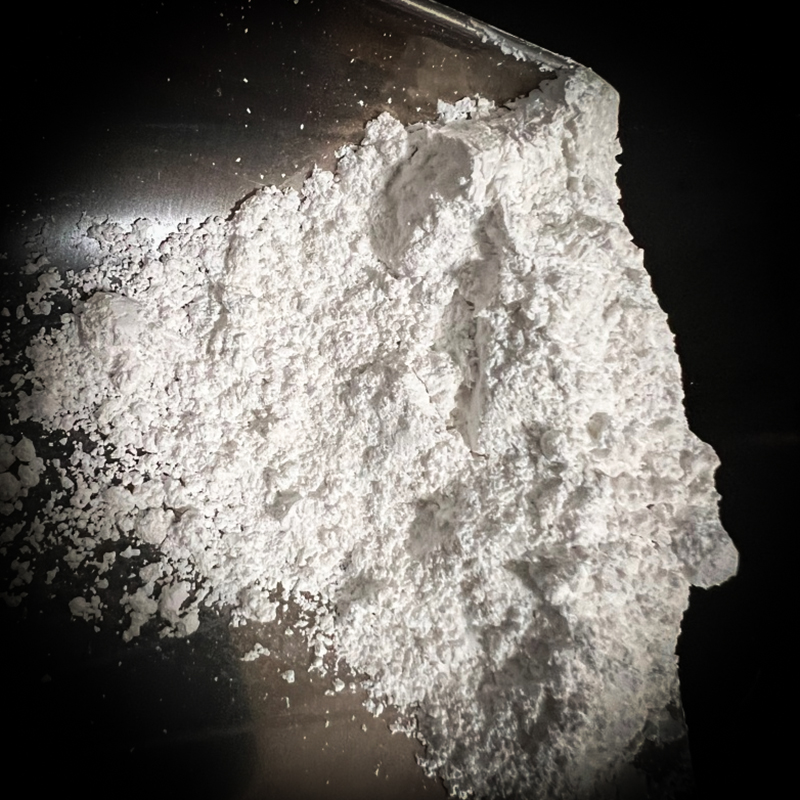
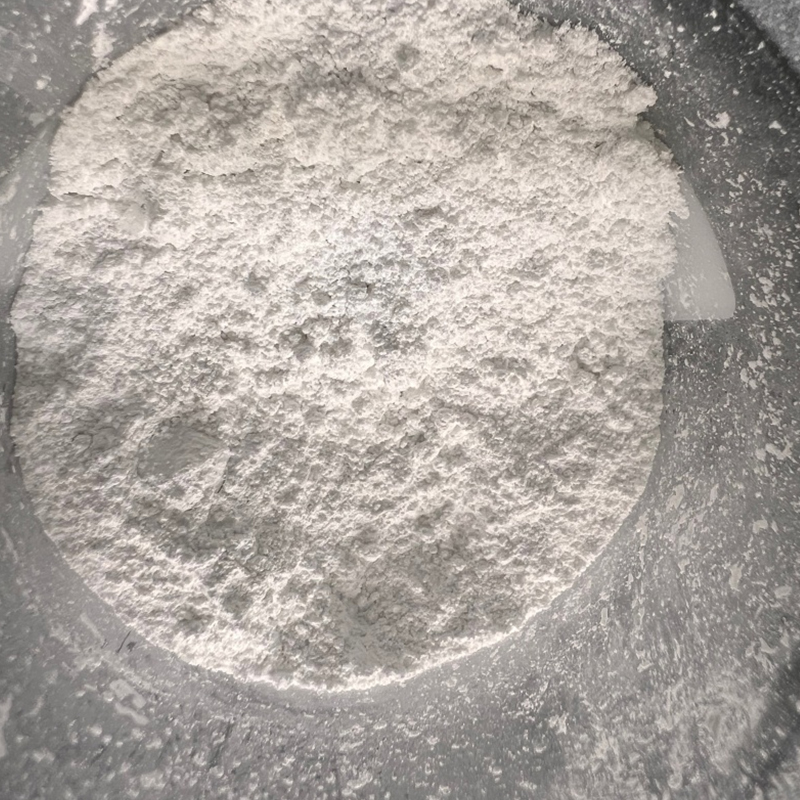
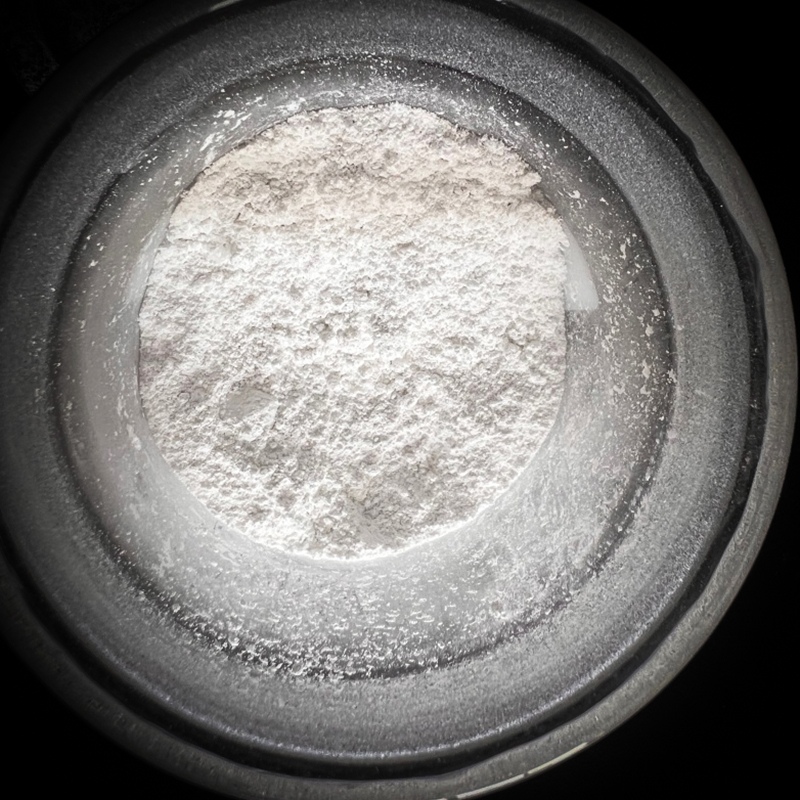
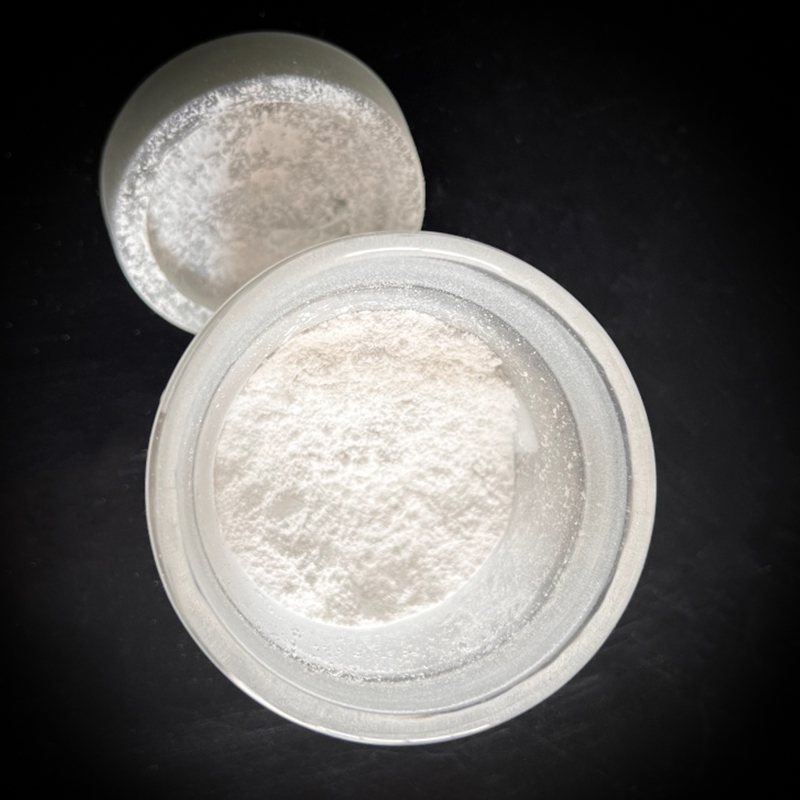
Jiangsu Zhuofeng New Materials Technology Co., Ltd.
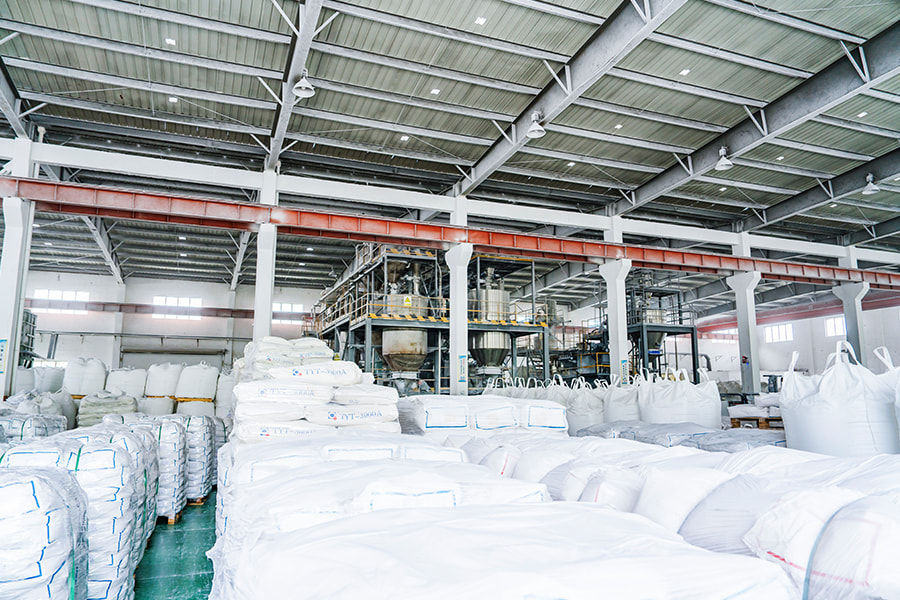
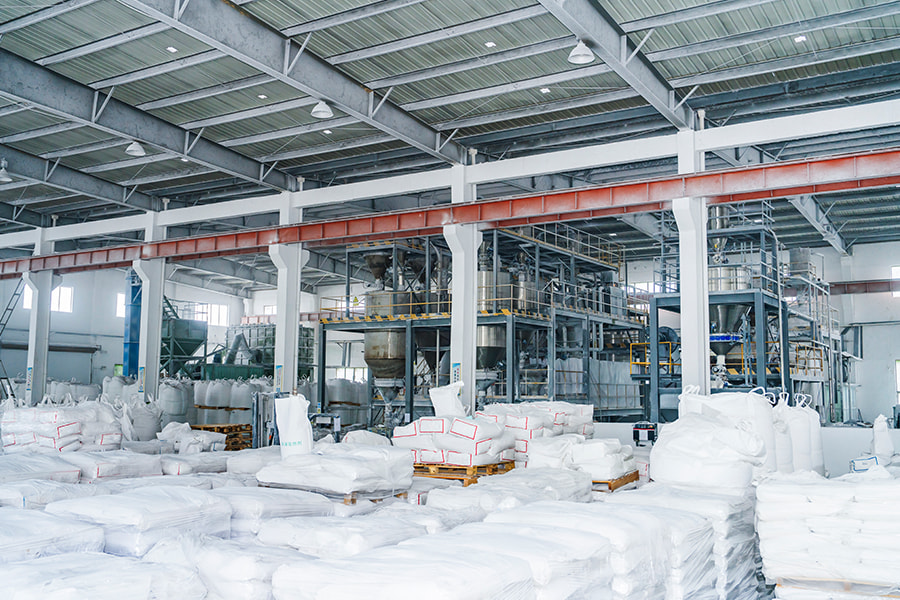
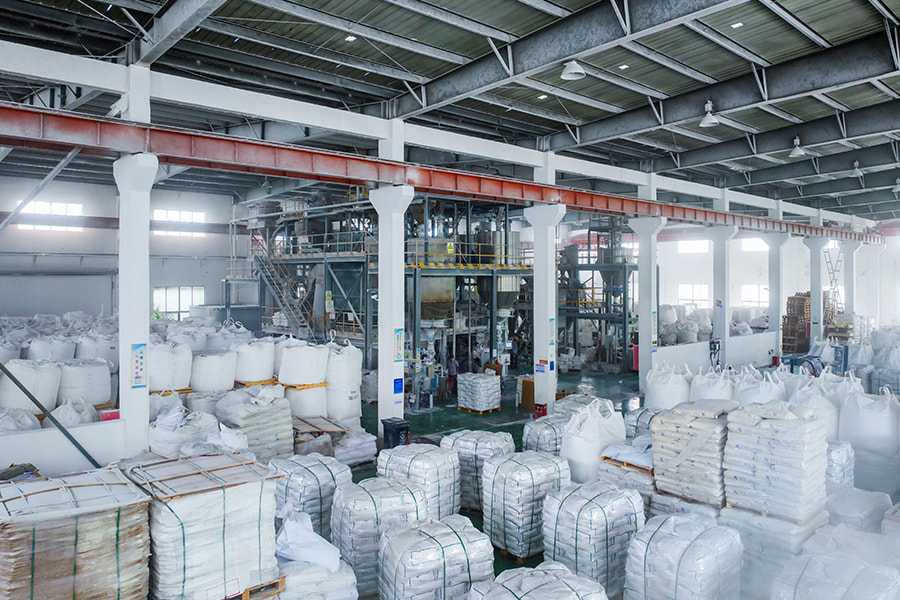
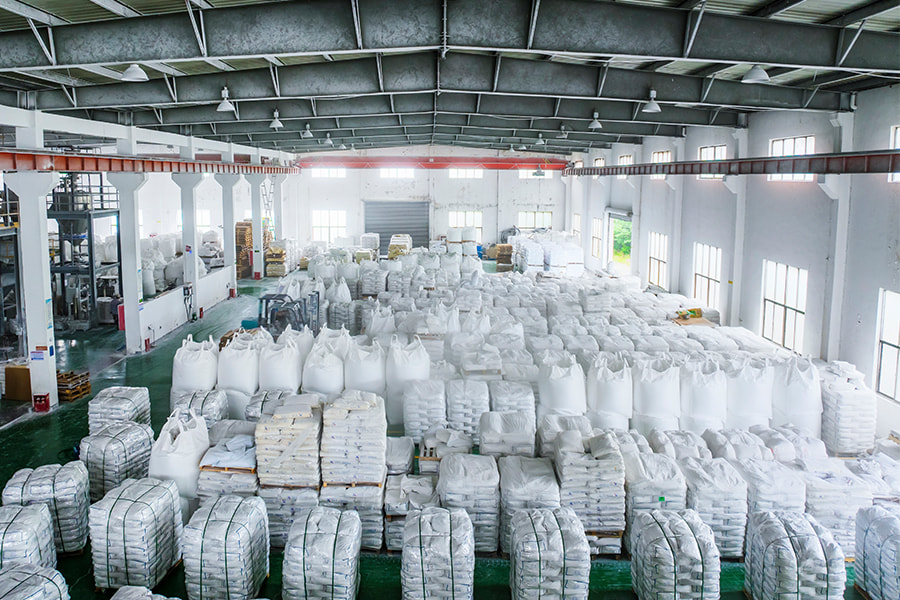
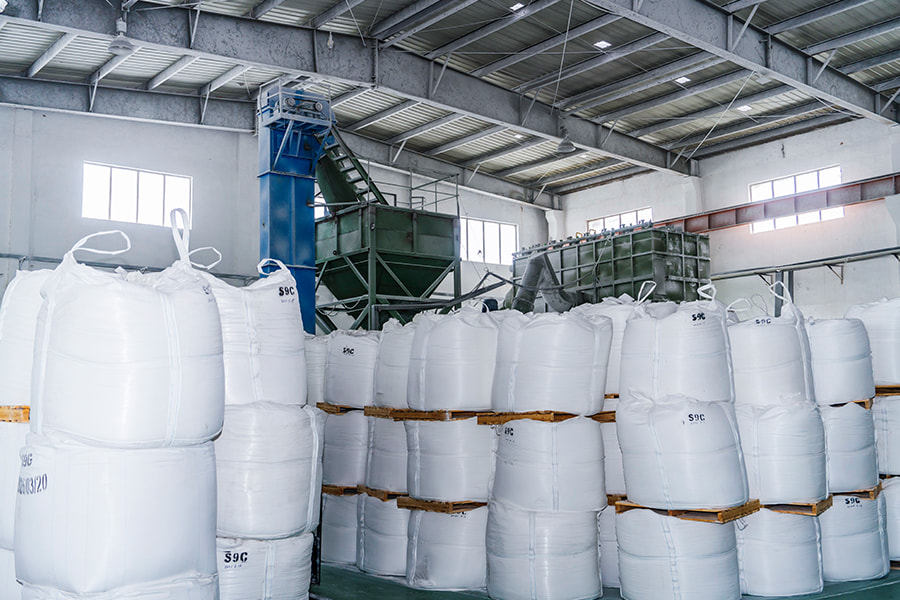
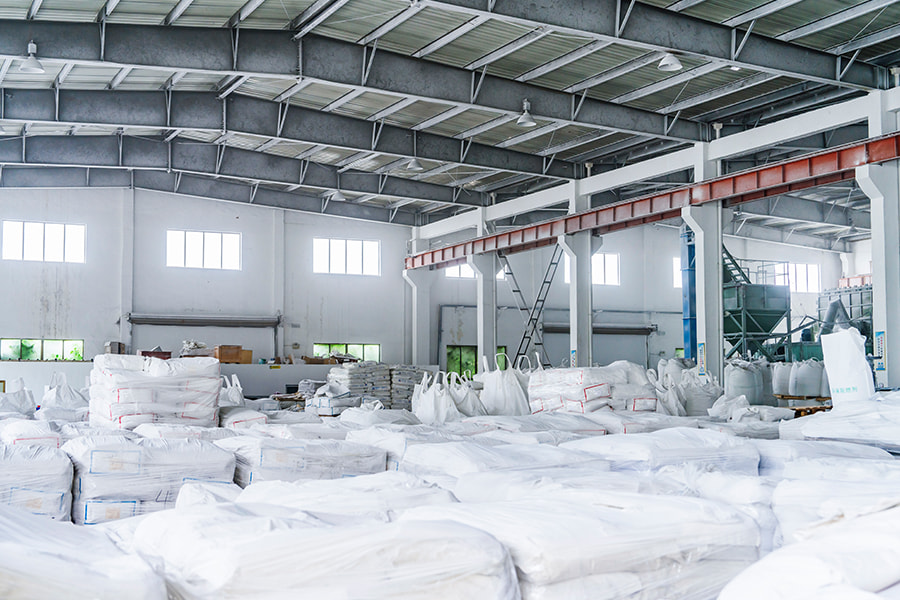
Jiangsu Zhuofeng New Materials Technology Co., Ltd. was established in 2020. It is a supplier specializing in the research, production, and marketing of high-performance and environmentally friendly flame retardants. The company's main products include environmentally friendly flame retardants, flame retardant masterbatches, char-forming agents, composite flame retardants, magnesium oxide, etc. ATO (Antimony Trioxide) Replacement Manufacturers and ATO (Antimony Trioxide) Replacement Factory. Relying on mature products and process technologies as well as standardized management, the company has established several mature high-purity, ultra-fine, and cost-effective flame retardant production lines, established a flame retardant polymer material application testing laboratory, and has carried out industry-university-research cooperation to develop and optimize flame retardant products. The founding team of Zhuofeng Technology has gathered a group of talents who have long been engaged in the research, production, marketing, and management of various functional materials. They can provide users with prompt technical support for application use. At Zhuofeng Technology, we are dedicated to meeting our customers' needs by delivering stable, high-performance, and environmentally friendly flame-retardant product lines. Custom ATO (Antimony Trioxide) Replacement. Company strength data: Industry Experience: 6 years; Plant Scale: 18,000 square meters; Production Capacity:20000 tons.
-
2020Year
Establishment
-
18000m²
Plant Area
-
20000ton
Production Capacity
 Read More

Factory Show
Message Feedback
Industry Insights and Updates
-
2026-09-03Industry News
-
2026-08-28Industry News
-
2026-08-19Industry News
Industry Knowledge
Industry Knowledge
Why Antimony Trioxide Synergy Is Difficult to Fully Replicate
Antimony trioxide (ATO) has remained a benchmark synergist for halogenated flame retardant systems for decades because of a specific gas-phase mechanism: it reacts with halogen decomposition products to form antimony oxyhalides and antimony trihalides, volatile species that interrupt the free-radical chain reactions driving flame propagation. At Jiangsu Zhuofeng New Materials Technology Co., Ltd., we're upfront with customers that no single alternative material replicates this exact gas-phase mechanism on its own, which is why effective ATO replacement strategies typically rely on combining several complementary mechanisms rather than swapping in one direct substitute.
Regulatory and market pressure to move away from ATO has intensified as antimony trioxide faces increasing classification scrutiny in several regions due to health and environmental concerns associated with antimony compounds, alongside customer-driven preference for fully halogen-free systems in many end markets. This has pushed formulation research toward combined approaches that address both the gas-phase and condensed-phase mechanisms ATO previously covered largely on its own.
Zinc and Tin-Based Synergists as Partial Replacements
Zinc borate, zinc stannate, and zinc hydroxystannate are among the more established ATO alternatives, each offering a different balance of flame suppression, smoke reduction, and char reinforcement. Zinc borate performs particularly well at lower processing temperatures and contributes meaningfully to smoke suppression, but its dehydration temperature limits its usefulness in resins requiring higher processing temperatures. Zinc stannate and zinc hydroxystannate tend to offer better thermal stability and can provide gas-phase flame suppression somewhat closer to ATO's mechanism, though typically at a higher cost per unit of performance.
- Zinc borate: strong smoke suppression, cost-effective, limited to lower processing temperature resins
- Zinc stannate: closer gas-phase mechanism to ATO, better thermal stability, higher cost
- Zinc hydroxystannate: often used in PVC systems specifically for its dual flame and smoke suppression profile
Combining Condensed-Phase Strategies to Close the Performance Gap
Because no single synergist fully replaces ATO's gas-phase efficiency, many effective replacement strategies lean more heavily on condensed-phase mechanisms instead, using char-forming agents and mineral fillers to build a protective barrier that reduces reliance on the gas-phase interruption ATO historically provided. This shift in mechanism means replacement formulations often require higher total flame retardant loading than the original ATO-based system, which formulators need to plan for in terms of mechanical property impact rather than expecting a direct, loading-neutral substitution.
| Replacement Approach | Primary Mechanism | Typical Trade-off |
|---|---|---|
| Zinc-based synergist only | Partial gas-phase | May underperform ATO in flame propagation delay |
| Char-forming agent + mineral filler | Condensed-phase barrier | Higher loading required, mechanical property impact |
| Zinc synergist + char-forming agent combined | Dual gas and condensed-phase | Best overall performance match, more complex formulation |
Formulators pursuing this combined approach should expect a longer development timeline than a straight substitution, since balancing multiple mechanisms to match an established ATO-based benchmark typically requires several rounds of iterative testing rather than a single formulation adjustment.
Evaluating an ATO Replacement Supplier's Technical Support Capability
Because ATO replacement rarely comes down to a simple material swap, the technical support a supplier offers matters as much as the raw material itself. A supplier capable of running comparative cone calorimeter and UL94 testing between the original ATO-based formulation and a proposed replacement system, using your actual resin and processing conditions, gives far more reliable guidance than generic literature claiming equivalent performance. This kind of direct comparison also helps identify whether a partial ATO reduction, rather than complete elimination, might be the more practical near-term path for formulations under strict processing or cost constraints.
Jiangsu Zhuofeng New Materials Technology Co., Ltd. supports exactly this kind of comparative formulation work through its application testing laboratory and industry-university-research collaborations, helping customers navigate the transition away from ATO-dependent systems without guessing at performance outcomes. When evaluating ATO (Antimony Trioxide) Replacement Manufacturers, it's worth confirming upfront whether the supplier can run this kind of head-to-head testing rather than only supplying raw material with generic recommendations. For buyers assessing a Factory for a longer-term reformulation project, prioritizing one with demonstrated experience across multiple resin systems tends to shorten the overall qualification timeline considerably.
Let'S Work Together Welcome Aboard!
-
Oversea Sales: mayuqin@zhuofengfr.com
Company email: rikkima@zhuofengfr.com
-
WhatsApp: +86 18105180388
-
Address: No. 5, Wutai Road, Dongba Street, Gaochun District, Nanjing City, Jiangsu Province, China
Join Our Mailing List
Product Categories
Quick Links
Quick Links
Copyright © Jiangsu Zhuofeng New Materials Technology Co., Ltd.
All Rights Reserved.
 ATO (Antimony Trioxide) Replacement Factory
ATO (Antimony Trioxide) Replacement Factory