
 English
 Tiếng Việt

product
product
product
product
product
product
product
product
product
product
product
product
product
product
product
product

Product Category
Contact us
Composite Flame Retardant Manufacturers
-
Economical Eco-Friendly Composite Flame Retardant for PVC Film ZF-V20
-
Non-Toxic Eco-Friendly Antimony-Synergist Composite Flame Retardant ZF-V70
-
Non-Toxic Eco-Friendly High-Efficiency Antimony-Synergist Flame Retardant ZF-V80
-
High-Efficiency Antimony-Synergist Composite Flame Retardant for Conveyor Belts ZF-V90
-
Halogen-Free P-N Water-Boiling-Resistant Flame Retardant for Ink ZF-YM-10
-
Halogen-Free P-N High-Whiteness Flame Retardant for Ink ZF-YM-20
-
Halogen-Free Intumescent Flame Retardant for Fireproof Coatings ZF-JS-10
-
Halogen-Free P-N Multi-Substrate Flame Retardant for PSA ZF-JS-20
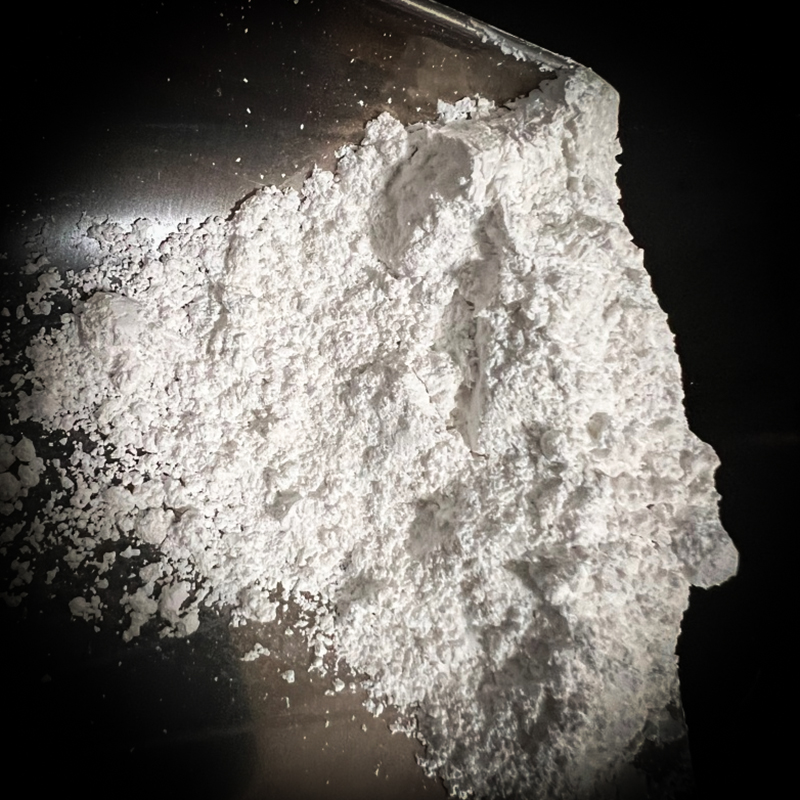
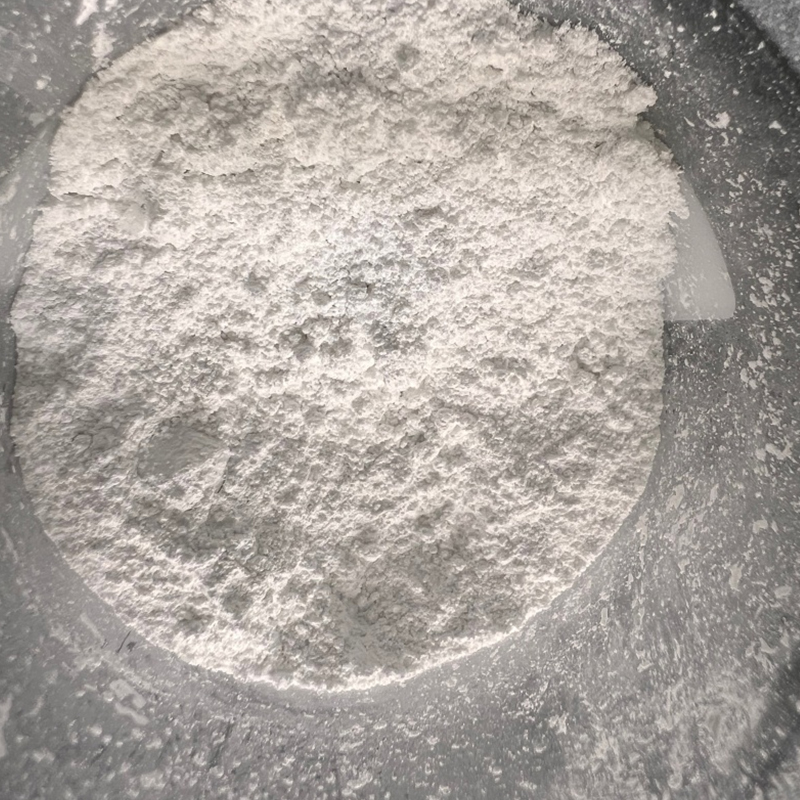
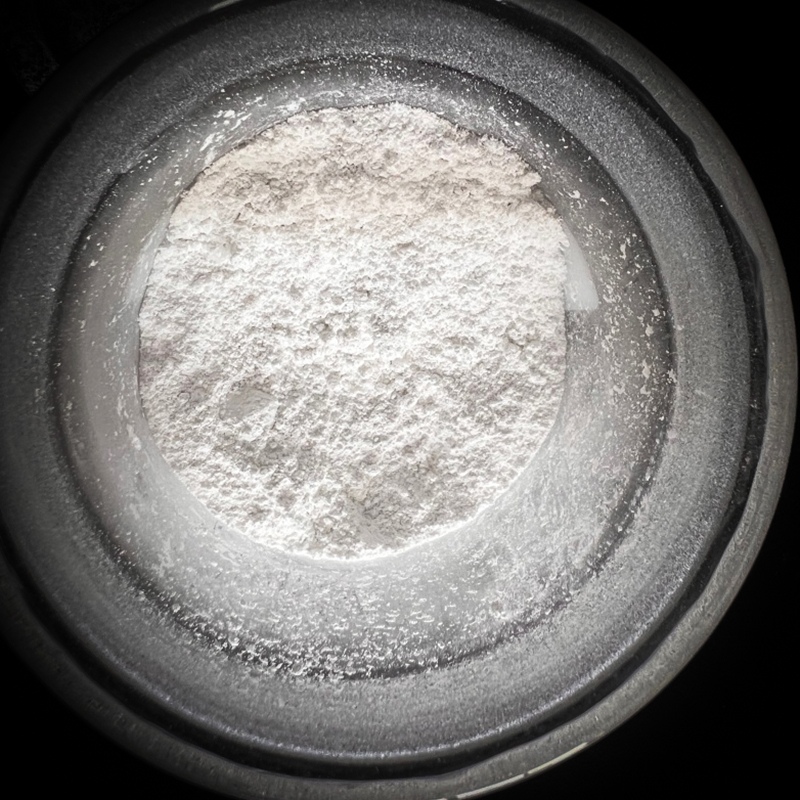
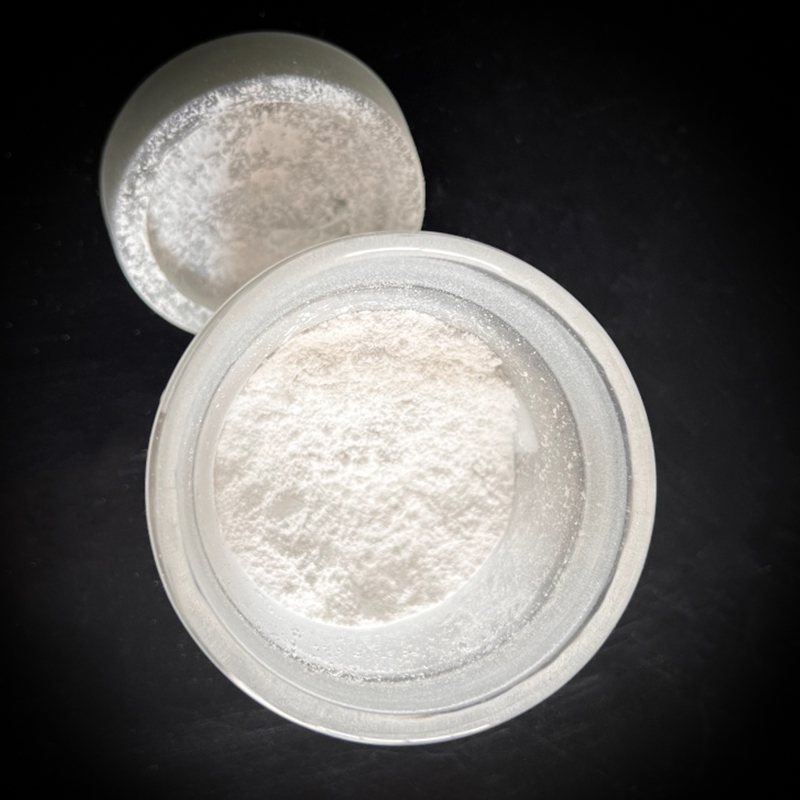
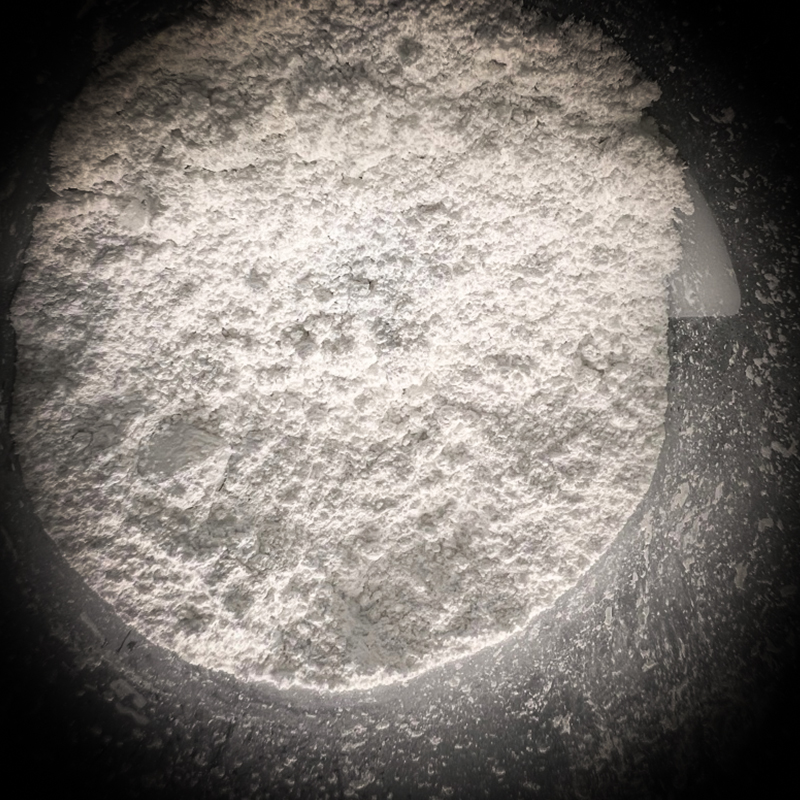
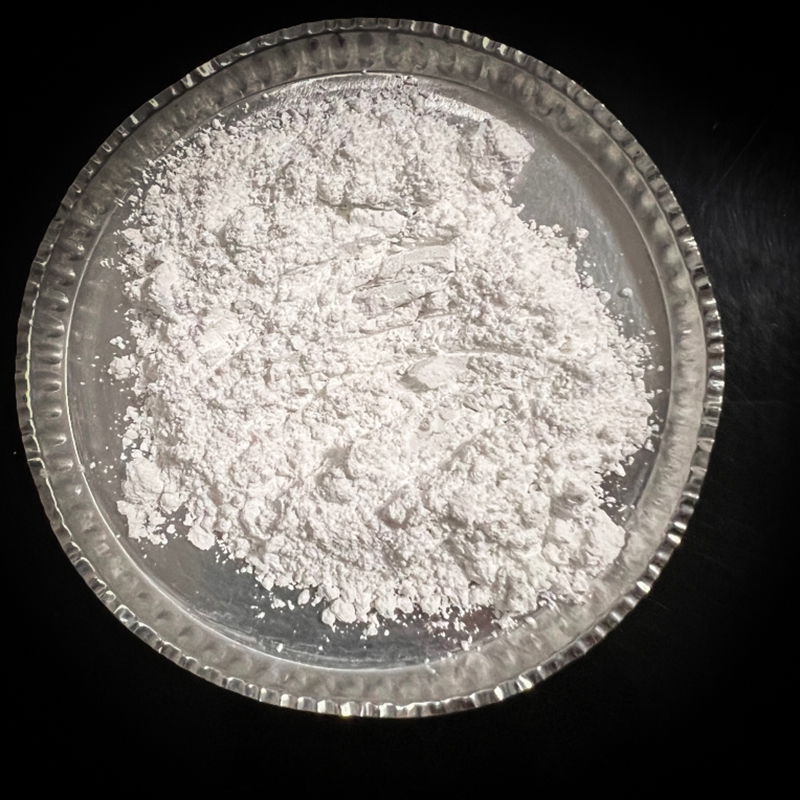
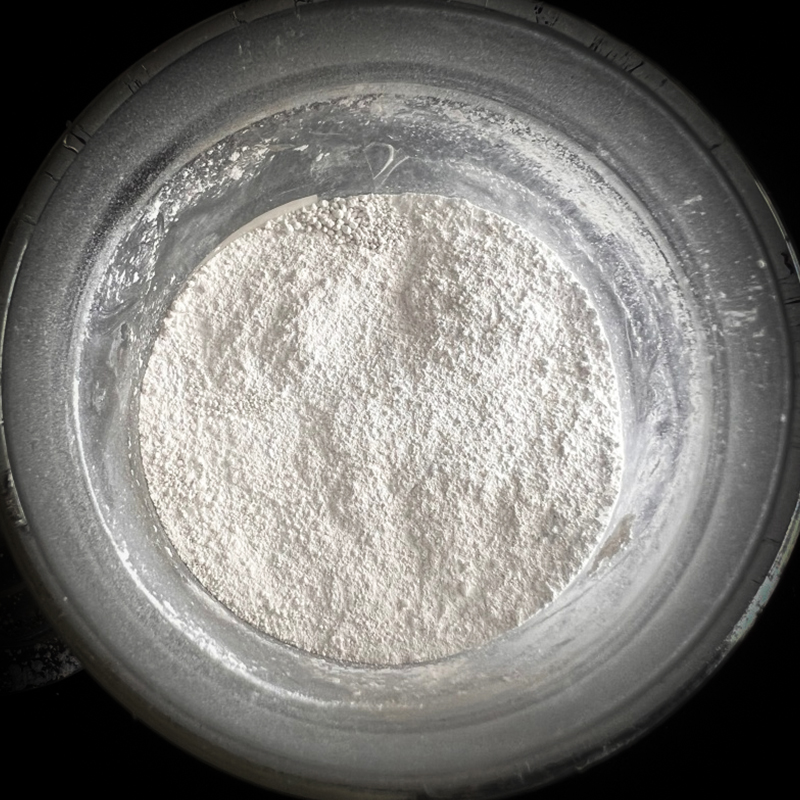
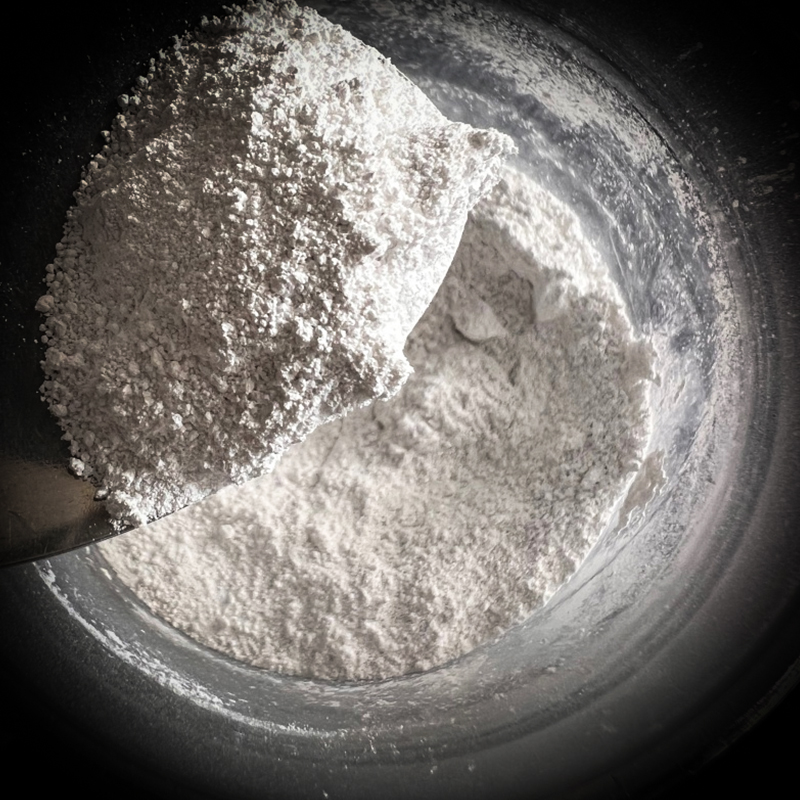
Jiangsu Zhuofeng New Materials Technology Co., Ltd.
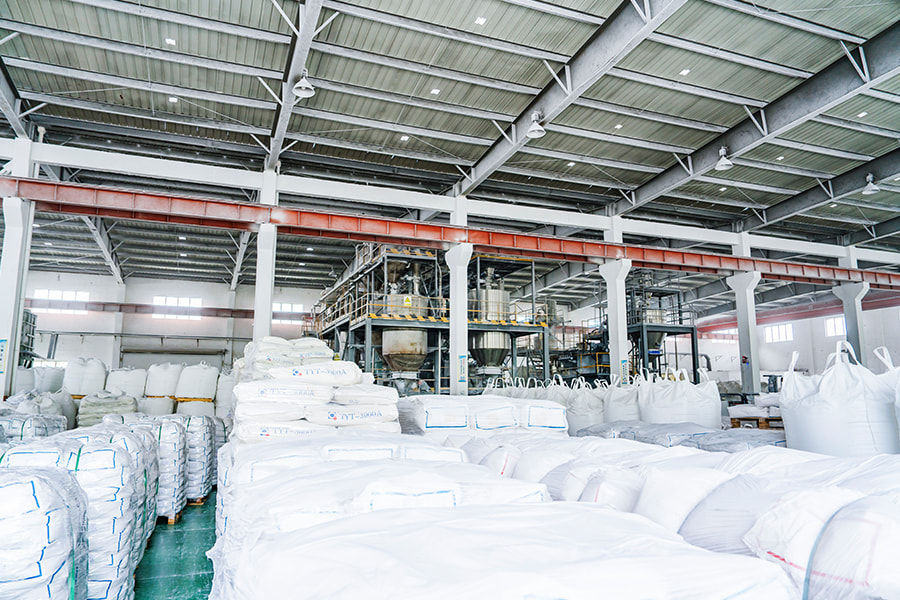
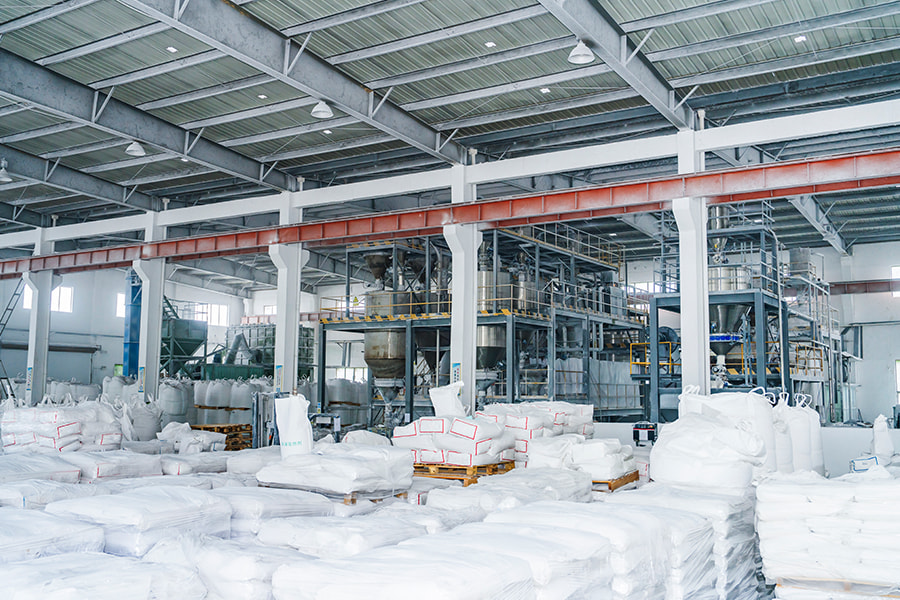
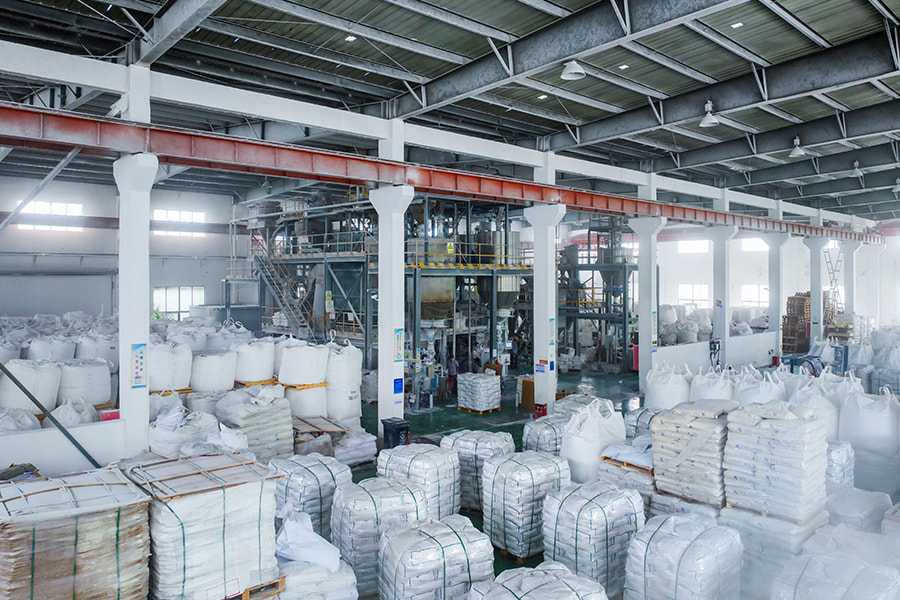
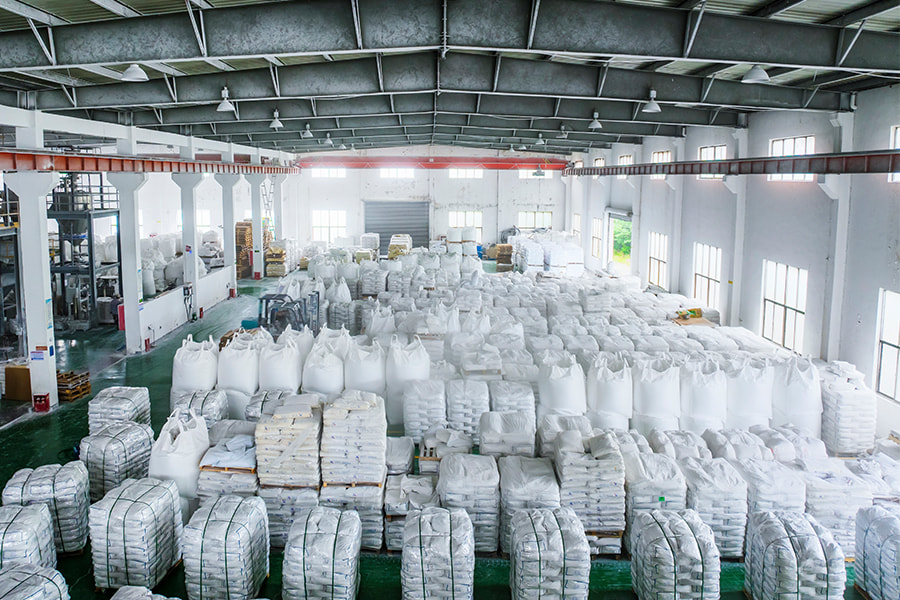
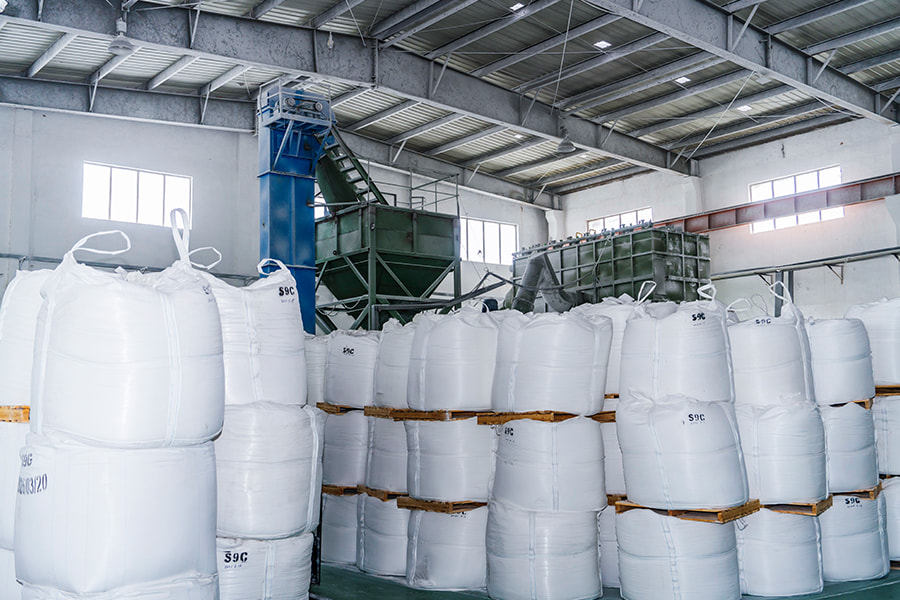
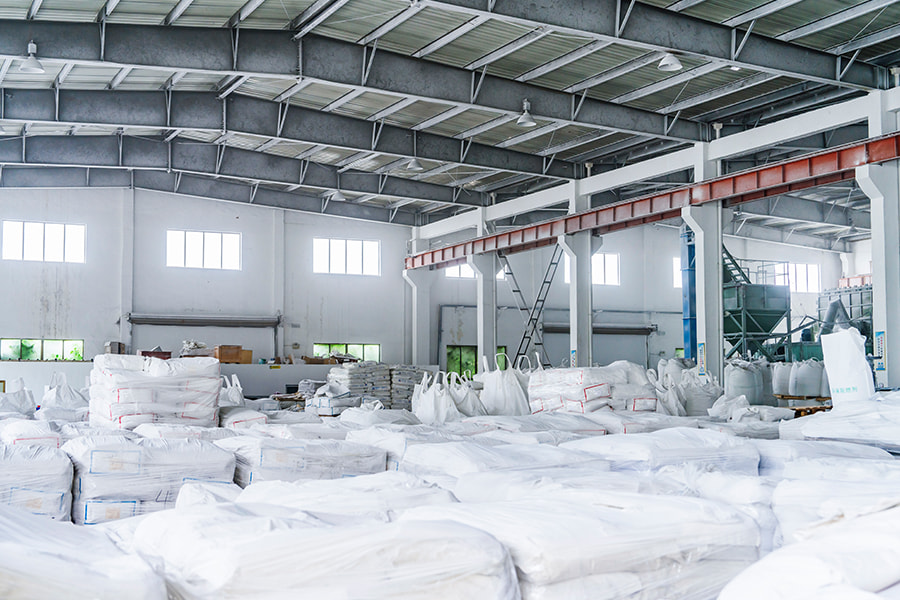
Jiangsu Zhuofeng New Materials Technology Co., Ltd. was established in 2020. It is a supplier specializing in the research, production, and marketing of high-performance and environmentally friendly flame retardants. The company's main products include environmentally friendly flame retardants, flame retardant masterbatches, char-forming agents, composite flame retardants, magnesium oxide, etc. Composite Flame Retardant Manufacturers and Composite Flame Retardant Suppliers. Relying on mature products and process technologies as well as standardized management, the company has established several mature high-purity, ultra-fine, and cost-effective flame retardant production lines, established a flame retardant polymer material application testing laboratory, and has carried out industry-university-research cooperation to develop and optimize flame retardant products. The founding team of Zhuofeng Technology has gathered a group of talents who have long been engaged in the research, production, marketing, and management of various functional materials. They can provide users with prompt technical support for application use. At Zhuofeng Technology, we are dedicated to meeting our customers' needs by delivering stable, high-performance, and environmentally friendly flame-retardant product lines. Custom Composite Flame Retardant. Company strength data: Industry Experience: 6 years; Plant Scale: 18,000 square meters; Production Capacity:20000 tons.
-
2020Year
Establishment
-
18000m²
Plant Area
-
20000ton
Production Capacity
 Read More
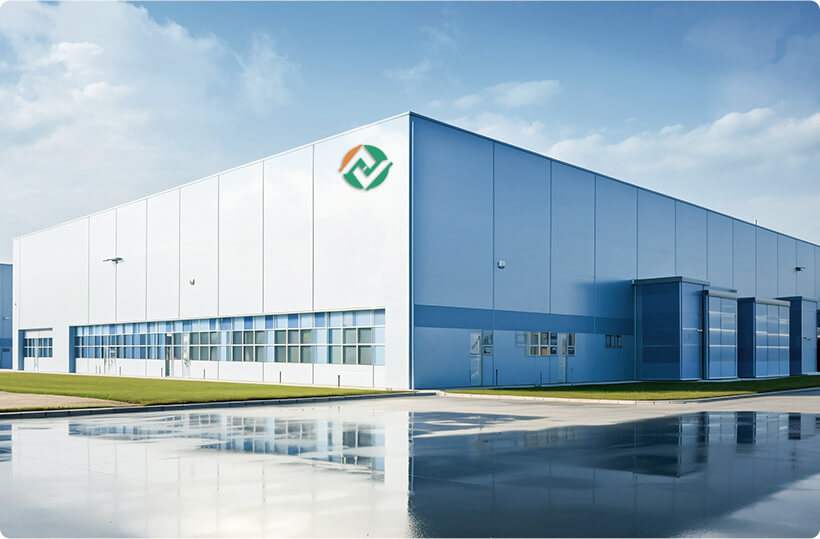
Factory Show
Message Feedback
Industry Insights and Updates
-
2026-09-03Industry News
-
2026-08-28Industry News
-
2026-08-19Industry News
Industry Knowledge
Industry Knowledge
Why Composite Flame Retardants Aren't Simply "Pre-Mixed Convenience"
It's tempting to think of a composite flame retardant as nothing more than several single-substance materials blended together for convenience, but at Jiangsu Zhuofeng New Materials Technology Co., Ltd. we treat composite formulation as its own discipline, because the interaction between components often produces performance that none of the individual raw materials could achieve alone. When a mineral filler, a synergist, and a char-forming agent are combined at the right ratio and particle size compatibility, the resulting system can hit a target UL94 or LOI rating at a lower total loading than any single component would require on its own, since each material addresses a different stage of the combustion process simultaneously rather than sequentially.
This synergy is also why simply averaging two suppliers' individual product data sheets doesn't reliably predict composite performance. Particle size mismatch between components, for instance, can cause the finer material to settle preferentially into gaps between the coarser material's particles during storage, leading to segregation that shows up as inconsistent flame performance from the top versus the bottom of the same bag. Composite systems need to be engineered with particle size and density compatibility as design parameters from the outset, not solved after the fact.
Common Composite Architectures and What Each Solves
| Composite Type | Typical Components | Main Problem Solved |
|---|---|---|
| Mineral-synergist blend | Magnesium hydroxide + montmorillonite or sepiolite | Lower total loading while preserving mechanical properties |
| Intumescent package | Acid source + charring agent + blowing agent | Halogen-free char barrier formation |
| Smoke-suppressed system | ATH + char-forming agent | Meeting both flame and smoke density specifications |
Understanding which architecture matches your specific regulatory and application requirements upfront saves significant reformulation time compared to starting with a generic composite and adjusting components reactively after initial testing falls short.
Storage Stability: The Overlooked Failure Point in Composite Systems
A composite flame retardant that performs perfectly in initial testing can still fail in production if its components segregate during storage or transport, a risk that increases with density differences between components and with longer storage periods before use. Vibration during shipping is a particularly common trigger, since even small density mismatches can cause measurable stratification within a bag or bulk container over the course of a long truck or ship transit, meaning material drawn from the top of a container may perform differently than material from the bottom despite coming from the same production batch.
- Request segregation test data specifically, not just standard particle size and purity specifications
- Ask whether the composite is produced through true co-processing or simple dry blending, since co-processed materials generally resist segregation far better
- For high-value or long-transit orders, consider requesting agitation or vibration testing simulating actual shipping conditions before finalizing a large order
Our production lines are set up specifically to co-process composite systems rather than relying on dry blending after the fact, which keeps particle-level distribution consistent even under the mechanical stress of long-distance shipping.
What to Ask When Evaluating a Composite Flame Retardant Supplier
Beyond flame performance data, buyers evaluating Composite Flame Retardant Manufacturers should ask directly whether the supplier can adjust component ratios for a specific resin system rather than offering only fixed catalog blends, since a composite optimized for polypropylene rarely performs optimally without adjustment when transferred directly into EVA or polyethylene. A manufacturer with genuine formulation flexibility, backed by in-house testing capability, can save significant development time compared to one that only sells pre-fixed products and leaves all adaptation work to the buyer's own R&D team.
With roughly 20,000 tons of annual production capacity and 18,000 square meters of manufacturing space, Jiangsu Zhuofeng New Materials Technology Co., Ltd. supports both custom composite development and consistent large-volume supply once a formulation is finalized. When comparing Suppliers for a composite flame retardant program, it's worth asking specifically how segregation resistance is validated and whether co-processing versus blending is used in production, since these production-level details often matter more to real-world performance consistency than the raw ingredient specifications listed on a standard data sheet.
Let'S Work Together Welcome Aboard!
-
Oversea Sales: mayuqin@zhuofengfr.com
Company email: rikkima@zhuofengfr.com
-
WhatsApp: +86 18105180388
-
Address: No. 5, Wutai Road, Dongba Street, Gaochun District, Nanjing City, Jiangsu Province, China
Join Our Mailing List
Product Categories
Quick Links
Quick Links
Copyright © Jiangsu Zhuofeng New Materials Technology Co., Ltd.
All Rights Reserved.
 Composite Flame Retardant Suppliers
Composite Flame Retardant Suppliers