
 English
 Tiếng Việt

product
product
product
product
product
product
product
product
product
product
product
product
product
product
product
product

Overmolding PP
Product Category
Contact us
Overmolding PP Manufacturers
information to be updated
Jiangsu Zhuofeng New Materials Technology Co., Ltd.
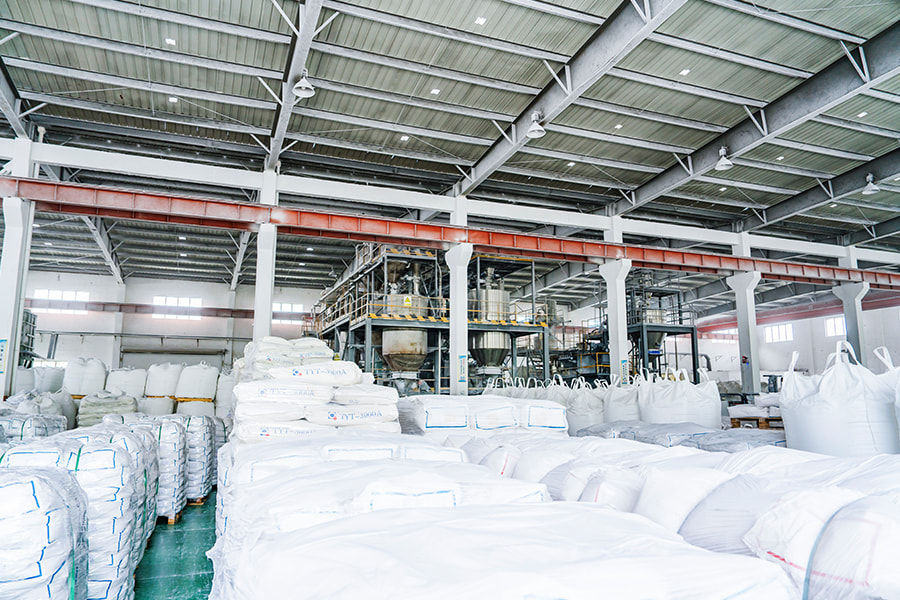
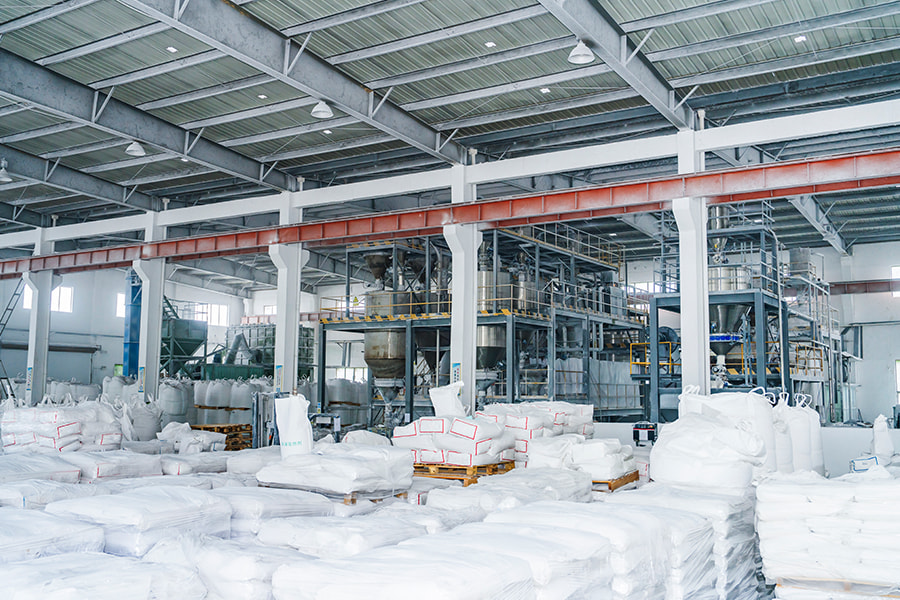
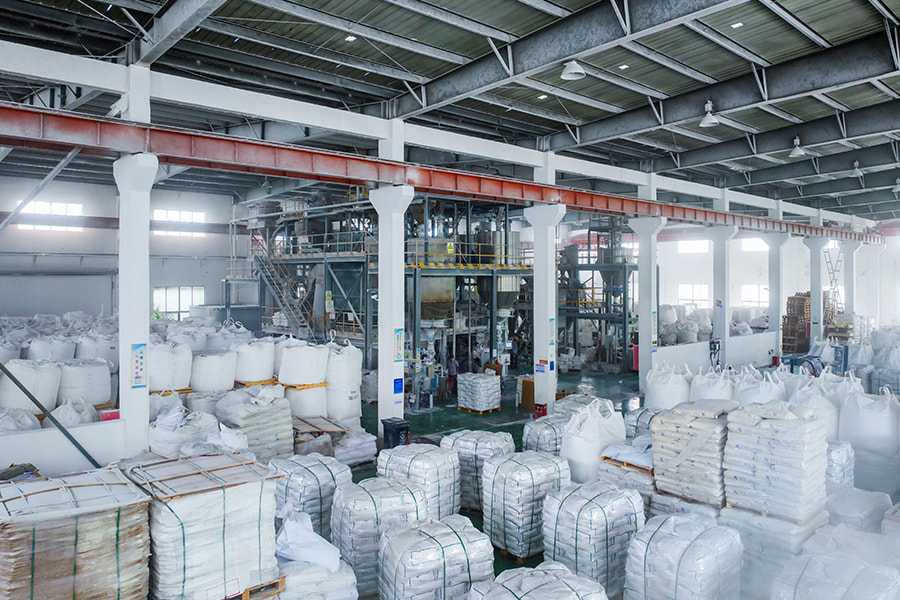
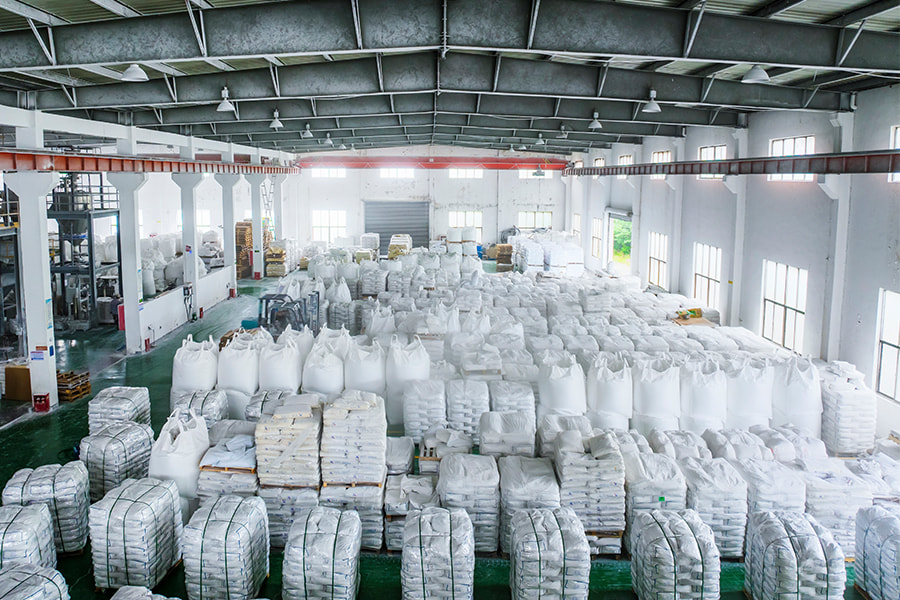
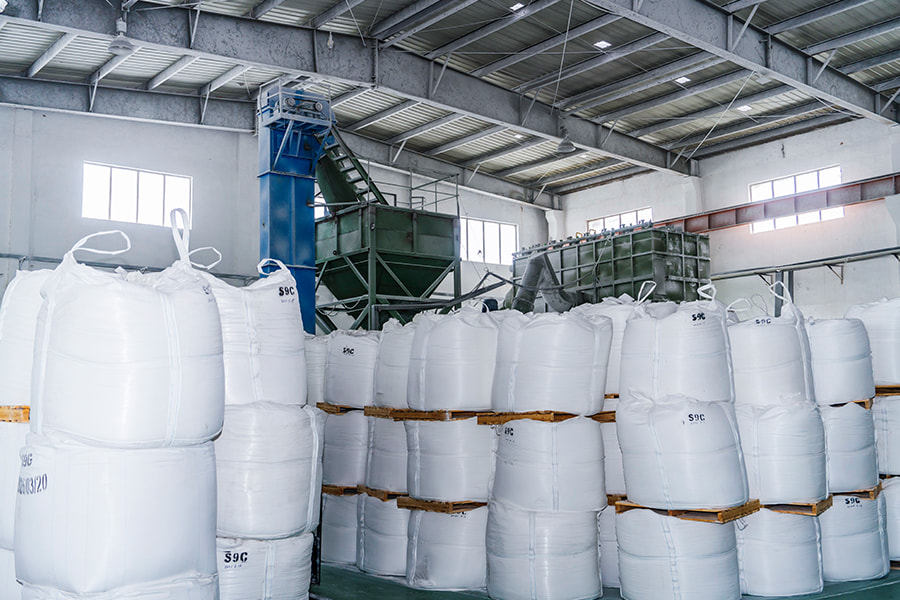
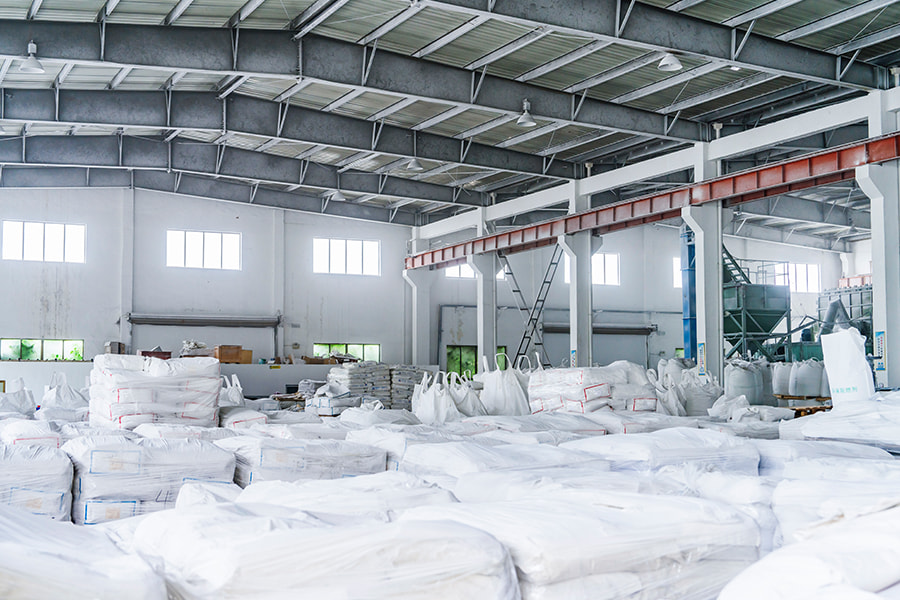
Jiangsu Zhuofeng New Materials Technology Co., Ltd. was established in 2020. It is a supplier specializing in the research, production, and marketing of high-performance and environmentally friendly flame retardants. The company's main products include environmentally friendly flame retardants, flame retardant masterbatches, char-forming agents, composite flame retardants, magnesium oxide, etc. Overmolding PP Manufacturers and Overmolding PP Factory. Relying on mature products and process technologies as well as standardized management, the company has established several mature high-purity, ultra-fine, and cost-effective flame retardant production lines, established a flame retardant polymer material application testing laboratory, and has carried out industry-university-research cooperation to develop and optimize flame retardant products. The founding team of Zhuofeng Technology has gathered a group of talents who have long been engaged in the research, production, marketing, and management of various functional materials. They can provide users with prompt technical support for application use. At Zhuofeng Technology, we are dedicated to meeting our customers' needs by delivering stable, high-performance, and environmentally friendly flame-retardant product lines. Custom Overmolding PP. Company strength data: Industry Experience: 6 years; Plant Scale: 18,000 square meters; Production Capacity:20000 tons.
-
2020Year
Establishment
-
18000m²
Plant Area
-
20000ton
Production Capacity
 Read More

Factory Show
Message Feedback
Industry Insights and Updates
-
2026-09-03Industry News
-
2026-08-28Industry News
-
2026-08-19Industry News
Industry Knowledge
Industry Knowledge
Interfacial Adhesion Challenges When Flame Retardant PP Is Used as an Overmolding Substrate
Overmolding processes depend on strong interfacial bonding between the rigid substrate and the soft overmold material, typically a TPE or TPU, and introducing flame retardant fillers into the polypropylene substrate can complicate this bond in ways that are easy to miss during initial mold trials. Mineral flame retardants such as magnesium hydroxide tend to concentrate near the substrate surface during cooling in a way that can reduce the resin-rich zone available for chemical or mechanical bonding with the overmold layer, sometimes producing bond strength that looks acceptable in a pull test but fails prematurely under thermal cycling or mechanical stress in the field.
Factors that influence bond strength retention
- Surface treatment on the flame retardant filler, since untreated or poorly treated particles bloom to the surface more readily and interfere with bonding
- Substrate mold temperature during the first-shot molding step, which affects surface crystallinity and available bonding sites
- Total filler loading in the PP substrate, with higher loading generally correlating to reduced peel strength if not compensated by formulation adjustments
- Time delay between first-shot molding and second-shot overmolding, since surface oxidation on the substrate can further reduce bonding over extended intervals
Peel and shear testing after thermal cycling, not just initial bond strength at ambient temperature, gives a more reliable picture of long-term overmold durability when flame retardant additives are present in the substrate.
Selecting Flame Retardant Systems That Preserve PP Melt Flow for Thin-Wall Overmolding
Overmolded parts frequently include thin-wall sections or complex geometries with long flow lengths, which places a premium on maintaining adequate melt flow index in the flame retardant PP substrate. High mineral filler loading tends to increase melt viscosity, sometimes to a degree that causes short shots or requires elevated injection pressure that risks flash or increased internal stress in the molded part. Formulators addressing this constraint often need to balance flame retardant loading against melt flow requirements more carefully in overmolding applications than in simpler single-shot molded parts.
Approaches for maintaining flowability in flame retardant PP
| Approach | Effect on Melt Flow | Tradeoff |
| Using a higher base MFI PP resin | Improves flow | May reduce impact strength |
| Switching to intumescent FR at lower loading | Improves flow | Higher raw material cost |
| Adding internal lubricant package | Moderate improvement | May slightly affect surface bonding |
Mold flow simulation using the actual filled compound's rheological data, rather than the unfilled base resin's published values, gives a much more accurate prediction of fill behavior in thin-wall overmolded geometries.
Thermal Cycling Between First-Shot and Second-Shot Molding Stages
In two-shot overmolding, the flame retardant PP substrate is exposed to a second heat cycle when the overmold material is injected around or onto it, and this repeated thermal exposure can matter more for filled compounds than unfilled ones since some flame retardant systems, particularly intumescent types with a defined decomposition onset, have a narrower thermal margin before performance degradation begins. A substrate that comfortably tolerates first-shot molding temperature may see cumulative thermal stress that shifts its properties slightly by the time the second shot is complete, especially in high-cycle production where cooling time between shots is minimized to maximize throughput.
Considerations for managing cumulative thermal exposure
- Confirming the flame retardant system's decomposition onset temperature has adequate margin above the combined first-shot and second-shot processing range
- Monitoring substrate surface temperature immediately before second-shot injection, particularly in high-speed production cells with short cycle times
- Testing flame retardant performance after simulated double-heat exposure rather than relying only on single-shot validation data
- Adjusting overmold gate location and flow path to minimize localized substrate overheating near thin sections
This double-exposure consideration is one of the more overlooked variables in overmolding qualification and is worth raising directly with the flame retardant supplier during formulation selection rather than discovering it during a failed field return investigation.
Color and Surface Appearance Consistency in Flame Retardant PP for Visible Overmolded Parts
Overmolded consumer and industrial products, such as power tool housings or handheld device grips, frequently expose the rigid PP substrate at the parting line or in unmolded sections, making color and surface consistency a customer-facing quality concern rather than a purely internal specification. Flame retardant fillers, particularly at high loading, can introduce subtle color shifts or surface texture changes, such as increased matte appearance or micro-porosity, that become more noticeable once the substrate sits adjacent to a glossy or brightly colored overmold layer.
Surface quality factors worth verifying before production approval
- Gloss level consistency across multiple production batches under the same molding parameters
- Color delta E measurement against an approved standard, particularly for parts with tight color matching requirements
- Visible flow marks or filler-induced streaking near gate locations, which can be more pronounced in highly filled compounds
- Surface roughness measurement if the substrate will be visible in a high-touch consumer application
Requesting molded plaques or actual sample parts from the target tool, rather than relying solely on a flat test chip, gives a more accurate read on how a specific flame retardant PP grade will actually appear once run through the customer's production tooling.
Dimensional Stability and Warpage Risk in Filled PP Overmolding Substrates
Filled polypropylene compounds generally shrink less and more anisotropically than unfilled PP, since mineral filler particles constrain polymer chain orientation differently along and across the flow direction. In overmolding applications, this behavior becomes more consequential because the substrate must maintain tight dimensional tolerance to properly seat within the overmold tool cavity; excessive warpage or shrinkage variation in the substrate can cause flash, incomplete overmold coverage, or misalignment between the two molded components.
Practices that help control dimensional variation
- Requesting flow and cross-flow shrinkage data specific to the flame retardant grade and loading level being used, not generic PP shrinkage values
- Running warpage simulation with actual anisotropic shrinkage inputs from the filled compound rather than isotropic default assumptions
- Controlling mold cooling uniformity across the substrate tool to minimize differential shrinkage between thick and thin sections
- Allowing adequate conditioning time before dimensional inspection, since filled PP parts can continue to relax dimensionally for a period after demolding
Working with a flame retardant supplier able to provide batch-consistent filler dispersion is particularly important here, since inconsistent filler distribution between production lots is a common hidden cause of warpage variation that otherwise gets misattributed to mold design or processing parameters.
Coordinating Flame Rating Requirements Across Substrate and Overmold Materials
In many overmolded assemblies, only the rigid PP substrate carries the flame retardant load, while the soft overmold layer is a thin, non-load-bearing cosmetic or grip layer that may not independently meet the same flammability standard. This creates a system-level question that is often overlooked during component-level qualification: whether the finished assembly, tested as a whole, meets the target flame rating even though the individual materials were qualified separately. Regulatory bodies and end customers increasingly expect assembly-level testing rather than accepting individual component certificates as sufficient proof of compliance.
Practical steps for assembly-level flame compliance
- Testing the finished two-shot part as an assembly rather than relying solely on individual material datasheets
- Confirming whether the overmold material's presence changes burn behavior at the interface, since dissimilar materials can sometimes create unexpected flame propagation paths along the bond line
- Documenting which component carries the primary flame rating responsibility in the design file, to avoid ambiguity during later design changes or material substitutions
- Re-testing the assembly whenever either the substrate or overmold formulation changes, even if each individual material retains its own certification
Suppliers with an in-house application testing laboratory can often support this kind of assembly-level verification directly, which shortens the qualification timeline compared to sending finished parts out to a third-party lab for every formulation iteration.
Let'S Work Together Welcome Aboard!
-
Oversea Sales: mayuqin@zhuofengfr.com
Company email: rikkima@zhuofengfr.com
-
WhatsApp: +86 18105180388
-
Address: No. 5, Wutai Road, Dongba Street, Gaochun District, Nanjing City, Jiangsu Province, China
Join Our Mailing List
Product Categories
Quick Links
Quick Links
Copyright © Jiangsu Zhuofeng New Materials Technology Co., Ltd.
All Rights Reserved.
 Overmolding PP Factory
Overmolding PP Factory