
 English
 Tiếng Việt

product
product
product
product
product
product
product
product
product
product
product
product
product
product
product
product

Transparent TPE
Product Category
Contact us
Transparent TPE Manufacturers
information to be updated
Jiangsu Zhuofeng New Materials Technology Co., Ltd.
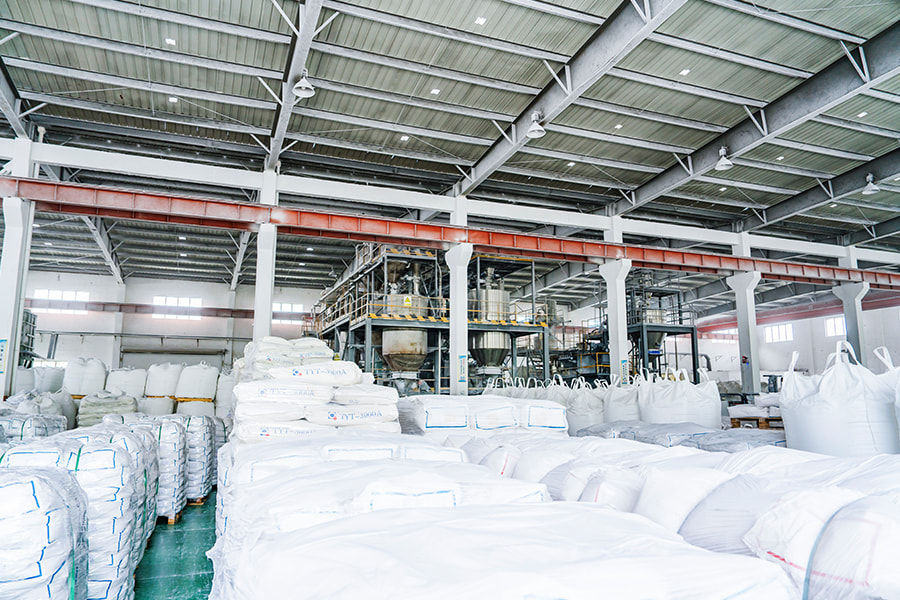
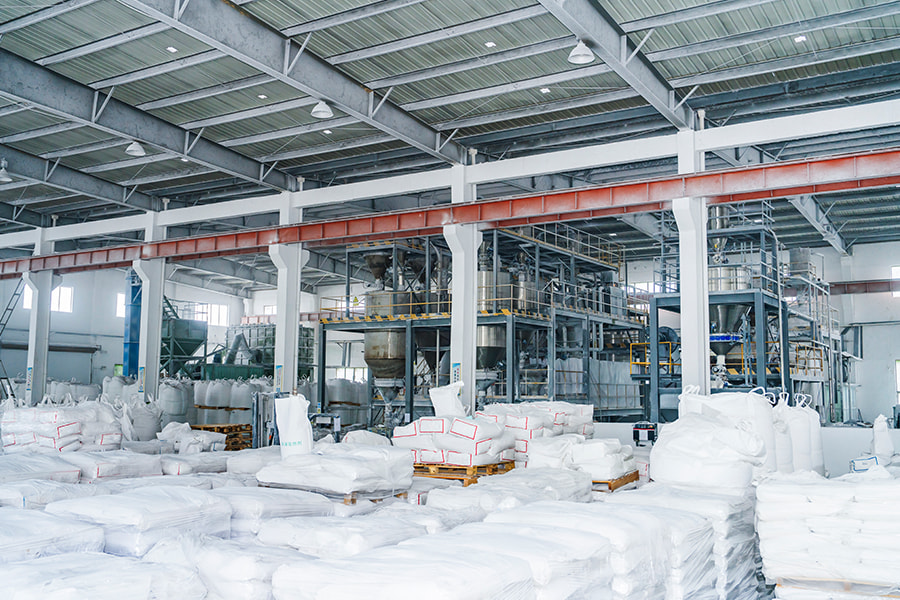
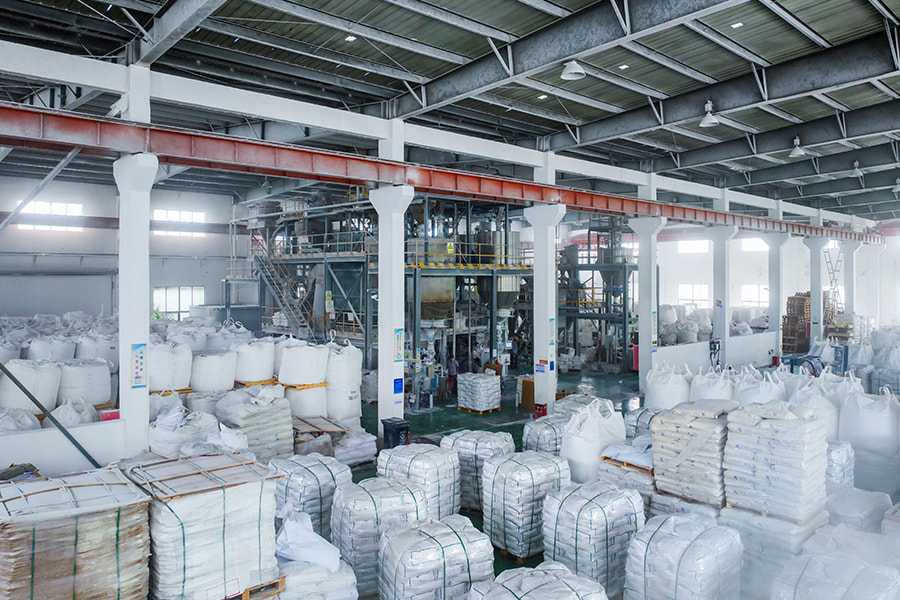
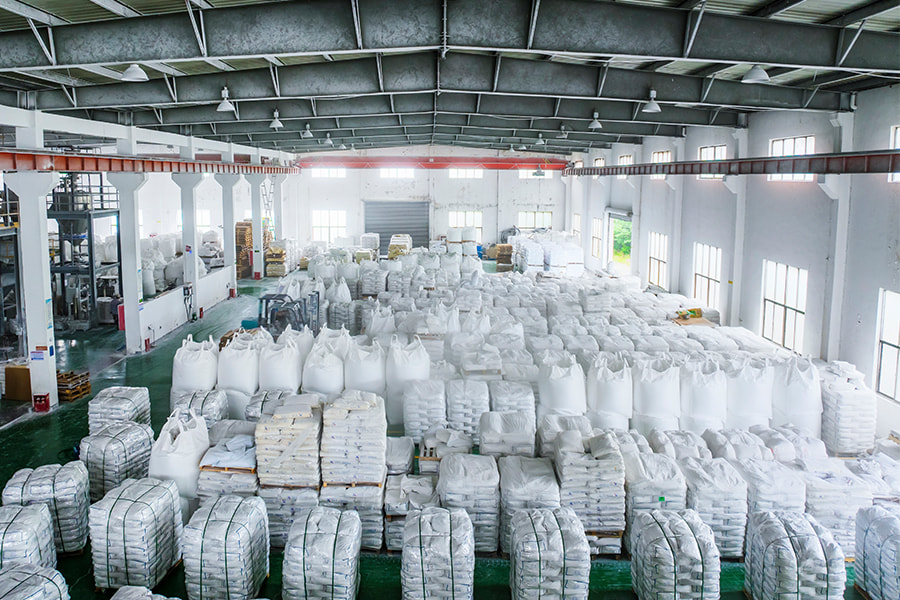
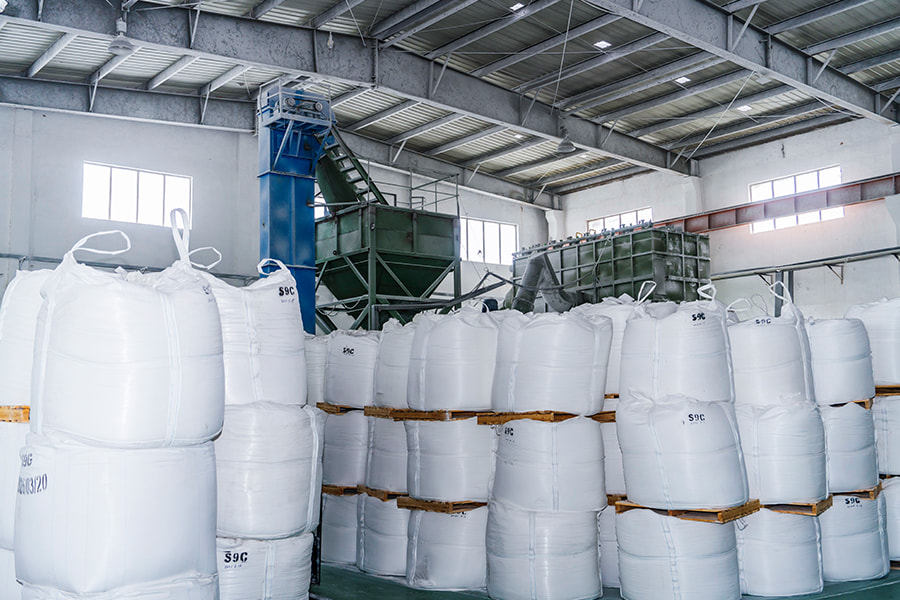
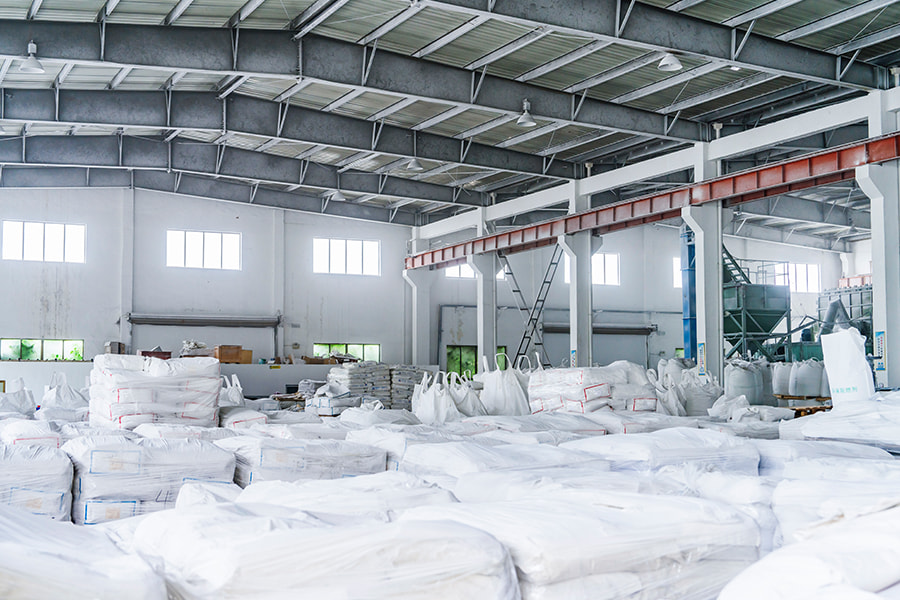
Jiangsu Zhuofeng New Materials Technology Co., Ltd. was established in 2020. It is a supplier specializing in the research, production, and marketing of high-performance and environmentally friendly flame retardants. The company's main products include environmentally friendly flame retardants, flame retardant masterbatches, char-forming agents, composite flame retardants, magnesium oxide, etc. Transparent TPE Manufacturers and Transparent TPE Factory. Relying on mature products and process technologies as well as standardized management, the company has established several mature high-purity, ultra-fine, and cost-effective flame retardant production lines, established a flame retardant polymer material application testing laboratory, and has carried out industry-university-research cooperation to develop and optimize flame retardant products. The founding team of Zhuofeng Technology has gathered a group of talents who have long been engaged in the research, production, marketing, and management of various functional materials. They can provide users with prompt technical support for application use. At Zhuofeng Technology, we are dedicated to meeting our customers' needs by delivering stable, high-performance, and environmentally friendly flame-retardant product lines. Custom Transparent TPE. Company strength data: Industry Experience: 6 years; Plant Scale: 18,000 square meters; Production Capacity:20000 tons.
-
2020Year
Establishment
-
18000m²
Plant Area
-
20000ton
Production Capacity
 Read More

Factory Show
Message Feedback
Industry Insights and Updates
-
2026-09-03Industry News
-
2026-08-28Industry News
-
2026-08-19Industry News
Industry Knowledge
Industry Knowledge
Why Most Conventional Flame Retardants Are Incompatible With Transparent TPE
Transparency in TPE depends on minimizing light scattering, which requires that any additive present either dissolve fully into the polymer matrix or exist as particles small enough, generally well below the wavelength of visible light, to avoid refractive index mismatch at the particle-polymer interface. This immediately rules out most conventional mineral flame retardants such as magnesium hydroxide or aluminum hydroxide, since even well-dispersed particles at the loading levels needed for adequate flame performance create enough refractive index mismatch to turn the compound hazy or opaque. Achieving flame retardancy in transparent TPE therefore depends almost entirely on selecting additives that are either soluble in the polymer or reactive flame retardants incorporated at the molecular level rather than as a dispersed filler phase.
Key requirements for maintaining optical clarity
- Refractive index of the flame retardant additive should closely match the base TPE resin, typically within a narrow tolerance to avoid visible haze
- Particle size, if a solid-phase additive is used at all, generally needs to stay below 100 nanometers to minimize Rayleigh scattering effects
- Complete molecular dissolution or full compatibility with the soft block phase of the TPE is preferred over any particulate dispersion approach
- Additive loading needs to stay low enough to avoid disrupting the TPE's phase-separated morphology that governs both clarity and elasticity
Haze measurement using a standard haze meter, rather than visual inspection alone, should be part of routine quality control for transparent flame retardant TPE, since subtle haze increases are often difficult to detect by eye until compared side-by-side with an unfilled control sample.
Liquid and Oligomeric Phosphorus Flame Retardants as the Primary Route to Transparency
Liquid or low-melting oligomeric phosphorus-based flame retardants, such as certain phosphate esters, are currently the most practical route to achieving flame retardancy in transparent TPE without sacrificing optical clarity, since their molecular structure allows genuine miscibility with the polymer matrix rather than requiring dispersion as a discrete particle phase. These additives function primarily through gas-phase flame inhibition and some char-promoting activity, and their liquid or low-viscosity form at processing temperature makes them easier to blend homogeneously compared to solid particulate flame retardants.
Tradeoffs to evaluate with liquid phosphorus systems
| Consideration | Effect |
| Optical clarity | Generally preserved at properly optimized loading |
| Plasticization effect | Can soften the compound, requiring hardness recalibration |
| Migration risk | Higher than solid additives, needs long-term surface testing |
| Flame rating ceiling | Often limited to lower UL94 ratings without a synergist |
The plasticization effect in particular needs active management, since a liquid flame retardant that improves flame performance but drops the compound's hardness out of the target Shore A range creates a secondary formulation problem that has to be corrected with adjustments elsewhere in the TPE recipe.
Migration and Surface Blooming Risks Specific to Transparent Flame Retardant Compounds
Migration and surface blooming are a concern in any flame retardant compound, but the consequences are far more visible and commercially damaging in a transparent product, where even minor surface haze, tackiness, or a waxy film immediately undermines the visual selling point that justified using a clear formulation in the first place. Liquid and oligomeric flame retardants, which are generally the preferred chemistry for transparency, tend to carry a higher inherent migration risk than solid particulate additives, since their lower molecular weight and liquid state at room temperature make diffusion through the polymer matrix more thermodynamically favorable over time.
Testing and mitigation approaches for transparent compounds
- Extended room-temperature storage testing, typically 60-90 days, checking for surface film formation under both static and stacked-part conditions
- Elevated temperature migration testing to accelerate detection of long-term blooming risk before full-scale production commitment
- Selecting higher molecular weight oligomeric grades where flame performance allows, since higher molecular weight generally correlates with reduced migration tendency
- Evaluating compatibility with the specific TPE soft segment chemistry, since migration behavior can differ meaningfully between styrenic and olefinic TPE platforms
Because blooming often takes weeks to become visually apparent, formulation approval decisions based only on initial molding appearance carry real risk for transparent products, and extended storage testing should be treated as a mandatory qualification step rather than an optional precaution.
Balancing Flame Rating Targets Against Achievable Transparency in Practice
Buyers and formulators new to transparent flame retardant TPE sometimes assume the same UL94 V-0 rating achievable in opaque compounds is equally attainable while maintaining full optical clarity, but in practice there is a real tradeoff curve between flame rating stringency and achievable transparency that needs to be discussed early in the sourcing conversation rather than discovered during failed qualification testing. Lower flame ratings such as UL94 HB or V-2 are generally achievable with good clarity retention using currently available transparent-compatible flame retardant chemistry, while reaching V-0 while maintaining high clarity often requires either a narrower material selection or accepting some compromise in optical performance.
Setting realistic expectations during specification
- Confirming whether the actual application requires V-0 or whether a lower rating such as V-2 or HB is sufficient for the intended end use
- Requesting side-by-side haze and light transmission samples at the specific flame rating being targeted, not just a generic transparent TPE datasheet
- Discussing wall thickness flexibility, since thinner sections generally allow higher clarity retention at a given flame retardant loading
- Evaluating whether a slightly tinted or translucent compromise formulation might meet both flame and visual requirements more reliably than pursuing maximum clarity
Early alignment on these tradeoffs with the flame retardant supplier's application testing team helps avoid a scenario where a formulation passes flame testing but fails visual acceptance criteria, or vice versa, late in the development cycle.
Processing Window Sensitivity for Transparent Flame Retardant TPE
Transparent TPE compounds are generally more sensitive to processing variation than their opaque counterparts, since factors that would only marginally affect an opaque compound's appearance, such as minor thermal degradation, trapped air, or inconsistent cooling rate, can produce visible defects like yellowing, micro-bubbles, or localized haze in a clear part. Adding a flame retardant additive narrows this already tight processing window further, particularly for liquid phosphorus-based systems that may have their own thermal stability limits distinct from the base TPE resin.
Processing factors requiring closer control
- Barrel temperature profile kept within the flame retardant's thermal stability range to avoid yellowing from premature decomposition
- Residence time minimized where possible, since extended dwell time at elevated temperature increases risk of both resin and flame retardant degradation
- Screw and barrel purging protocols tightened when switching between transparent flame retardant grades and standard opaque compounds on shared equipment
- Mold cooling rate controlled to avoid internal stress that can create optical distortion even without any chemical degradation occurring
Running a documented processing window study specifically for the transparent flame retardant grade, rather than assuming the base transparent TPE's known processing parameters apply unchanged, helps production teams avoid intermittent clarity defects that are difficult to diagnose after the fact.
Long-Term Optical Stability Under Light and Heat Exposure
Beyond initial clarity at the time of molding, transparent flame retardant TPE parts used in lighting diffusers, medical device windows, or display applications need to maintain optical stability over their service life under exposure to light, heat, or both. Some phosphorus-based flame retardants can undergo slow oxidative changes under prolonged UV or heat exposure that manifest as gradual yellowing, a defect that is often more noticeable and more commercially significant in transparent products than the equivalent chemical change would be in an opaque compound.
Long-term stability testing recommendations
- Yellowness index measurement before and after accelerated UV and heat aging exposure, using a standardized test protocol relevant to the end application
- Light transmission retention testing alongside color measurement, since transmission loss and yellowing do not always progress at the same rate
- Evaluating antioxidant package compatibility with the flame retardant chemistry, since some antioxidants interact differently with phosphorus-based additives than with unfilled TPE
- Testing under the specific light source relevant to the application, since LED lighting exposure and outdoor UV exposure can produce different degradation patterns
Applications with strict long-term optical requirements, such as lighting components or medical device housings, generally warrant requesting multi-year equivalent accelerated aging data rather than short-term stability results alone, given how commercially costly a mid-life yellowing failure can be once parts are already deployed in the field.
Let'S Work Together Welcome Aboard!
-
Oversea Sales: mayuqin@zhuofengfr.com
Company email: rikkima@zhuofengfr.com
-
WhatsApp: +86 18105180388
-
Address: No. 5, Wutai Road, Dongba Street, Gaochun District, Nanjing City, Jiangsu Province, China
Join Our Mailing List
Product Categories
Quick Links
Quick Links
Copyright © Jiangsu Zhuofeng New Materials Technology Co., Ltd.
All Rights Reserved.
 Transparent TPE Factory
Transparent TPE Factory