
 English
 Tiếng Việt

A Practical Flame Retardant Formulation Course: Key Lessons for Industrial Buyers
A Practical Flame Retardant Formulation Course: Key Lessons for Industrial Buyers
A Practical Flame Retardant Formulation Course: Key Lessons for Industrial Buyers
A Practical Flame Retardant Formulation Course: Key Lessons for Industrial Buyers
A Practical Flame Retardant Formulation Course: Key Lessons for Industrial Buyers
A Practical Flame Retardant Formulation Course: Key Lessons for Industrial Buyers
A Practical Flame Retardant Formulation Course: Key Lessons for Industrial Buyers
A Practical Flame Retardant Formulation Course: Key Lessons for Industrial Buyers
A Practical Flame Retardant Formulation Course: Key Lessons for Industrial Buyers
A Practical Flame Retardant Formulation Course: Key Lessons for Industrial Buyers
A Practical Flame Retardant Formulation Course: Key Lessons for Industrial Buyers
A Practical Flame Retardant Formulation Course: Key Lessons for Industrial Buyers
A Practical Flame Retardant Formulation Course: Key Lessons for Industrial Buyers
A Practical Flame Retardant Formulation Course: Key Lessons for Industrial Buyers
A Practical Flame Retardant Formulation Course: Key Lessons for Industrial Buyers
A Practical Flame Retardant Formulation Course: Key Lessons for Industrial Buyers

Industry News
Home / News / Industry News / A Practical Flame Retardant Formulation Course: Key Lessons for Industrial Buyers
Product Category
NEW Category
Featured NEWS
A Practical Flame Retardant Formulation Course: Key Lessons for Industrial Buyers
Content
- 1 What a Flame Retardant Formulation Course Should Emphasize
- 2 From Single Additives to Synergistic Systems
- 3 Processability and Compatibility: The Hidden Variables
- 4 Regulatory, Sustainability, and Cost Pressures
- 5 How to Validate a Formulation Before Scale-Up
- 6 A Practical Course Should End with Material Selection Skills
As a polymer processor, you rarely get a second chance with a flame-retardant formulation. The first candidate that fails a UL 94 test is not just a lab setback; it costs you weeks of rework and budget. That is why the most valuable thing a flame retardant formulation course can offer is not a list of chemical names, but a disciplined way to make decisions under real-world constraints. In this article, we look at the lessons that actually matter when you are selecting and compounding flame retardants.
What a Flame Retardant Formulation Course Should Emphasize
A good course should start with the mechanism, not the chemistry. Flame retardants work through gas-phase dilution, char formation, endothermic decomposition, or a combination of these modes. Understanding these mechanisms helps you predict what will happen when you change the filler loading or the polymer base. In polyolefins, for example, magnesium hydroxide and aluminum hydroxide act mainly by endothermic decomposition and dilution of the combustible gases. In engineering plastics, phosphorus-nitrogen systems promote a char layer that insulates the material. A course should also stress that formulation is a compromise: raising the flame retardant loading improves flame performance but usually degrades mechanical strength, impact resistance, and processability. The most useful courses quantify those trade-offs with real data, not slogans.
Another important lesson is the role of particle size. A finer filler can disperse more evenly, but it also raises the surface area and can increase melt viscosity. If you do not know the particle-size distribution of your chosen additive, you cannot predict the final properties correctly.
From Single Additives to Synergistic Systems
Most practical formulations are not single-additive systems. You usually need several components: a mineral filler, a charring agent, and a synergist. A course should teach you how each component interacts. For example, a high-purity magnesium hydroxide provides flame retardancy and smoke suppression, but its own flow and dispersion require careful handling. An ultrafine, high-purity grade can improve mechanical retention while keeping the loading effective. To understand how different single-substance flame retardants behave in real polymers, you can review our technical note on optimizing fire safety with custom single-substance flame retardants.
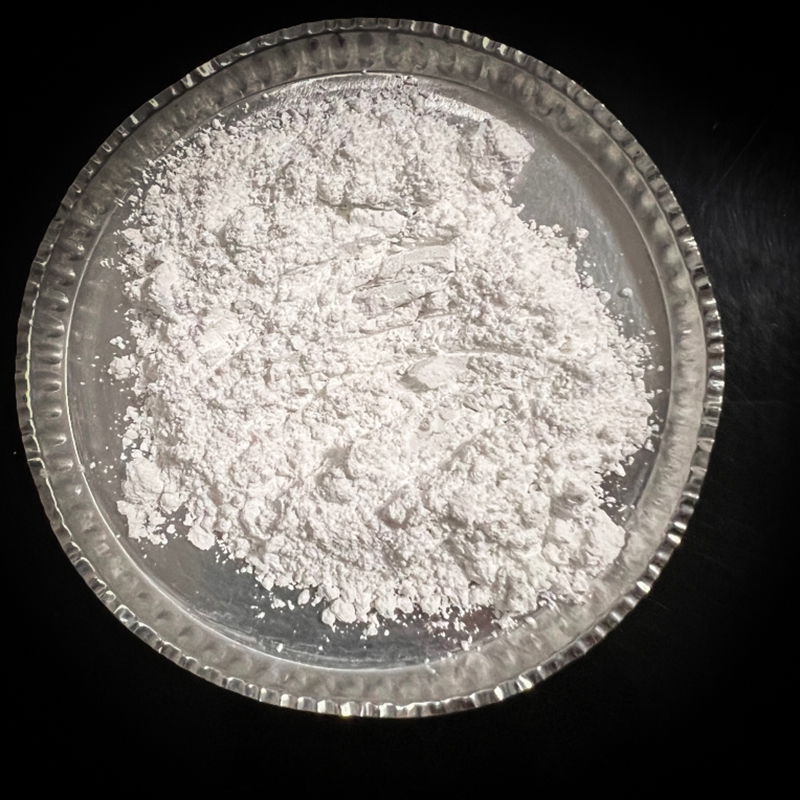
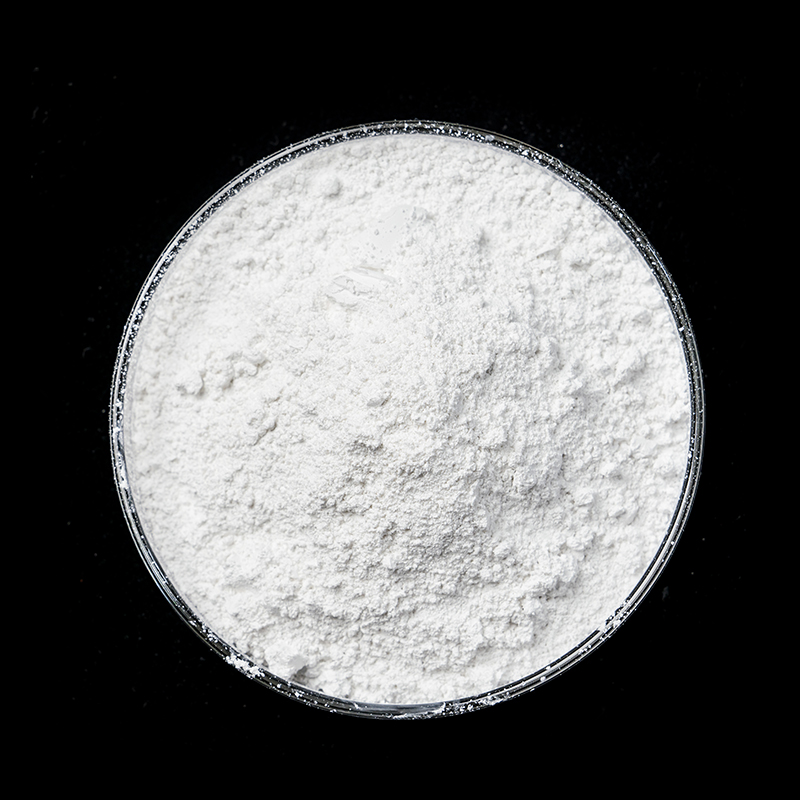 Ultra-Fine High-Purity Brucite Magnesium Hydroxide ZF-82 for Polymer Flame RetardancyThis ultrafine, high-purity natural magnesium hydroxide offers fine dispersion and high whiteness, improving mechanical strength and smoke suppression in polyolefins and engineering plastics while maintaining processability at high loadings.View Product →
Processability and Compatibility: The Hidden Variables
Particle size, surface treatment, and thermal stability are not optional topics. A formulation that works in a lab twin-screw extruder may fail in a different screw configuration. If the filler decomposes before the polymer melt reaches the die, you get gas bubbles, poor surface finish, and lower mechanical strength. A course should make you familiar with typical decomposition temperatures and processing windows for common mineral fillers.
| Additive | Decomposition temperature | Key processing consideration | Typical end use |
|---|---|---|---|
| Aluminum hydroxide | 200-220°C | Risk of water release during extrusion; dryer or venting required. | Polyolefins, cables, coatings |
| Magnesium hydroxide (synthetic) | 330-340°C | Higher processing temperature possible; good smoke suppression. | Polyolefins, engineering plastics |
| Brucite (natural Mg(OH)2) | 330-340°C | Cost-effective option; purity and whiteness vary by grade. | Cable compounds, TPE, rubber |
| Hydromagnesite | 250-300°C | Low density but wider decomposition range. | Films, coatings, nonwovens |
When you choose a mineral additive, you also need to consider its compatibility with the polymer matrix. A high-loading magnesium hydroxide masterbatch, for example, can simplify dosing and reduce dust, but only if the carrier resin is compatible.
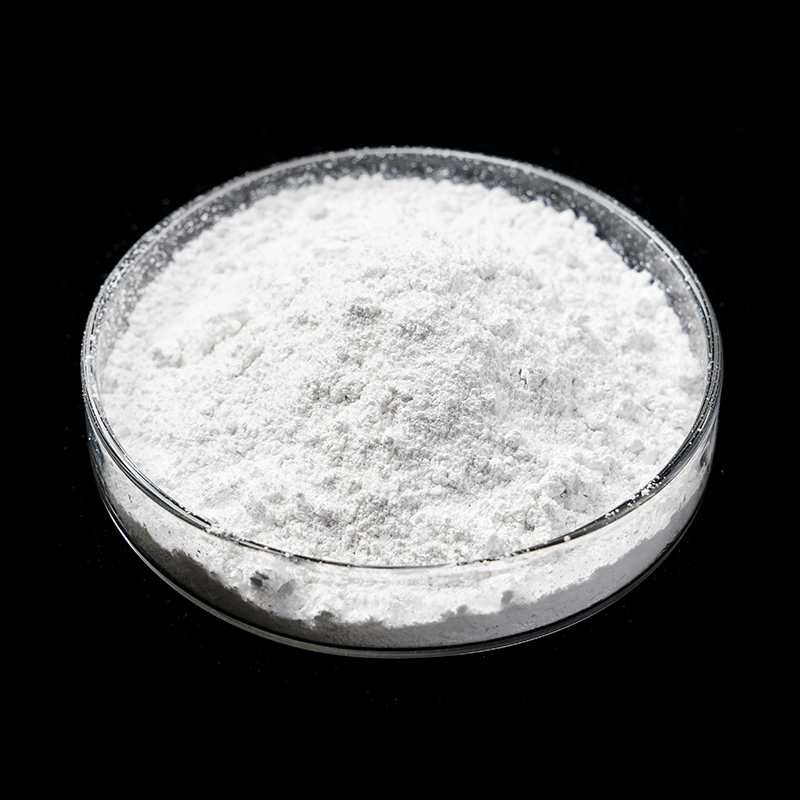 Synthetic Magnesium Hydroxide ZF-21 with High Purity and Fine Particle SizeA chemically precipitated magnesium hydroxide with ≥99% purity and 1.0 μm median size, ensuring uniform dispersion, color stability, and excellent electrical properties for halogen-free flame-retardant compounds.View Product →
Regulatory, Sustainability, and Cost Pressures
No modern formulation course can ignore environmental and regulatory drivers. Halogen-free systems are now preferred in many applications, and antimony trioxide (ATO) is increasingly scrutinized. A well-designed alternative synergist can make a difference. In PVC films, conveyor belts, or other ATO-containing products, a high-efficiency antimony synergist composite can maintain the same UL 94 rating while reducing raw material cost and easing compliance.
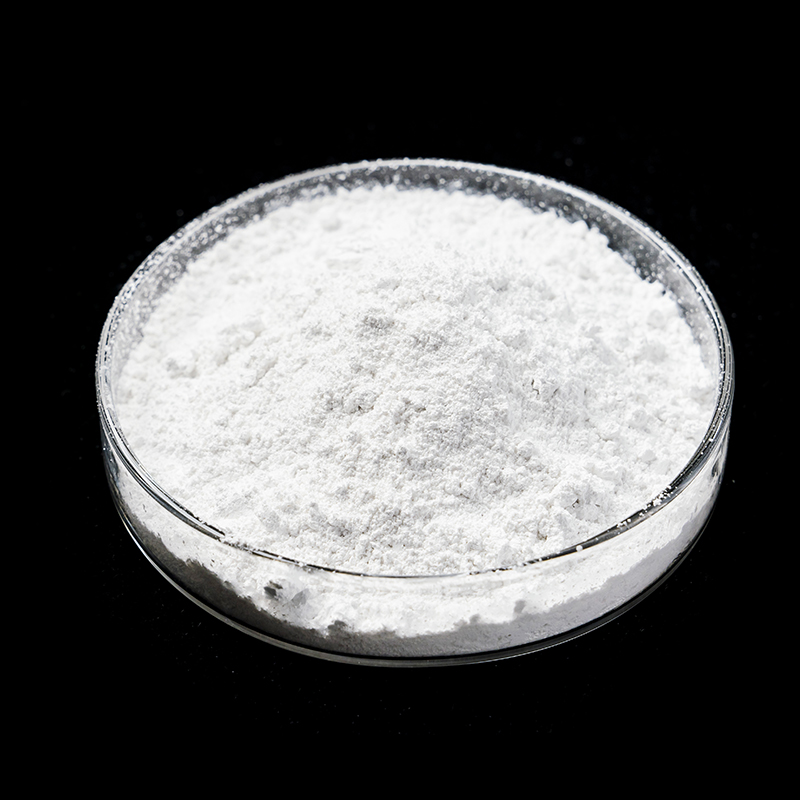 Eco-Friendly Antimony Synergist Flame Retardant ZF-V80 for PVC SystemsThis non-toxic composite synergist substitutes antimony trioxide in PVC, providing equivalent flame retardancy and processing behavior while reducing cost and meeting RoHS and REACH compliance requirements.View Product →
For polypropylene, there are tailored flame retardant systems available, but the key is matching the decomposition temperature and melt flow of the additive to your required processing window and final rating.
How to Validate a Formulation Before Scale-Up
A course should also teach testing. UL 94 vertical burn, limiting oxygen index, glow wire, and cone calorimetry all provide different information. But the biggest gap is between the test specimen and the molded part. A course that even briefly introduces lab-scale compounding and testing protocols is more useful than one that stops at theory. When you are working with engineering plastics, it helps to review application-specific guidance on part geometry and flame path.
This is where a supplier with an application testing laboratory can be invaluable. Instead of sending you a generic datasheet, they can run a screening formulation on your target resin and tell you if the additive has a chance of meeting your rating.
A Practical Course Should End with Material Selection Skills
Finally, the course should leave you with a mental checklist. What polymer are you running? What is the processing temperature? What flame rating do you need? What smoke, toxicity, or calorific constraints apply? What is your budget per kg? If you can answer these questions precisely, you can narrow down the material family quickly. Then you validate against suppliers who can provide consistent quality and application support. A supplier with an application testing laboratory, like our team, can help you verify that a candidate additive actually works in your equipment.
When you combine that discipline with a reliable raw material partner, you shorten the development cycle and reduce the risk of production failures. That is the real lesson of any good flame retardant formulation course.
PREV:No previous article
NEXT:Industrial Fire Retardants Suppliers: How to Choose the Right Partner for You
NEXT:Industrial Fire Retardants Suppliers: How to Choose the Right Partner for You
Interested in cooperation or have questions?
Featured Products

Let'S Work Together Welcome Aboard!
-
Oversea Sales: mayuqin@zhuofengfr.com
Company email: rikkima@zhuofengfr.com
-
WhatsApp: +86 18105180388
-
Address: No. 5, Wutai Road, Dongba Street, Gaochun District, Nanjing City, Jiangsu Province, China
Join Our Mailing List
Product Categories
Quick Links
Quick Links
Copyright © Jiangsu Zhuofeng New Materials Technology Co., Ltd.
All Rights Reserved.
 Environmentally Friendly Flame Retardants Manufacturers
Environmentally Friendly Flame Retardants Manufacturers