
 English
 Tiếng Việt

Plastic Wood
Plastic Wood
Plastic Wood
Plastic Wood
Plastic Wood
Plastic Wood
Plastic Wood
Plastic Wood
Plastic Wood
Plastic Wood
Plastic Wood
Plastic Wood
Plastic Wood
Plastic Wood
Plastic Wood
Plastic Wood

Plastic Wood


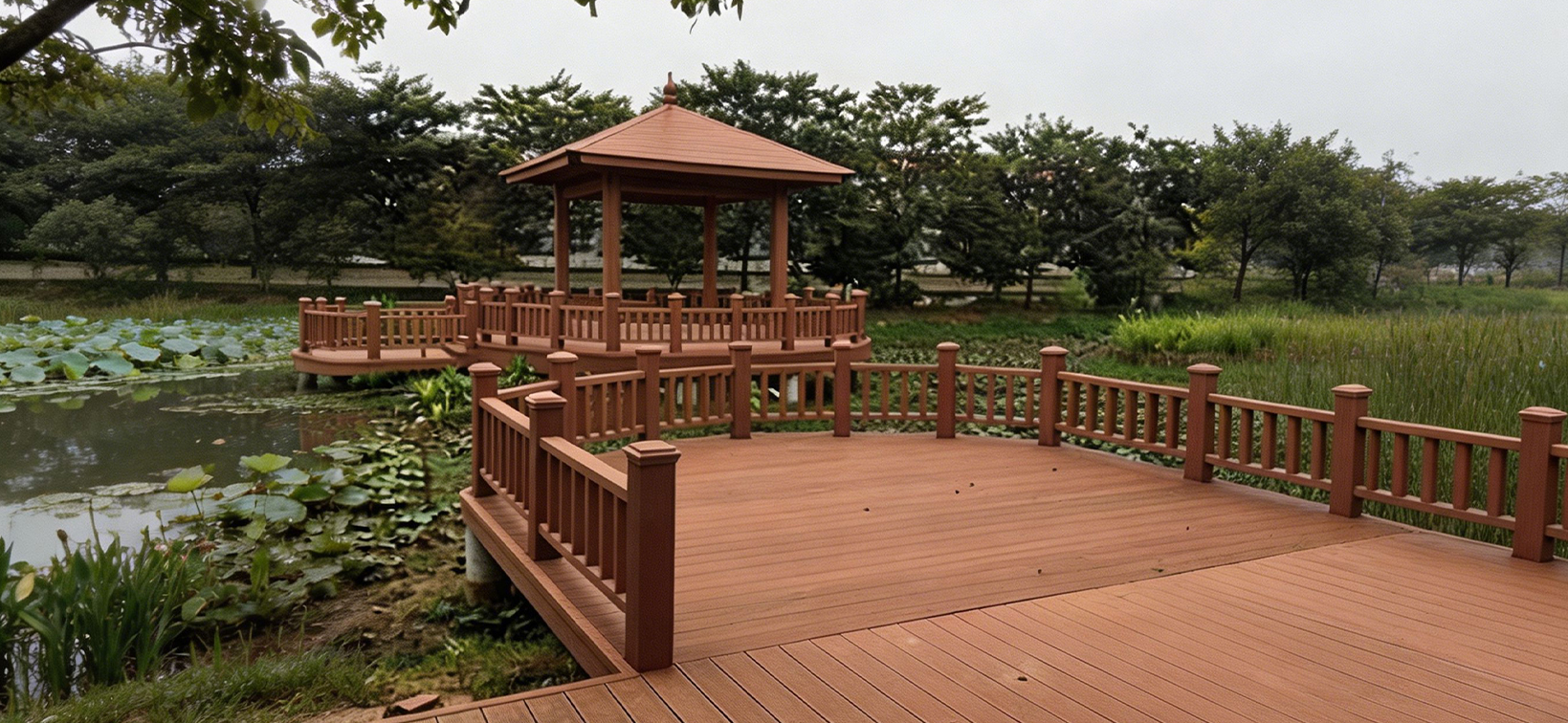
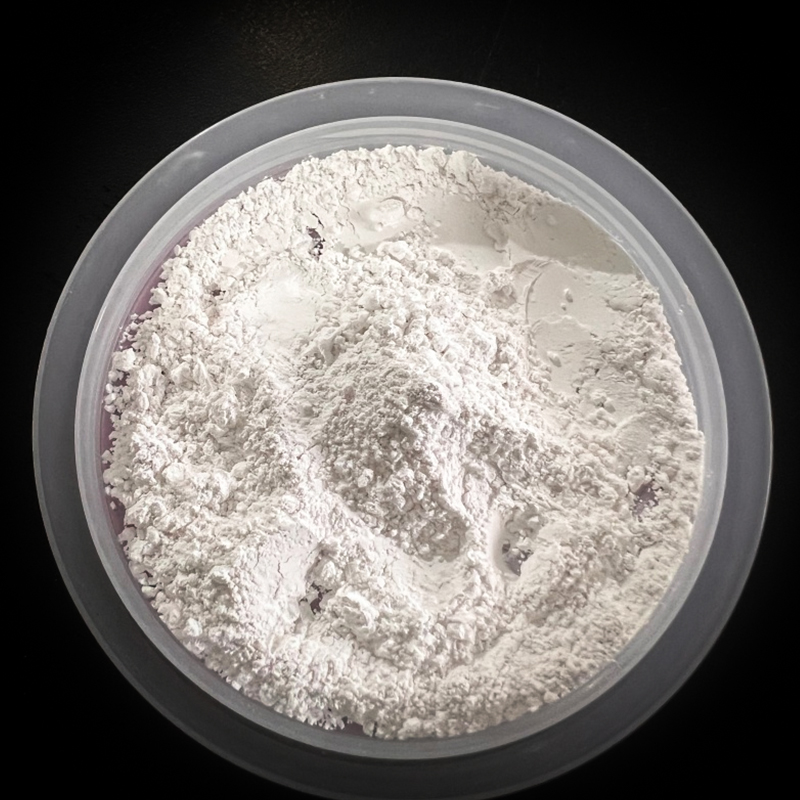
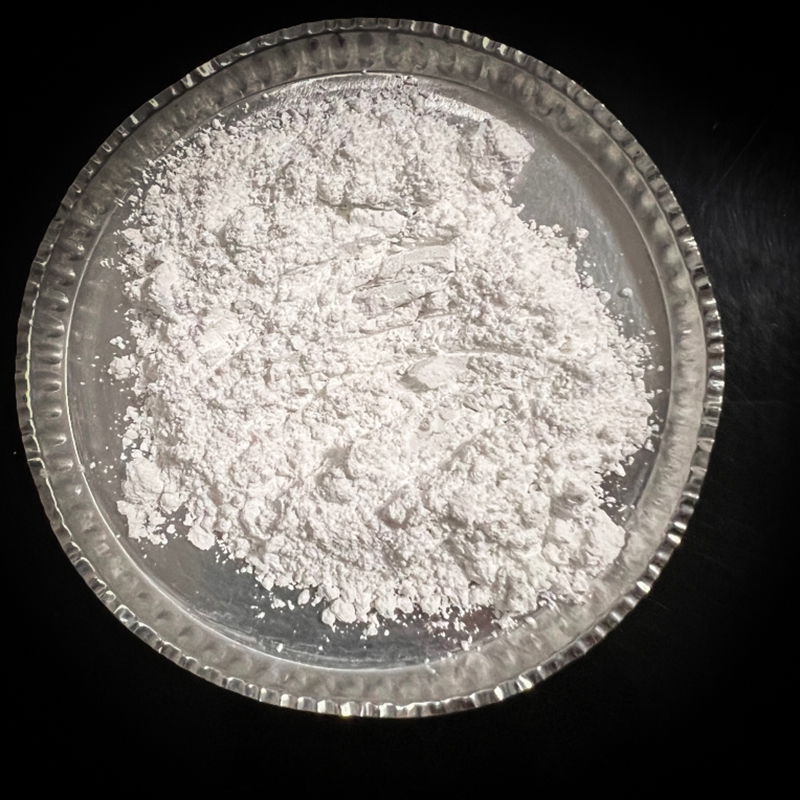
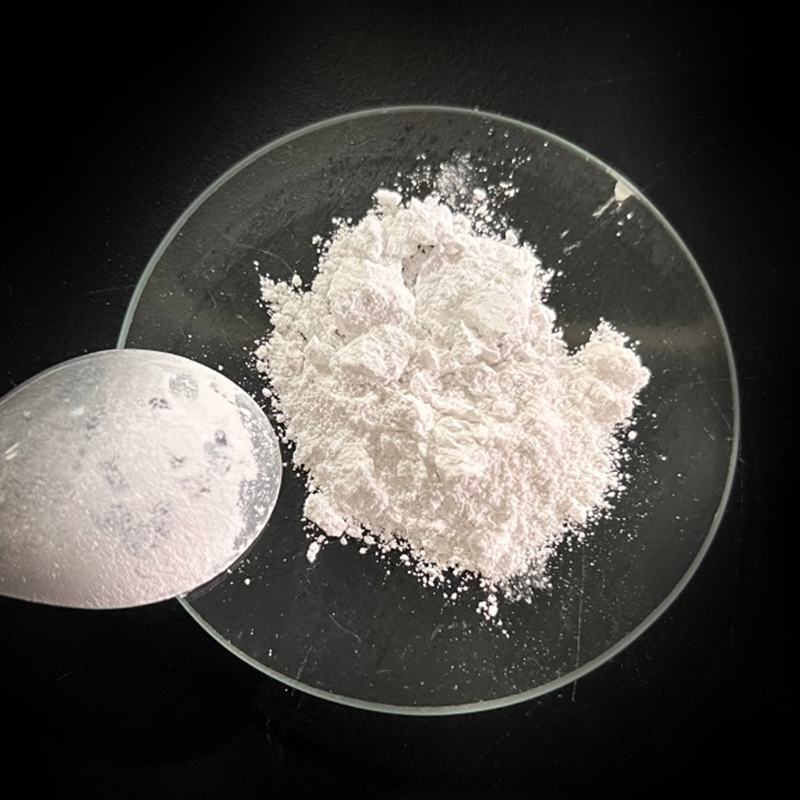
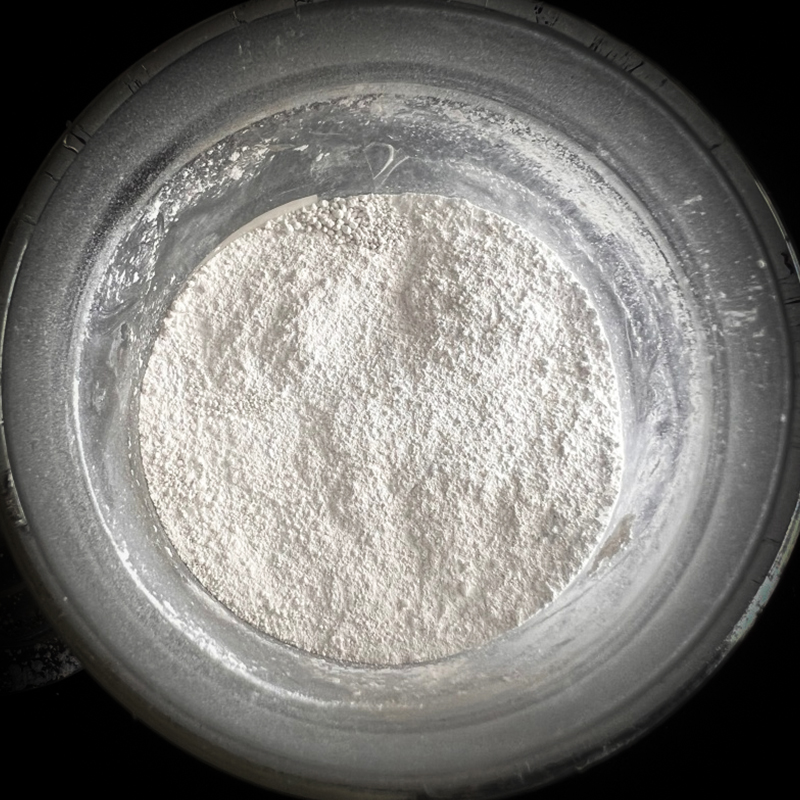
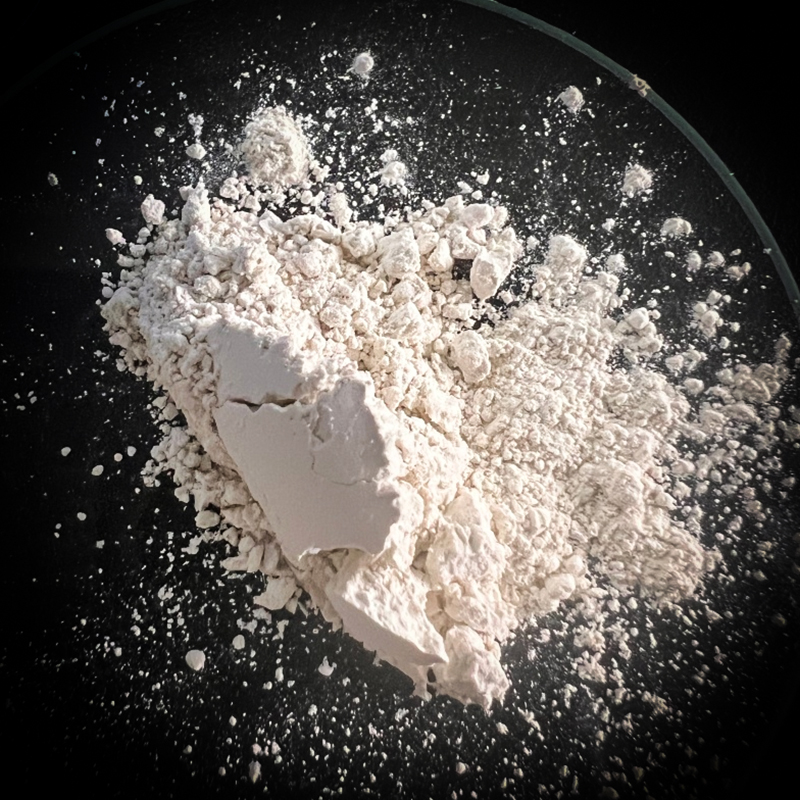
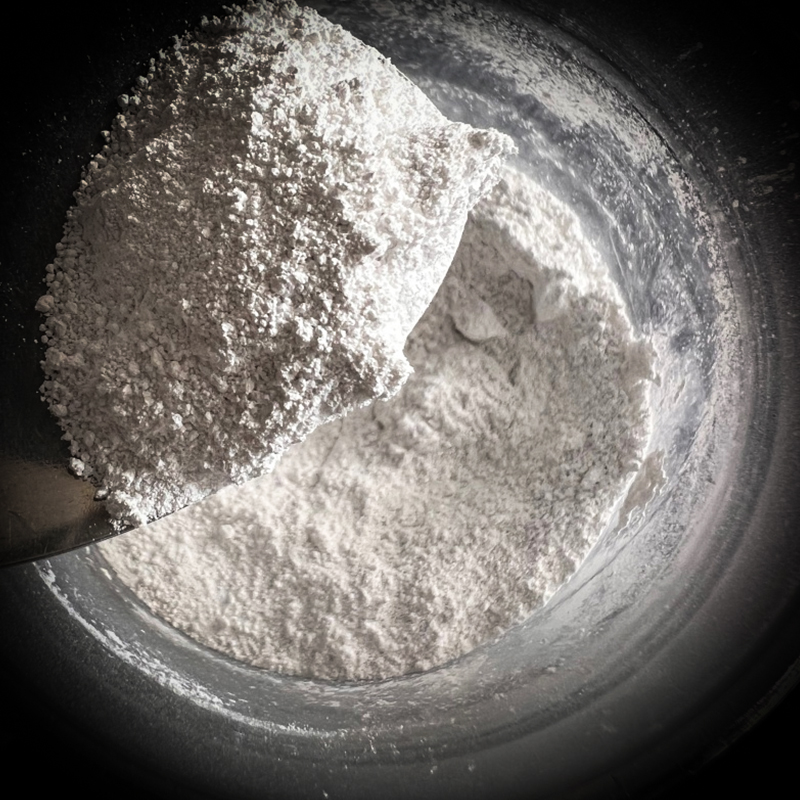
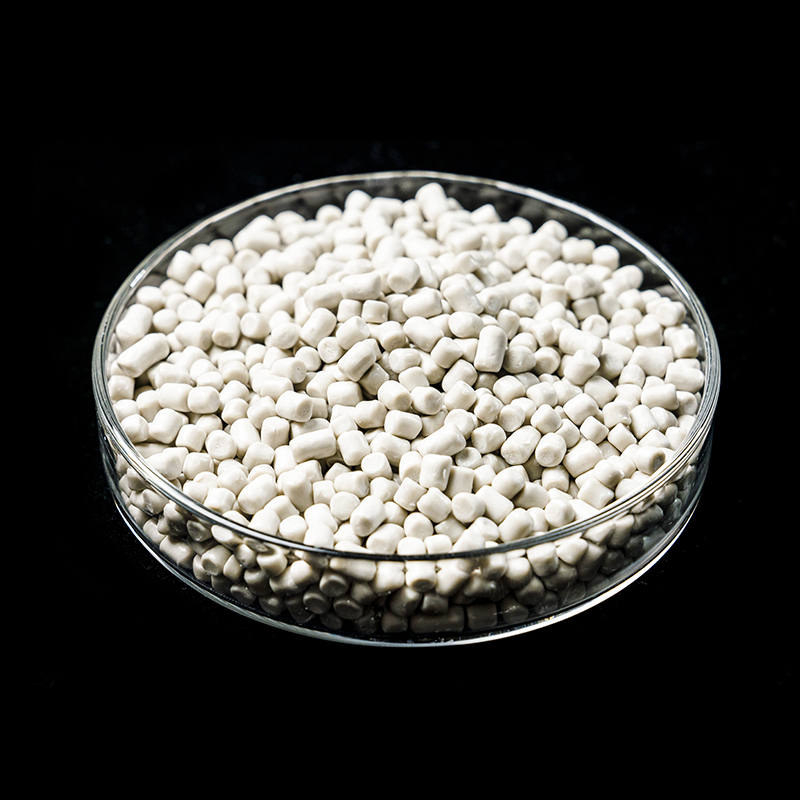
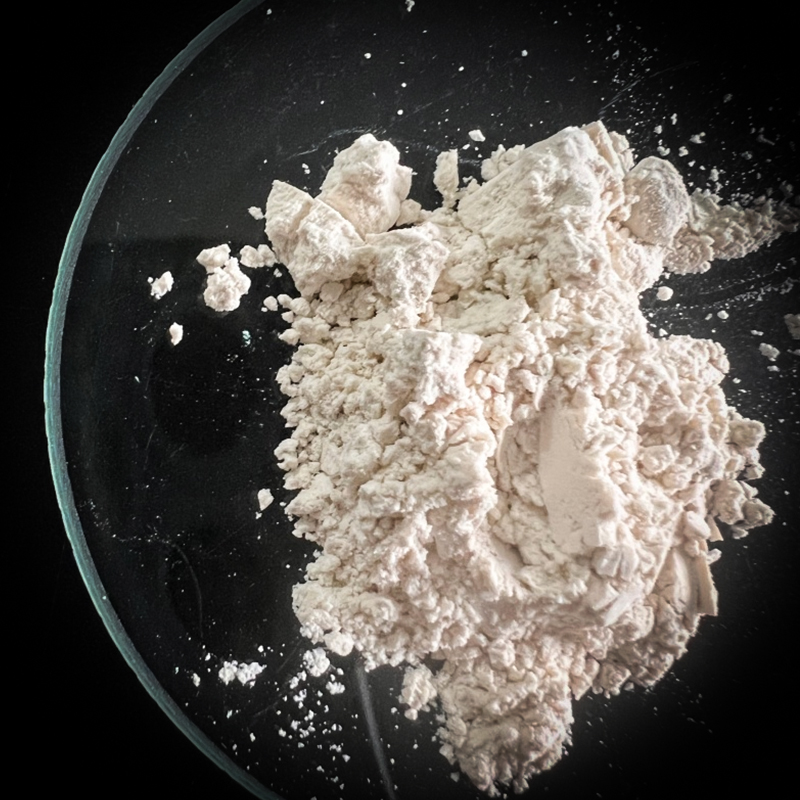
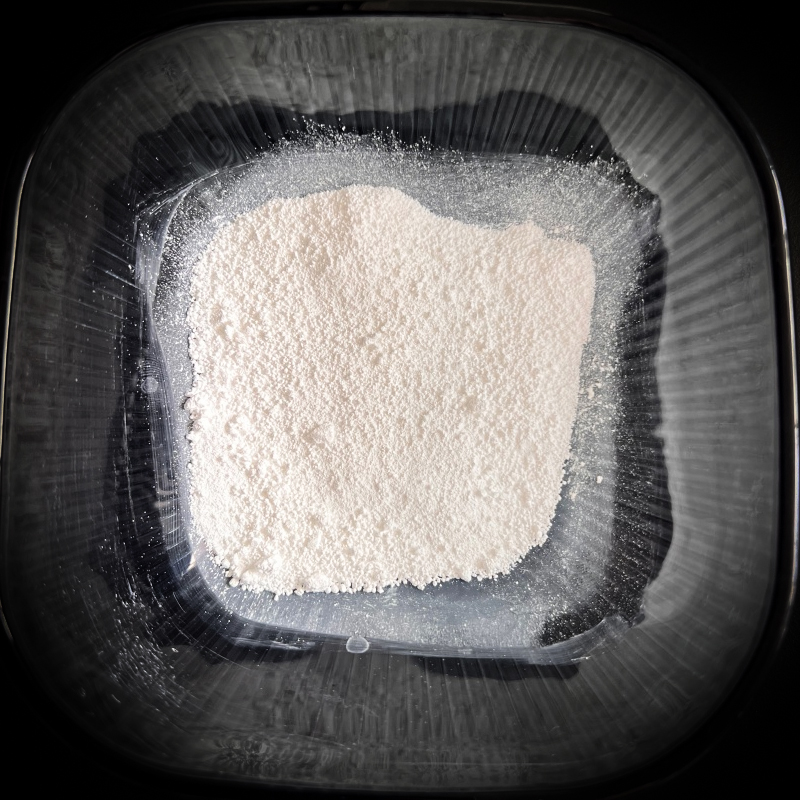
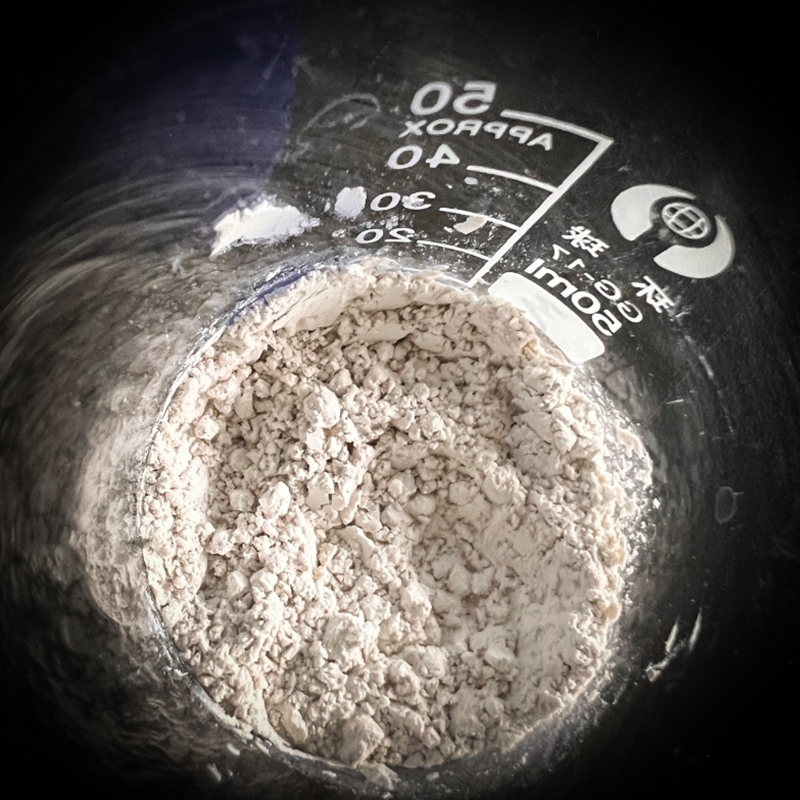
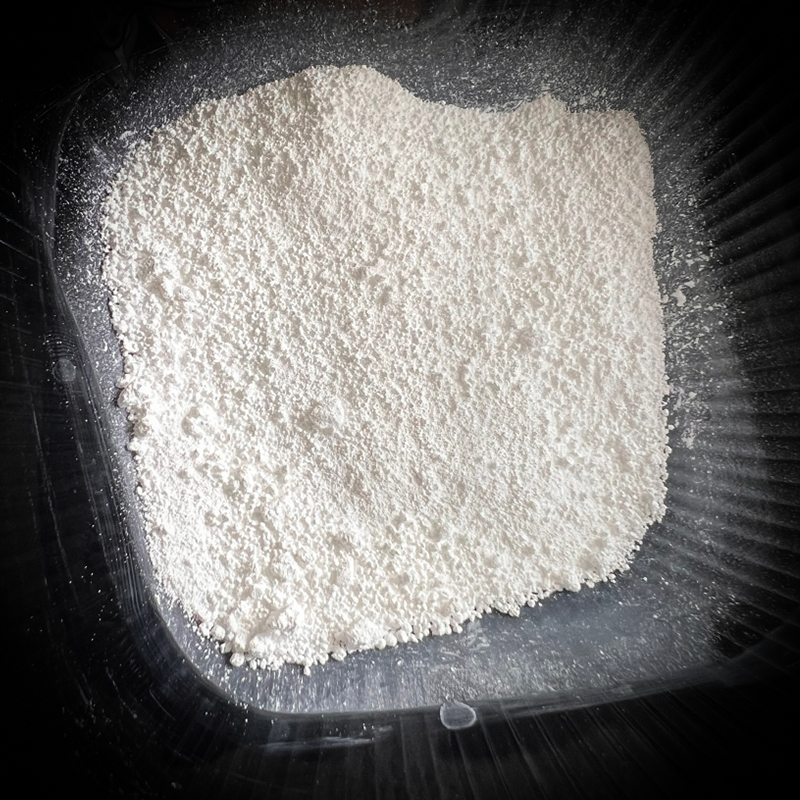
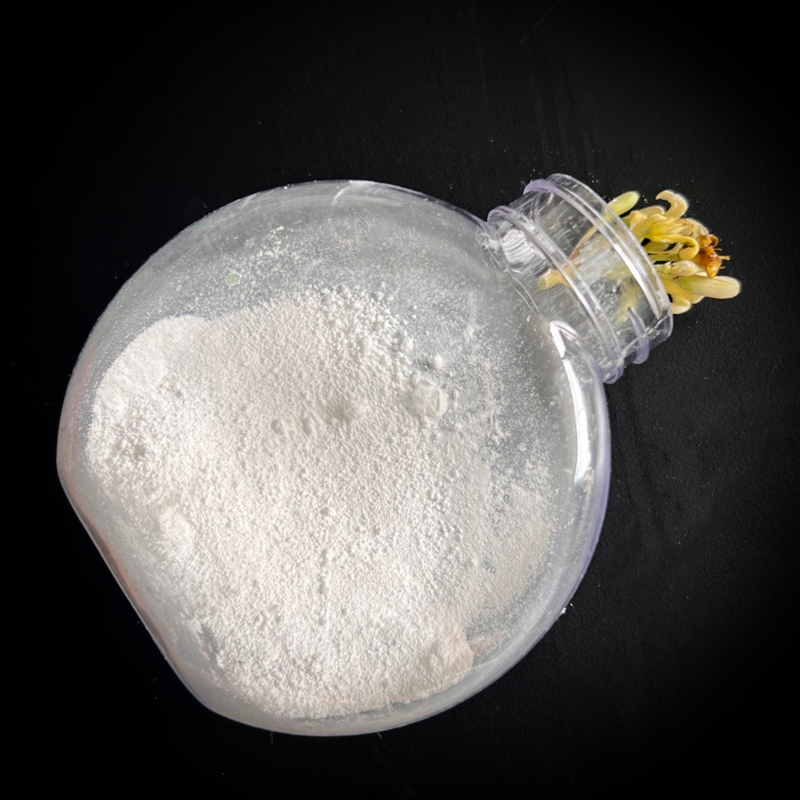
Modified magnesium hydroxide is used in flame-retardant wood-plastic products to enhance the flame-retardant properties of the products, reduce heat release, and decrease smoke production.
Recommended Products

Industry Knowledge
Why Wood-Plastic Composite Formulations Present a Unique Ignition Risk Profile
Wood-plastic composite, typically a blend of polyethylene or polypropylene with wood flour or other natural fiber filler, behaves differently under fire exposure than either pure plastic or pure wood, since the cellulosic component ignites and propagates flame at a lower threshold than the polymer matrix alone while the polymer contributes molten drip and continued fuel supply once ignition occurs. This combination creates a fire behavior profile that conventional flame retardant loading calculated for unfilled polyolefin does not adequately address, since the wood flour fraction effectively acts as an additional fuel source that needs to be accounted for separately from the polymer's own flammability characteristics.
Fire behavior characteristics specific to wood-plastic composites
- Lower ignition temperature threshold compared to unfilled polyolefin due to the cellulosic wood fraction
- Continued smoldering combustion risk after visible flame is extinguished, a behavior more associated with cellulosic materials than plastics alone
- Higher overall fuel load per unit volume compared to unfilled plastic, since both the polymer and the wood fraction contribute combustible mass
- Char formation behavior that differs from pure polymer char, since wood-derived char has different structural and insulating characteristics
Flame retardant formulation for wood-plastic composite should therefore be validated specifically on the actual wood-to-polymer ratio intended for production, since flame performance data generated on unfilled polyolefin does not reliably predict how the same flame retardant loading will perform once wood flour is introduced into the matrix.
Why Magnesium Hydroxide Is Frequently Preferred Over Halogenated Systems in Outdoor Wood-Plastic Composite
Wood-plastic composite is predominantly used in outdoor decking, fencing, and cladding applications where the material remains exposed to weathering, UV radiation, and moisture cycling over years of service, and this outdoor exposure profile makes magnesium hydroxide a particularly well-suited flame retardant choice compared to halogenated alternatives. Magnesium hydroxide's inert, non-volatile nature means it does not migrate or leach out under prolonged weathering exposure the way some halogenated systems can, and its combustion byproduct of water vapor avoids the corrosive gas generation that raises environmental and regulatory concerns in outdoor building products increasingly subject to environmental compliance scrutiny.
Advantages relevant to outdoor decking and cladding applications
| Consideration | Magnesium Hydroxide | Halogenated Systems |
| Long-term weathering stability | High, inert and non-migrating | Variable, some migration risk over time |
| Combustion byproduct | Water vapor | Corrosive and potentially toxic gases |
| Regulatory trend alignment | Favorable, aligns with halogen-free building trends | Facing increasing restriction in some markets |
Manufacturers exporting wood-plastic composite decking to markets with stricter environmental building product regulations should confirm current halogen and flame retardant restrictions for their specific destination market, since compliance requirements continue to evolve and vary by region.
Particle Size and Surface Treatment Requirements Specific to Wood-Plastic Composite Processing
Wood-plastic composite compounding already involves managing two dissimilar filler-like components, the wood flour and any additional flame retardant, competing for the same limited processing window and polymer matrix volume, which places particular importance on flame retardant particle size and surface treatment selection to avoid compounding the dispersion challenges already inherent to wood flour incorporation. Wood flour itself is irregular in shape and prone to moisture retention, and adding a poorly matched flame retardant particle size or surface chemistry on top of this existing complexity can produce compounds with inconsistent flame performance across the cross-section of the extruded profile.
Formulation factors specific to wood-plastic composite compounding
- Selecting a magnesium hydroxide particle size range that disperses efficiently alongside wood flour without requiring excessive additional shear that could degrade wood fiber length
- Choosing surface treatment chemistry compatible with any coupling agents already used to bond wood flour to the polymer matrix, avoiding chemical interference between the two additive systems
- Managing combined moisture content from both wood flour and any hygroscopic flame retardant components through adequate pre-drying before extrusion
- Verifying total filler loading, wood flour plus flame retardant combined, does not exceed the practical processing ceiling for the specific extrusion equipment being used
Cross-sectional sampling of extruded wood-plastic composite profiles at multiple points along a production run is a useful verification step, since uneven flame retardant dispersion in combination with wood flour can be harder to detect through standard bulk testing alone.
Balancing Flame Retardant Loading Against Wood-Plastic Composite Mechanical and Aesthetic Requirements
Wood-plastic composite decking and cladding products are frequently marketed on the basis of wood-like aesthetic appearance and mechanical performance closely resembling natural lumber, and flame retardant loading needs to be balanced carefully against these market expectations rather than simply maximized for fire performance alone. Excessive mineral filler loading on top of the wood flour already present in the formulation can push flexural strength and impact resistance below acceptable thresholds for structural decking applications, while also potentially affecting surface texture and color consistency that consumers expect from a premium wood-alternative product.
Tradeoffs to evaluate during formulation development
- Flexural strength and modulus retention at the target flame retardant loading, tested against the specific wood flour ratio used in the base formulation
- Surface texture and embossing pattern retention, since some mineral fillers can affect how well a wood-grain surface texture holds up during the molding or extrusion process
- Color consistency and fade resistance under UV exposure, evaluated together with the flame retardant present rather than on an unfilled control alone
- Long-term creep resistance under sustained structural load, particularly relevant for decking boards spanning support joists at standard installation spacing
Manufacturers should request mechanical property data at the actual combined wood flour and flame retardant loading intended for the final product specification, since interpolating from separate wood flour-only and flame retardant-only datasets does not reliably predict how the two additive systems interact in the finished compound.
Moisture Management Considerations Unique to Flame Retardant Wood-Plastic Composite Formulations
Wood-plastic composite formulations already require careful moisture management due to the hygroscopic nature of wood flour, which absorbs and releases moisture in response to ambient humidity throughout the product's outdoor service life, and this baseline moisture sensitivity becomes more complex when flame retardant additives with their own moisture-related characteristics are introduced into the same formulation. Ammonium polyphosphate-based intumescent systems, for instance, carry their own hygroscopic tendency that compounds rather than simply adding to the wood flour's existing moisture behavior, since both components can absorb moisture independently and interact with each other's moisture content in ways that are not always straightforward to predict.
Moisture-related risks specific to flame retardant wood-plastic composite
- Combined moisture from wood flour and hygroscopic flame retardant components can exceed acceptable extrusion moisture thresholds even when each component individually tests within specification
- Steam generation during extrusion can cause surface voids or internal porosity that reduce both mechanical strength and long-term dimensional stability
- Post-installation moisture cycling in outdoor decking applications can gradually affect flame retardant distribution or effectiveness over the product's service life
- Mold or mildew growth risk, already a consideration in wood-plastic composite generally, may interact with certain flame retardant chemistries in ways worth screening during formulation development
Choosing magnesium hydroxide over moisture-sensitive intumescent systems is one practical way formulators reduce this compounded moisture risk in wood-plastic composite, since magnesium hydroxide's low hygroscopicity avoids adding a second independent moisture variable on top of the wood flour's inherent behavior.
Building Code Compliance Pathways for Flame Retardant Wood-Plastic Composite Decking and Cladding
Wood-plastic composite decking and cladding products increasingly face building code scrutiny in markets with wildfire risk zones or dense residential construction, where flame spread and ignition resistance requirements can determine whether a product is approved for use in a given jurisdiction at all. These requirements are typically more specific and demanding than general consumer product flammability expectations, often requiring standardized testing methods that evaluate flame spread rate, ignition resistance under radiant heat exposure, or performance in simulated wildfire ember exposure scenarios depending on the target market's specific risk profile.
Compliance considerations for regulated decking and cladding markets
- Identifying whether the target market requires specific wildfire-related testing, such as ember and flame exposure protocols used in certain wildland-urban interface building codes
- Confirming the specific flame spread classification required for the product's intended installation context, since requirements can differ between decking, fencing, and cladding applications even within the same building code
- Testing the finished profile geometry rather than a flat test specimen alone, since decking board profiles with ventilation gaps or grooves can behave differently under fire exposure than a solid test panel
- Maintaining formulation consistency documentation to support ongoing code compliance, since building product certifications typically require demonstrated production consistency rather than a one-time qualification sample
Manufacturers targeting wildfire-prone or code-restricted markets should engage with a flame retardant supplier's application testing laboratory early in product development, since achieving the specific fire performance classification required for these markets often takes more formulation iteration than standard indoor building product applications.
Let'S Work Together Welcome Aboard!
-
Oversea Sales: mayuqin@zhuofengfr.com
Company email: rikkima@zhuofengfr.com
-
WhatsApp: +86 18105180388
-
Address: No. 5, Wutai Road, Dongba Street, Gaochun District, Nanjing City, Jiangsu Province, China
Join Our Mailing List
Product Categories
Quick Links
Quick Links
Copyright © Jiangsu Zhuofeng New Materials Technology Co., Ltd.
All Rights Reserved.
 Magnesium Hydroxide for Plastic Wood Modified
Magnesium Hydroxide for Plastic Wood Modified