
 English
 Tiếng Việt

Heat Shrink Tubing
Heat Shrink Tubing
Heat Shrink Tubing
Heat Shrink Tubing
Heat Shrink Tubing
Heat Shrink Tubing
Heat Shrink Tubing
Heat Shrink Tubing
Heat Shrink Tubing
Heat Shrink Tubing
Heat Shrink Tubing
Heat Shrink Tubing
Heat Shrink Tubing
Heat Shrink Tubing
Heat Shrink Tubing
Heat Shrink Tubing

Heat Shrink Tubing


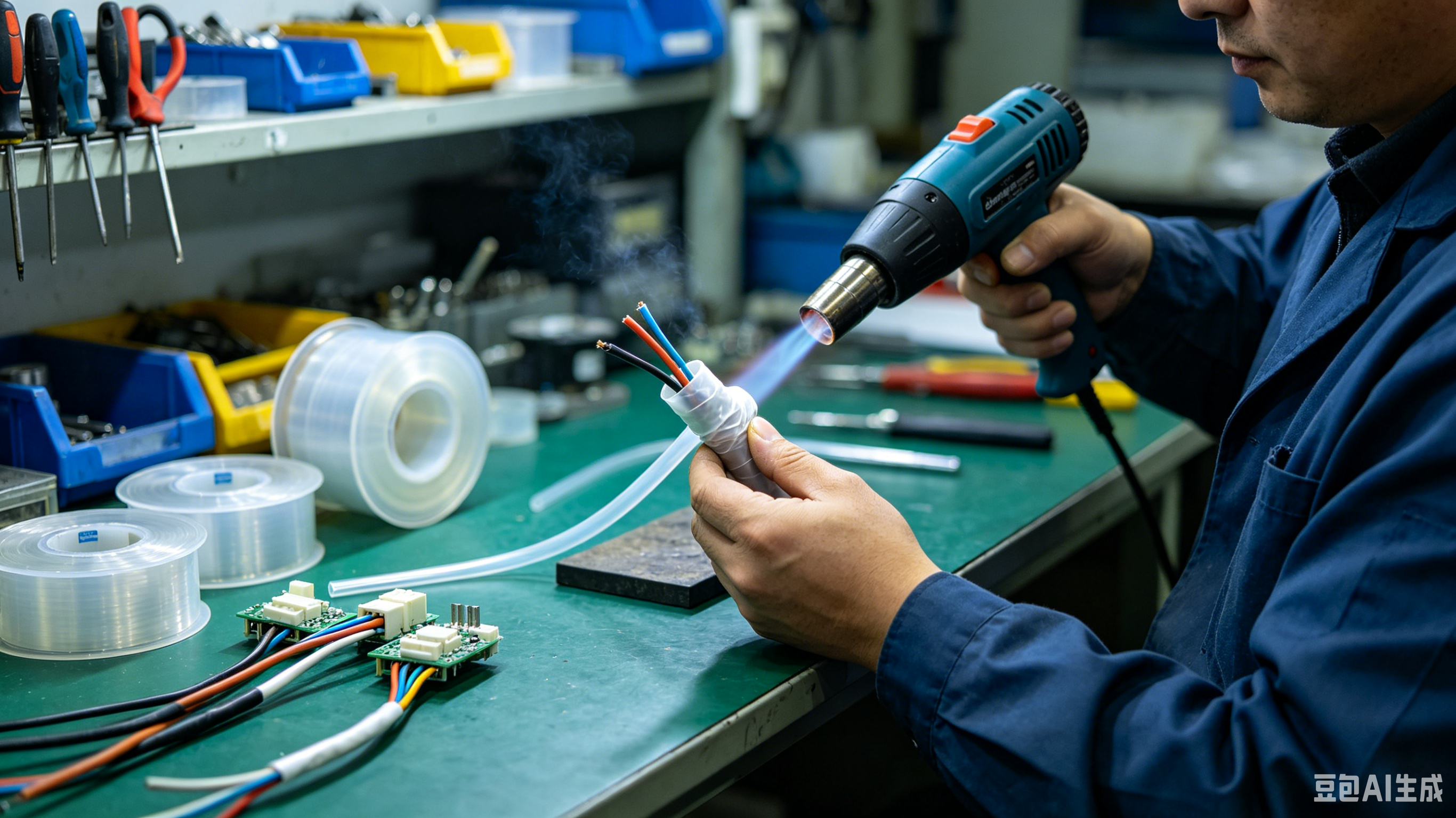
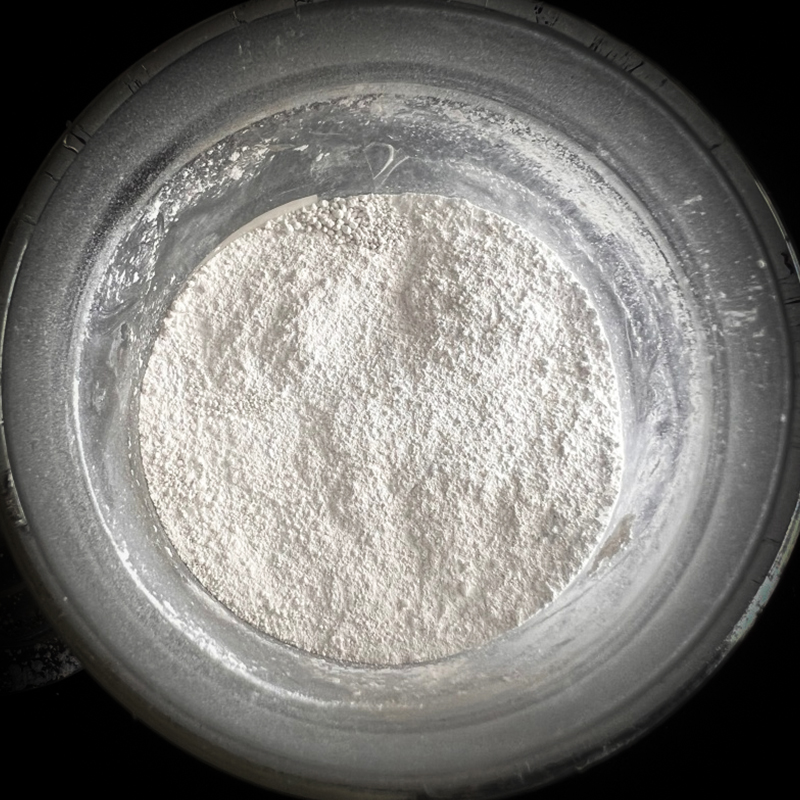
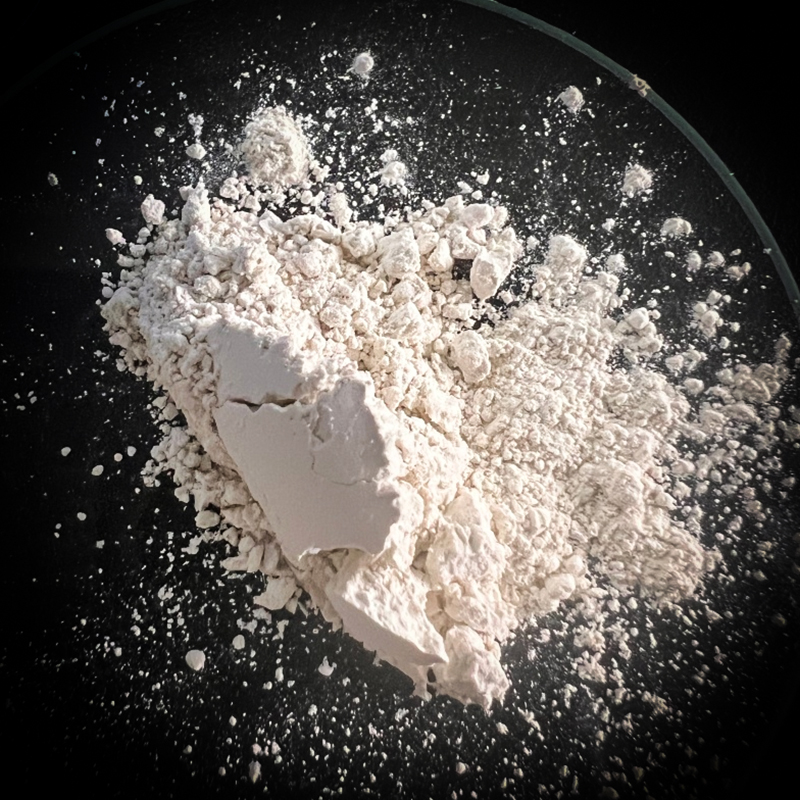
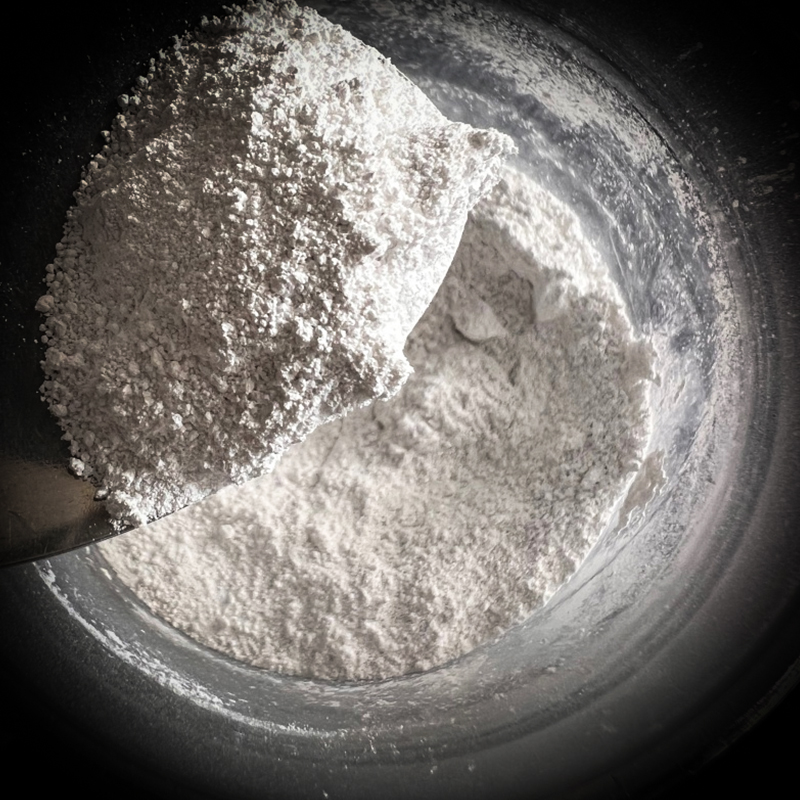
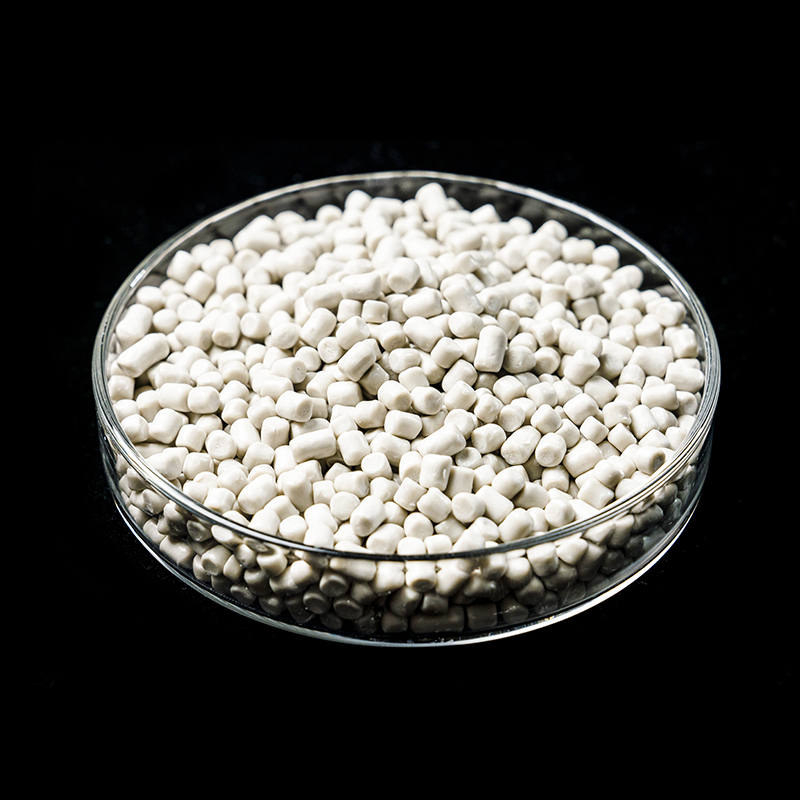
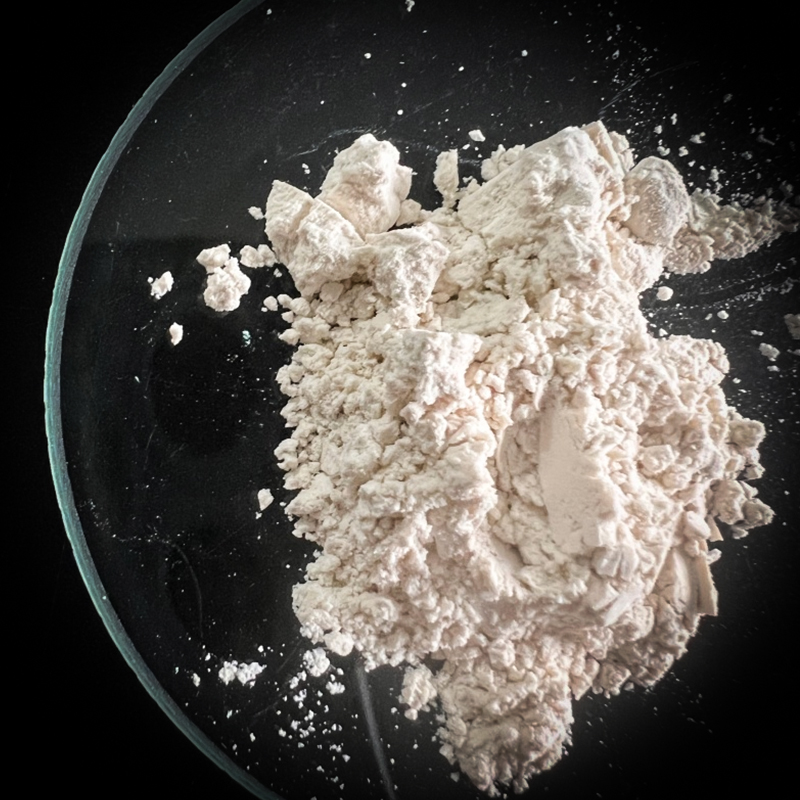
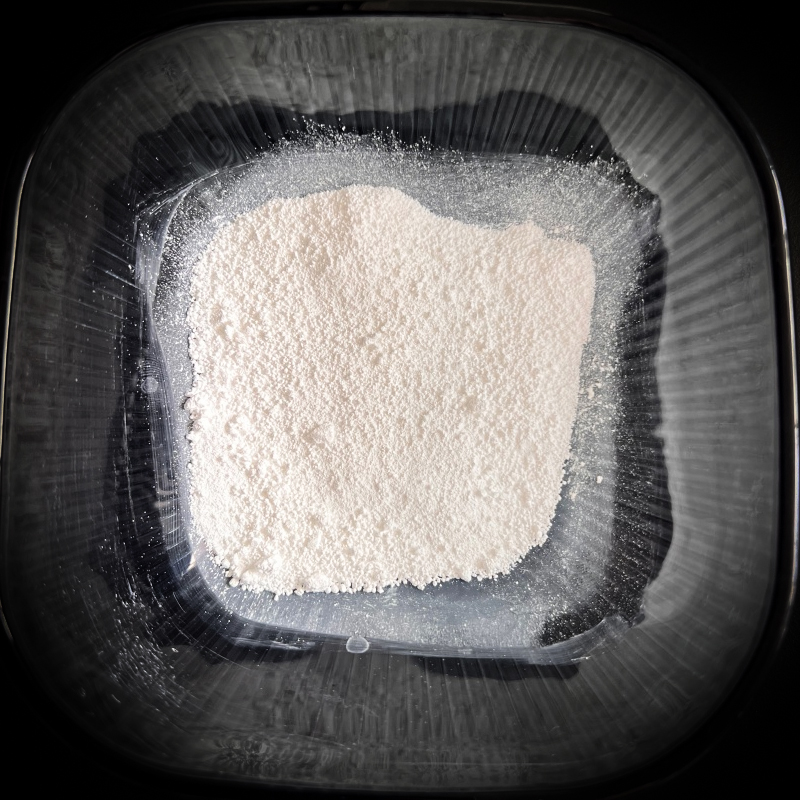
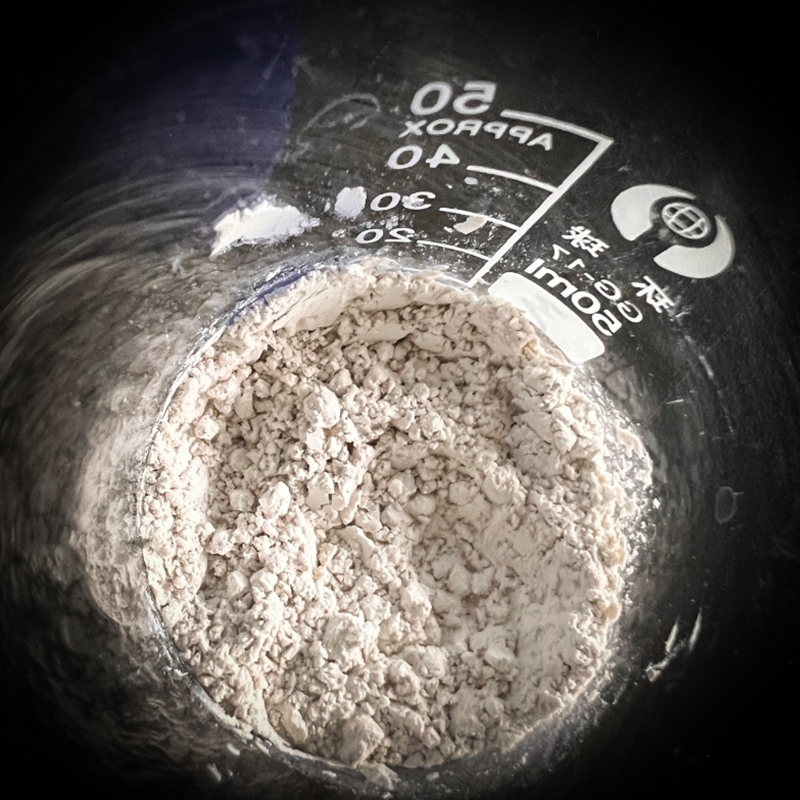
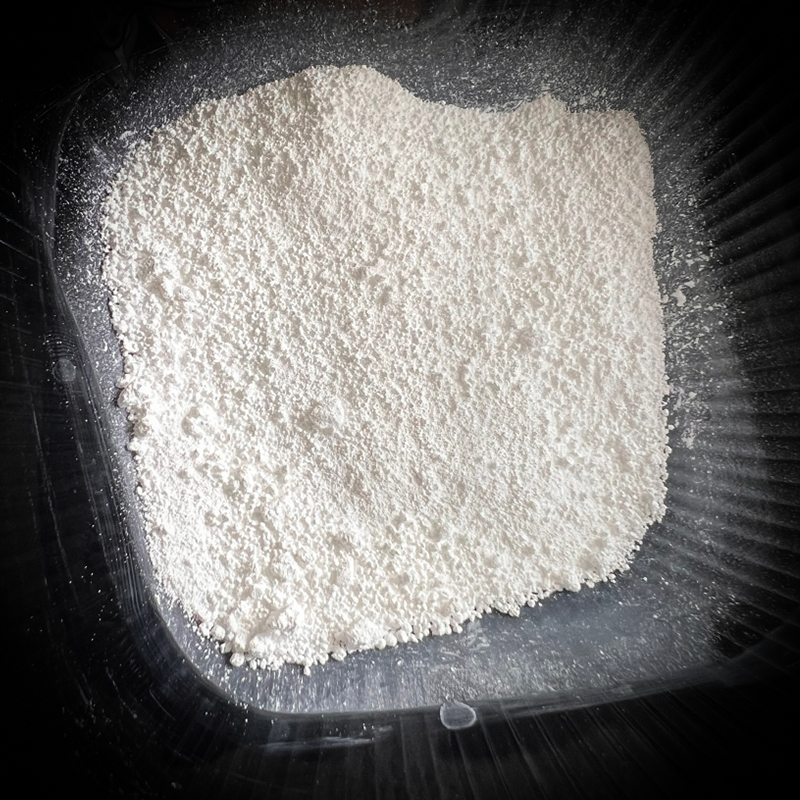
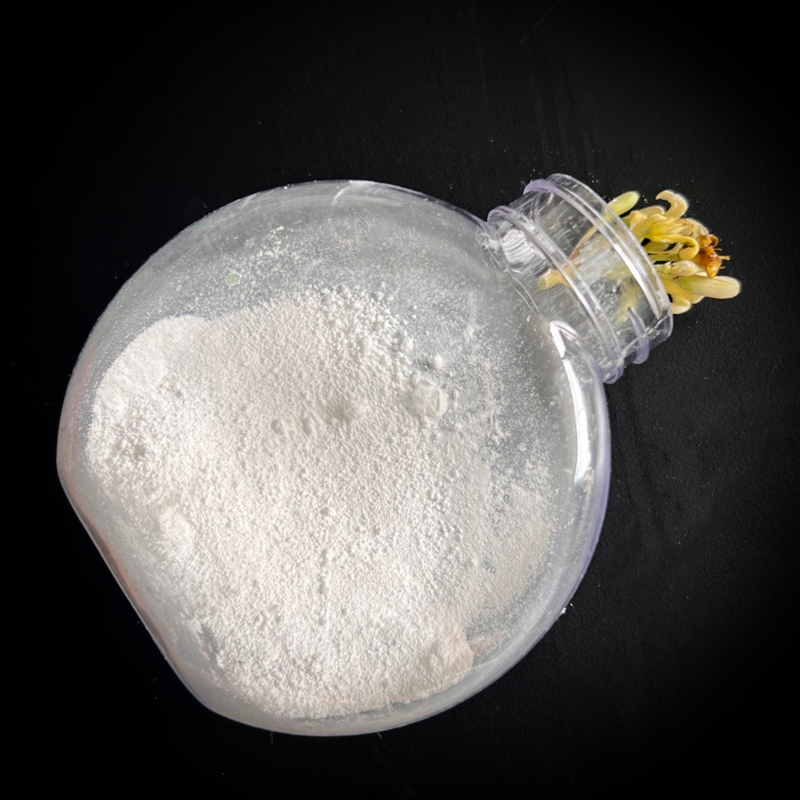
Magnesium hydroxide can be used in heat shrinkable tube materials such as EVA, PVC, and PET, to enhance the fire resistance and anti-dripping properties of the materials.
Recommended Products

Industry Knowledge
Why Heat Shrink Tubing Places Unique Demands on Magnesium Hydroxide Selection
Heat shrink tubing goes through a processing sequence that few other flame-retarded products face: extrusion, irradiation crosslinking, expansion, and later, controlled recovery when heat is applied during installation, and magnesium hydroxide has to maintain both flame performance and mechanical integrity through every stage of that sequence. At Jiangsu Zhuofeng New Materials Technology Co., Ltd., we've found that particle size and surface treatment choices that work fine in standard cable jacketing sometimes underperform in heat shrink applications specifically because of the expansion step, where the polymer is stretched significantly beyond its original dimensions while hot, placing additional stress on the filler-polymer interface compared to conventional extrusion alone.
Poor interfacial bonding that might go unnoticed in a standard extruded cable jacket becomes far more visible in heat shrink tubing, since the expansion process can cause micro-voiding or surface cracking around poorly bonded filler particles, weakening the tubing before it's even installed. This is why surface treatment quality matters more in heat shrink formulations than loading percentage alone; a well-treated magnesium hydroxide at moderate loading often outperforms an untreated grade at higher loading once the tubing goes through its full expansion and recovery cycle.
Balancing Recovery Force With Flame Retardant Loading
| Mg(OH)2 Loading | Typical Effect on Recovery Force | Practical Consideration |
|---|---|---|
| Below 40% | Minimal impact on shrink-back force | May not achieve target flame rating alone |
| 40-55% | Moderate reduction, generally manageable | Common working range for cable-grade tubing |
| Above 55% | Significant reduction, risk of incomplete shrink-back | Requires crosslink density adjustment to compensate |
Recovery force, the force driving the tubing back to its original diameter when heated during installation, tends to decrease as filler loading rises, since the elastomeric network responsible for shrink-back has proportionally less polymer to work with at high mineral content. Formulators working near the upper end of the typical loading range often need to increase crosslink density through adjusted irradiation dosage to maintain adequate recovery force, which is a variable worth testing jointly with flame retardant loading rather than optimizing each independently.
Crosslinking Compatibility: A Detail Easy to Overlook
Most heat shrink tubing relies on electron beam or chemical crosslinking to achieve the elastic memory needed for shrink-back behavior, and magnesium hydroxide's presence in the compound can influence crosslinking efficiency in ways that aren't always obvious from a standard flame retardant data sheet. High filler loading can partially shield the polymer from electron beam penetration, reducing effective crosslink density at a given irradiation dose compared to an unfilled or lightly filled formulation, which means dosage that works well for one loading level may be insufficient once loading increases for a higher flame rating target.
- Confirm irradiation dosage requirements specifically for your target filler loading rather than reusing settings validated at a different loading level
- Surface-treated grades with better dispersion generally interfere less with electron beam penetration than poorly dispersed, agglomerated material
- Test gel content (a standard measure of crosslink density) directly rather than assuming dosage settings transfer cleanly between formulations
This is one of the more common causes of inconsistent shrink-back performance we see reported by heat shrink manufacturers switching to a higher flame retardant loading without revisiting their irradiation process parameters at the same time.
Selecting a Magnesium Hydroxide Grade Suited to Heat Shrink Production
Given the combination of expansion stress, recovery force, and crosslinking sensitivity involved, heat shrink tubing manufacturers benefit from working with a supplier that can supply data specific to this application rather than general cable-compound test results alone. Requesting expansion and recovery testing on actual heat shrink samples, not just tensile and flame testing on flat plaques, gives a far more accurate picture of how a given Magnesium Hydroxide for Heat Shrink Tubing - Zhuofeng New Materials grade will perform once it goes through a real production cycle.
Jiangsu Zhuofeng New Materials Technology Co., Ltd. supports this kind of application-specific validation through its flame retardant polymer material application testing laboratory, working with heat shrink tubing manufacturers to confirm that surface treatment, particle size, and loading choices hold up through the full expansion and recovery cycle rather than only in initial flat-sample testing. For manufacturers evaluating a switch to a new Magnesium Hydroxide for Heat Shrink Tubing - Zhuofeng New Materials grade, requesting sample quantities for a full production trial, including irradiation and expansion steps, remains the most reliable way to confirm compatibility before committing to volume purchasing.
Let'S Work Together Welcome Aboard!
-
Oversea Sales: mayuqin@zhuofengfr.com
Company email: rikkima@zhuofengfr.com
-
WhatsApp: +86 18105180388
-
Address: No. 5, Wutai Road, Dongba Street, Gaochun District, Nanjing City, Jiangsu Province, China
Join Our Mailing List
Product Categories
Quick Links
Quick Links
Copyright © Jiangsu Zhuofeng New Materials Technology Co., Ltd.
All Rights Reserved.
 Heat Shrink Tubing Magnesium Hydroxide Suppliers
Heat Shrink Tubing Magnesium Hydroxide Suppliers