
 English
 Tiếng Việt

Cable Harness
Cable Harness
Cable Harness
Cable Harness
Cable Harness
Cable Harness
Cable Harness
Cable Harness
Cable Harness
Cable Harness
Cable Harness
Cable Harness
Cable Harness
Cable Harness
Cable Harness
Cable Harness

Cable Harness


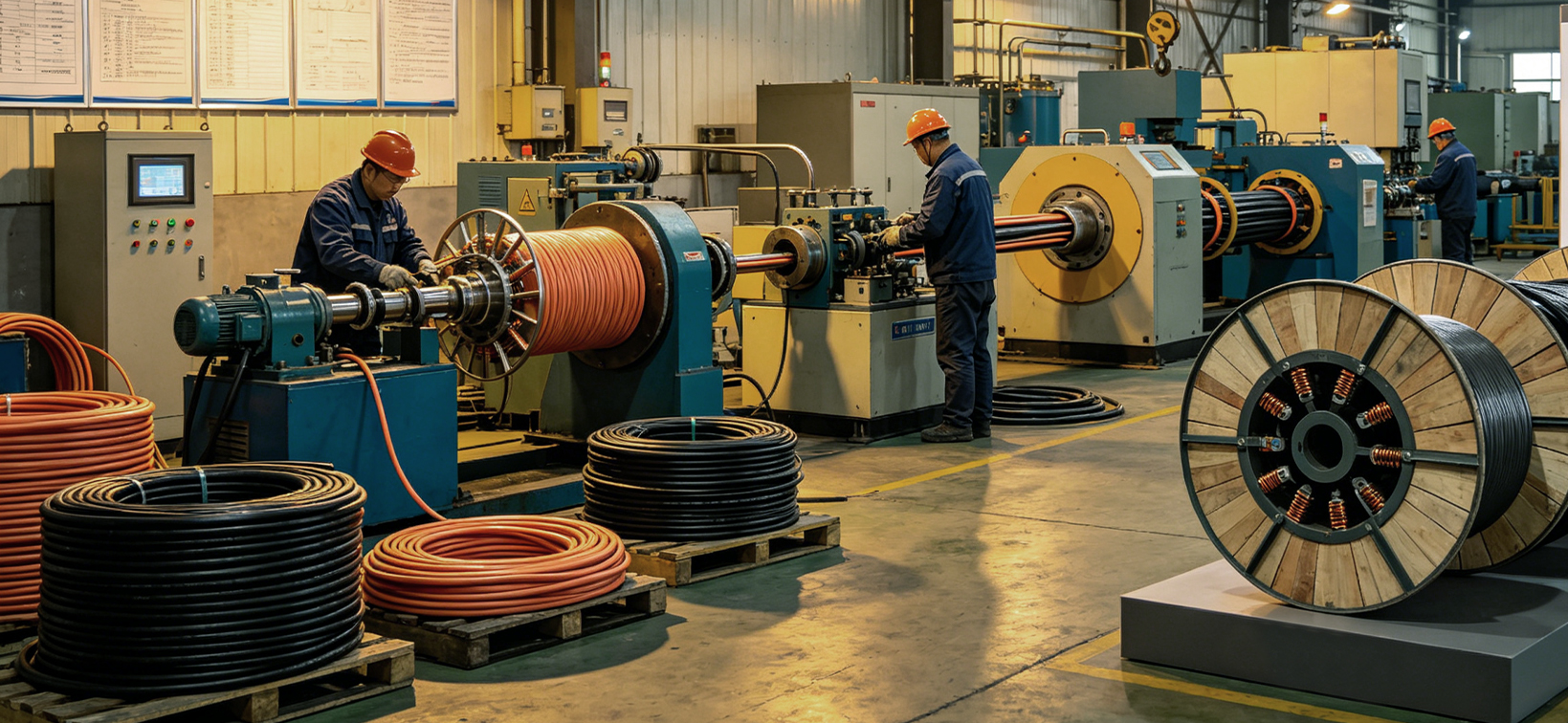
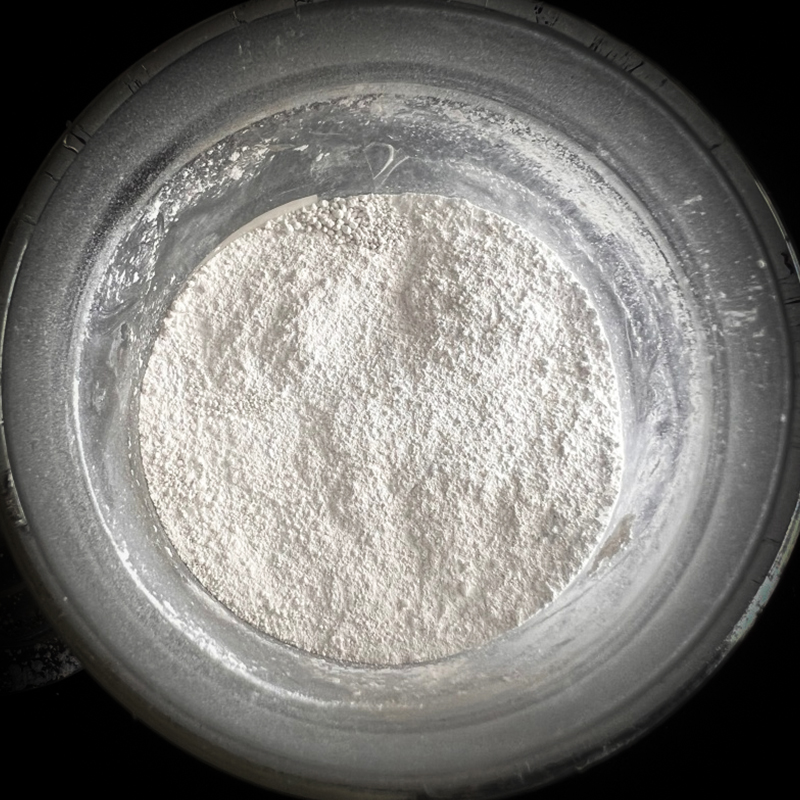
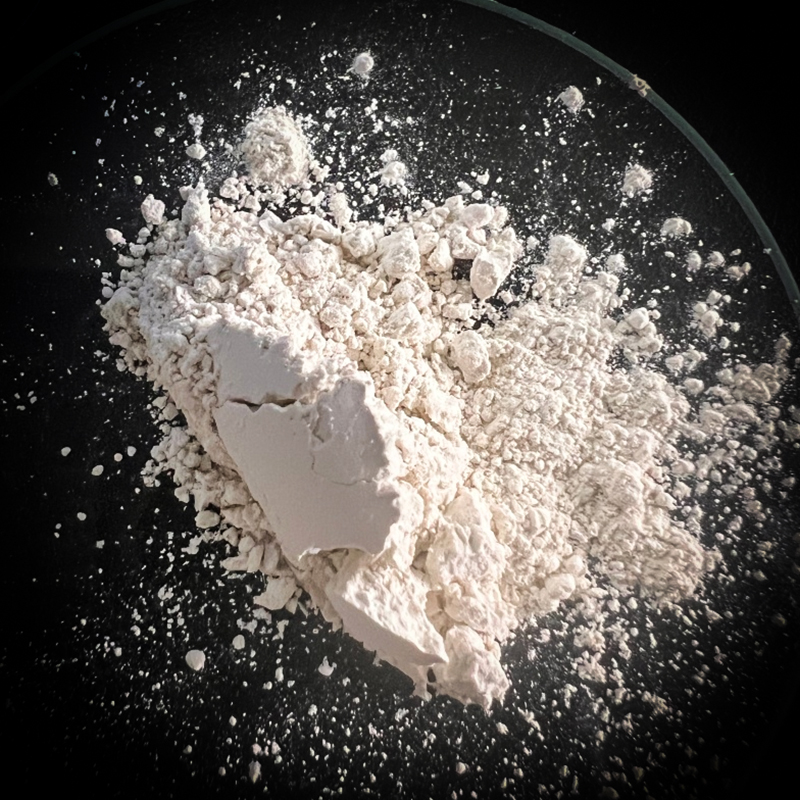
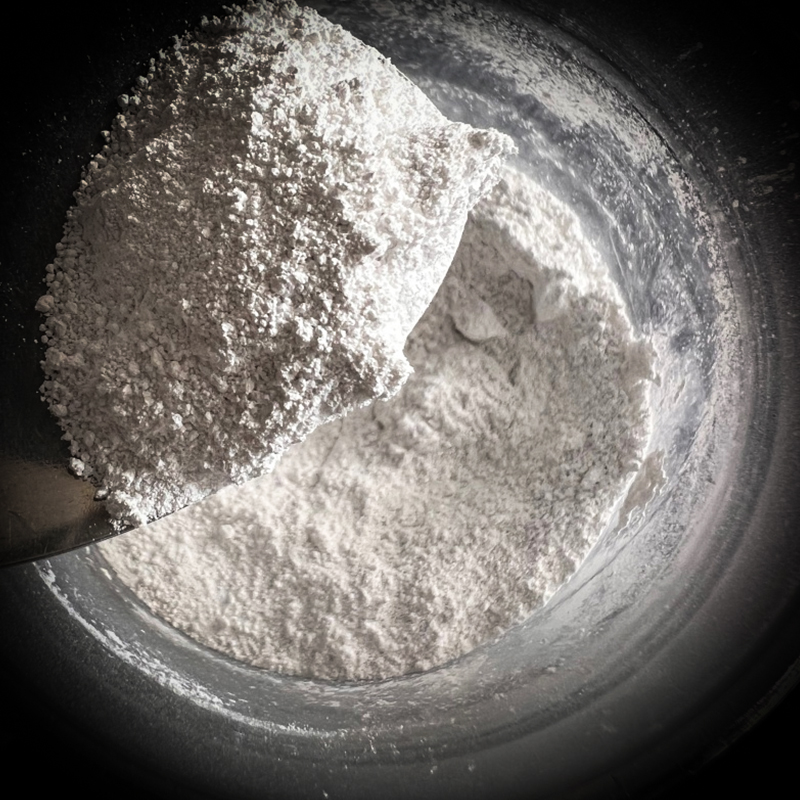
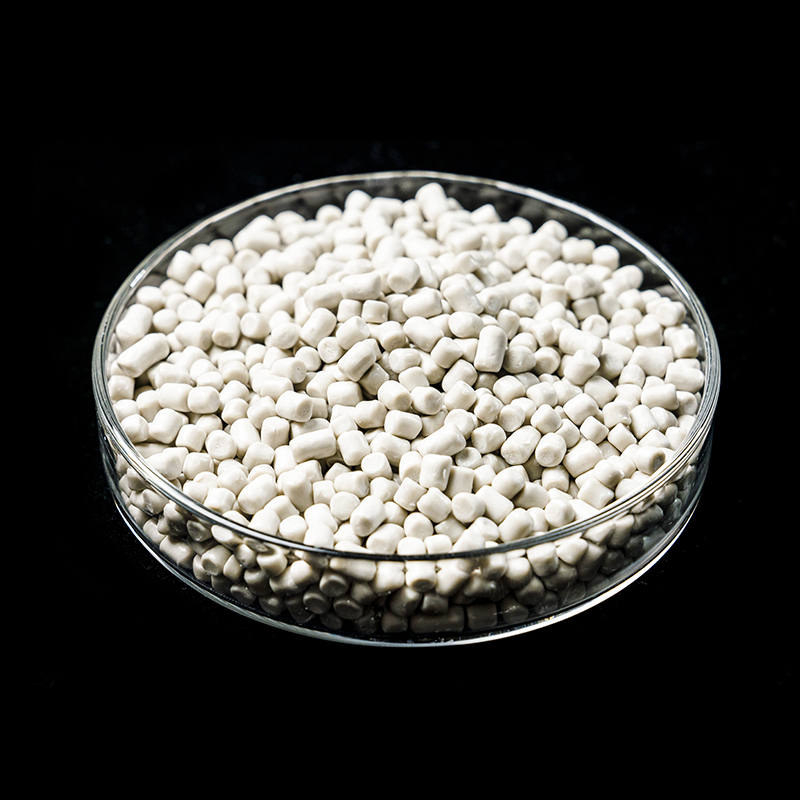
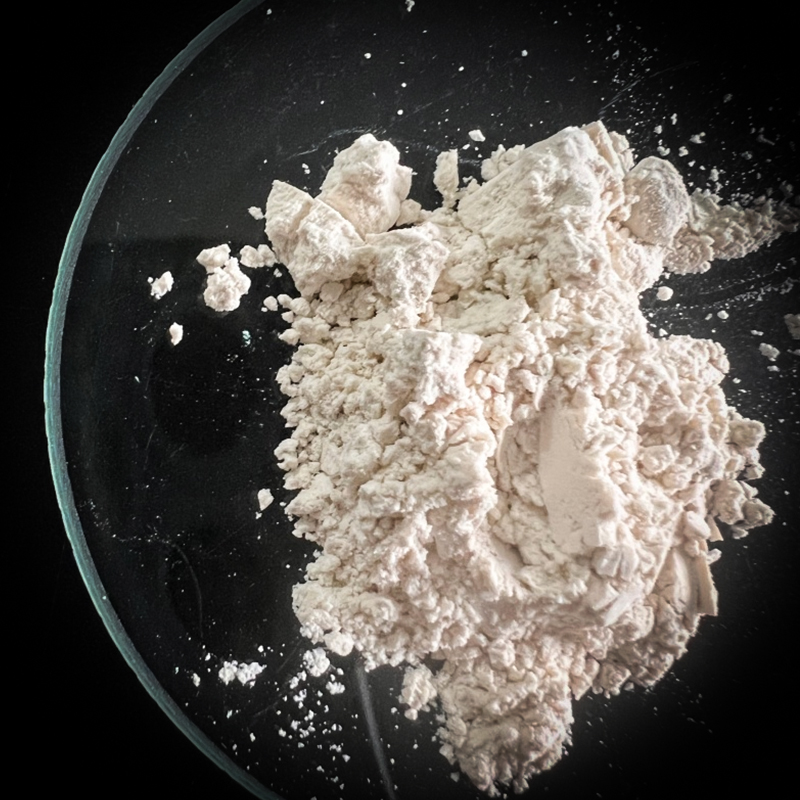
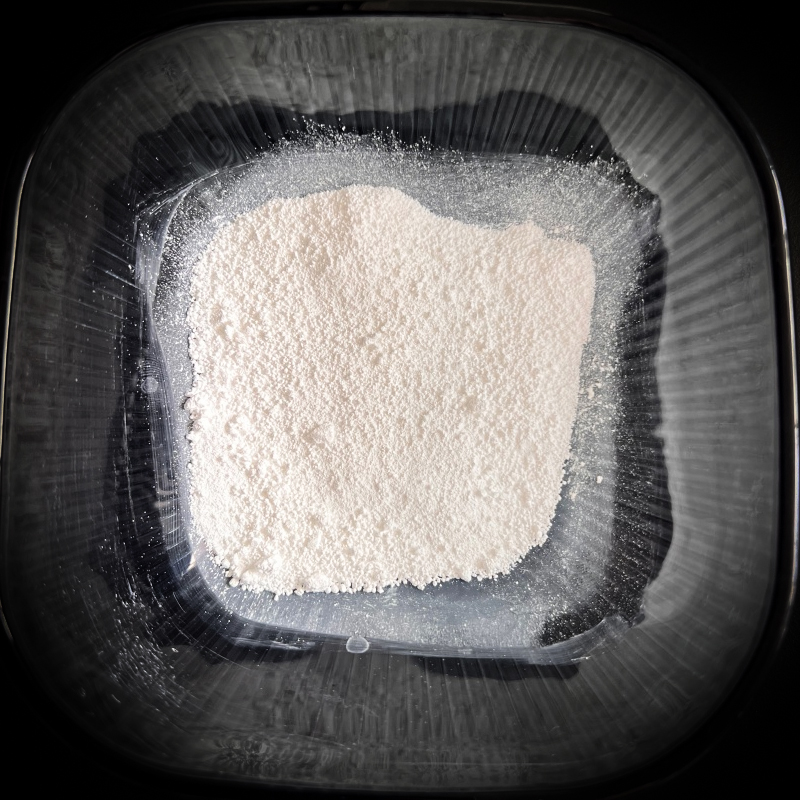
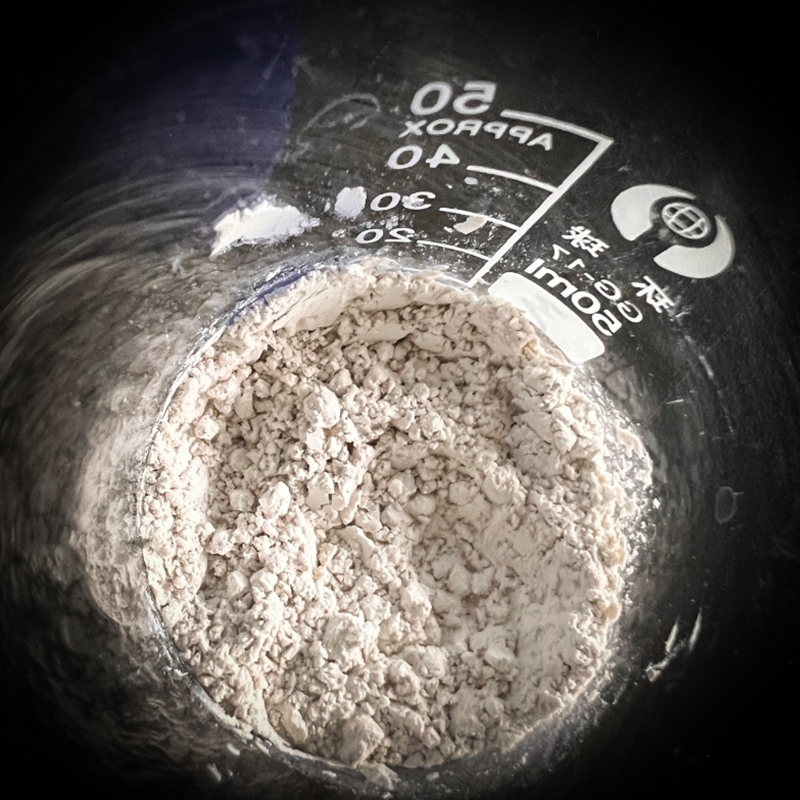
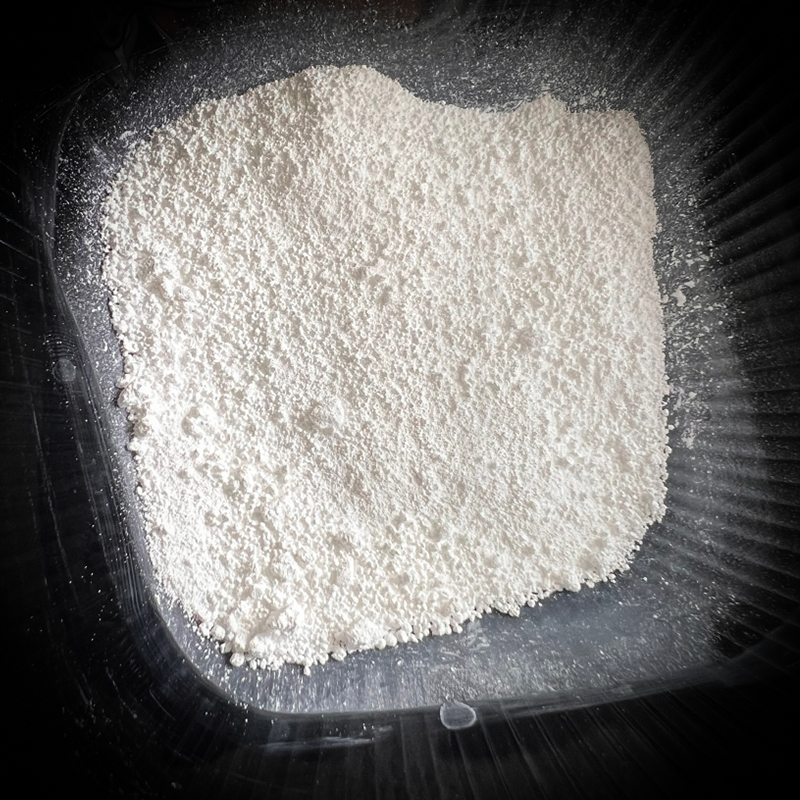
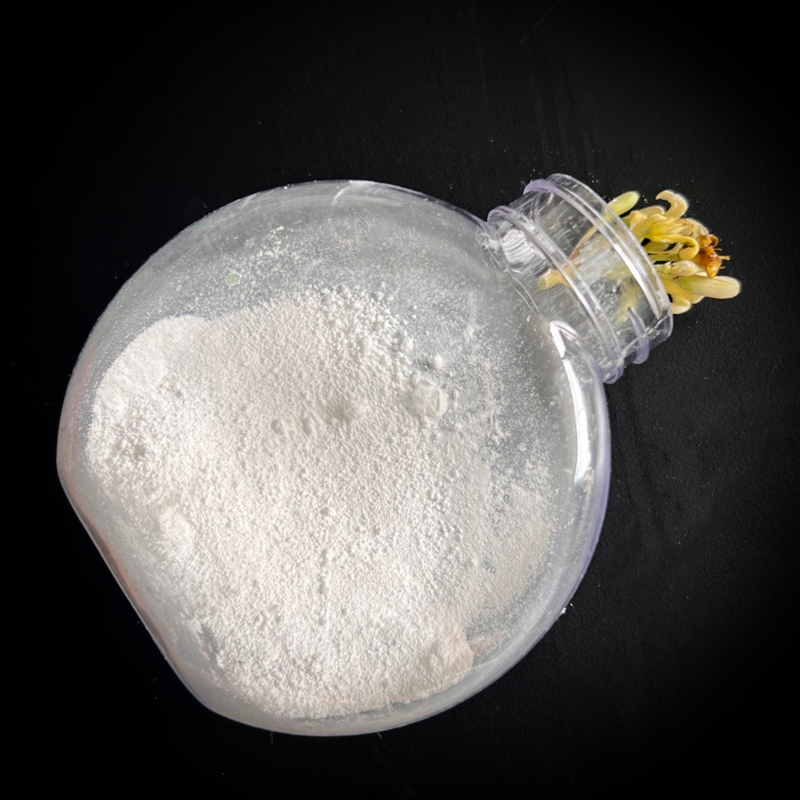
Fire retardants, flame-retardant masterbatches, and char-forming agents can be used in PVC, low-smoke and halogen-free, and flame-retardant PE cable materials.
Recommended Products

Industry Knowledge
Synthetic Versus Natural Magnesium Hydroxide: Why Cable Compounders Increasingly Specify Synthetic Grades
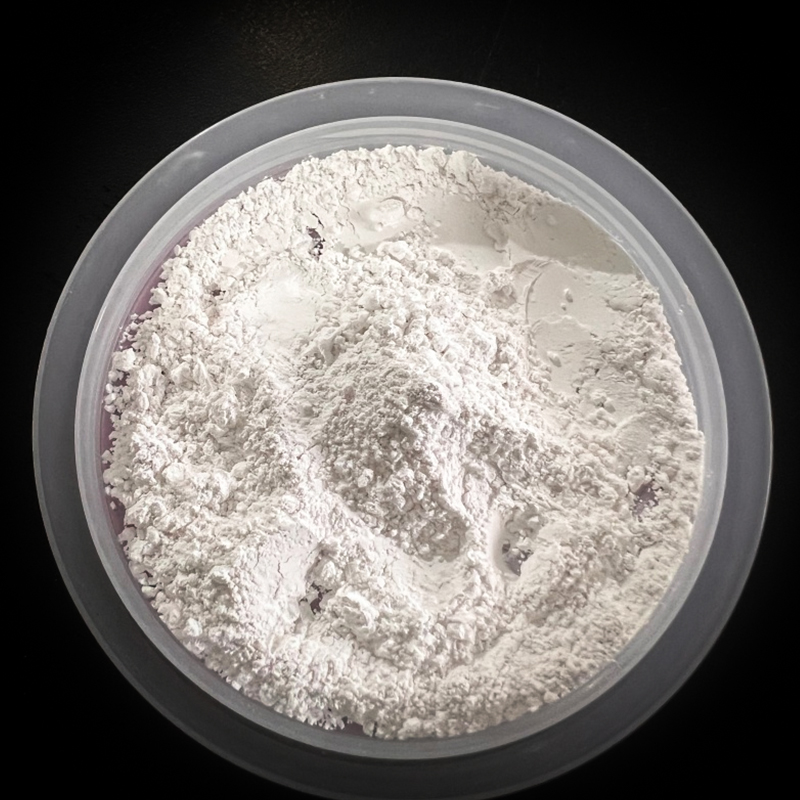
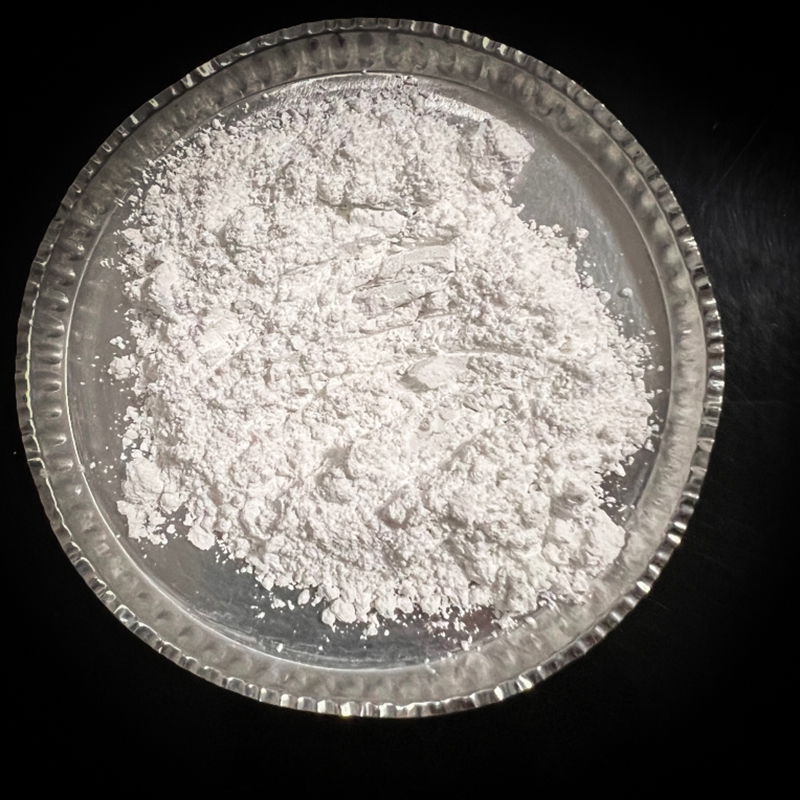
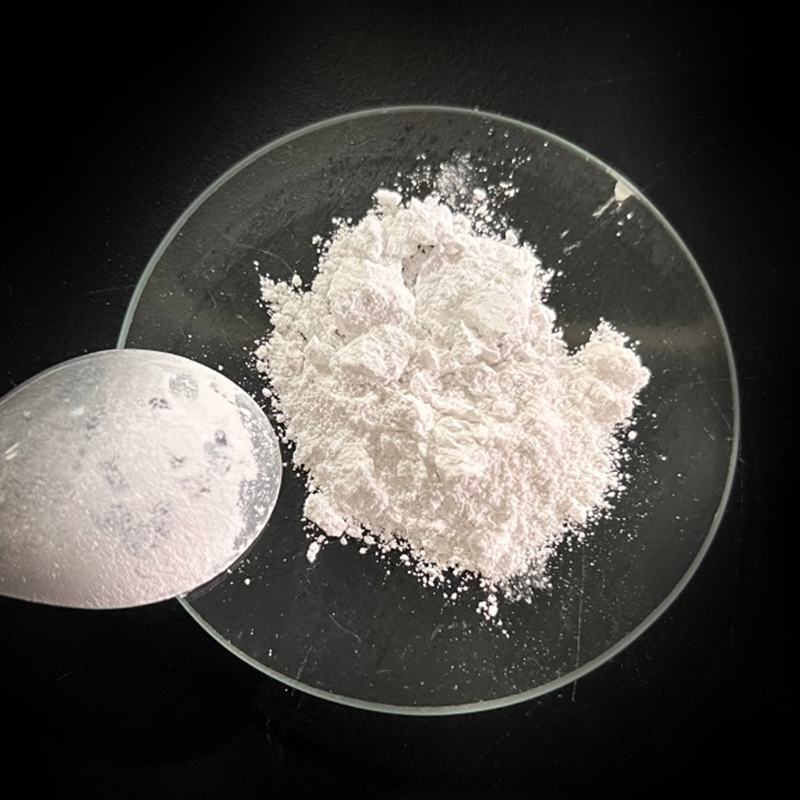
Magnesium hydroxide used in flame retardant cable compounds can be sourced either from natural mineral deposits, typically brucite, or produced synthetically through precipitation reactions from magnesium chloride or seawater-derived magnesium sources. While natural grades offer a cost advantage, synthetic magnesium hydroxide has become the preferred choice for demanding cable insulation and jacketing applications because the precipitation process allows tight control over particle size distribution, purity, and crystal morphology that naturally mined material cannot consistently match. Natural sources often carry trace impurities such as iron, calcium, or silica that can vary between mining locations and even within a single deposit, introducing batch-to-batch inconsistency that is particularly problematic in cable applications where electrical insulation properties must remain stable and predictable.
Key differences relevant to cable compound formulation
| Characteristic | Natural Magnesium Hydroxide | Synthetic Magnesium Hydroxide |
| Purity consistency | Variable, source-dependent | Consistently high, process-controlled |
| Particle size control | Limited, requires post-processing grinding | Precise, controlled during precipitation |
| Electrical insulation suitability | Moderate, trace metal content risk | High, low ionic contamination |
For medium and high-voltage cable insulation specifically, trace ionic contamination from natural sources can measurably affect long-term electrical treeing resistance, which is why synthetic grades are generally specified for these more demanding applications despite the higher raw material cost.
Particle Morphology Control and Its Effect on Cable Compound Extrusion Behavior
The precipitation process used to manufacture synthetic magnesium hydroxide allows producers to control not just particle size but also crystal morphology, typically producing a hexagonal platelet structure whose aspect ratio can be tuned during synthesis. This morphology control has a direct, practical effect on cable extrusion behavior, since platelet-shaped particles with a favorable aspect ratio tend to pack more efficiently within the polymer matrix, allowing higher loading levels to be reached with somewhat lower melt viscosity penalty compared to irregularly shaped natural mineral particles ground to a similar average size.
Practical extrusion benefits from controlled particle morphology
- Improved die swell control and more consistent cable diameter during high-speed extrusion at high mineral loading
- Reduced screw and die wear compared to angular, irregularly shaped natural mineral particles at equivalent hardness
- More predictable surface finish on the extruded cable jacket, reducing the risk of visible surface roughness at high loading
- Better line speed stability during continuous production runs, since consistent particle morphology reduces melt pressure fluctuation
Cable compounders evaluating a new synthetic magnesium hydroxide supplier should request SEM imagery alongside standard particle size distribution data, since aspect ratio and crystal habit are not always fully captured by particle size figures alone but have a real impact on extrusion line performance.
Surface Treatment Selection for Cable-Grade Magnesium Hydroxide Across Different Insulation Polymer Systems
Cable insulation and jacketing compounds span a range of base polymers, including polyethylene, EVA, and various polyolefin elastomer blends, each with different polarity characteristics that affect which surface treatment chemistry delivers optimal filler-matrix compatibility. Silane coupling agents generally provide the strongest interfacial bonding and best long-term mechanical property retention, making them the common choice for high-voltage cable insulation where sustained mechanical and electrical performance under load and thermal cycling is critical, while lower-cost stearate treatments may be adequate for less demanding jacketing applications where cost sensitivity is a bigger factor than peak mechanical retention.
Surface treatment considerations by cable application type
- High-voltage insulation layers generally benefit from silane-treated grades to support long-term electrical treeing resistance and mechanical stability under sustained load
- Low-voltage jacketing compounds can often use lower-cost stearate or titanate treatments where processing ease and cost outweigh peak mechanical performance requirements
- Cross-linked polyethylene (XLPE) systems require surface treatment chemistry that does not interfere with the peroxide or silane cross-linking mechanism itself
- Halogen-free flexible cable compounds used in rail and marine applications often need a treatment balance that supports both flexibility retention and moisture resistance simultaneously
Requesting cure compatibility data when specifying magnesium hydroxide for a cross-linkable cable compound is particularly important, since certain surface treatment chemistries can interfere with peroxide or silane cross-linking reactions in ways that are not always obvious from a standard flame retardant datasheet.
Long-Term Electrical Aging Performance in Magnesium Hydroxide-Filled Cable Insulation
Cable insulation is expected to maintain reliable electrical performance over service lifetimes often spanning decades, and magnesium hydroxide loading at the levels typically needed for flame retardancy, generally 50-60% in polyolefin systems, introduces a substantial filler-polymer interface that becomes a focal point for long-term electrical aging mechanisms such as water treeing and partial discharge activity. Synthetic grades with tightly controlled purity and consistent surface treatment coverage generally perform better under accelerated aging protocols than lower-purity alternatives, since fewer ionic impurities and more uniform interfacial bonding reduce the initiation sites where treeing damage typically begins.
Aging performance factors worth evaluating during supplier qualification
- Water treeing resistance under accelerated wet electrical aging test protocols, particularly relevant for buried or wet-location cable applications
- Partial discharge inception voltage stability after thermal cycling, which can reveal filler-related interfacial weaknesses not apparent in initial testing
- Dielectric loss stability over extended thermal aging duration, since some filler and surface treatment combinations show gradual dielectric property drift
- Ionic contamination levels, particularly chloride and sulfate content, since these directly correlate with accelerated water treeing initiation in filled polyolefin insulation
Cable manufacturers supplying utility or infrastructure customers with multi-decade service life expectations should request long-term accelerated aging data specific to the magnesium hydroxide grade being used, since standard short-term flame and mechanical qualification alone does not adequately predict decades-scale electrical aging behavior.
Meeting Low Smoke Zero Halogen Standards With Synthetic Magnesium Hydroxide Systems
Low Smoke Zero Halogen cable compounds, widely specified for rail, marine, mass transit, and building applications where dense smoke or toxic gas generation during a fire poses a serious life-safety risk, rely heavily on magnesium hydroxide as the primary flame retardant mechanism precisely because its combustion byproduct is water vapor rather than the corrosive and toxic gases associated with halogenated systems. Meeting LSZH standards requires more than simply removing halogens from the formulation, however, since the same standards typically also impose specific smoke density and acid gas emission limits that the magnesium hydroxide loading level and purity directly influence.
Formulation factors affecting LSZH compliance
- Total magnesium hydroxide loading needs to be sufficient not just for flame rating but also for the specific smoke density limit specified in the applicable standard
- Purity level directly affects acid gas emission testing results, since impurities can contribute to unwanted combustion byproducts even in an otherwise halogen-free formulation
- Particle size and dispersion quality influence smoke density test results, since poor dispersion can create localized zones with inadequate flame suppression that contribute disproportionately to overall smoke generation
- Compatibility with any synergist additives used to reduce total loading needs to be verified against the specific smoke and toxicity standard being targeted, not just the flame rating
Rail and mass transit cable programs in particular often reference specific regional standards such as EN 45545 or NFPA 130, and formulators should confirm which exact standard and hazard level classification applies to their project, since smoke and toxicity requirements can vary meaningfully between standards even for outwardly similar LSZH cable products.
Supplier Qualification Practices for High-Volume Cable Compound Programs
Cable manufacturers running high-volume production lines depend on consistent magnesium hydroxide supply not just for initial formulation qualification but for sustained performance across potentially thousands of tons of production over a program's lifetime, making supplier production capacity and quality control infrastructure as relevant to the sourcing decision as the initial material specification itself. A supplier's ability to maintain consistent particle size distribution, surface treatment coverage, and purity across large production volumes, rather than only in small qualification samples, is what ultimately determines whether a cable program experiences stable production or recurring formulation troubleshooting.
Supplier evaluation criteria for high-volume cable programs
- Production capacity and dedicated line availability sufficient to support the cable manufacturer's forecasted annual volume without capacity conflicts from other customers
- Documented batch-to-batch consistency data across multiple historical production runs, not just a single qualification sample certificate
- In-house application testing laboratory capability to support formulation troubleshooting and adjustment without lengthy external testing turnaround times
- Technical support responsiveness for resolving processing or performance issues that arise during scale-up from qualification trials to full production volume
Suppliers with established high-purity, ultra-fine production lines and a track record of industry-university research collaboration on flame retardant optimization are generally better positioned to support the sustained technical partnership that high-volume cable programs require over their multi-year production lifecycle.
Let'S Work Together Welcome Aboard!
-
Oversea Sales: mayuqin@zhuofengfr.com
Company email: rikkima@zhuofengfr.com
-
WhatsApp: +86 18105180388
-
Address: No. 5, Wutai Road, Dongba Street, Gaochun District, Nanjing City, Jiangsu Province, China
Join Our Mailing List
Product Categories
Quick Links
Quick Links
Copyright © Jiangsu Zhuofeng New Materials Technology Co., Ltd.
All Rights Reserved.
 Flame-Retardant Cables Hydroxide Flame Retardant Masterbatch Manufacturers
Flame-Retardant Cables Hydroxide Flame Retardant Masterbatch Manufacturers