
 English
 Tiếng Việt

Triethyl Phosphate: Properties, Flame Retardant Uses, and Modern Alternatives
Triethyl Phosphate: Properties, Flame Retardant Uses, and Modern Alternatives
Triethyl Phosphate: Properties, Flame Retardant Uses, and Modern Alternatives
Triethyl Phosphate: Properties, Flame Retardant Uses, and Modern Alternatives
Triethyl Phosphate: Properties, Flame Retardant Uses, and Modern Alternatives
Triethyl Phosphate: Properties, Flame Retardant Uses, and Modern Alternatives
Triethyl Phosphate: Properties, Flame Retardant Uses, and Modern Alternatives
Triethyl Phosphate: Properties, Flame Retardant Uses, and Modern Alternatives
Triethyl Phosphate: Properties, Flame Retardant Uses, and Modern Alternatives
Triethyl Phosphate: Properties, Flame Retardant Uses, and Modern Alternatives
Triethyl Phosphate: Properties, Flame Retardant Uses, and Modern Alternatives
Triethyl Phosphate: Properties, Flame Retardant Uses, and Modern Alternatives
Triethyl Phosphate: Properties, Flame Retardant Uses, and Modern Alternatives
Triethyl Phosphate: Properties, Flame Retardant Uses, and Modern Alternatives
Triethyl Phosphate: Properties, Flame Retardant Uses, and Modern Alternatives
Triethyl Phosphate: Properties, Flame Retardant Uses, and Modern Alternatives

Industry News
Home / News / Industry News / Triethyl Phosphate: Properties, Flame Retardant Uses, and Modern Alternatives
Product Category
NEW Category
Featured NEWS
- Green Flame-Retardant New Core: Efficient and Environmentally Friendly Char-forming Agent Facilitates the Upgrading of Halogen-Free Flame-Retardant Technology.
- Custom Elastomer Materials for Flame Retardant TPE and Rubber
- Flame Retardant Formulations: How to Choose the Right Additive System for Polyme
Triethyl Phosphate: Properties, Flame Retardant Uses, and Modern Alternatives
Content
Triethyl phosphate (TEP) is an organophosphorus compound that has been a workhorse in multiple industries for decades. As a clear, colorless liquid with a mild odor, it is valued for its versatility as a solvent, plasticizer, resin modifier, and especially as a flame retardant. In our years of working with flame retardant materials, we have seen TEP used extensively in polymers, coatings, and adhesives. However, the growing demand for more sustainable and efficient solutions has led to the development of advanced alternatives. In this article, we break down what triethyl phosphate is, how it functions in fire safety, and what modern options exist for manufacturers who want to stay ahead.
What Is Triethyl Phosphate?
Triethyl phosphate has the molecular formula (C₂H₅)₃PO₄ and a CAS number of 78-40-0. It is produced by reacting phosphorus oxychloride with ethanol, followed by purification. The liquid is soluble in most organic solvents and slowly dissolves in water. Its flash point is around 115°C, and it is classified as combustible but not highly flammable. These properties make it relatively safe to handle in industrial settings when proper protocols are followed.
In terms of physical properties, TEP has a molecular weight of 182.15 g/mol, a boiling point of approximately 215°C, and a density of about 1.07 g/cm³. It is stable under normal conditions but should be kept away from strong oxidizing agents. For safety data sheets and detailed regulatory information, sources such as the NIST Chemistry WebBook and CAMEO Chemicals provide reliable reference material.
From an application standpoint, TEP is widely used as a flame retardant additive in engineering plastics, polyurethane foams, and textile coatings. It acts as a plasticizer in PVC and other polymers while imparting flame retardancy through a condensed-phase mechanism. When heated, TEP promotes char formation, which insulates the underlying material and reduces heat release.
Triethyl Phosphate as a Flame Retardant
In the flame retardant industry, triethyl phosphate is often used as a synergist or co-additive. It works well with halogenated compounds but is also effective in halogen-free systems when combined with other phosphorus-based additives. The primary advantage of TEP is its liquid form, which allows easy mixing in solvent-borne coatings and adhesives. However, its relatively low molecular weight means it can migrate over time, potentially reducing long-term fire performance.
At Jiangsu Zhuofeng New Materials Technology Co., Ltd., we have evaluated TEP and similar organophosphates in many customer formulations. We have found that while they provide initial flame retardancy, the industry is moving toward more robust and environmentally friendly solutions. Modern regulations, such as REACH and RoHS, are pushing manufacturers to reduce volatile organic compounds (VOCs) and avoid substances that may accumulate in the environment. Triethyl phosphate, though not heavily restricted, is increasingly being replaced by polymeric or mineral-based alternatives that offer better permanence and lower toxicity.
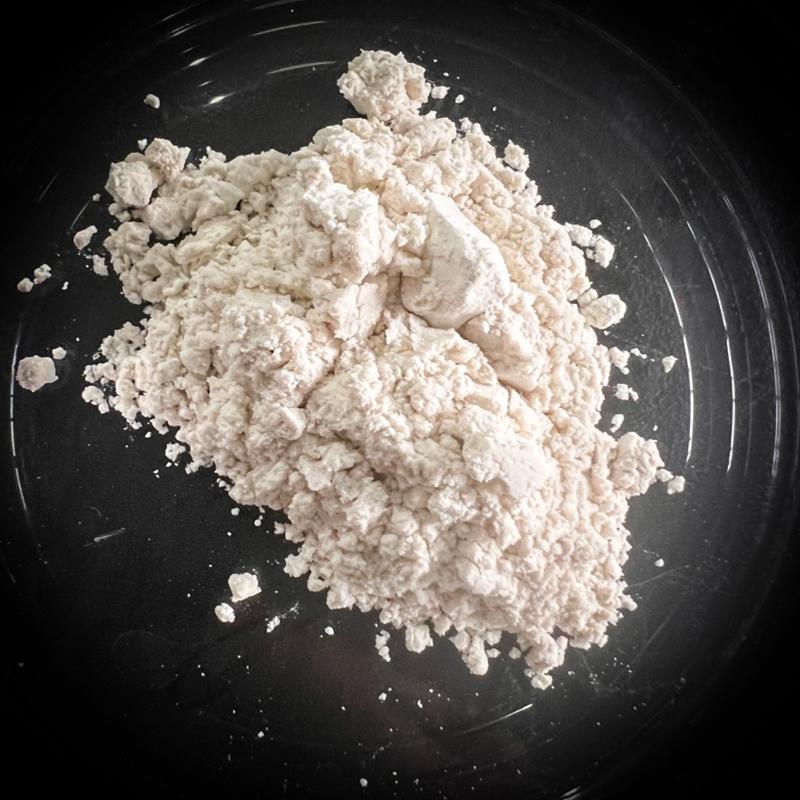
For example, in PVC films and cables, TEP can be partially substituted with our 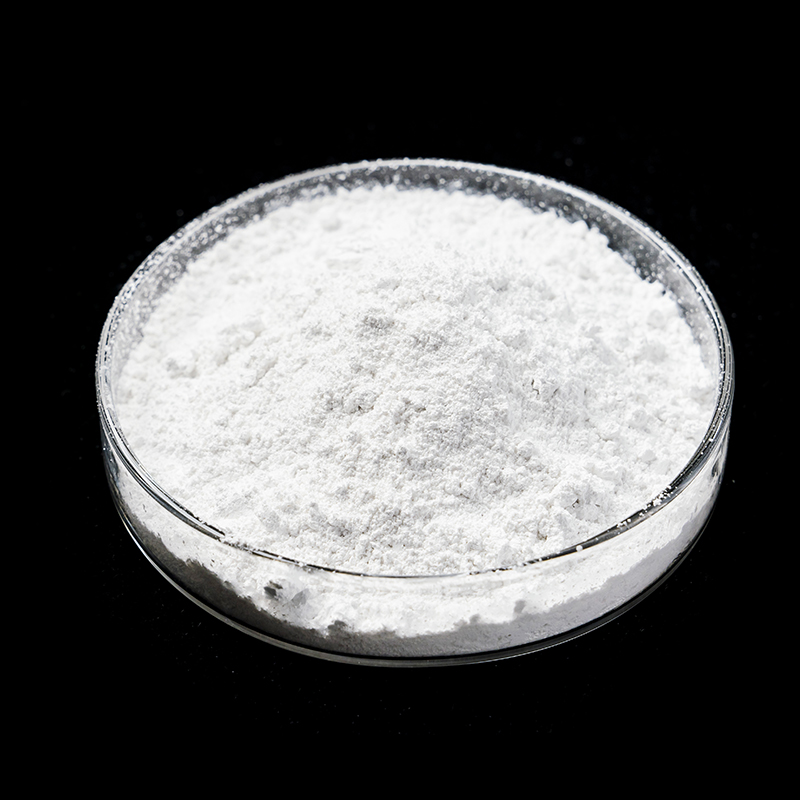 Economical Eco-Friendly Composite Flame Retardant for PVC Film ZF-V20ZF-V20 is an eco-friendly, cost-effective composite flame retardant that complies with environmental regulations such as RoHS and REACH. It is suitable for use in flam...View Product → economical eco-friendly composite flame retardant, which provides comparable flame retardancy with improved processing stability. Similarly, in ink and coating applications, halogen-free phosphorus-nitrogen systems have demonstrated superior charring performance without the migration issues of liquid organophosphates.
Advanced Alternatives and Modern Solutions
Based on our experience in flame retardant R&D and production, the next generation of fire-safe materials demands more than just adding a chemical to the mix. It requires a holistic approach that considers thermal stability, compatibility with the polymer matrix, environmental footprint, and regulatory compliance. Here are three advanced alternatives that are gaining traction:
Eco-Friendly Composite Flame Retardants for PVC and Films
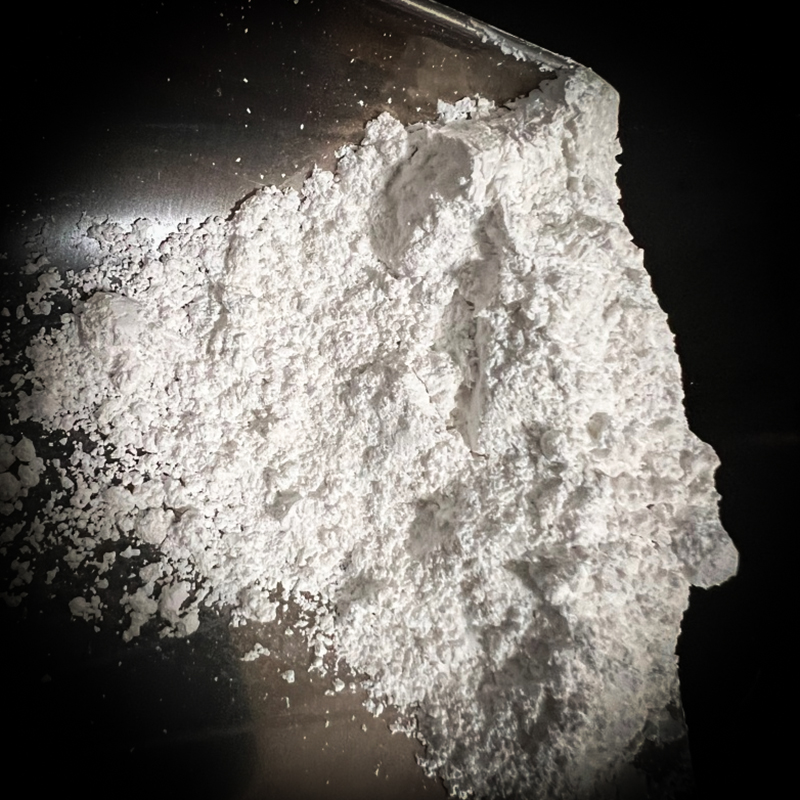
For flexible PVC and film applications, we have developed a series of antimony trioxide (ATO) replacement products. These composite flame retardants are free from antimony and heavy metals, yet they achieve excellent flame retardancy in PVC, conveyor belts, and cable compounds. One example is our High-Efficiency Antimony-Synergist Composite Flame Retardant for Conveyor Belts ZF-V90ZF-V90 is a highly efficient, antimony-based composite flame retardant that complies with environmental regulations such as RoHS and REACH. It features excellent dispe...View Product → high-efficiency synergist composite flame retardant, which can be used to reduce the total loading of flame retardant additives while maintaining UL 94 V-0 ratings.
Halogen-Free Flame Retardants for Inks and Adhesives
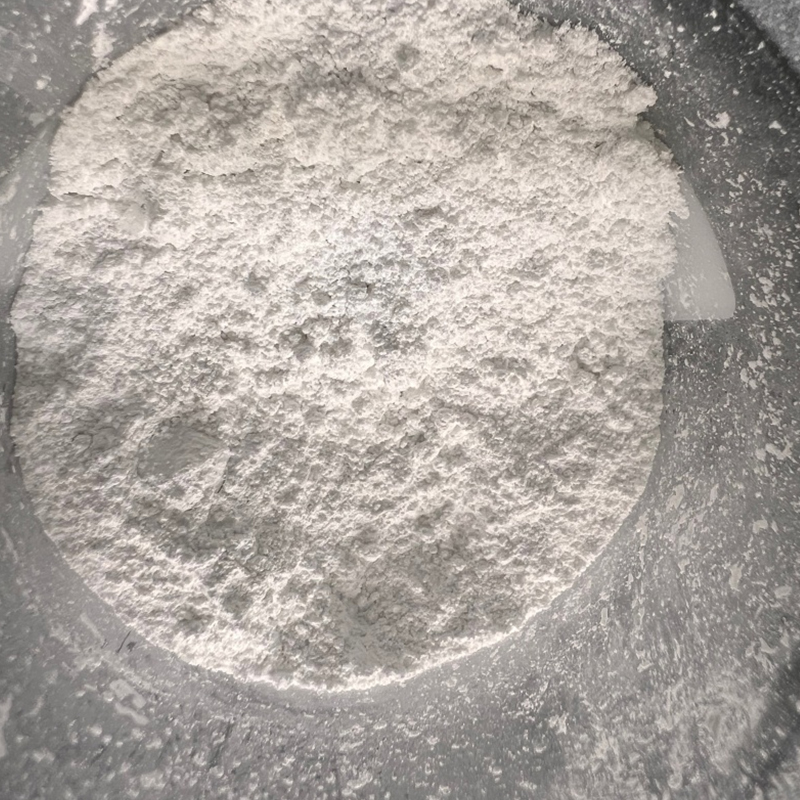
In the printing and adhesive industries, liquid flame retardants like TEP have been common. However, our Halogen-Free P-N High-Whiteness Flame Retardant for Ink ZF-YM-20ZF-YM-20 is a halogen-free, eco-friendly phosphorus-nitrogen flame retardant that complies with environmental regulations such as RoHS and REACH. It features excellent...View Product → halogen-free phosphorus-nitrogen flame retardant for inks offers a solid, non-migratory solution that works in both water-based and solvent-based systems. It provides high whiteness and excellent thermal stability, making it ideal for white inks and coatings where color consistency is critical.
Custom Elastomer and Plastic Solutions
For engineering plastics and thermoplastic elastomers, our product line includes dedicated flame retardants for PA, PP, and overmolding applications. These formulations are tailored to match the processing conditions and mechanical requirements of modern manufacturing. We also offer flame retardant masterbatches that simplify dosing and improve dispersion in final products.
Choosing the Right Flame Retardant for Your Application
When deciding between triethyl phosphate and newer alternatives, several factors should be considered: end-use environment (indoor vs. outdoor), processing temperature, regulatory requirements, and cost-effectiveness. For instance, in engineering plastics that require high heat resistance, TEP may volatilize during processing and lose effectiveness. In such cases, solid phosphorus-based flame retardants or mineral synergists like magnesium hydroxide are preferred.
On the other hand, if you are formulating a solvent-based adhesive that must remain stable as a liquid, TEP can still be a viable option, especially when combined with polymeric flame retardants. To optimize your system, we recommend running pilot tests with different additives. Our technical team has extensive experience in conducting application testing and can help you select the most suitable product. For more insights into material innovations, you may also read our article on optimizing fire safety with custom single-substance flame retardants.
Triethyl phosphate remains an important chemical in the flame retardant toolbox, but the landscape is evolving. As a company dedicated to high-performance, environmentally friendly flame retardants, Jiangsu Zhuofeng is actively developing and supplying alternatives that meet the dual demands of safety and sustainability. We encourage you to explore our product range and reach out to our technical support for guidance tailored to your specific process.
PREV:No previous article
NEXT:Why Did Jiangsu Zhuofeng Exhibit Flame Retardants at ACLE 2026 in Shanghai?
NEXT:Why Did Jiangsu Zhuofeng Exhibit Flame Retardants at ACLE 2026 in Shanghai?
Interested in cooperation or have questions?
Featured Products

Let'S Work Together Welcome Aboard!
-
Oversea Sales: mayuqin@zhuofengfr.com
Company email: rikkima@zhuofengfr.com
-
WhatsApp: +86 18105180388
-
Address: No. 5, Wutai Road, Dongba Street, Gaochun District, Nanjing City, Jiangsu Province, China
Join Our Mailing List
Product Categories
Quick Links
Quick Links
Copyright © Jiangsu Zhuofeng New Materials Technology Co., Ltd.
All Rights Reserved.
 Environmentally Friendly Flame Retardants Manufacturers
Environmentally Friendly Flame Retardants Manufacturers