
 English
 Tiếng Việt


Antimony Oxide Explained: Properties, Uses and Safer Flame Retardant Alternatives
Antimony Oxide Explained: Properties, Uses and Safer Flame Retardant Alternatives
Antimony Oxide Explained: Properties, Uses and Safer Flame Retardant Alternatives
Antimony Oxide Explained: Properties, Uses and Safer Flame Retardant Alternatives
Antimony Oxide Explained: Properties, Uses and Safer Flame Retardant Alternatives
Antimony Oxide Explained: Properties, Uses and Safer Flame Retardant Alternatives
Antimony Oxide Explained: Properties, Uses and Safer Flame Retardant Alternatives
Antimony Oxide Explained: Properties, Uses and Safer Flame Retardant Alternatives
Antimony Oxide Explained: Properties, Uses and Safer Flame Retardant Alternatives
Antimony Oxide Explained: Properties, Uses and Safer Flame Retardant Alternatives
Antimony Oxide Explained: Properties, Uses and Safer Flame Retardant Alternatives
Antimony Oxide Explained: Properties, Uses and Safer Flame Retardant Alternatives
Antimony Oxide Explained: Properties, Uses and Safer Flame Retardant Alternatives
Antimony Oxide Explained: Properties, Uses and Safer Flame Retardant Alternatives
Antimony Oxide Explained: Properties, Uses and Safer Flame Retardant Alternatives
Antimony Oxide Explained: Properties, Uses and Safer Flame Retardant Alternatives

Industry News
Home / News / Industry News / Antimony Oxide Explained: Properties, Uses and Safer Flame Retardant Alternatives
Product Category
NEW Category
Antimony Oxide Explained: Properties, Uses and Safer Flame Retardant Alternatives
Content
- 1 What Is Antimony Oxide?
- 2 Key Properties at a Glance
- 3 How Antimony Oxide Works in a Flame Retardant System
- 4 Where Antimony Oxide Is Used
- 5 How Antimony Oxide Is Produced
- 6 Safety, Regulation and Handling
- 7 The Shift Toward ATO Replacement and Composite Synergists
- 8 Choosing the Right Approach for Your Application
If you formulate flame retardant polymers, coatings or adhesives, you already know antimony oxide by its reputation. It is one of those quiet ingredients that decides whether a formulation passes a flammability test or fails it, and it has held that position for decades.
This guide covers what antimony oxide actually is, the properties that make it useful, how it behaves inside a burning polymer, where it is used, how it is produced, and why so many formulators are now evaluating antimony synergist alternatives and composite replacement grades. We have written it as a practical field guide rather than a textbook entry.
What Is Antimony Oxide?
Antimony oxide most commonly refers to antimony(III) oxide with the formula Sb2O3, also called antimony trioxide or diantimony trioxide. It is a white, crystalline, odourless solid with a molar mass of about 291.52 g/mol, and it is practically insoluble in water. A pentoxide form, Sb2O5, exists in a handful of niche uses, but when industry says "antimony oxide" it almost always means the trioxide.
In nature the compound occurs in the minerals valentinite and senarmontite, and it forms as a weathering product of stibnite, an antimony sulfide ore. Commercially it is produced by oxidising antimony metal or by roasting stibnite concentrate and refining the resulting oxide. The material reaches the market as a fine white powder, and modern supply chains offer a broad range of particle size distributions, from standard grades through ultrafine powders built for demanding dispersion requirements.
Key Properties at a Glance
Most of the technical value of antimony trioxide comes from a small set of physical and chemical characteristics. The table below summarises the figures that matter when you compare grades or write a specification.
| Property | Typical value or description |
|---|---|
| Chemical formula | Sb2O3 |
| Molar mass | 291.52 g/mol |
| Appearance | White crystalline powder or solid |
| Odour | Odourless |
| Water solubility | Practically insoluble |
| Melting point | Approximately 655 degrees Celsius |
| Density | Approximately 5.2 g/cm3 |
| Primary function | Flame retardant synergist in halogenated systems |
| Main hazard | Dust inhalation and aquatic toxicity |
How Antimony Oxide Works in a Flame Retardant System
Antimony oxide is almost never a standalone flame retardant. Its real strength appears when it is paired with halogenated flame retardants, most often brominated compounds. When the treated polymer is exposed to fire, the halogen species and the antimony oxide interact to form volatile antimony halides such as antimony tribromide. Those species migrate into the gas phase and intercept the highly reactive hydrogen and hydroxyl radicals that would otherwise sustain the radical chain reaction of combustion.
The practical result is efficiency. Because antimony works as a synergist rather than as the primary flame retardant, formulators can often reach a target flame rating with a lower total loading of the more expensive halogenated additive. A common starting point in halogen systems is roughly one part antimony trioxide to three parts halogen by weight, although the optimum shifts with the polymer, the processing temperature and the flammability standard being targeted.
It is worth being clear about where antimony oxide does not help. In halogen-free systems built on aluminium hydroxide, magnesium hydroxide, phosphorus chemistry or intumescent char formation, antimony has no strong synergy, and adding it usually buys nothing except cost and extra compliance work. That distinction shapes every replacement project.
Where Antimony Oxide Is Used
Because halogenated flame retardants remain widely used, antimony oxide appears in a long list of industrial products. Typical applications include:
- Plastics and engineering resins, including PVC, polypropylene, polyethylene, ABS, polyamide and polyester compounds
- Cable and wire insulation, jacketing and cable harness assemblies
- Coatings, printing inks, sealants and pressure sensitive adhesives
- Rubber goods, conveyor belting and industrial hose
- Textiles, backcoatings and upholstery
- Ceramics, glass and enamels, where it also acts as an opacifier
- Catalysts, including some polyester polymerisation processes
In several of these segments, particularly engineering plastics for electrical and electronic components, the material is chosen less for its own properties than for the balance it creates with the rest of the flame retardant package.
How Antimony Oxide Is Produced
Two commercial routes dominate. The first is direct oxidation of antimony metal in air, which yields a relatively clean oxide. The second starts from stibnite concentrate, which is roasted to convert the sulfide to oxide while the sulfur reports as sulfur dioxide; the oxide is then volatilised and condensed. Crude oxide from either route can be re-volatilised to remove less volatile impurities, which is how refined grades are obtained.
What matters when specifying a grade
Assay figures alone rarely tell the whole story. In polymer applications, these factors usually decide whether a grade performs as expected:
- Assay and impurity profile, especially lead, arsenic and iron content
- Particle size distribution and D50, which control dispersion and screening behaviour
- Whiteness and colour stability, particularly in light coloured compounds
- Moisture and volatile content, which affect feeding and degassing
- Batch to batch consistency, which is what keeps a validated formulation valid
Safety, Regulation and Handling
Antimony trioxide deserves respect in the plant. It is classified as a suspected human carcinogen, and chemical safety databases highlight the threat it poses to the environment as its primary hazard. Because it is insoluble in water it does not readily spread in solution, but fine dust can be inhaled and powder can be carried into drains on equipment and packaging.
Practical controls are straightforward and well understood: local exhaust ventilation at weighing and feeding points, suitable respiratory protection, closed transfer wherever possible, and no dry sweeping of spilled powder. Exposure limits and reporting obligations differ by country, and antimony trioxide appears on a number of national chemical inventories and regulatory lists, so it is worth confirming the current status for your market before a formulation is locked down.
The Shift Toward ATO Replacement and Composite Synergists
Supply of antimony raw material has been volatile for years, and pressure from regulators, customers and internal EHS teams keeps pushing formulators to look at alternatives. Some projects move to zinc borate, zinc stannate, molybdenum compounds or phosphorus chemistry. Others simply cannot leave the halogen system, because the application or the standard demands it, and for those the practical route is to cut antimony content without losing performance.
Composite antimony synergist products are built for that middle ground. Instead of straight Sb2O3, they combine an antimony active component with co-synergists and carriers so that the halogen to antimony balance works harder and the total antimony loading drops. A general purpose grade of this type is a sensible starting point for formulators who want comparable flame performance with a lighter cost and compliance footprint.
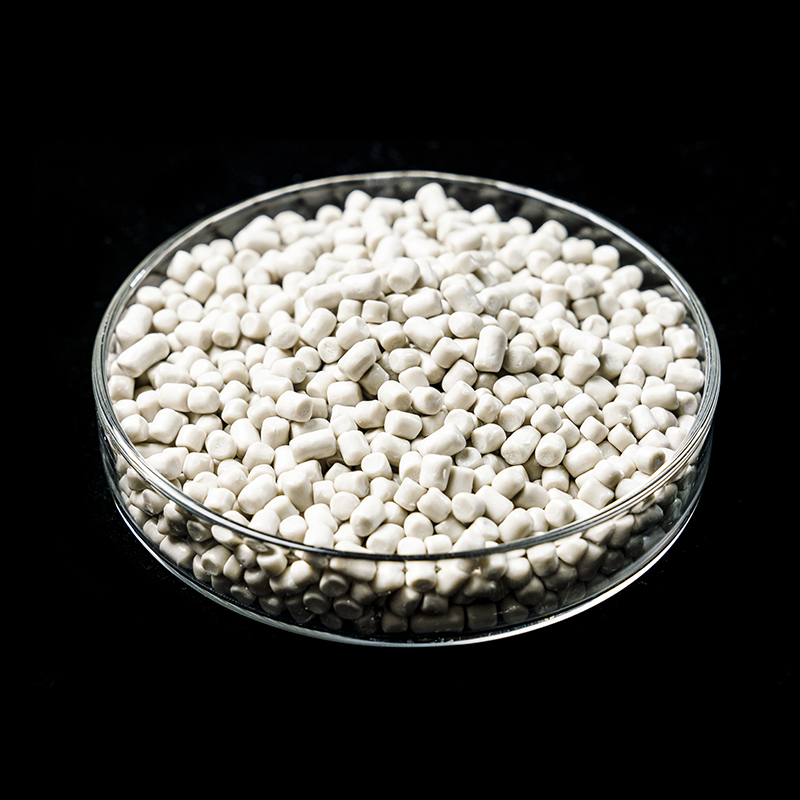
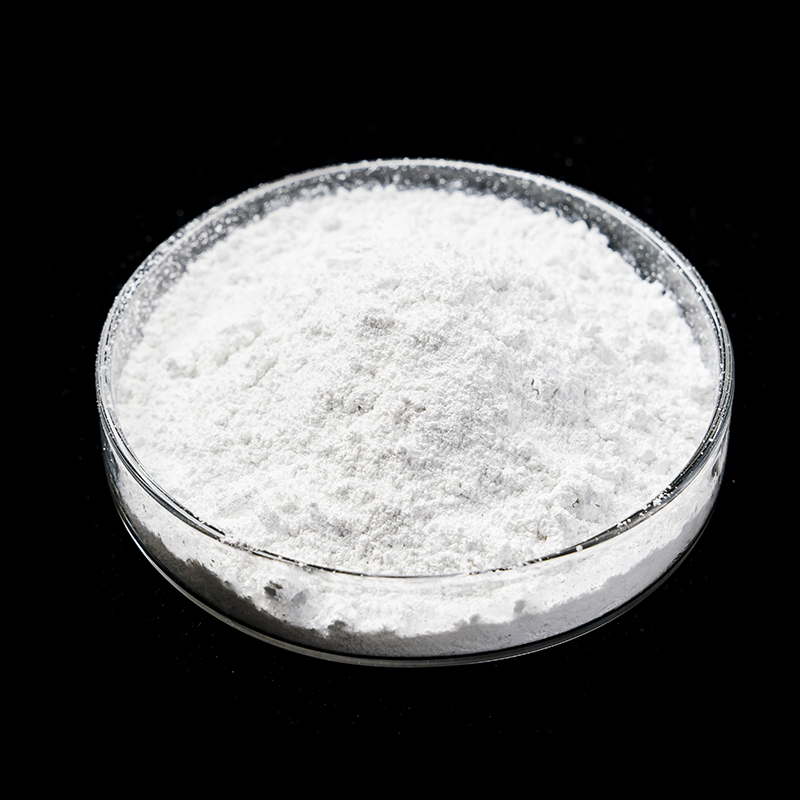 Non-Toxic Eco-Friendly High-Efficiency Antimony-Synergist Flame Retardant ZF-V80ZF-V80 is an economical, non-toxic, and eco-friendly composite flame retardant, serving as an excellent flame retardant synergist. It exhibits superior thermal stabili...View Product →
Thin section PVC film is a case where appearance matters almost as much as flame performance. Whiteness, heat stability and processability all have to survive calendering or coating, which is why a composite grade developed specifically for film and sheet applications often fits better than a straight oxide.
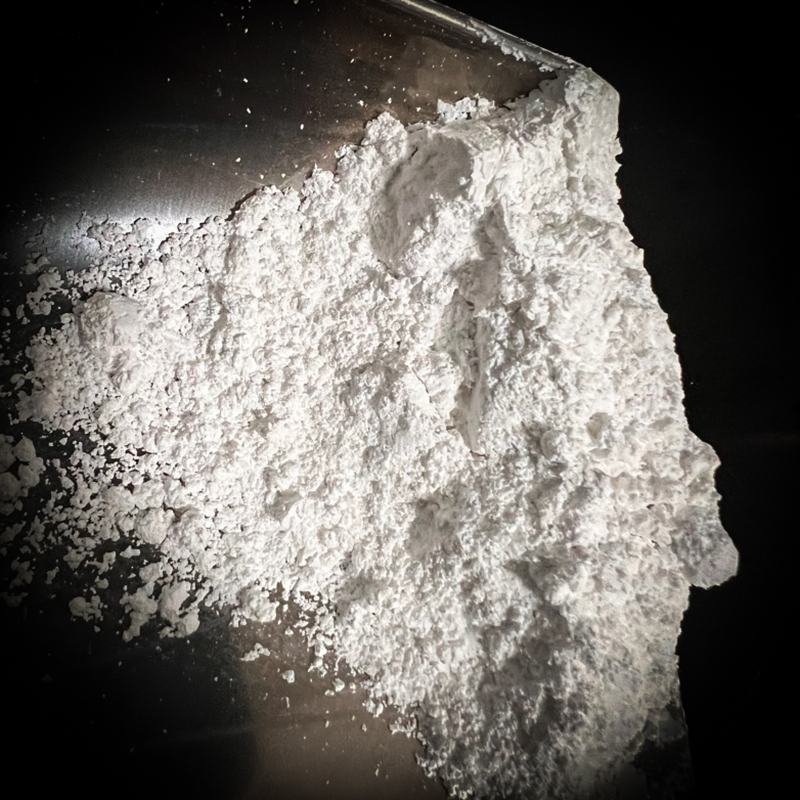
Economical Eco-Friendly Composite Flame Retardant for PVC Film ZF-V20ZF-V20 is an eco-friendly, cost-effective composite flame retardant that complies with environmental regulations such as RoHS and REACH. It is suitable for use in flam...View Product →
Rubber conveyor belting sits at the other end of the scale. Belt compounds run thick, cure under pressure and are expected to keep working for years underground or in a processing plant, so the flame retardant package has to be robust and predictable. Here a high efficiency antimony synergist composite gives belt formulators a way to hold the fire rating while managing raw material risk.
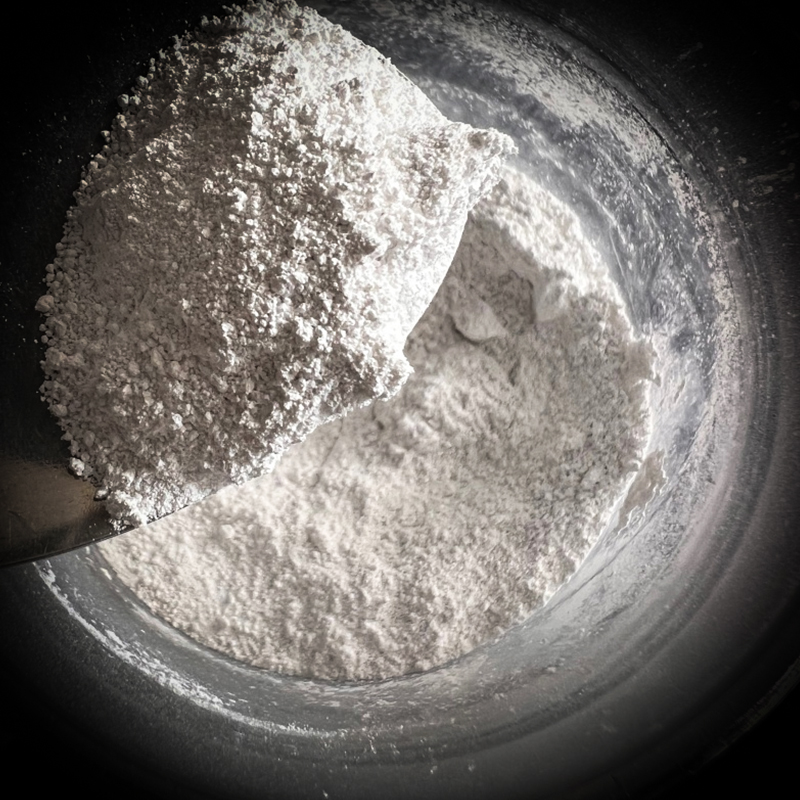
High-Efficiency Antimony-Synergist Composite Flame Retardant for Conveyor Belts ZF-V90ZF-V90 is a highly efficient, antimony-based composite flame retardant that complies with environmental regulations such as RoHS and REACH. It features excellent dispe...View Product →Choosing the Right Approach for Your Application
Before changing anything, define the target. A replacement decision that ignores the test method, the processing window or the colour requirement usually returns as a customer complaint. A short checklist keeps the project honest:
- Confirm the flammability standard and the exact pass criteria
- Map the current halogen to antimony ratio in the existing formulation
- Check whether the polymer can tolerate higher mineral or char forming loadings
- Validate mechanical properties, ageing and electrical performance, not only flame results
- Run trials at production-representative shear and temperature
- Review labelling, documentation and customer notification obligations
Our application laboratory was set up for exactly this stage, and it is where most of the useful answers come from: a small trial that shows how a composite synergist actually disperses in your resin, rather than a datasheet promise.
Antimony oxide remains one of the most effective synergists available, and for many halogenated systems it will stay in the formulation for years to come. The change is not that antimony stopped working. The change is that formulators now need more control over how much of it they use, where it comes from and how easily they can explain it to a customer, an auditor or a regulator.
If you are working through an ATO reduction or replacement project, tell us the polymer, the target rating and your current loading. We will tell you honestly whether a composite synergist makes sense for your case, and share the reasoning and data behind that recommendation.
PREV:Flame Retardant Urethane: Additives, Mechanisms, and a Practical Selection Guide
NEXT:Triethyl Phosphate: Properties, Flame Retardant Uses, and Modern Alternatives
NEXT:Triethyl Phosphate: Properties, Flame Retardant Uses, and Modern Alternatives
Interested in cooperation or have questions?
Featured Products

Let'S Work Together Welcome Aboard!
-
Oversea Sales: mayuqin@zhuofengfr.com
Company email: rikkima@zhuofengfr.com
-
WhatsApp: +86 18105180388
-
Address: No. 5, Wutai Road, Dongba Street, Gaochun District, Nanjing City, Jiangsu Province, China
Join Our Mailing List
Product Categories
Quick Links
Quick Links
Copyright © Jiangsu Zhuofeng New Materials Technology Co., Ltd.
All Rights Reserved.
 Environmentally Friendly Flame Retardants Manufacturers