
 English
 Tiếng Việt

product
product
product
product
product
product
product
product
product
product
product
product
product
product
product
product

Products
Home / Products
Product Category
Contact us
Industrial Fire Retardants Suppliers
-
Attapulgite-Based Multi-Functional Green Mineral Water Treatment Agent
-
Economical Eco-Friendly Composite Flame Retardant for PVC Film ZF-V20
-
Non-Toxic Eco-Friendly Antimony-Synergist Composite Flame Retardant ZF-V70
-
Non-Toxic Eco-Friendly High-Efficiency Antimony-Synergist Flame Retardant ZF-V80
-
High-Efficiency Antimony-Synergist Composite Flame Retardant for Conveyor Belts ZF-V90
-
Halogen-Free P-N Water-Boiling-Resistant Flame Retardant for Ink ZF-YM-10
-
Halogen-Free P-N High-Whiteness Flame Retardant for Ink ZF-YM-20
-
Halogen-Free Intumescent Flame Retardant for Fireproof Coatings ZF-JS-10
-
Halogen-Free P-N Multi-Substrate Flame Retardant for PSA ZF-JS-20
-
High-Compatibility High-Loading Magnesium Hydroxide Flame Retardant Masterbatch ZF-P-MH80
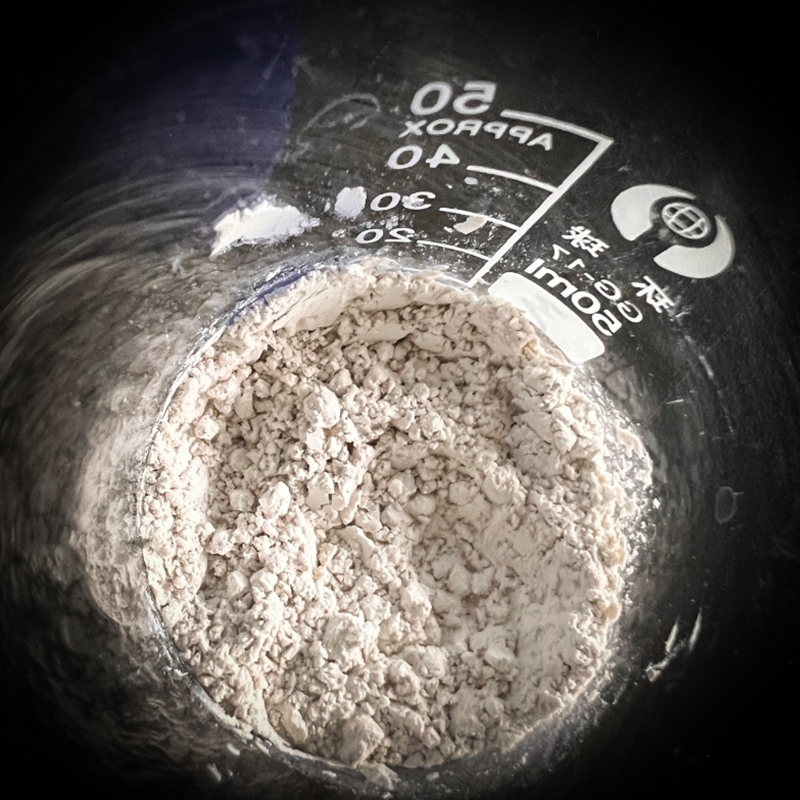
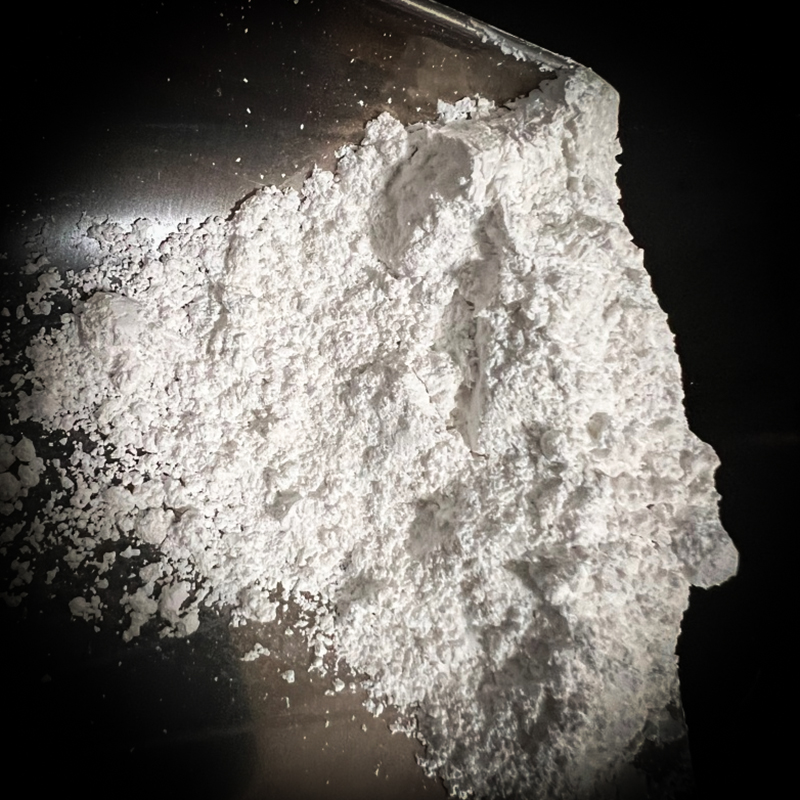
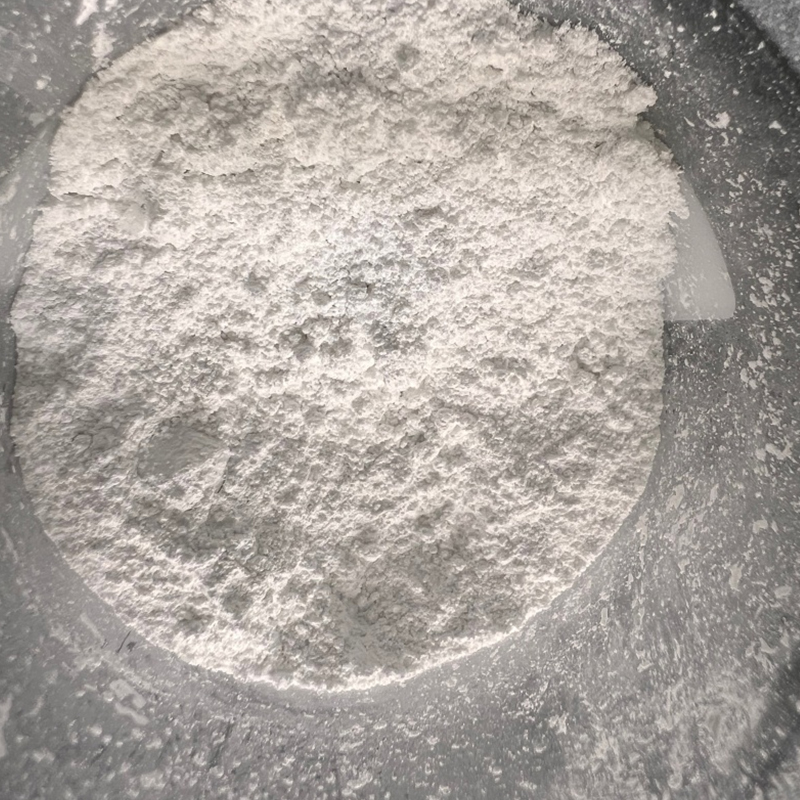
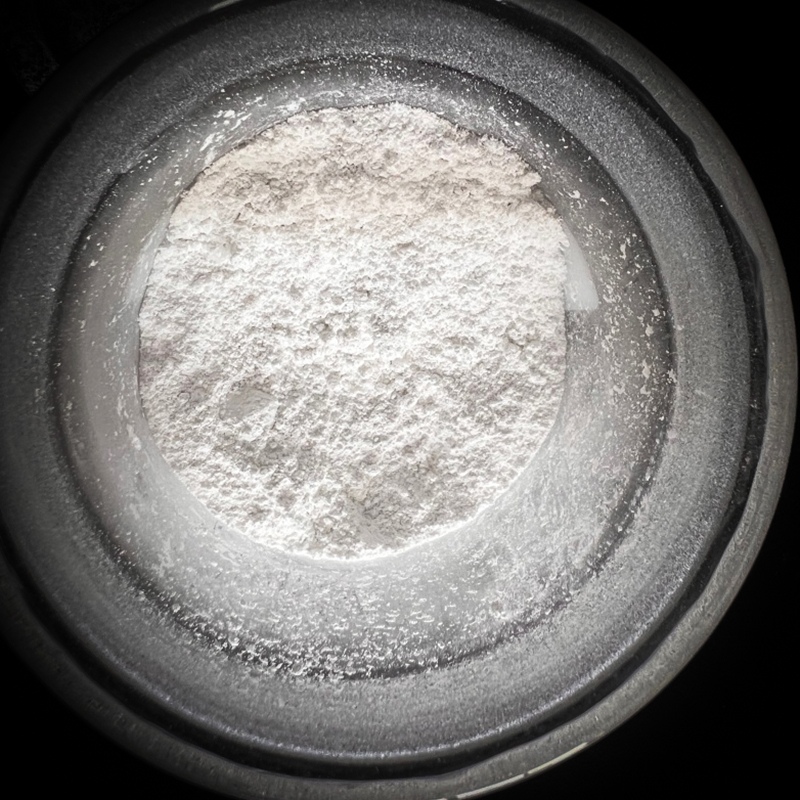
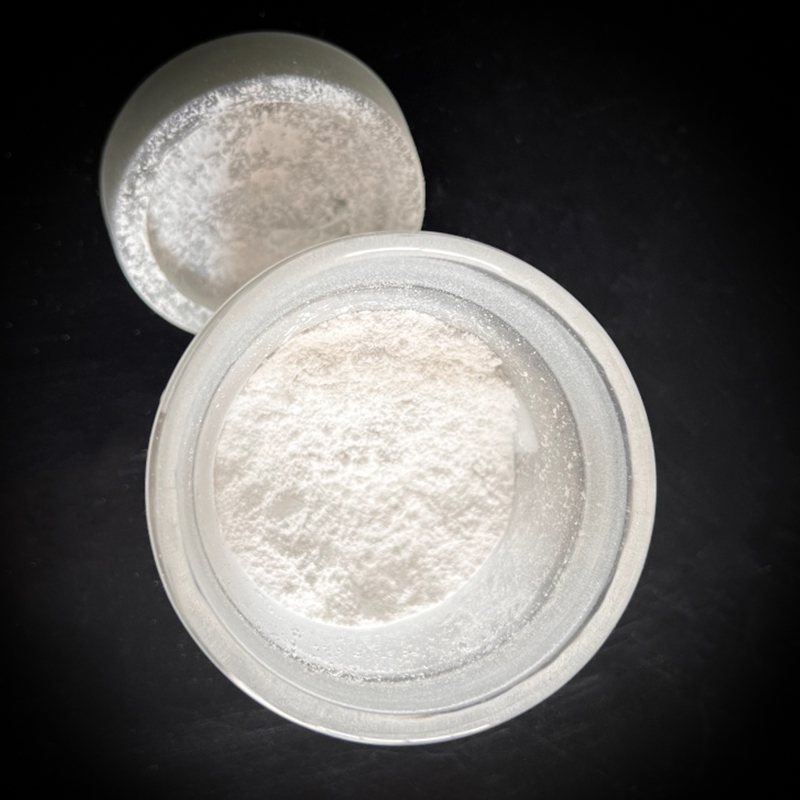
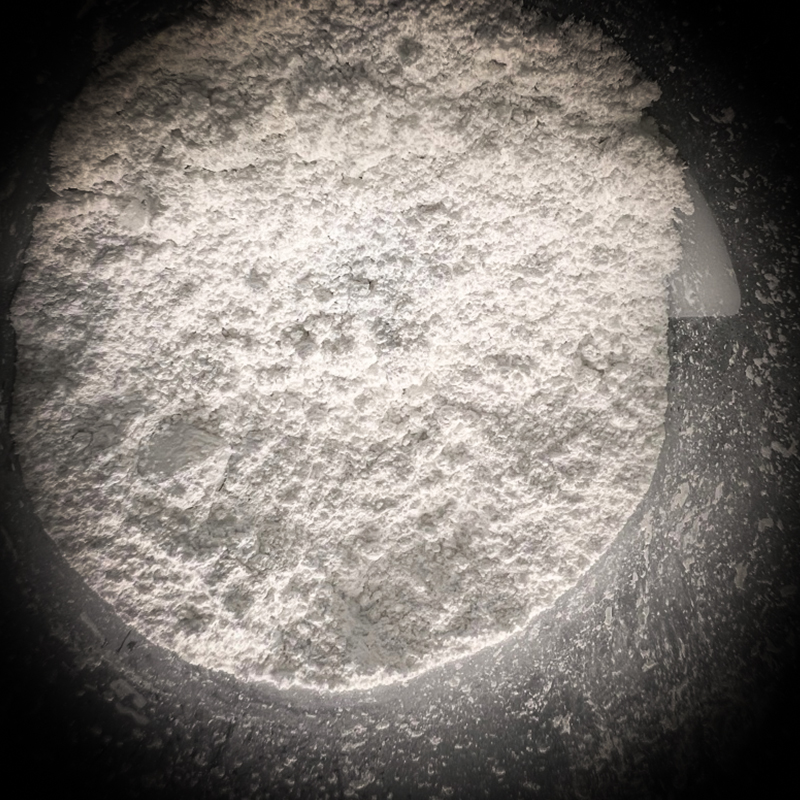
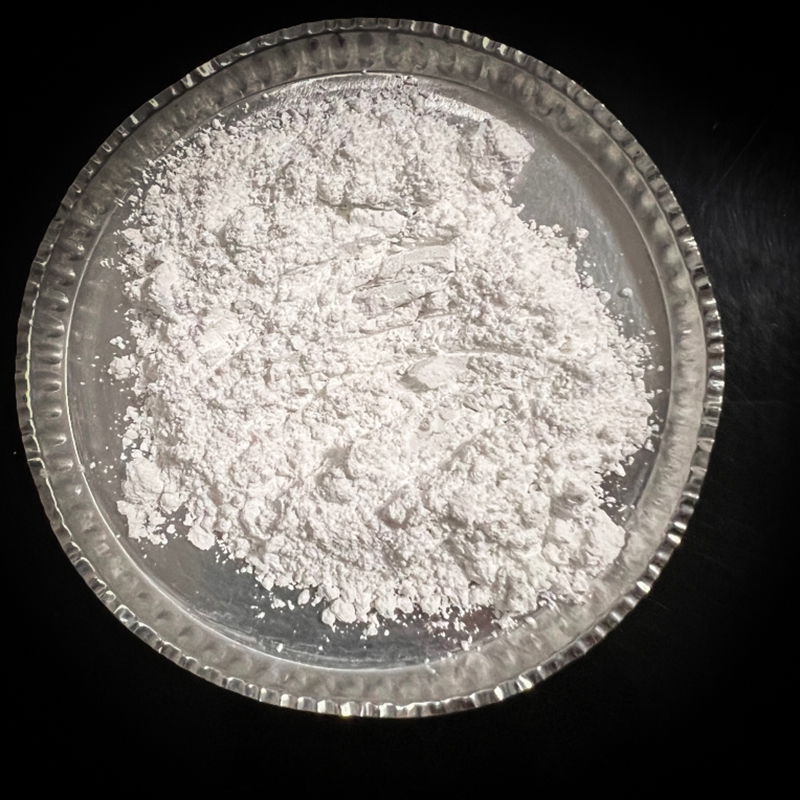
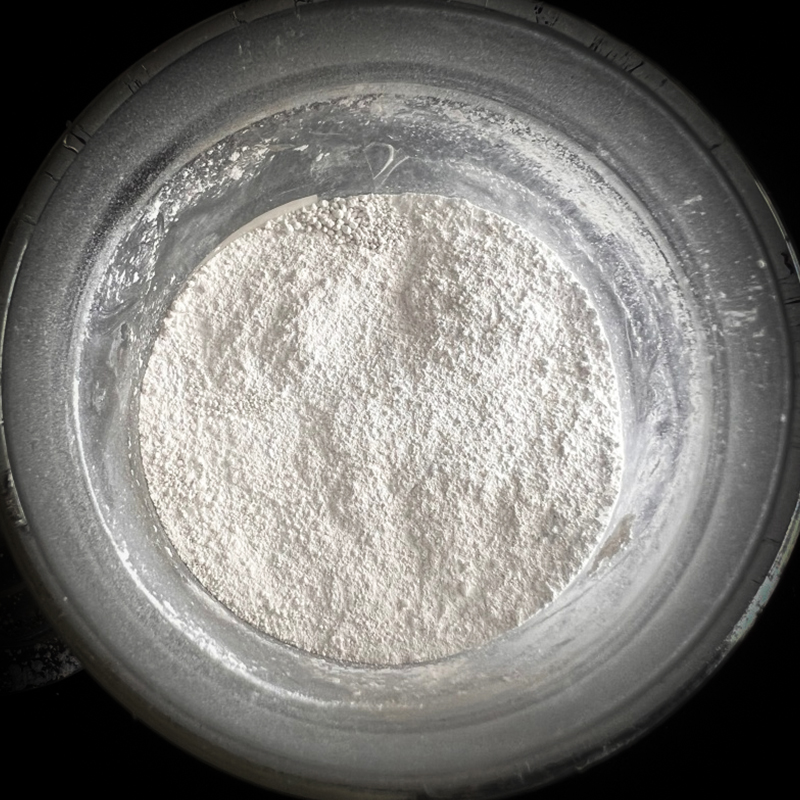
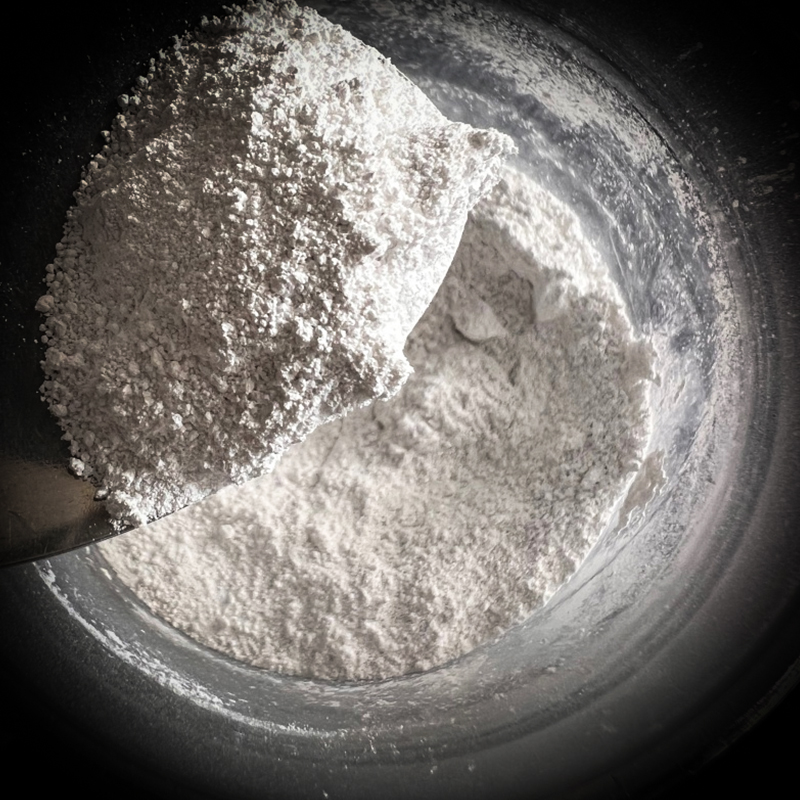
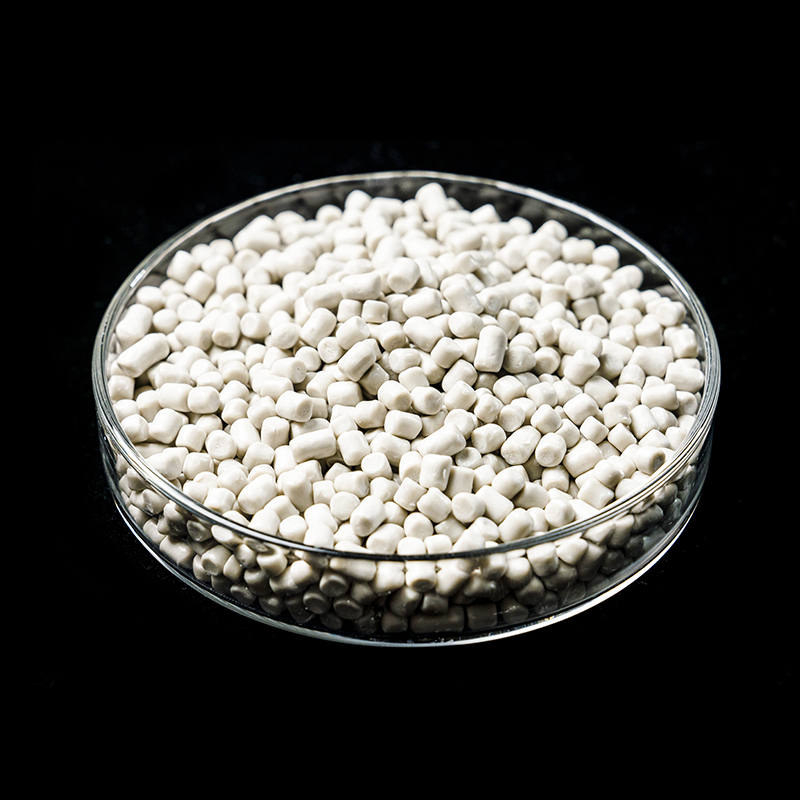
Jiangsu Zhuofeng New Materials Technology Co., Ltd.
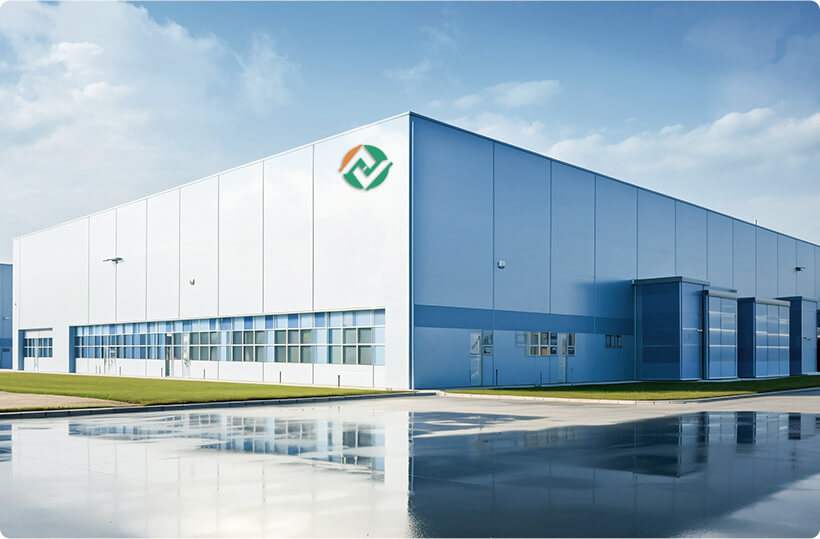
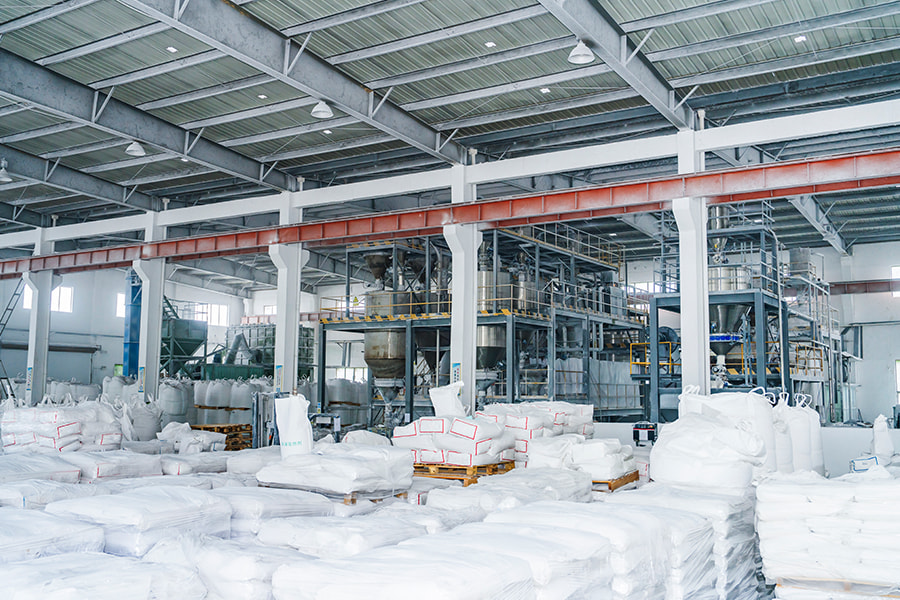
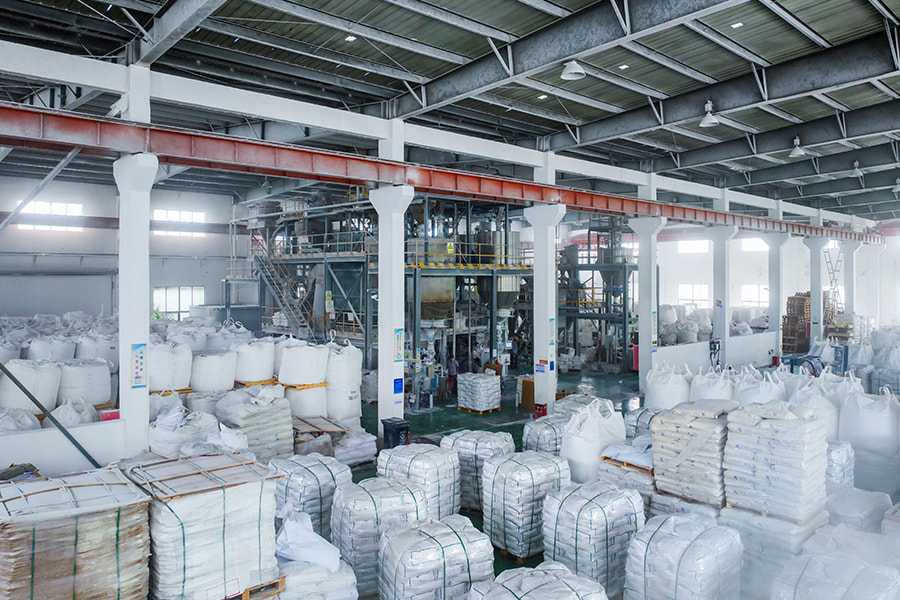
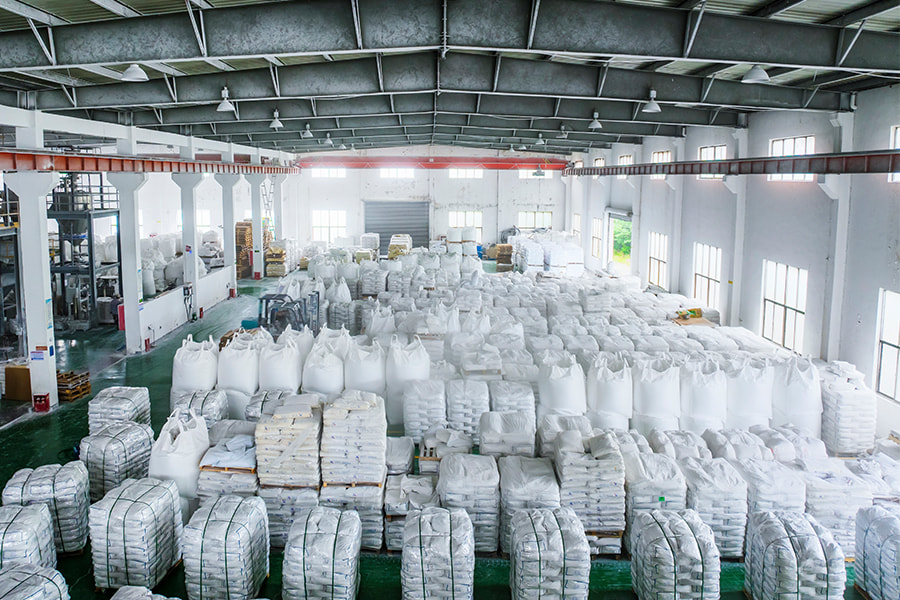
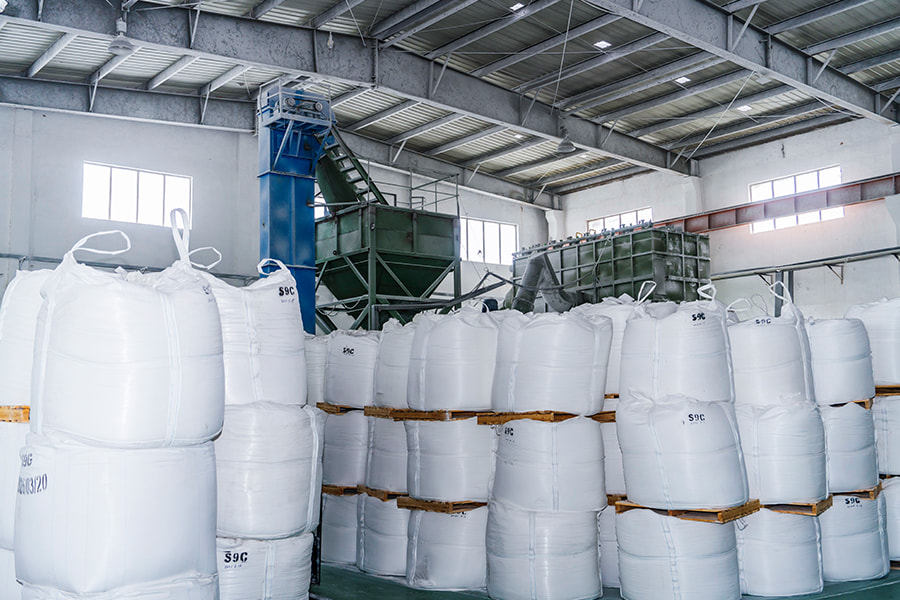
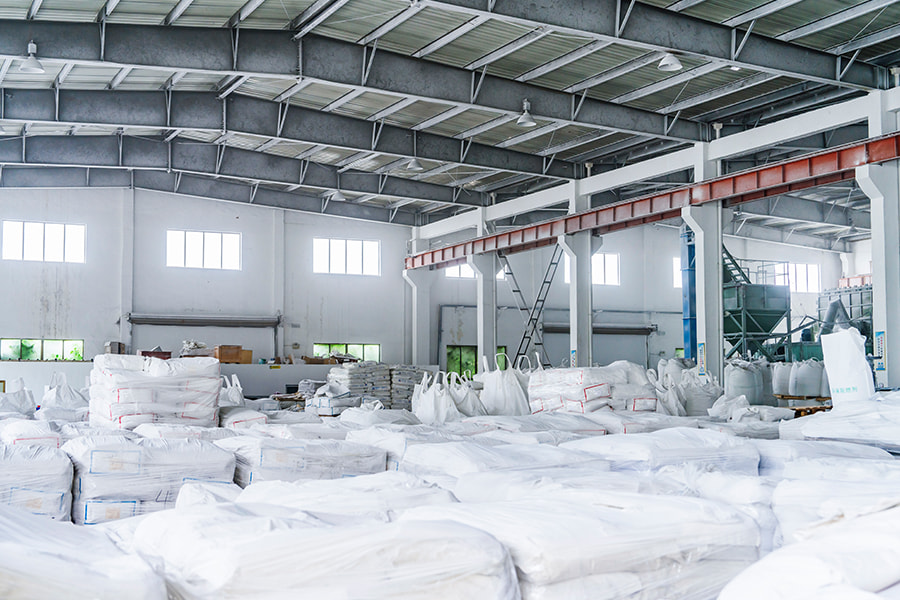
Jiangsu Zhuofeng New Materials Technology Co., Ltd. was established in 2020. It is a supplier specializing in the research, production, and marketing of high-performance and environmentally friendly flame retardants. The company's main products include environmentally friendly flame retardants, flame retardant masterbatches, char-forming agents, composite flame retardants, magnesium oxide, etc. Industrial Fire Retardants Suppliers and Industrial Fire Retardants Company. Relying on mature products and process technologies as well as standardized management, the company has established several mature high-purity, ultra-fine, and cost-effective flame retardant production lines, established a flame retardant polymer material application testing laboratory, and has carried out industry-university-research cooperation to develop and optimize flame retardant products. The founding team of Zhuofeng Technology has gathered a group of talents who have long been engaged in the research, production, marketing, and management of various functional materials. They can provide users with prompt technical support for application use. At Zhuofeng Technology, we are dedicated to meeting our customers' needs by delivering stable, high-performance, and environmentally friendly flame-retardant product lines. Industrial Fire Retardants Bulk Wholesale. Company strength data: Industry Experience: 6 years; Plant Scale: 18,000 square meters; Production Capacity:20000 tons.
-
2020Year
Establishment
-
18000m²
Plant Area
-
20000ton
Production Capacity
 Read More
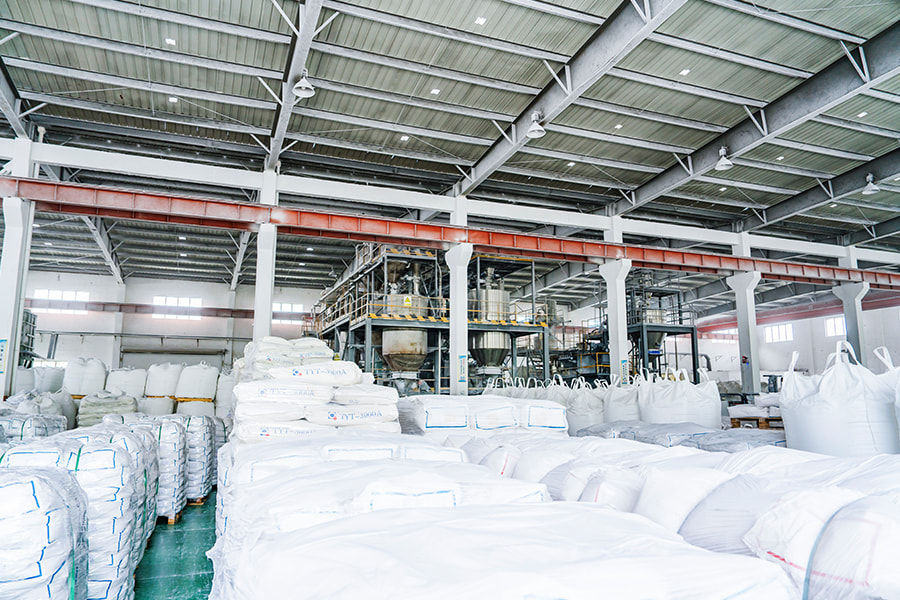
Factory Show
Message Feedback
Industry Insights and Updates
-
2026-08-07Industry News
-
2026-08-07Industry News
-
2026-08-07Industry News
Industry Knowledge
Industry Knowledge
Matching Flame Retardant Loading to Mechanical Performance in Polyolefins
At Jiangsu Zhuofeng New Materials Technology Co., Ltd., we regularly see compounders underestimate how loading level interacts with impact strength and elongation at break. Magnesium hydroxide and magnesium oxide are inherently non-toxic and halogen-free, but reaching a workable flame retardant rating in polypropylene or EVA compounds often requires filler loadings of 50-65% by weight. At that concentration, untreated particles create stress concentration points that reduce tensile elongation by as much as 40-60% compared to the base resin. Surface treatment with silane, stearic acid, or titanate coupling agents improves interfacial adhesion between the filler and polymer matrix, which restores a meaningful portion of the lost ductility without sacrificing flame performance.
Particle size distribution matters just as much as surface chemistry. Sub-micron grades disperse more evenly and pack more efficiently into the polymer matrix, which allows formulators to hit the same Industrial Flame Retardants performance target at a slightly lower loading, preserving more of the resin's native mechanical properties. For applications like cable jacketing or automotive wire harnessing where flex-fatigue resistance is critical, we recommend blending a coarser and finer particle grade rather than relying on a single distribution, since this improves packing density and reduces the total surface area requiring coupling agent treatment.
Reading LOI and UL94 Results Correctly for Cable Compounds
Limiting Oxygen Index (LOI) and UL94 vertical burn ratings are often quoted side by side, but they measure different things and shouldn't be treated as interchangeable proof points. LOI tells you the minimum oxygen concentration needed to sustain combustion, which is useful for comparing formulations in a lab setting. UL94 V-0, V-1, and V-2 ratings instead measure self-extinguishing behavior and afterflame time under a specific ignition source, which correlates more directly with real-world fire scenarios in enclosed equipment or cable trays.
| Flame Retardant Loading | Typical LOI Range | Achievable UL94 Rating |
|---|---|---|
| 30-40% | 22-26% | V-2 or fails |
| 45-55% | 27-31% | V-1 to V-0 |
| 55-65% | 32-38% | V-0 (thin wall) |
These ranges shift depending on base resin, wall thickness, and whether a synergist such as a char-forming agent is present, which is why our lab, in the middle of formulation development for Jiangsu Zhuofeng New Materials Technology Co., Ltd. customers, always tests candidate formulations at the actual production wall thickness rather than relying on published reference tables alone. A formulation that passes V-0 at 3mm can easily fail at 1.5mm, so thin-wall electronics housings and connector applications need dedicated testing rather than extrapolation.
How Char-Forming Agents Build a Protective Barrier
Intumescent systems work through three cooperating components rather than a single active ingredient, and understanding the roles helps formulators diagnose why a compound underperforms:
- Acid source (commonly ammonium polyphosphate) decomposes under heat to release phosphoric acid, which catalyzes dehydration of the carbon source
- Carbon source (often a polyol or char-forming agent) provides the backbone that dehydrates into a carbon-rich residue rather than volatile fuel
- Blowing agent generates gas that expands the forming char into a low-density foam layer, which insulates the underlying polymer from heat and oxygen
The ratio between these three components determines char quality far more than the total additive loading does. An imbalanced ratio produces a char layer that is either too brittle to survive mechanical disturbance or too porous to block heat transfer effectively. Getting this ratio right is one of the more common technical support requests our formulation team fields, and it's an area Industrial Fire Retardants buyers should ask suppliers about directly rather than assuming all char-forming agents behave the same way across polymer systems.
Qualifying a Flame Retardant Supplier for Recurring Bulk Orders
Batch-to-batch consistency is the single biggest risk factor when scaling a compound from pilot runs to full production volume. A supplier's certificate of analysis should report not just average particle size but the full distribution curve, since two batches with identical D50 values can still behave very differently in extrusion if their D10 and D90 tails diverge. Buyers sourcing at production volume should also request moisture content data, since even small variations above 0.5% can cause processing defects like surface blistering during extrusion or injection molding.
Production capacity and testing infrastructure are worth verifying directly rather than taking on faith. With roughly 18,000 square meters of production facilities and 20,000 tons of annual capacity, Jiangsu Zhuofeng New Materials Technology Co., Ltd. maintains a dedicated flame retardant polymer material application testing laboratory so that formulation changes can be validated in-house before a customer commits to a production run. When evaluating any supplier for a long-term contract, ask specifically how new batches are validated against the original approved sample and whether the supplier can supply application testing support rather than raw material data sheets alone.
Let'S Work Together Welcome Aboard!
-
Oversea Sales: mayuqin@zhuofengfr.com
Company email: rikkima@zhuofengfr.com
-
WhatsApp: +86 18105180388
-
Address: No. 5, Wutai Road, Dongba Street, Gaochun District, Nanjing City, Jiangsu Province, China
Join Our Mailing List
Product Categories
Quick Links
Quick Links
Copyright © Jiangsu Zhuofeng New Materials Technology Co., Ltd.
All Rights Reserved.
 Industrial Fire Retardants Company
Industrial Fire Retardants Company