
 English

Green Flame-Retardant New Core: Efficient and Environmentally Friendly Char-forming Agent Facilitates the Upgrading of Halogen-Free Flame-Retardant Technology.
Green Flame-Retardant New Core: Efficient and Environmentally Friendly Char-forming Agent Facilitates the Upgrading of Halogen-Free Flame-Retardant Technology.
Green Flame-Retardant New Core: Efficient and Environmentally Friendly Char-forming Agent Facilitates the Upgrading of Halogen-Free Flame-Retardant Technology.
Green Flame-Retardant New Core: Efficient and Environmentally Friendly Char-forming Agent Facilitates the Upgrading of Halogen-Free Flame-Retardant Technology.
Green Flame-Retardant New Core: Efficient and Environmentally Friendly Char-forming Agent Facilitates the Upgrading of Halogen-Free Flame-Retardant Technology.
Green Flame-Retardant New Core: Efficient and Environmentally Friendly Char-forming Agent Facilitates the Upgrading of Halogen-Free Flame-Retardant Technology.
Green Flame-Retardant New Core: Efficient and Environmentally Friendly Char-forming Agent Facilitates the Upgrading of Halogen-Free Flame-Retardant Technology.
Green Flame-Retardant New Core: Efficient and Environmentally Friendly Char-forming Agent Facilitates the Upgrading of Halogen-Free Flame-Retardant Technology.
Green Flame-Retardant New Core: Efficient and Environmentally Friendly Char-forming Agent Facilitates the Upgrading of Halogen-Free Flame-Retardant Technology.
Green Flame-Retardant New Core: Efficient and Environmentally Friendly Char-forming Agent Facilitates the Upgrading of Halogen-Free Flame-Retardant Technology.
Green Flame-Retardant New Core: Efficient and Environmentally Friendly Char-forming Agent Facilitates the Upgrading of Halogen-Free Flame-Retardant Technology.
Green Flame-Retardant New Core: Efficient and Environmentally Friendly Char-forming Agent Facilitates the Upgrading of Halogen-Free Flame-Retardant Technology.
Green Flame-Retardant New Core: Efficient and Environmentally Friendly Char-forming Agent Facilitates the Upgrading of Halogen-Free Flame-Retardant Technology.
Green Flame-Retardant New Core: Efficient and Environmentally Friendly Char-forming Agent Facilitates the Upgrading of Halogen-Free Flame-Retardant Technology.
Green Flame-Retardant New Core: Efficient and Environmentally Friendly Char-forming Agent Facilitates the Upgrading of Halogen-Free Flame-Retardant Technology.
Green Flame-Retardant New Core: Efficient and Environmentally Friendly Char-forming Agent Facilitates the Upgrading of Halogen-Free Flame-Retardant Technology.

Product Category
NEW Category
Green Flame-Retardant New Core: Efficient and Environmentally Friendly Char-forming Agent Facilitates the Upgrading of Halogen-Free Flame-Retardant Technology.
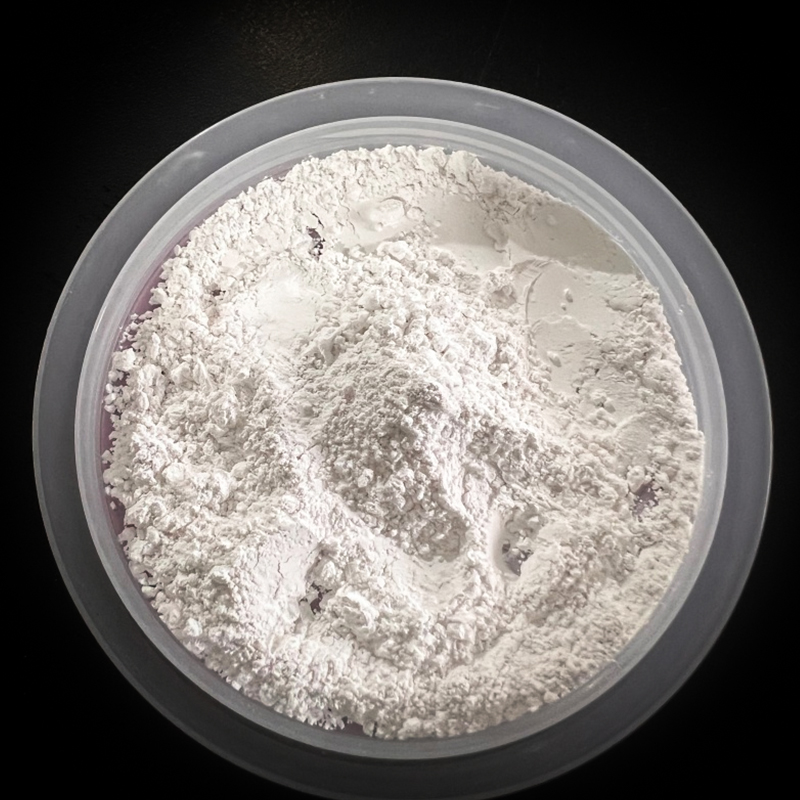
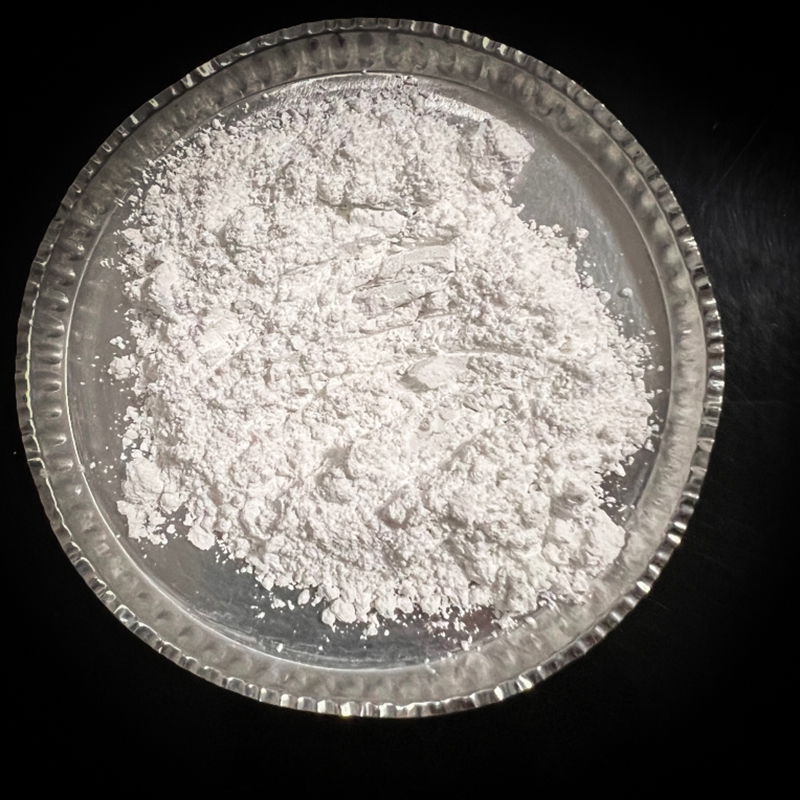
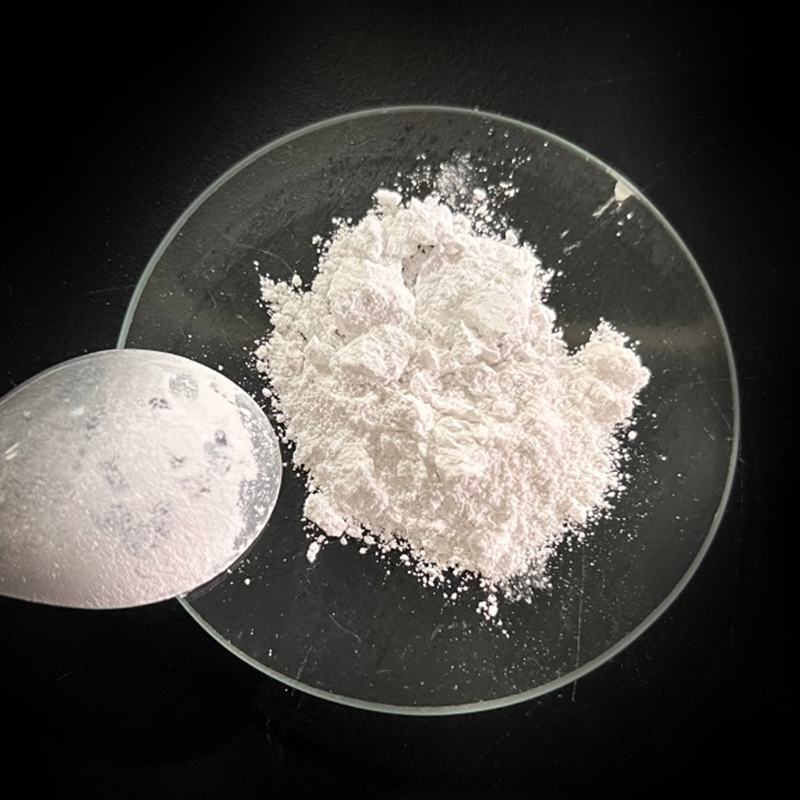
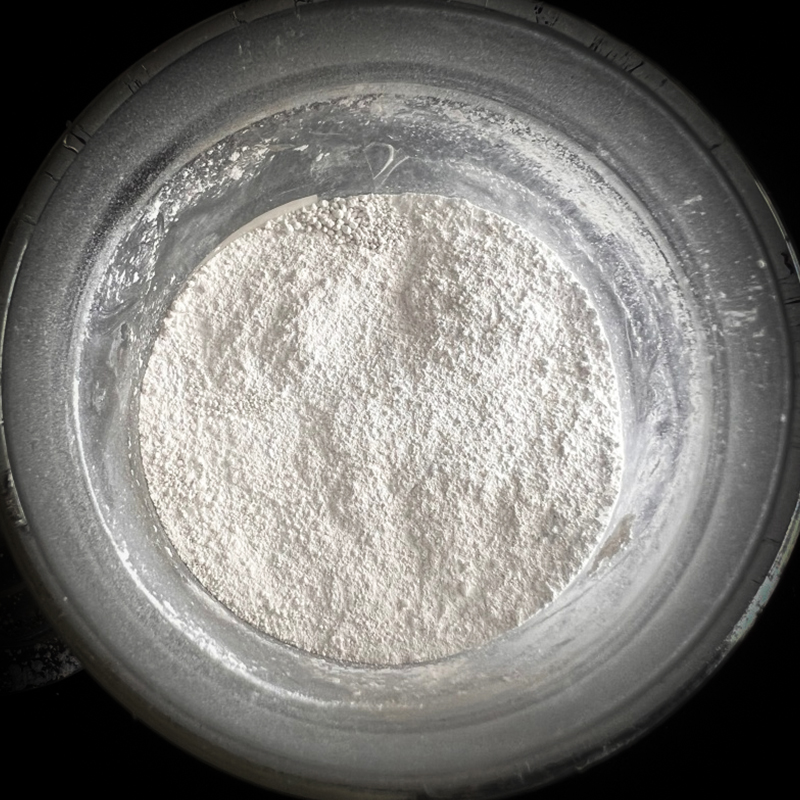
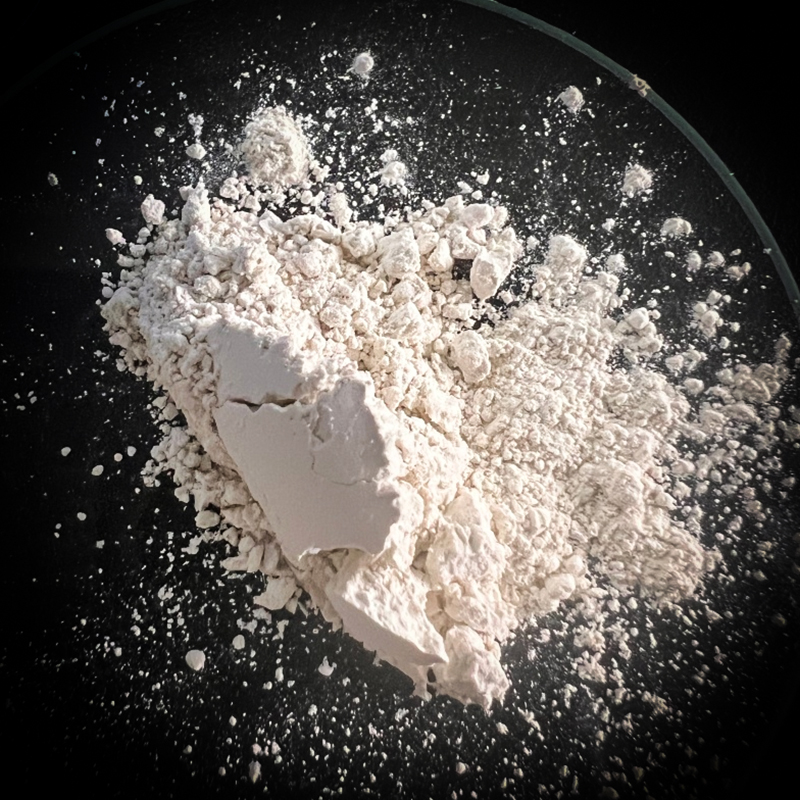
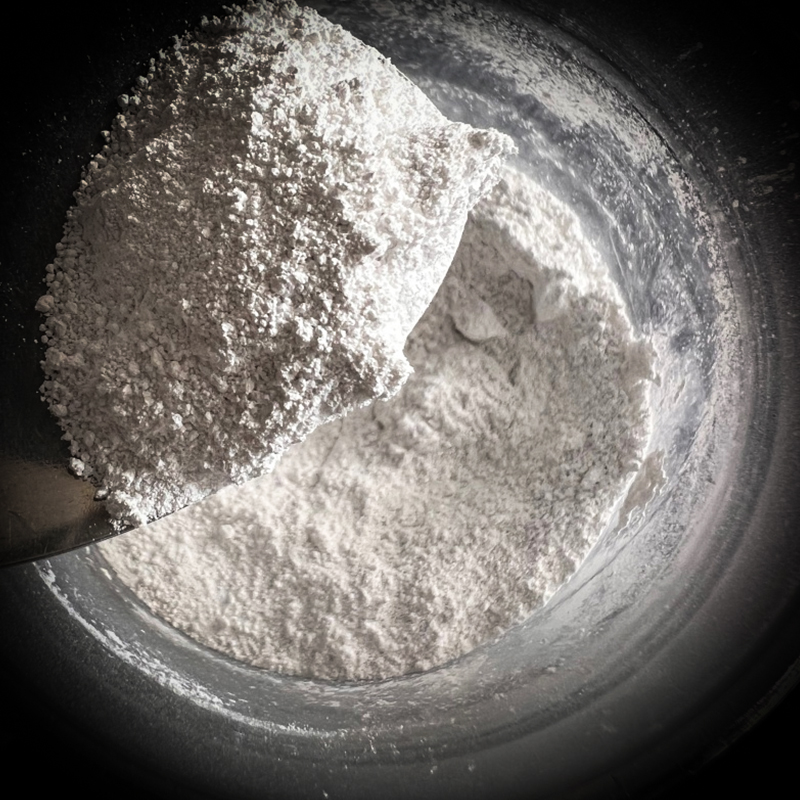
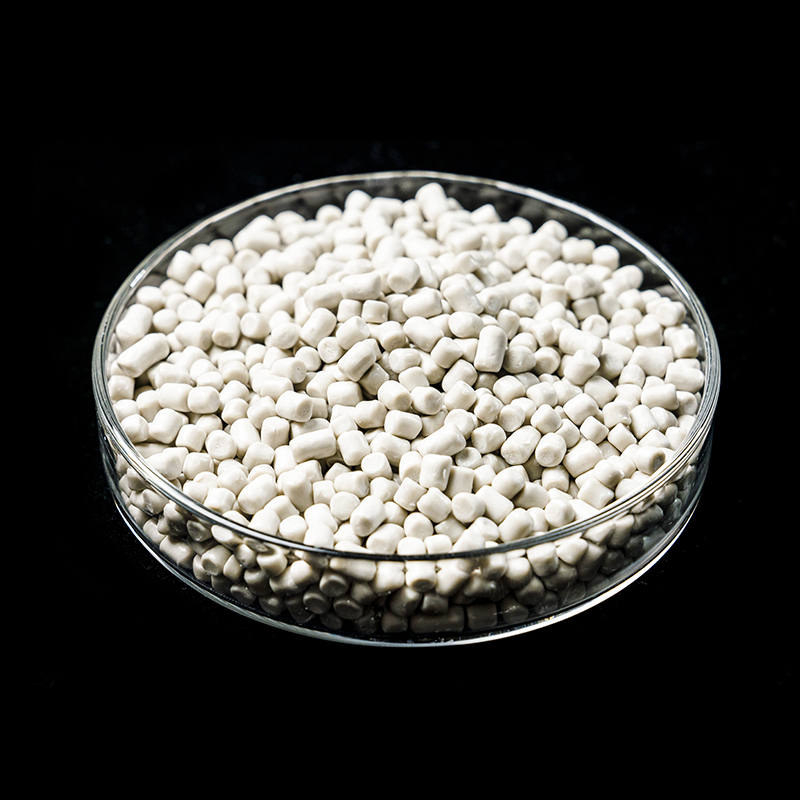
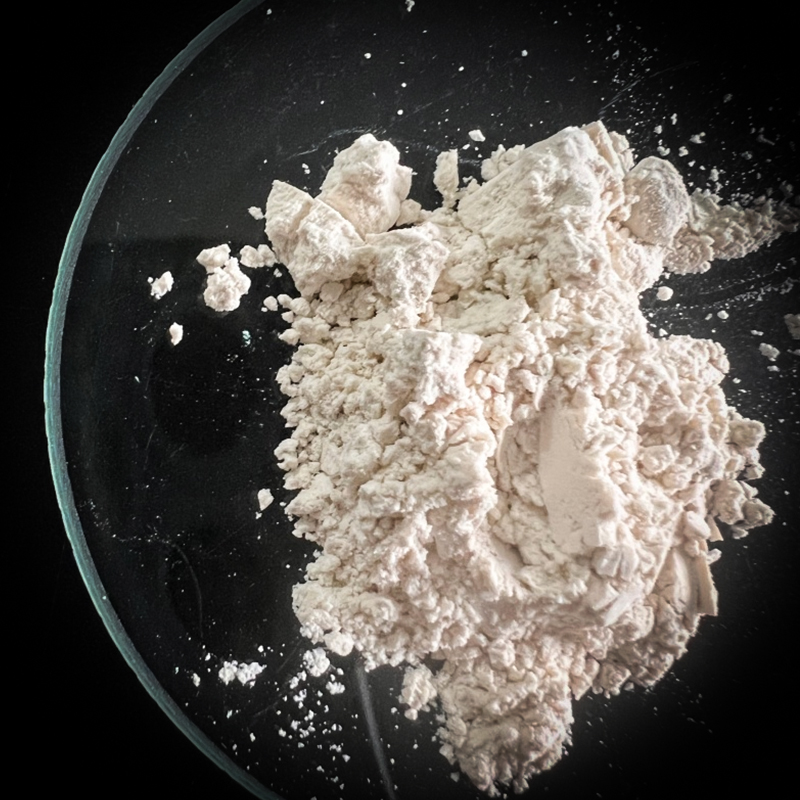
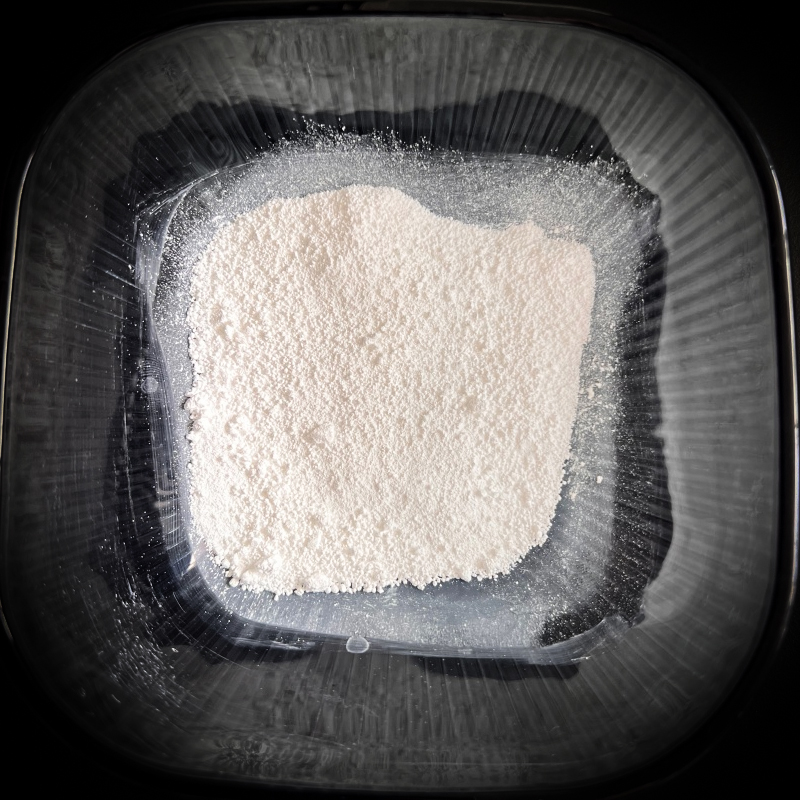
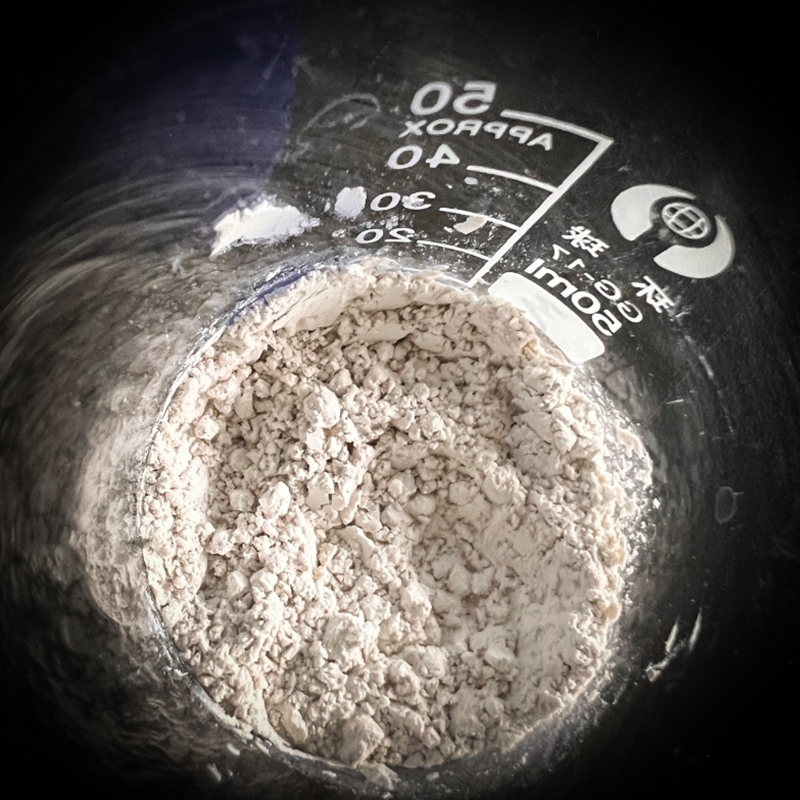
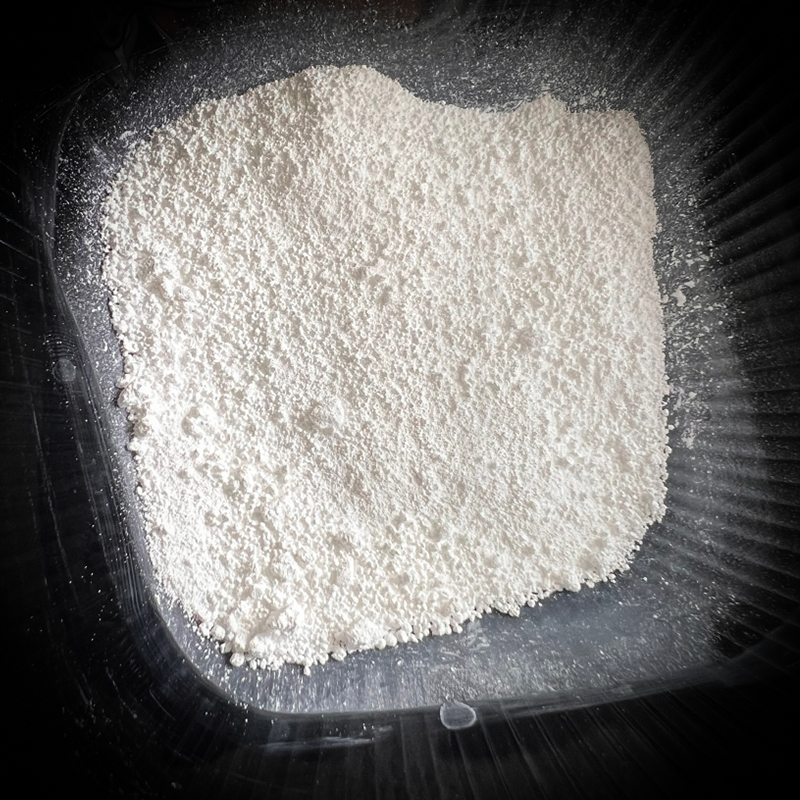
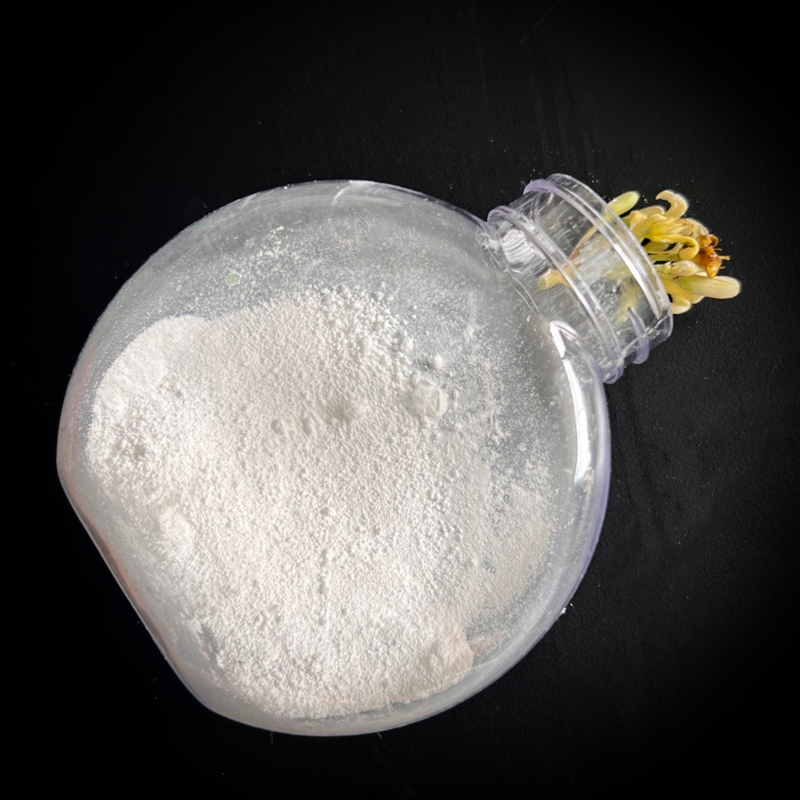
With the increasingly strict global "halogen ban" policies and the continuous improvement of fire safety standards, halogen-free flame retardancy has become the mainstream direction in the industry. Recently, domestic enterprises have launched a new type of highly efficient carbon-forming agent. By leveraging its catalytic carbon formation, dense layer formation, low smoke and toxicity reduction, and synergistic enhancement, it addresses the shortcomings of traditional flame retardant systems, such as low efficiency, high dosage, and damage to the substrate. It provides a green flame retardant solution for fields like cables, engineering plastics, and new energy, promoting the iterative development of flame retardant materials towards higher efficiency, environmental friendliness, and lower costs.
Core mechanism: Constructing a "fireproof and heat-insulating carbon barrier."
The carbon-forming agent is the core carbon source of the expanded halogen-free flame retardant (IFR) system, working in synergy with the acid source (polyphosphoric acid ammonium) and the gas source (tricyclic melamine). When exposed to fire, it rapidly catalyzes the dehydration and cross-linking of polymers at a low temperature range of 200–300°C, forming a continuous, dense, and high-strength honeycomb-shaped carbon layer. This carbon layer can isolate oxygen, block heat transfer, and inhibit the release of combustible gases, cutting off the combustion chain at its source, while significantly reducing smoke density and toxic gas emissions, achieving "fireproof, smoke suppression, and anti-drop" triple protection.
Technical breakthrough: Solving traditional problems, performance is comprehensively upgraded
Traditional carbonizers (such as pentaerythritol) have issues such as poor compatibility, low thermal stability, easy migration, and weak water resistance. They tend to fail under high-temperature processing or in humid environments. The new carbonizer achieves a performance leap through three technological.
innovations: nano-intercalation modification, super-branched structure design, and organic-inorganic composite.
Efficient carbonization: An addition of only 2%–6% can significantly increase the residual carbon rate, with a 30% or more increase in flame retardancy compared to traditional products, easily achieving UL-94 V-0 flame retardancy, without dripping.
Excellent thermal stability: With a temperature resistance of up to 280℃, it is suitable for high-temperature processing of PP, PE, ABS, nylon, etc., without decomposition, migration, or affecting the mechanical properties of the substrate;
Green and environmentally friendly: Free of halogens and heavy metals, it complies with EU REACH, RoHS, and domestic environmental standards. It has low smoke and low toxicity during combustion, and is safe without secondary pollution.
Strong synergy: It can be compounded with flame retardants such as magnesium hydroxide, aluminum hydroxide, and polyphosphoric ammonium, significantly reducing the total addition amount and balancing flame retardancy with material toughness and processing fluidity.
PREV:No previous article
NEXT:Green minerals empower industrial upgrading. High-purity mineral-based magnesium hydroxide leads the new trend in environmentally friendly materials.
NEXT:Green minerals empower industrial upgrading. High-purity mineral-based magnesium hydroxide leads the new trend in environmentally friendly materials.
Interested in cooperation or have questions?
Flame Retardant Supplier

Let'S Work Together Welcome Aboard!
-
Oversea Sales: mayuqin@zhuofengfr.com
Company email: stephen@zhuofengfr.com
-
WhatsApp: +86 18105180388
-
Address: No. 5, Wutai Road, Dongba Street, Gaochun District, Nanjing City, Jiangsu Province, China
Join Our Mailing List
Product Categories
Quick Links
Quick Links
Copyright © Jiangsu Zhuofeng New Materials Technology Co., Ltd.
All Rights Reserved.
